Alstom to Add Driverless Trains on Riyadh Metro Lines 3, 4 and 6
A contract worth about €460 million adds trains to Riyadh Metro’s Orange, Yellow and Purple lines, supporting more frequent service as ridership grows.
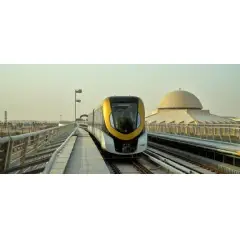
Riyadh Metro is adding driverless trains to Lines 3, 4 and 6 as passenger demand grows. Alstom’s approximately €460 million contract with the Royal Commission for Riyadh City covers the new vehicles and their integration with the network’s existing infrastructure. The added fleet is intended to give operators more room to increase service frequency and passenger capacity across the Orange, Yellow and Purple lines.
The order builds on 116 driverless trains Alstom has already delivered for Riyadh Metro. Passenger service began in late 2024, making the network a relatively new part of everyday travel across the capital. Bringing additional vehicles into an established automated system is a practical next step: more trains give operators flexibility to schedule more frequent journeys as demand rises, while making use of the infrastructure already in place.
More trains, more operating flexibility
The additional vehicles are expected to support shorter waits and higher capacity. Those benefits depend on how the expanded fleet is used in service, but the basic mechanical and operational advantage is straightforward: a larger pool of available trains gives the operator more choices when setting intervals and managing demand. It can also make it easier to keep service levels up when vehicles need routine maintenance.
Alstom will maintain the new trains under its existing operation and maintenance contract for Lines 3, 4 and 6. Keeping the vehicles within that arrangement connects fleet expansion with the work required to keep trains available over time. For a driverless metro, that means the fleet and its operating systems have to function as a coordinated whole; adding vehicles involves more than delivering rolling stock and placing it on a track.
The company’s MENA regional headquarters managing director, Mohamed Khalil, described the order as part of Alstom’s continuing work with RCRC. He said the extra vehicles would help the network respond to rising demand while maintaining passenger service quality. The scale of the contract and the use of an existing maintenance arrangement show that the expansion is tied to both the fleet and its ongoing operation.
Metropolis trains meet Urbalis signalling
The trains will join Riyadh Metro’s automated network using Alstom’s Metropolis driverless trains and Urbalis communications-based train control (CBTC) signalling technology. CBTC helps coordinate train movements through continuous communication between trains and the signalling system. In an automated network, that coordination supports the close, regular spacing needed to run services more frequently, particularly during peak periods.
That system integration is central to what the contract needs to deliver. The new trains must work within the network’s existing infrastructure and signalling setup, so their arrival is linked to the wider operating system rather than treated as a standalone fleet addition. When the vehicles, signalling and operating arrangements function together, the network can make better use of the trains it has available.
The Yellow Line is a particular focus because it is planned to serve the 2030 World Expo. The additional trains and their integration into the automated system are intended to support higher-frequency service on the line as well as across the Orange and Purple lines. The contract announcement does not specify the number of trains in this order or a delivery timetable, so those details are not yet available.
A longer presence in Saudi Arabia
Alstom says it has worked in Saudi Arabia since 1951 and has contributed to the country’s transport development, including rail and power projects. The company also points to its Riyadh regional headquarters and investment in local expertise, transport systems and mobility technologies. For Riyadh Metro, local capabilities matter across the long life of the system: vehicles require maintenance, and automated operations depend on skilled people who understand how the fleet and signalling work together.
The contract adds to an existing supplier relationship with RCRC and extends Alstom’s role from delivering trains to maintaining the expanded fleet. For passengers, the intended result is concrete: more vehicles available to carry growing numbers of riders, with the potential for shorter waits. The next points to watch are the delivery and integration of the trains, especially on the Yellow Line, where the network’s future service needs will be closely tied to the Expo timetable.


