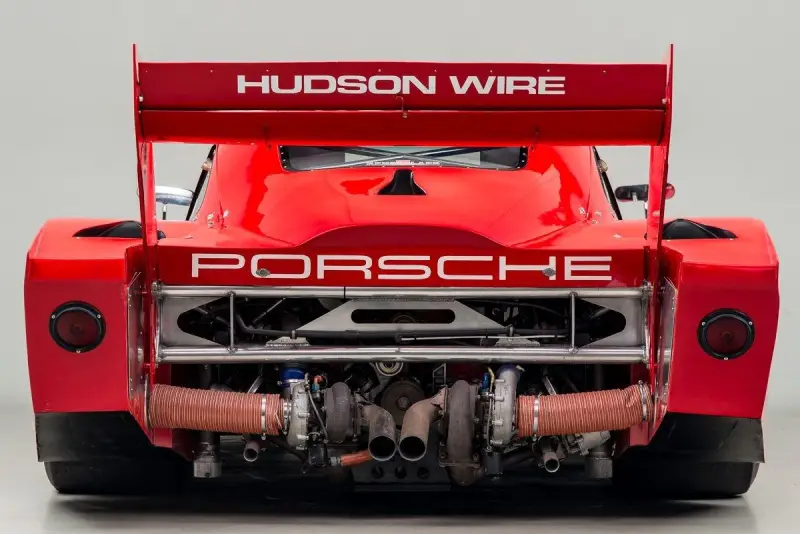
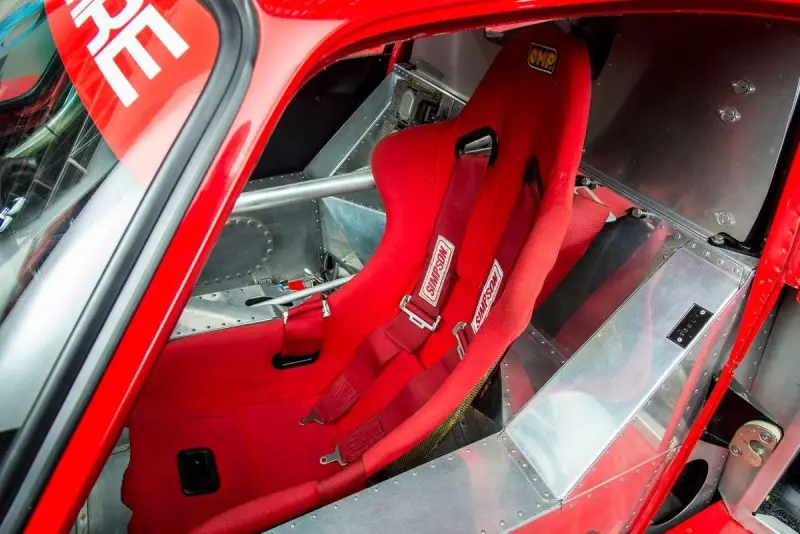
1982 Porsche 935 Bob Akin L1: 800-Plus-HP Privateer Endurance Racer
Bob Akin’s 935 L1 pairs a bonded-aluminum monocoque and Lola-inspired nose with an 800-plus-hp turbo flat-six and documented 1982 race history.
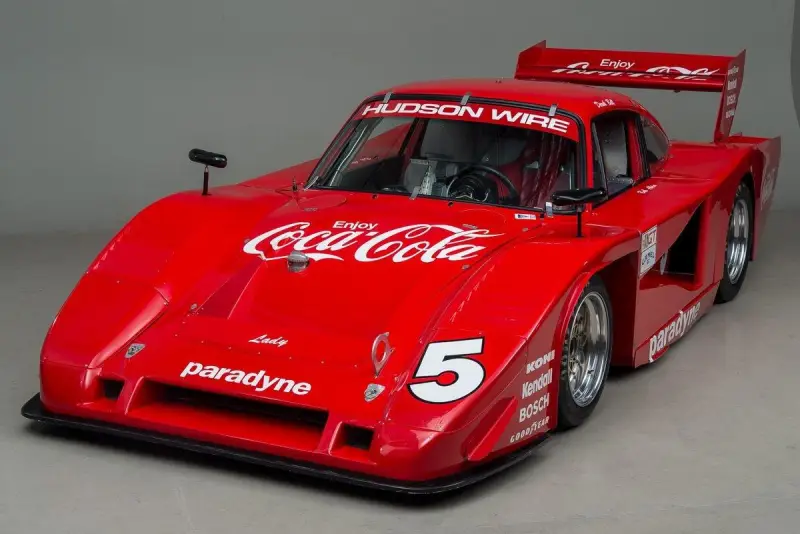
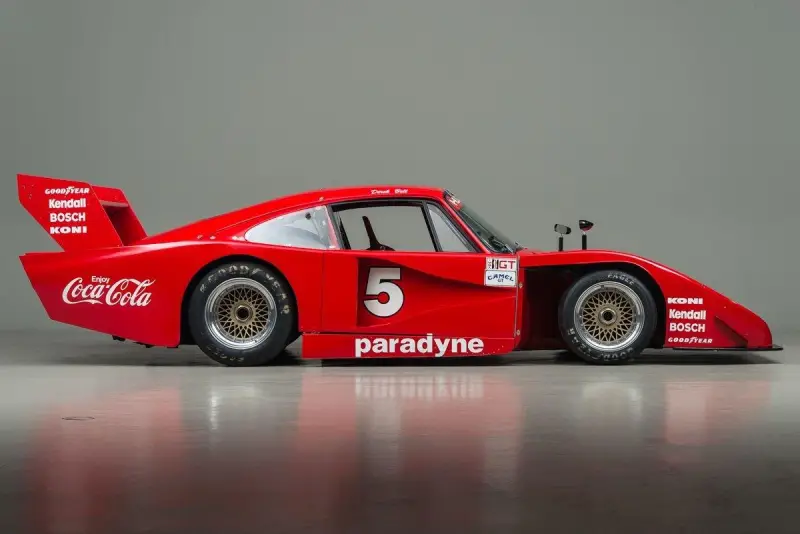
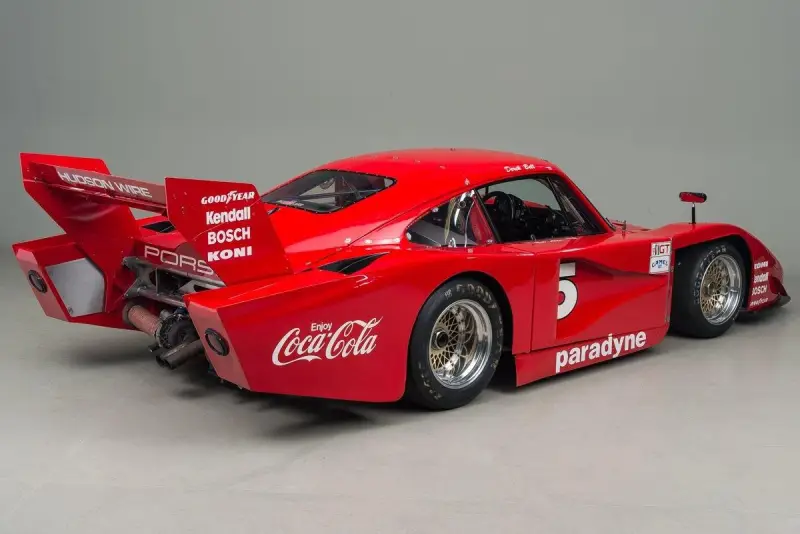
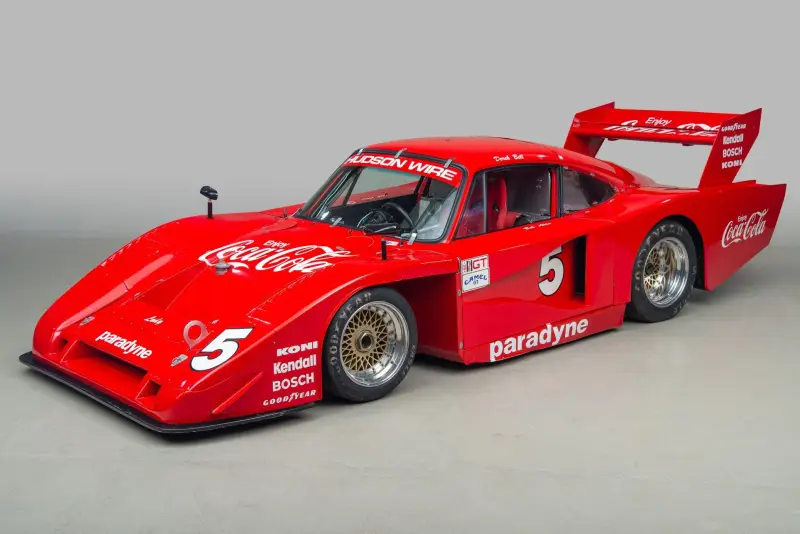
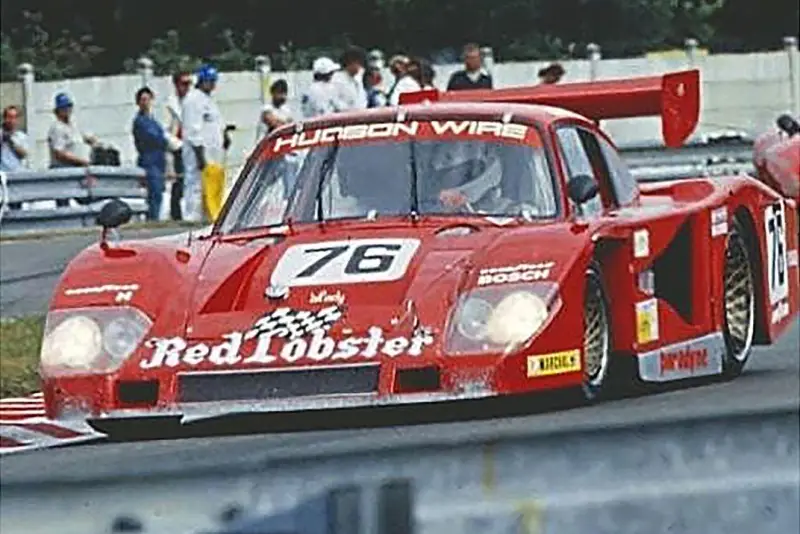
The 1982 Porsche 935 Bob Akin L1 is a privateer race car built around a simple premise: by 1982, familiar 935 machinery needed a more radical answer to the competition. Bob Akin commissioned Chuck Gaa of Gaaco to create one, retaining Porsche 935 mechanical components while rethinking the chassis and body for high-speed endurance racing. The result weighs approximately 2,324 pounds and is powered by a 3.2-liter turbocharged flat-six rated at more than 800 horsepower.
A purpose-built chassis beneath Porsche power
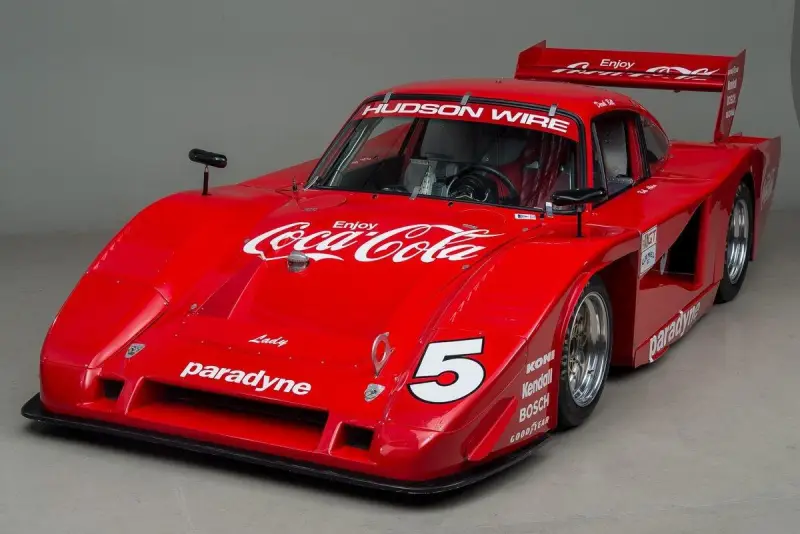
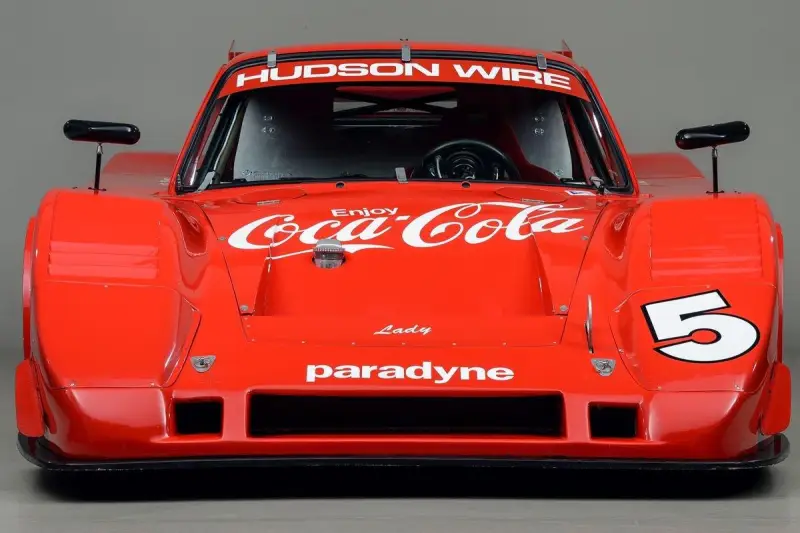
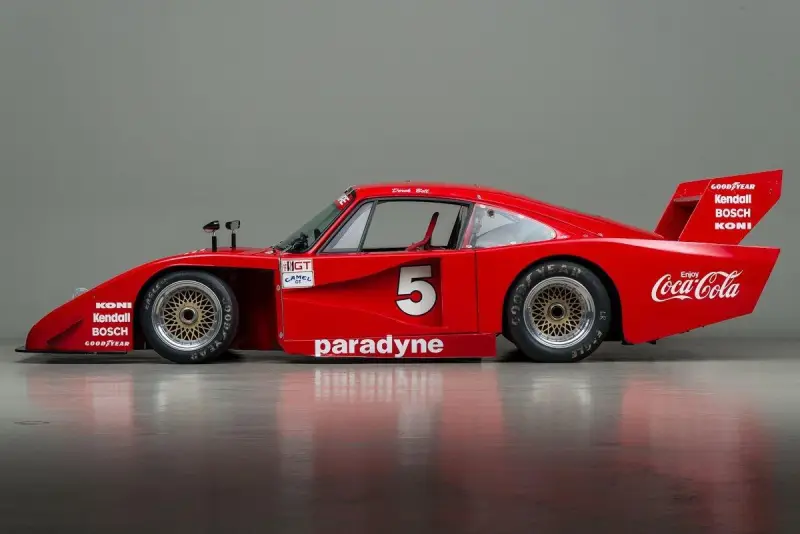
The L1’s bonded-aluminum monocoque sets it apart from a conventional production-derived 935. Fiberglass bodywork helped keep mass down, while the Porsche mechanical package preserved a connection to the established 935 formula. That mix matters: the car’s structure and shape were tailored to competition, but its turbocharged flat-six and related components came from familiar Porsche racing hardware.
Gaa gave the front end a Lola T600 GTP-inspired nose, aiming to improve aerodynamic efficiency and straight-line speed. The roof and windshield area also reflects the constraints of the period. Regulations required the standard Porsche 930 windshield and roof section, so the roof structure was tilted to alter the windshield angle and manage airflow. The design was therefore a considered compromise between required body elements and the team’s aerodynamic ambitions.
Built for speed and endurance
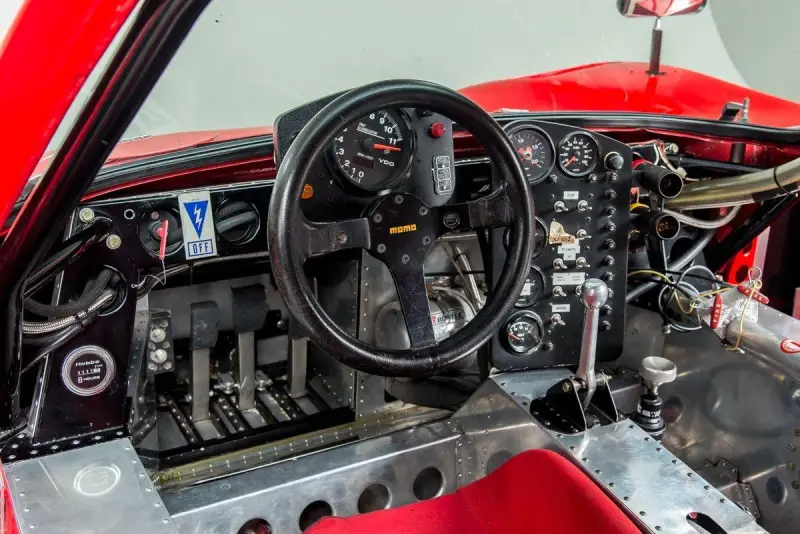
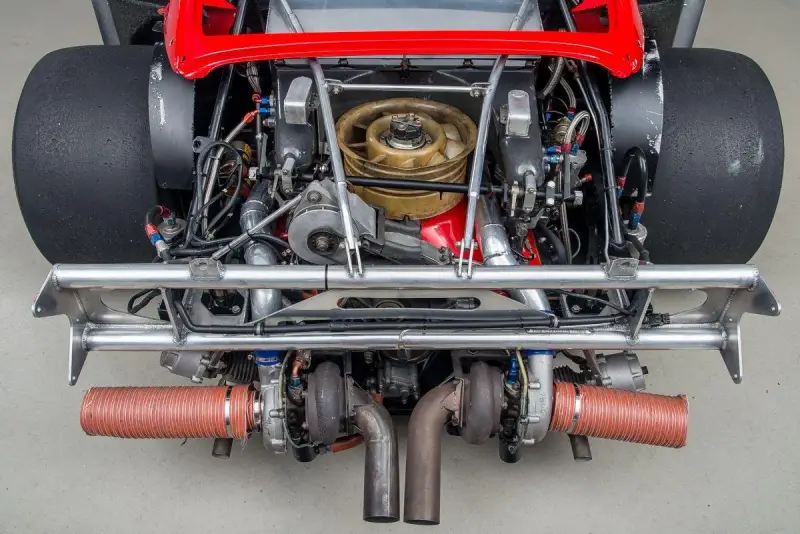
The listed specification pairs the turbocharged 3.2-liter flat-six, rated at more than 800 horsepower, with a four-speed manual transmission driving the rear wheels. Suspension is by front coil-over MacPherson struts and rear coil-over trailing arms. With a stated width of 78 inches and length of 190.5 inches, the L1 has the broad, low footprint expected of a machine shaped around fast circuit work.
At approximately 2,324 pounds, the car’s power-to-weight combination is a defining part of its character. The rear-drive layout and manual gearbox put a substantial turbocharged output through the driven wheels, while the bespoke chassis and aerodynamic bodywork address the demands of carrying speed over long distances. The specification doesn’t describe every setup detail, but it makes clear that this was engineered as an uncompromising competition car, not a road-going 935 with cosmetic changes.
Race history across two continents
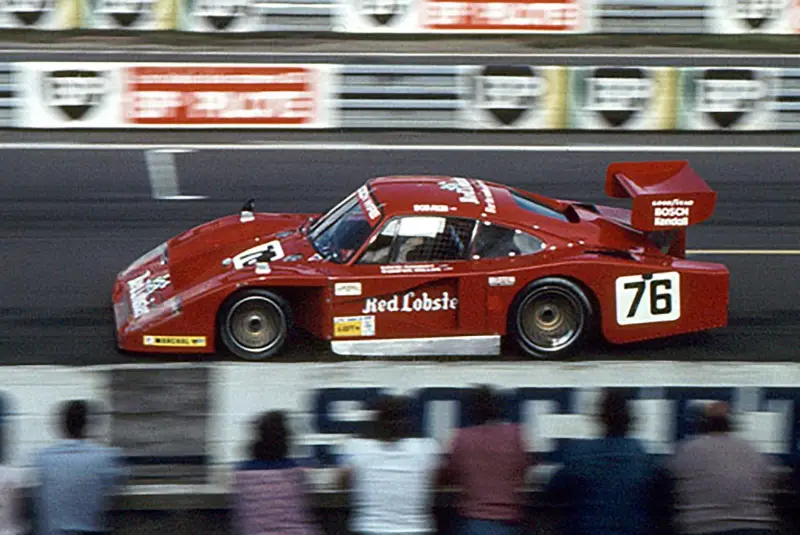
The L1 made its debut at Lime Rock Park in May 1982, then crossed the Atlantic for the 24 Hours of Le Mans in June. Akin shared the car with David Cowart and Kemper Miller. It showed strong straight-line speed on the Mulsanne Straight, but a malfunction in the reserve fuel tank ended its run after approximately two hours. That early retirement points to the hard practical demands of endurance competition: aerodynamic pace and engine output only count if fuel systems and other supporting components can keep the car running.
Back in the United States, the car continued its IMSA campaign. Akin and Hurley Haywood finished fourth at Mid-Ohio in September; Akin and Derek Bell followed with a seventh-place result at Road Atlanta. The L1’s final listed competition appearance was the Pocono 500 in late September 1982. Those results give the car a record that includes both the challenge of Le Mans and finishes in the American series, rather than a single headline outing.
Restoration and present-day prospects
After its racing period, the 935 L1 remained in Akin’s workshop until 1999. Jacques Rivard then acquired it and commissioned a comprehensive restoration. Suspension components were inspected for cracking, with replacements fitted where needed, and G&S Autoworks rebuilt the engine and transmission. Canepa later carried out a full inspection and detailing, according to the sale listing.
That work speaks directly to the areas that matter on a high-output historic racer: structural and suspension condition, plus the health of the engine and gearbox. The available details establish that those components received attention, though they don’t provide a current inspection report or service schedule. Buyers and event organizers will need the car’s present documentation and condition to determine what preparation is appropriate for its next outing.
The L1 is now described as eligible for historic racing events worldwide, including the Rolex Monterey Motorsports Reunion. Its appeal rests on more than the Porsche name: this is a distinct Akin and Gaaco interpretation of the 935, with a purpose-built chassis, a GTP-influenced nose and a specific record from 1982. For anyone considering the car for historic competition, its restoration history and current mechanical condition are as central as its period performance.