1975 Rolls-Royce Corniche Rivet Coupé: Jay Ahr’s LS3-Powered Rework
Jay Ahr’s Corniche RR11 pairs a riveted roof and reworked cabin with an estimated 500 bhp LS3 V-8 and four-speed automatic.
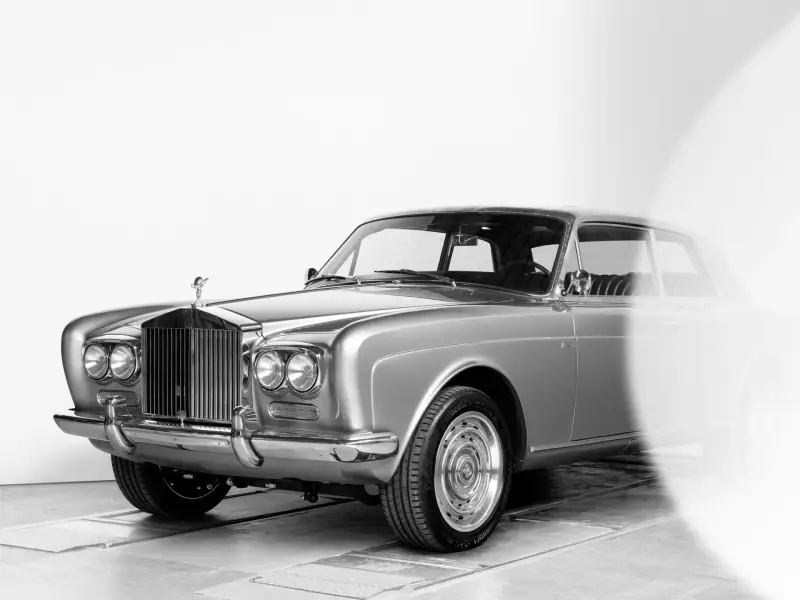
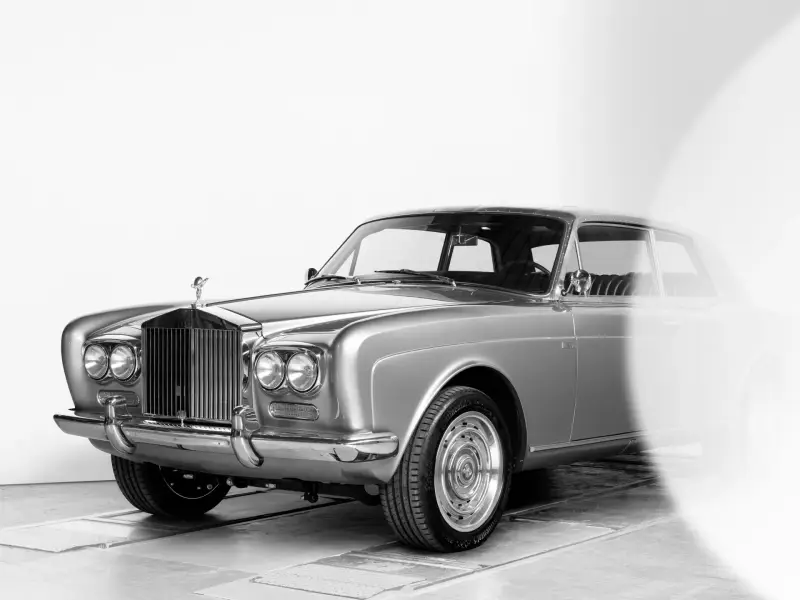
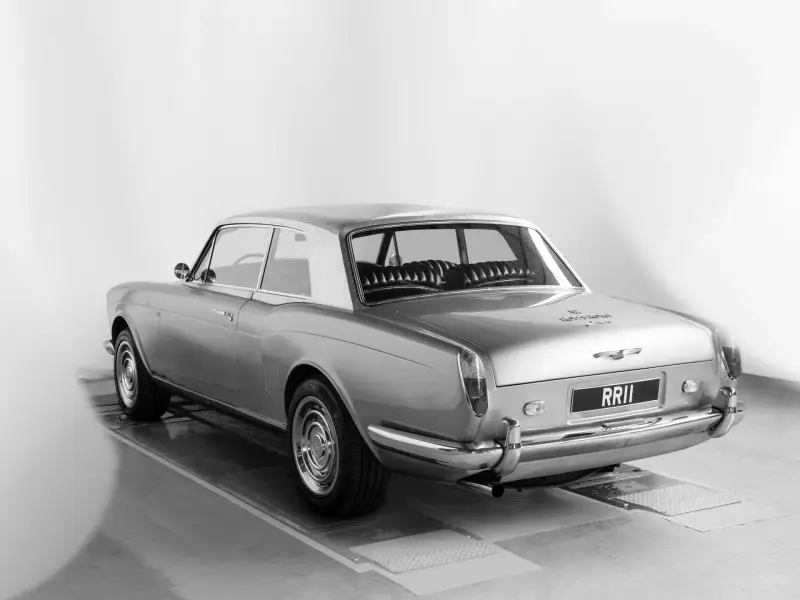
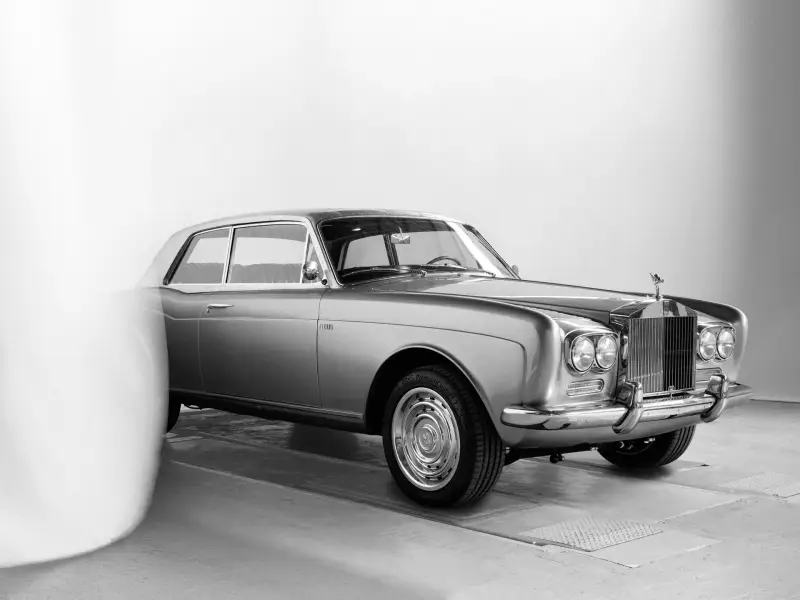
RR11 takes the 1975 Rolls-Royce Corniche Coupé in a striking new direction: its familiar grand-touring shape now frames a riveted roof, a reworked cabin and a General Motors LS3 V-8 estimated at 500 bhp. The car is one of 72 Corniches selected for Jay Ahr’s Ahrsenal program, which treats each conversion as an individual design and engineering project.
Listed through RM Sotheby’s Private Sales, this North American-specification example is located in Los Angeles. Its identity sits between several traditions: the long, imposing proportions of a British luxury coupé, custom coachwork, and contemporary mechanical hardware. The result keeps the Corniche’s recognizable outline while giving the car a distinctly more industrial character.
A Corniche with a different visual vocabulary
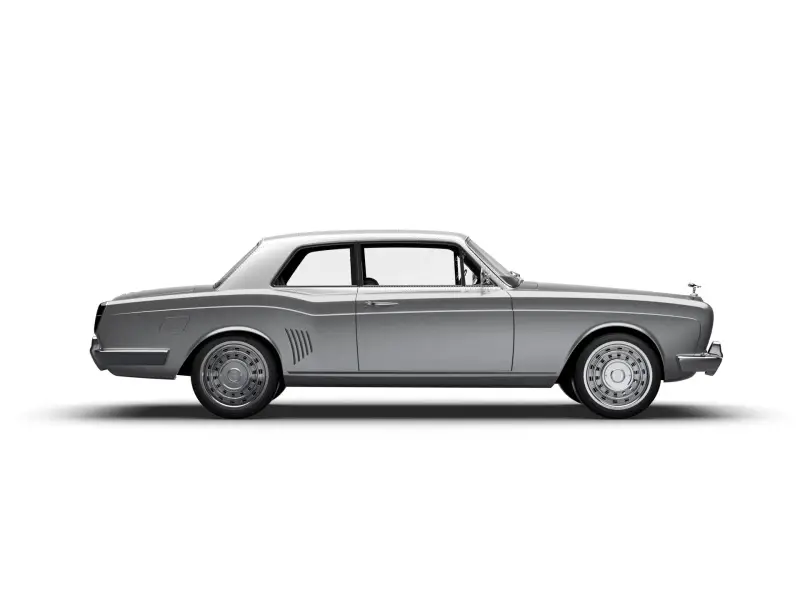
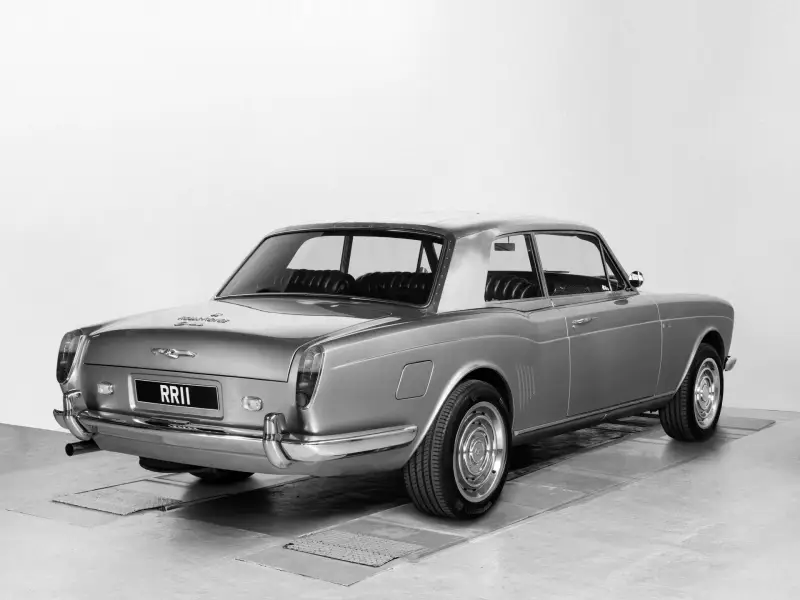
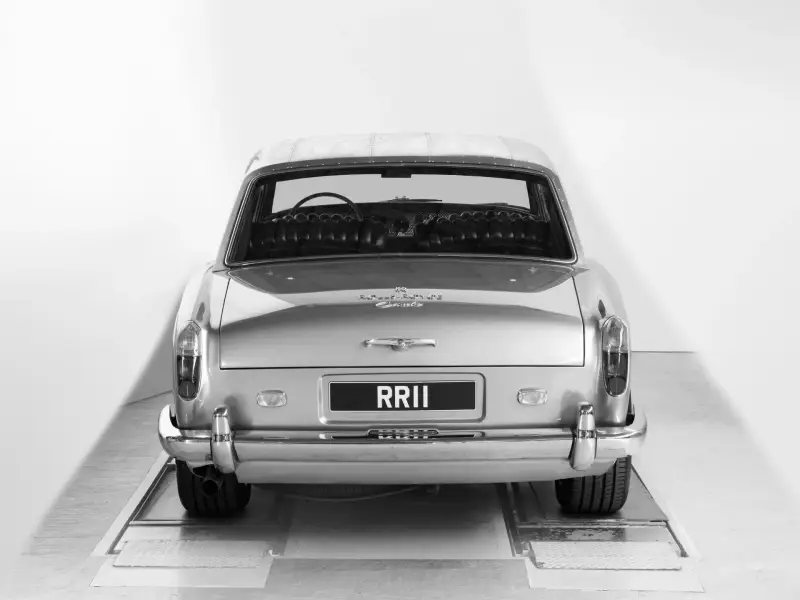
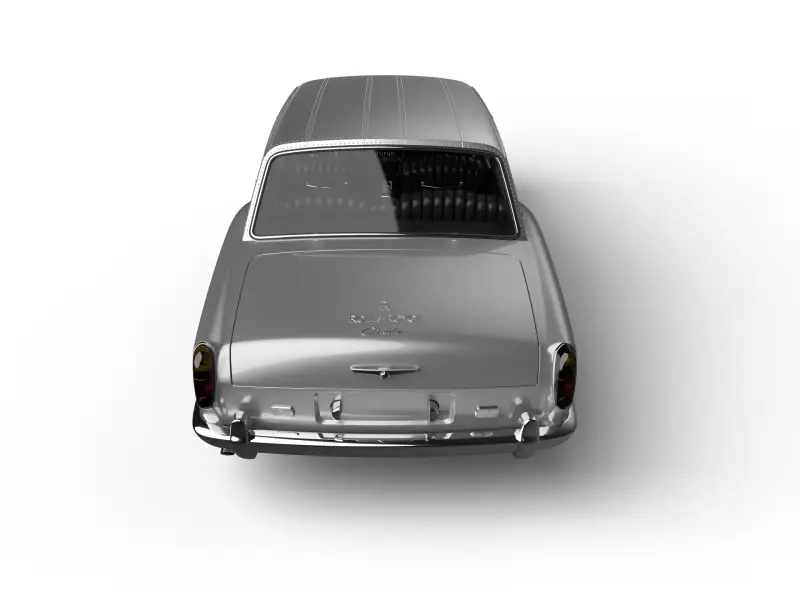
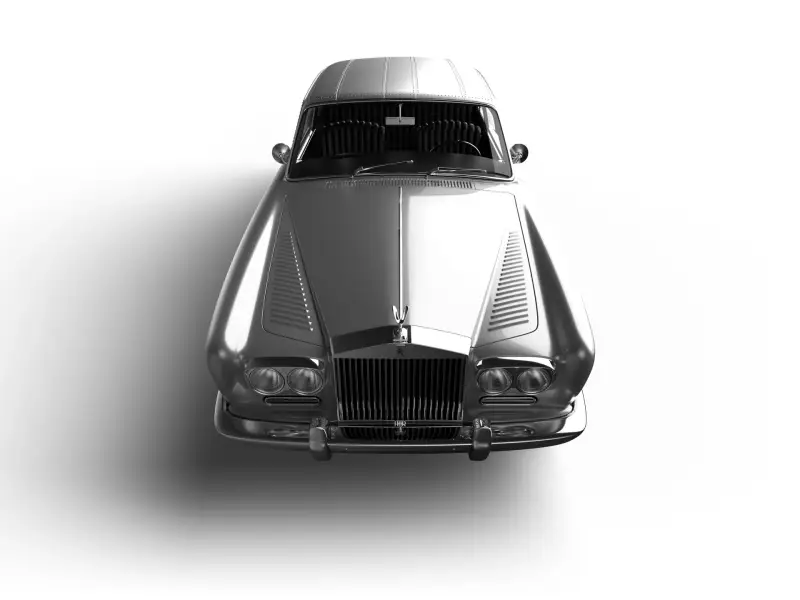
The roof treatment gives RR11 its “Rivet” name. Exposed rivets trace its length, turning a normally quiet surface into a defining feature. Against the metallic silver finish, the detail reads as architectural and deliberate, a strong departure from the restrained presentation associated with the standard Corniche.
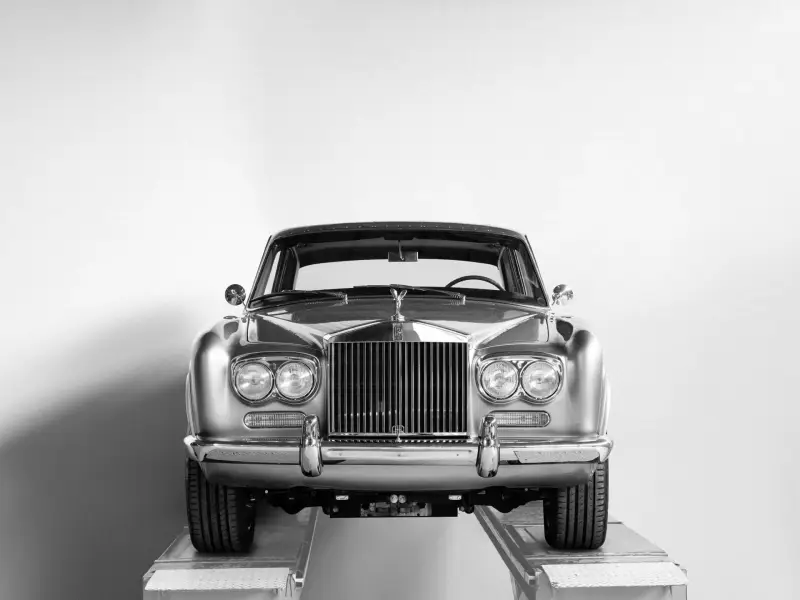
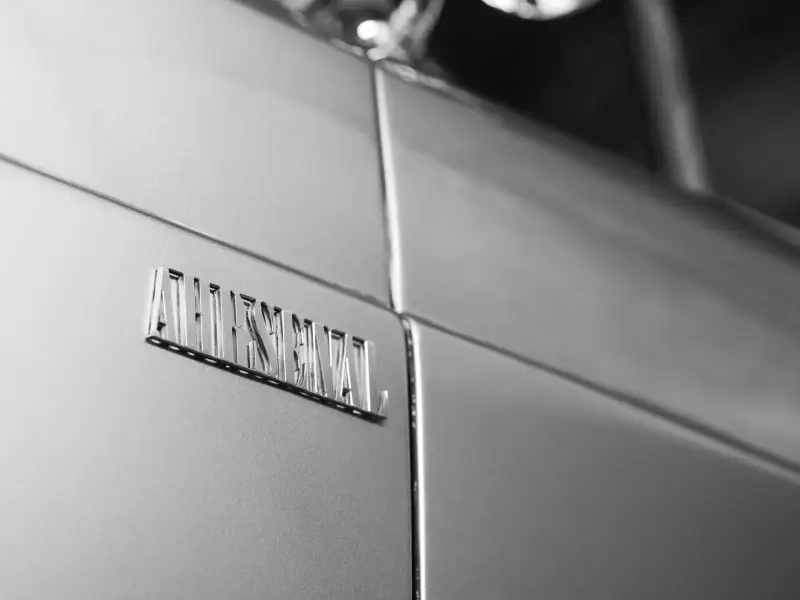
The body changes extend beyond the roof. A redesigned bonnet carries distinctive louvers, while integrated lighting elements and revised side mirrors alter the front and side profiles. Updated exterior branding completes the treatment. These details are described as part of an extensive reworking, though the available information doesn’t specify the construction materials, fabrication methods or changes to the car’s dimensions.
That distinction matters when looking at a bespoke build: the visible changes tell only part of the story. RR11’s proportions still make its Corniche origins clear, but the custom surfacing and hardware change how those proportions come across. It looks less like a preserved example of a 1970s luxury coupé and more like a coachbuilt interpretation that puts its construction details on display.
Modern V-8, familiar touring brief
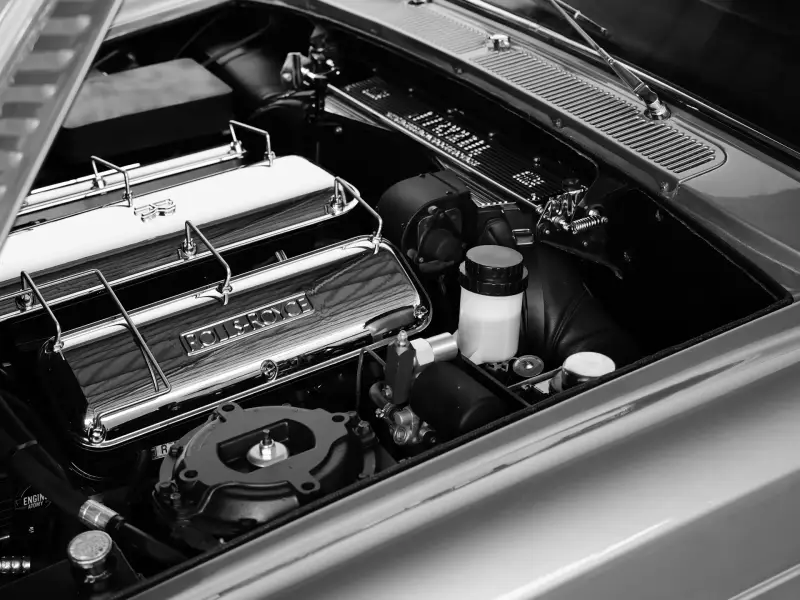
The largest mechanical departure is beneath the bonnet. The original Rolls-Royce powertrain has been replaced with a General Motors LS3 V-8 producing an estimated 500 bhp, paired with a four-speed automatic transmission. No torque figure, engine specification beyond the LS3 designation, or details of the installation are provided.
That swap changes the car’s mechanical character as much as its appearance. The LS3 brings a different V-8 to a chassis conceived around Rolls-Royce’s own powertrain, while the automatic transmission keeps the stated configuration aligned with relaxed grand touring. The build is presented as retaining the Corniche’s effortless touring intent, but no acceleration figures, suspension changes or road-test impressions are given. Those are useful details for a prospective owner to establish directly when assessing the car.
The available description also doesn’t identify supporting changes to the brakes, cooling system, driveline or chassis. With a powertrain conversion of this scale, those systems help explain how an engine swap works as a complete package. The 500 bhp estimate is a notable headline figure, but without details on how it was measured or what components support it, it should be read as an estimate rather than a documented test result.
A cabin shaped around the driver
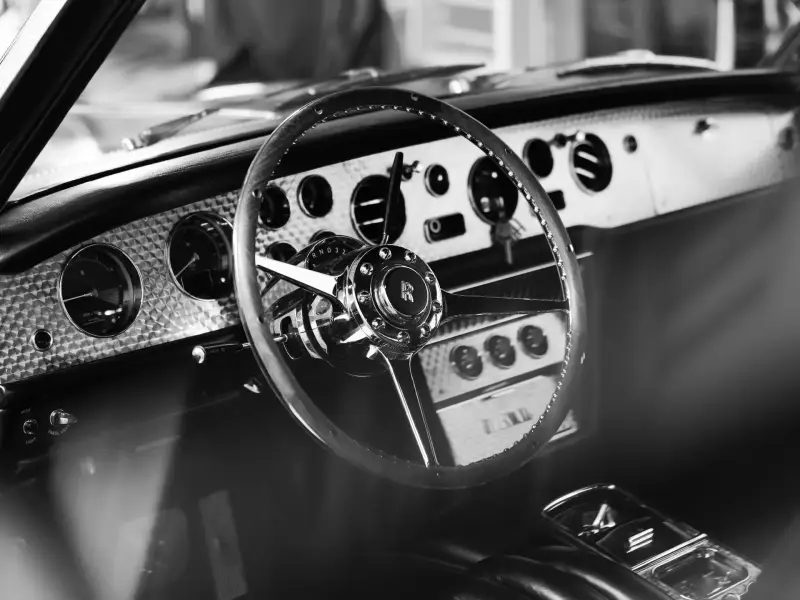
Inside, the design concept is called Cockpit Act II. Black leather covers the cabin, and redesigned lightweight seats replace the original seating. The instrumentation is modernized, creating a more driver-focused layout within the traditional Rolls-Royce interior setting. The description doesn’t identify the instruments, seat construction or any changes to the car’s controls, so the precise scope of the cockpit conversion remains open.
The luggage compartment receives the same attention as the passenger space. It features full leather lining and vertical aluminum protective bars, with an embroidered Jay Ahr signature on the trunk lid. Those bars give the boot a more constructed appearance, while the leather lining carries the cabin’s finish through to an area often treated as secondary in a design-focused conversion.
A one-off approach within a 72-car program
Jay Ahr, born Jonathan Riss in Belgium, built a reputation in luxury fashion and accessories before extending that craft-led approach to automobiles. His Ahrsenal program operates from the Hong Kong-based Atelier Mécanique and brings together artisans, engineers, mechanics, historians and designers. Each transformation reportedly takes more than a year, with work extending from major components to small fasteners.
RR11 is one of 72 Corniches selected for the program, not a stated production run of identical cars. The emphasis is on individual transformations, and this example’s riveted roof, silver exterior, black leather interior and LS3 installation give it a clear identity within that broader effort. The description doesn’t provide a sale price or further ownership and service history.
For a buyer, the appeal rests on the unusual combination: classic Corniche proportions, conspicuous custom detailing and an estimated 500 bhp American V-8. The practical questions are just as specific: what work accompanied the engine installation, how the revised instrumentation functions, and what records document the build. RR11 makes its strongest case as a complete design statement; those mechanical and ownership details will show how fully that vision translates to life on the road.