1979 Rolls-Royce Corniche RR05: Jay Ahr’s Bespoke Drophead Coupé
Jay Ahr’s RR05 pairs a restored 6.75-litre V-8 Corniche with sculpted bodywork, a lacquered cockpit and distinctive handcrafted details.
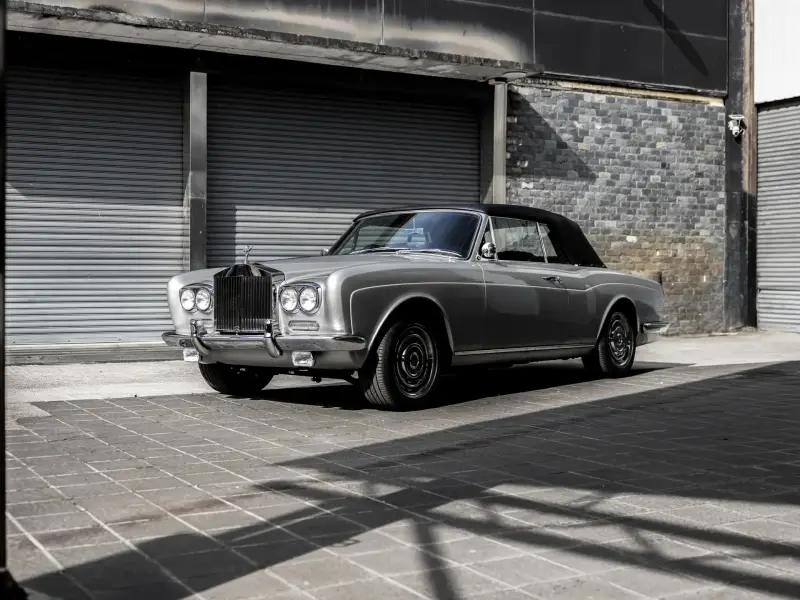
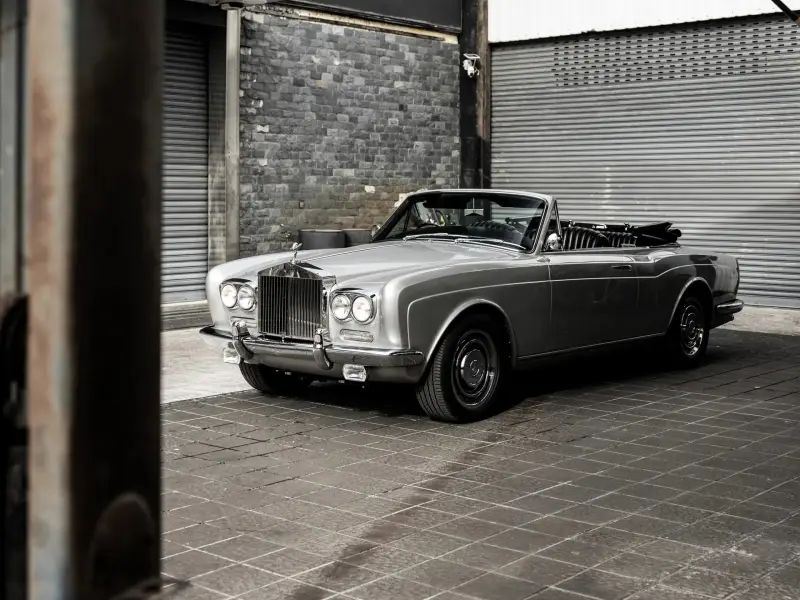
RR05 keeps the mechanical heart of a 1979 Rolls-Royce Corniche Drophead Coupé while reshaping nearly every visual cue around it. The result is a London-based convertible listed for sale through RM Sotheby’s, conceived as both a usable grand tourer and a carefully composed design piece. That combination puts the car in a familiar restomod debate: how far can a builder revise a classic before the original character starts to recede?
The car is one of 72 Corniches transformed by Belgian-born designer and artist Jay Ahr at his Hong Kong-based Atelier Mécanique. Known as RR05, it belongs to Ahrsenal, a program that brings artisans, engineers, mechanics, historians and designers together to reinterpret high-end objects with a strong visual history. Each Corniche transformation takes more than a year, with work extending from mechanical systems to the smallest cabin and body details. That duration suggests a process built around decisions about the whole object, rather than a quick change of trim and paint.
Classic proportions, cleaner detailing
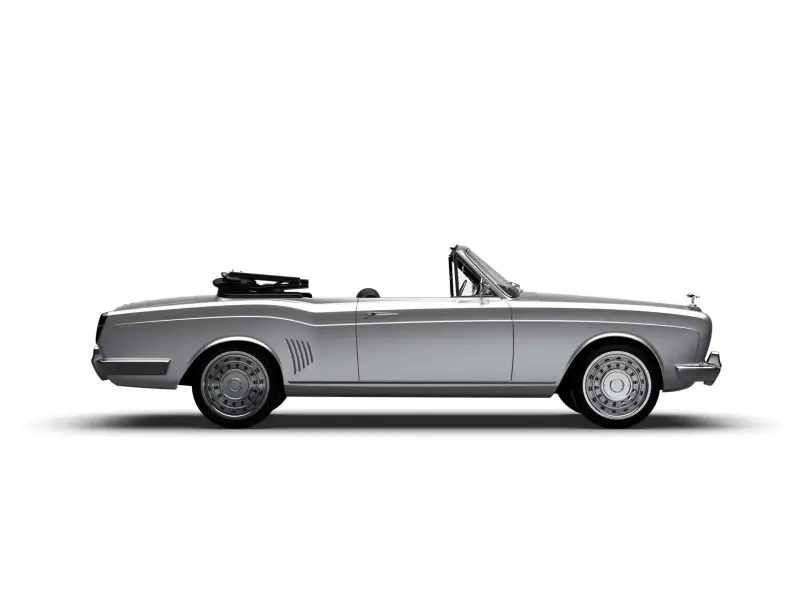
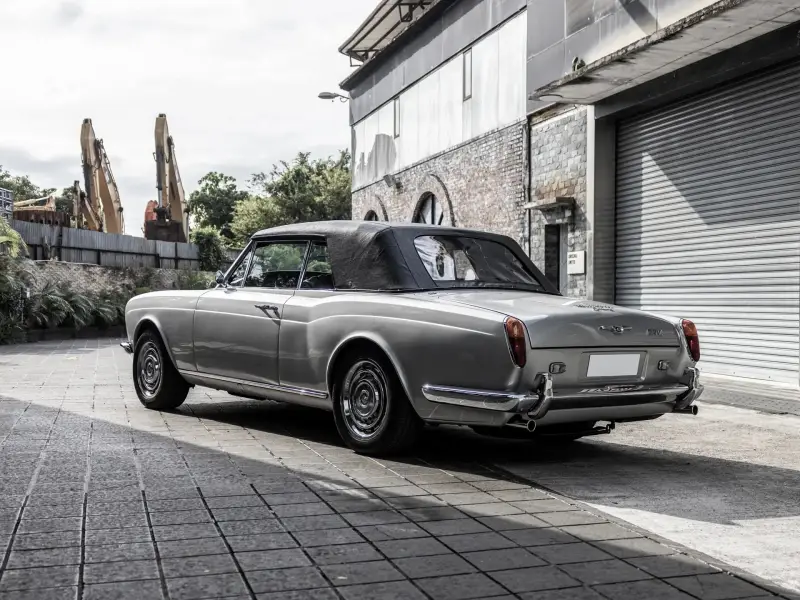
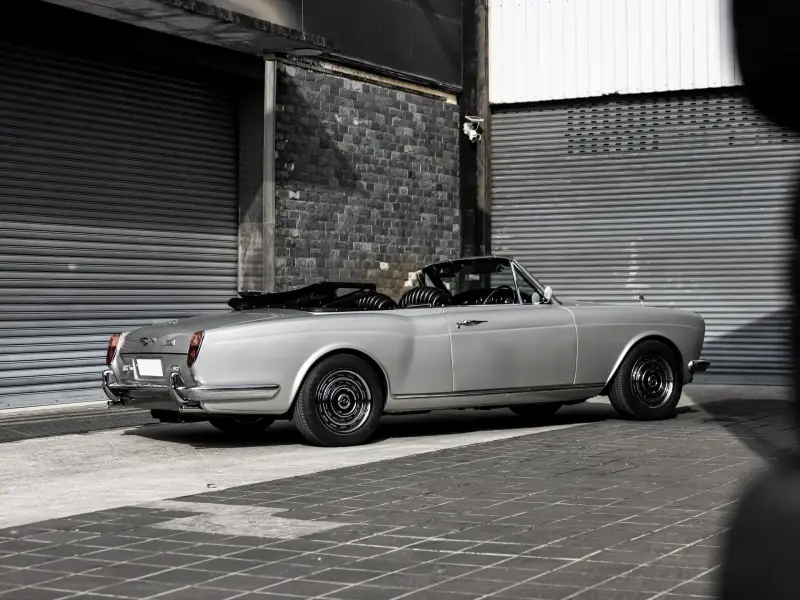
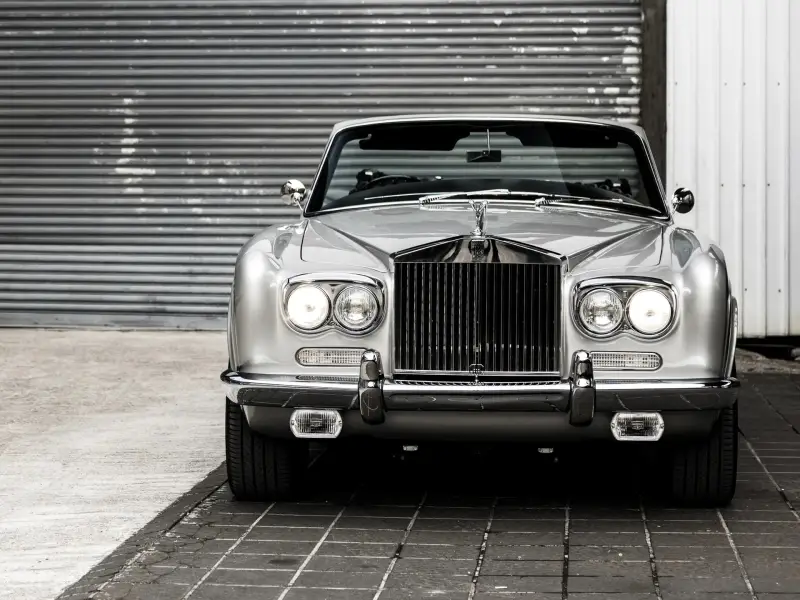
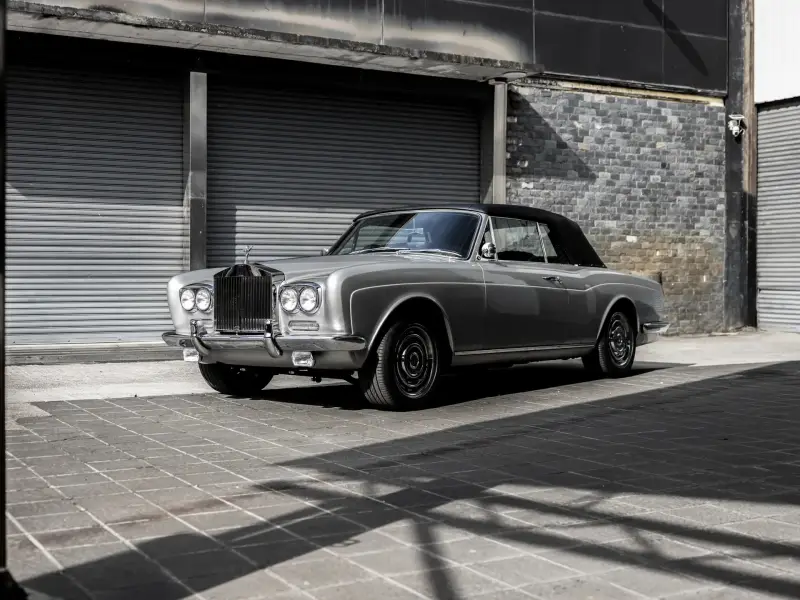
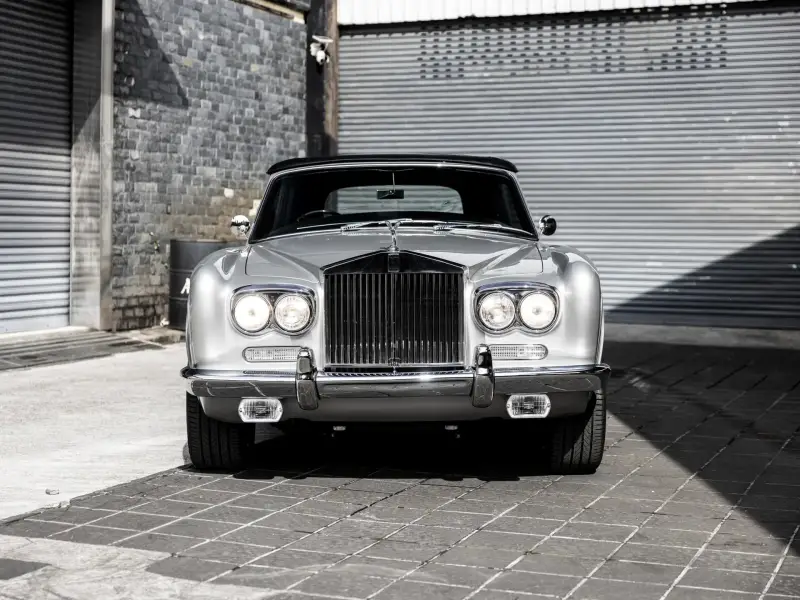
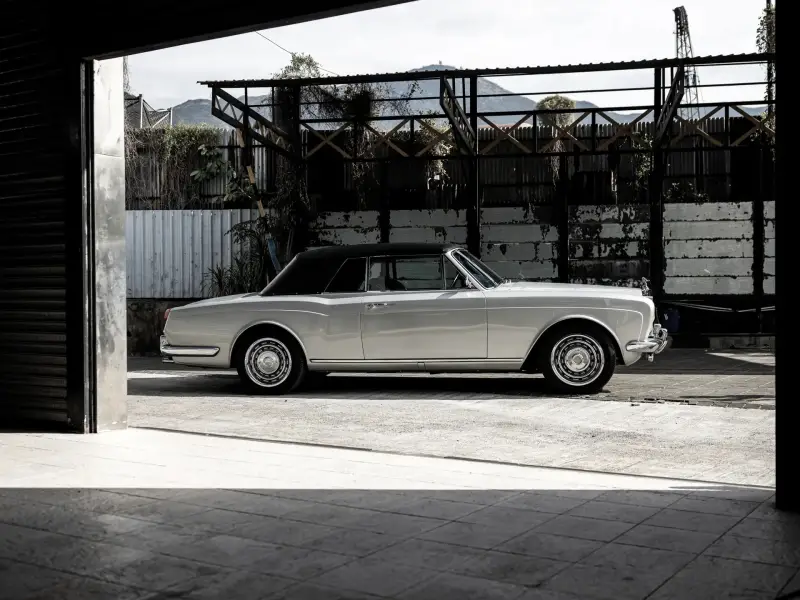
RR05’s redesign starts with restraint. The familiar Corniche proportions remain, but the body has been resculpted to give the convertible a more contemporary profile. Layered paint adds depth and luminosity, while redesigned exterior branding, integrated side indicators, revised parking lights and new mirrors tidy up details around the body. These changes work at different scales: the paint affects how the broad surfaces read, while the lighting and mirrors sharpen the smaller transitions.
One telling choice is what the car leaves off: unlike other Ahrsenal examples, RR05 has no bonnet louvres. That gives the front end a smoother, less visually busy treatment. It’s a small alteration, but on a car whose identity depends on formal lines and carefully balanced surfaces, details like this shape the whole impression. Restraint can be harder to judge than added ornament; there’s less to distract the eye, so the quality of the underlying proportions has to carry more weight.
A cockpit shaped around materials
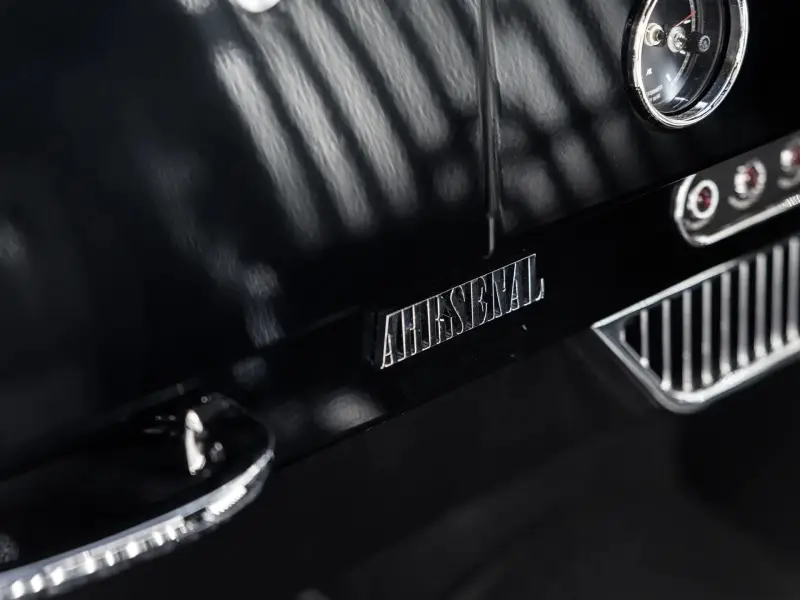
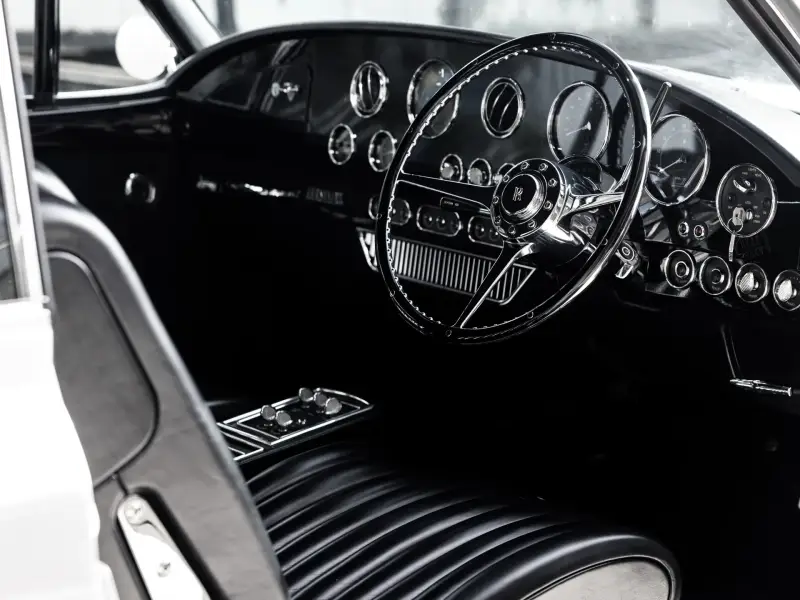
Inside, the Cockpit Act III concept covers the cabin in black leather and pares the seats into a lighter, more sculptural form. Modernized instrumentation sits within a Japanese lacquer dashboard, setting polished surfaces against the leather. The design draws on Jean Prouvé, Michel Boyer, Pierre Paulin and Ubald Klug, bringing references from furniture and architecture into the Corniche’s cockpit. Those references make the cabin feel like a designed interior, not simply a retrimmed version of the original.
The contrast between lacquer and leather is doing more than adding visual drama. It gives the dashboard a different role in the cabin, making it a focal surface rather than a background for the instruments. The seats, meanwhile, appear intended to reduce visual mass while keeping the interior’s hand-finished character in view. There’s a risk in this kind of approach: a polished concept can read as a showroom exercise if it loses sight of how a driver and passenger actually use the space.
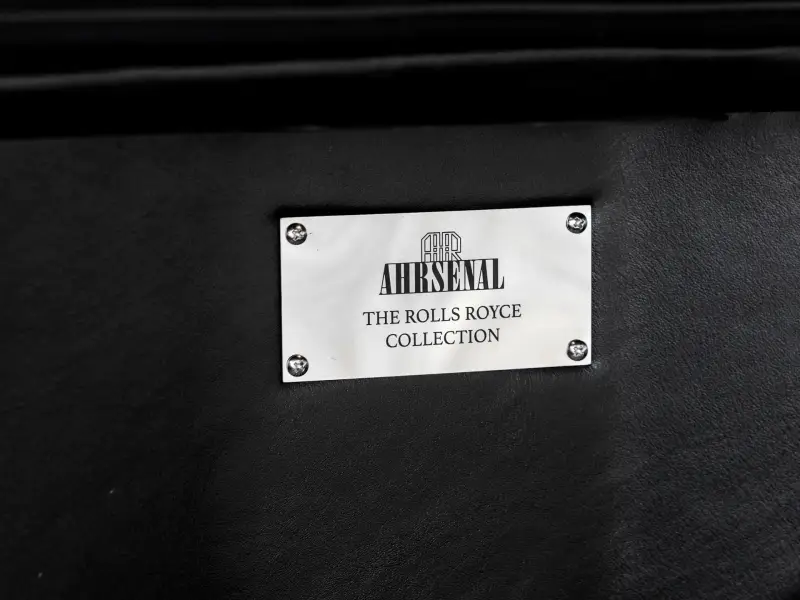
The luggage compartment gets the same attention as the passenger space. Its interior is fully leather-lined and protected by vertical aluminum bars. A bespoke embroidered Jay Ahr leather imprint on the trunk lid carries the couture influence through to an area that many restorations leave comparatively plain. The result treats storage as part of the finished design rather than an afterthought. And this is the part most people overlook: detailing a hidden area makes the build feel resolved even when the car is standing still.
Original powertrain, restored and upgraded
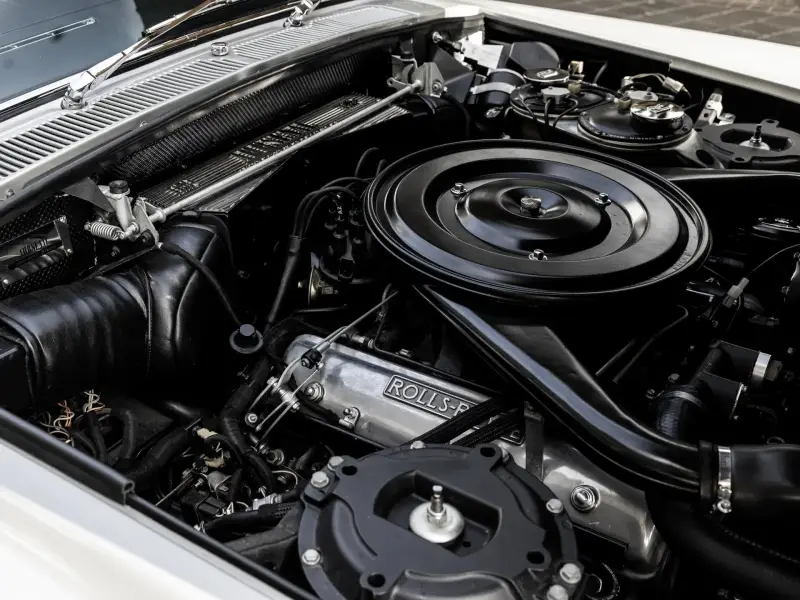
Under the bonnet is the period-correct 6.75-litre Rolls-Royce V-8, estimated to produce approximately 250 horsepower, paired with a three-speed automatic transmission. RR05 retains its original powertrain configuration, while its mechanical components have been restored and upgraded with reliability in mind. The stated figures give a broad sense of the car’s character, but they don’t describe how it behaves under load or how the upgrades were carried out.
That distinction matters. A restomod can replace the character of an older car along with its worn parts; RR05 instead keeps the factory engine and transmission arrangement as the foundation of the build. The available details don’t specify individual component changes or test results, so the practical picture rests on the stated restoration and upgrades. If you're considering a car built this way, service records and a hands-on inspection matter more than a general claim of reliability. The mechanical story needs to stand on its own.
A Corniche with its own design language
Originally built to UK home-market specifications, RR05 is now located in London. Its appeal lies in the tension between continuity and reinvention: the big V-8 and three-speed automatic preserve the familiar mechanical layout, while the reshaped exterior, lacquered dashboard and detailed leatherwork give this individual car a distinct identity. The effect depends on the parts working together. A bespoke interior alone would tell only part of the story; here, the body treatment and retained drivetrain reinforce the same argument about preserving a recognizable base while changing its presentation.
Rather than disguise the Corniche’s origins, Jay Ahr’s approach uses them as the starting point. The proportions still read as a classic Rolls-Royce convertible, yet the reduced exterior clutter and sculptural cabin shift the car toward bespoke design. RR05 is a particularly considered take on the grand touring Corniche, with its restored original configuration giving the visual transformation a mechanical anchor. This is more significant than it looks: the project’s central claim rests on keeping the car legible as a Corniche while making its details unmistakably specific to this build.
What RR05 says about bespoke classics
Projects like RR05 sit between restoration and personal expression. A conventional restoration tends to make preservation its clearest measure, while a bespoke conversion asks whether new materials and styling can add meaning without erasing the original car’s identity. Neither aim is automatically superior. The useful question is whether the changes feel coherent and whether the underlying car remains understood as a machine, not just an interior and exterior composition.
That said, the listing details leave some practical questions open. The build is described as mechanically restored and upgraded, but the information here doesn’t itemize that work or establish how the car performs in regular use. For an enthusiast, that gap doesn’t cancel the design achievement; it sets the boundary of what can be judged from a description. RR05 makes a persuasive case for careful customization, with the caveat that its long-term appeal will depend on the quality of the work behind the presentation. A thoughtful design. A mechanical story still to inspect.