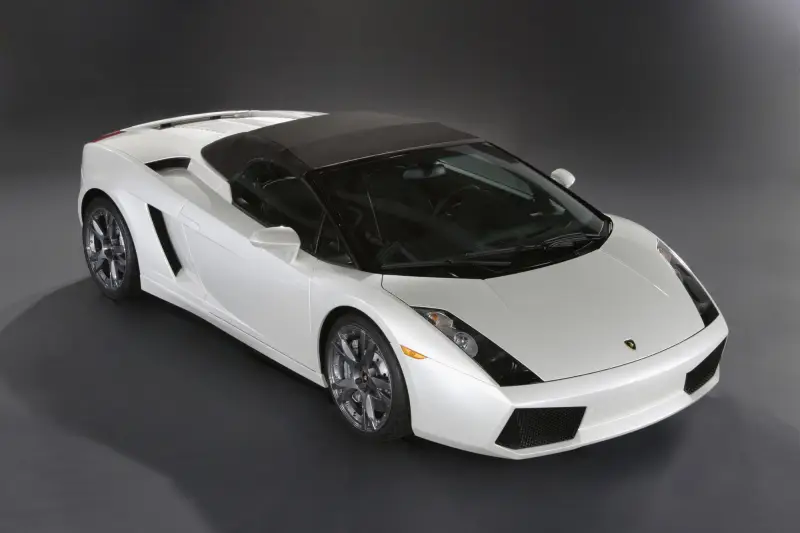
Lamborghini Gallardo Spyder: The V10 Convertible That Became a Mainstay
Launched in 2006, the Gallardo Spyder paired a 520 CV V10 with a quick folding roof and chassis changes built for open-air driving.
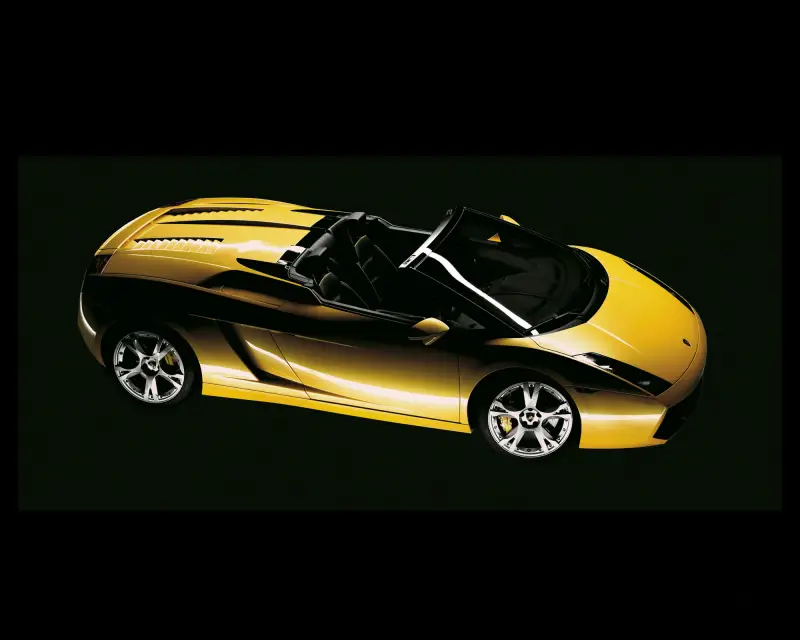
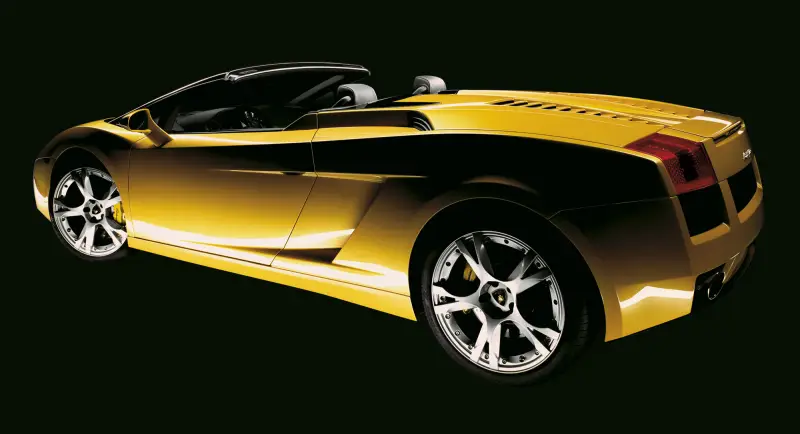
The Gallardo Spyder helped make the open-top Lamborghini a regular part of the marque’s compact supercar range. Launched in 2006 after its unveiling at the 2005 Frankfurt Motor Show, it brought a naturally aspirated V10, a fully automatic fabric roof and chassis revisions developed for roof-down driving. That combination gave the convertible its own engineering character alongside the Gallardo coupé.
Its mechanical recipe was unusually direct: a 4,961 cc V10 producing 520 CV at 8,000 rpm, paired with a choice of six-speed manual or six-speed e-gear automated transmission. Lamborghini quoted 0–100 km/h in 4.3 seconds and a maximum speed of 314 km/h with the roof shut, or 307 km/h with it lowered. The figures make clear that opening the cabin came with a small change in claimed top speed, while the car kept the core performance of the Gallardo intact.

Chassis changes for open-air driving
Removing a fixed roof changes the structure and the way a car responds, so the Spyder’s differences went beyond its folding top. Compared with early Gallardo coupés, it received steering described as 20% more direct, stiffer suspension springs and revised transmission ratios. Those changes shaped the car’s response as well as its power delivery, giving the Spyder a setup tailored to its own body configuration.
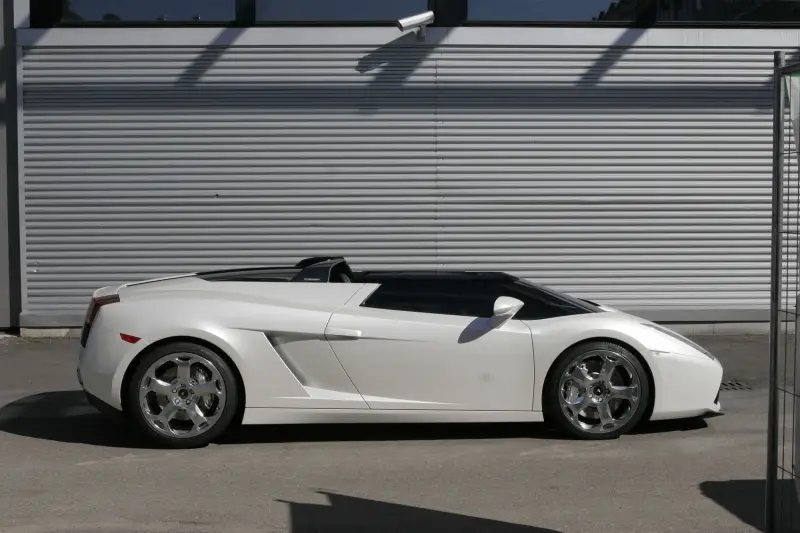
The six-speed manual offered a conventional, driver-operated connection to the V10, while e-gear provided an automated six-speed option. An exhaust bypass system amplified the engine’s sound at higher engine speeds, bringing more of the naturally aspirated V10’s character into the cabin. Together, the transmission choices and exhaust feature made the Spyder’s appeal about more than acceleration figures: the way it delivered power and sound was part of the experience.
A roof designed to work with the car
The electro-hydraulic fabric roof took approximately 20 seconds to open or close. During operation, the engine cover lifted to make room for the roof mechanism, a distinctive piece of packaging that integrated the convertible system into the rear of the car. An electric rear window operated independently, so drivers could adjust cabin airflow or lower the glass to hear the V10 while keeping the roof raised.
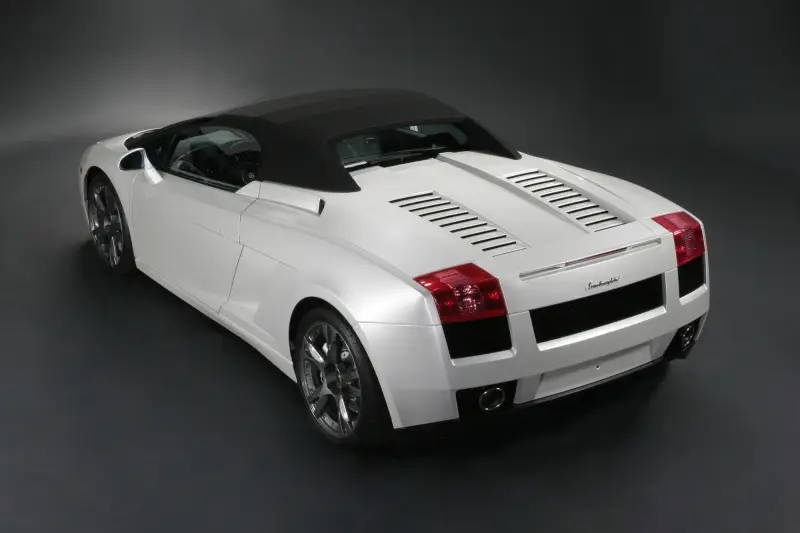
That separate rear window gave the Spyder a useful middle ground between a sealed cabin and full open-air running. The roof mechanism also made convertible operation a routine part of using the car, rather than a manual task. For Lamborghini, the Spyder marked a step toward treating a powered soft top as a standard element of its compact supercar offering.

Personalization expanded through the Privilegio program, which offered special paint finishes and equipment. The program gave buyers further ways to specify the car while keeping its underlying mechanical package familiar. The available details show a model designed to combine the Gallardo’s performance hardware with the added choice and flexibility expected of an open-top flagship.
From the Silhouette to the Gallardo
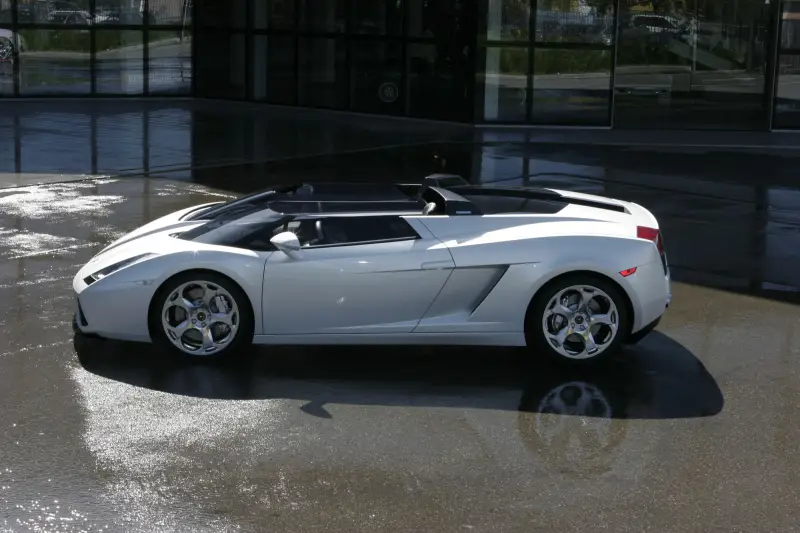
Lamborghini’s open-top history reached back to the Silhouette, a targa-roof sports car unveiled at the 1976 Geneva Motor Show. The Jalpa followed, along with open-top versions of the Diablo and Murciélago. The Gallardo Spyder continued that thread, but its fully automatic fabric roof brought a different kind of convenience to the compact supercar line.

Before the production Spyder, the Gallardo-based Concept S explored an open cockpit through a dramatic split-cockpit layout. Developed under Luc Donckerwolke, the concept treated the cabin as a bold design statement. The production car, created under Walter de’ Silva’s design supervision, took a more conventional approach. It retained the coupé’s angular styling and proportions while adding a roof system intended for everyday operation.

More power in later Spyder versions
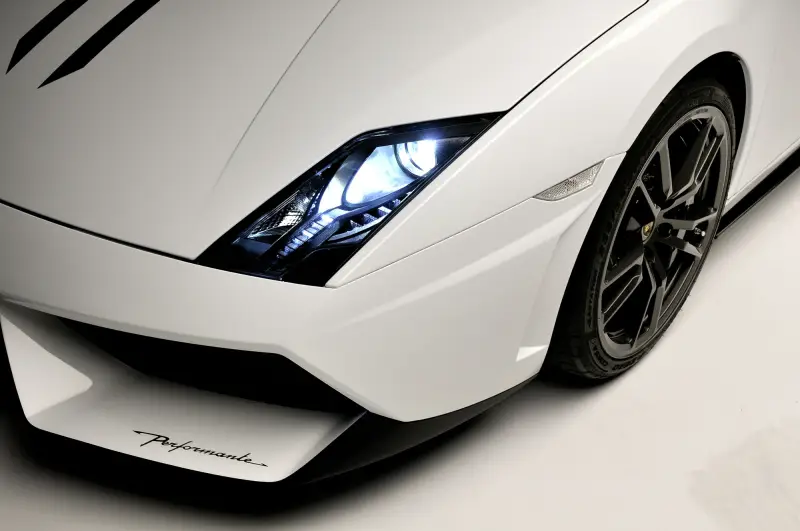
The Spyder’s development continued with the 2008 LP 560-4, which introduced a 5.2-liter direct-injection V10 producing 560 CV. In 2010, the LP 570-4 Spyder Performante added carbon fiber and shed approximately 65 kg compared with the standard model, bringing its quoted weight to 1,485 kg. Its 570 CV engine was paired with a claimed maximum speed of 324 km/h.

The lighter Performante shows how Lamborghini pushed the Spyder formula beyond a simple roof variation. Reducing weight with additional carbon fiber addressed the extra demands of a convertible body, while the stronger engine raised the performance ceiling. The 2012 Edizione Tecnica brought further aerodynamic and chassis refinements, extending the model’s evolution with changes to both its appearance and its running gear.

Two decades after its market launch, the Gallardo Spyder stands as an important chapter in Lamborghini’s modern open-top history. It joined a naturally aspirated V10 and manual transmission option with a roof that operated in approximately 20 seconds, then developed through lighter and more powerful versions. The formula carried on into the Huracán Spyder, leaving the Gallardo as the model that established the convertible as a lasting part of Lamborghini’s V10 supercar family.

Original Gallardo Spyder specifications
| Unveiled | 2005 Frankfurt Motor Show |
| Market launch | 2006 |
| Engine | 4,961 cc V10 |
| Power | 520 CV at 8,000 rpm |
| 0–100 km/h | 4.3 seconds |
| Top speed, roof closed | 314 km/h |
| Top speed, roof open | 307 km/h |
| Roof operation | Approximately 20 seconds |
| Transmissions | Six-speed manual; six-speed e-gear |
| LP 560-4 Spyder | 2008; 560 CV |
| LP 570-4 Spyder Performante | 2010; 570 CV |
| Performante weight | 1,485 kg |
| Performante top speed | 324 km/h |
| Edizione Tecnica | 2012 |