Gardena’s Japanese Car Legacy: Datsun, the 240Z and South Bay Project Cars
From Toyota’s early U.S. sales to Datsun’s BRE titles, Gardena helped shape Japanese car culture—and still turns up project cars today.
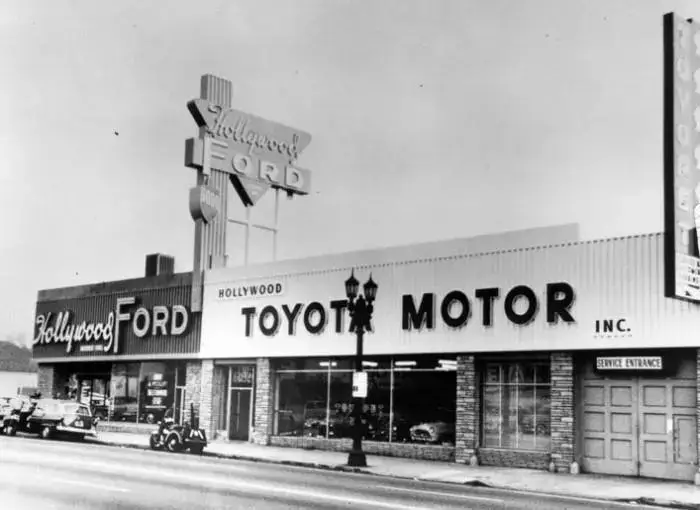
Gardena’s place in Japanese car history is measured in more than office addresses. The South Bay gave Toyota, Honda and Nissan a base for building their American businesses, while Datsun’s 240Z and 510 brought that presence onto roads and racetracks. Nissan moved its American headquarters out of Gardena in 2006, ending a run that began in 1960. The offices moved on; the cars and the stories around them stayed.
Three early footholds in Southern California
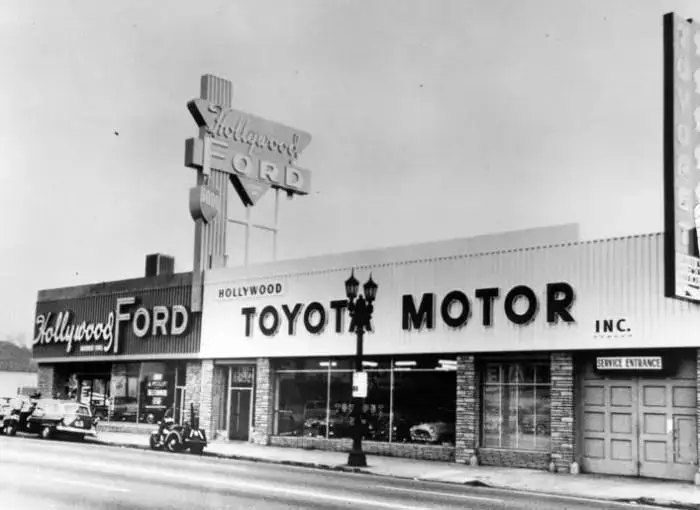
Toyota Motor Sales, USA began on October 31, 1957, in a former Rambler dealership in Hollywood. Its first year in the U.S. market was modest: in 1958, Toyota sold 287 Toyopet Crowns and one Land Cruiser. Those numbers mark a small start for a company that would later establish a major sales and marketing base in the South Bay.
American Honda Co. followed on June 11, 1959, as Honda’s first subsidiary outside Japan. It opened in Los Angeles with three employees and $250,000 in capital, selling motorcycles from a storefront at 4077 West Pico Boulevard. Growth brought a move south in September 1963, to larger premises at 100 West Alondra Boulevard in Gardena.
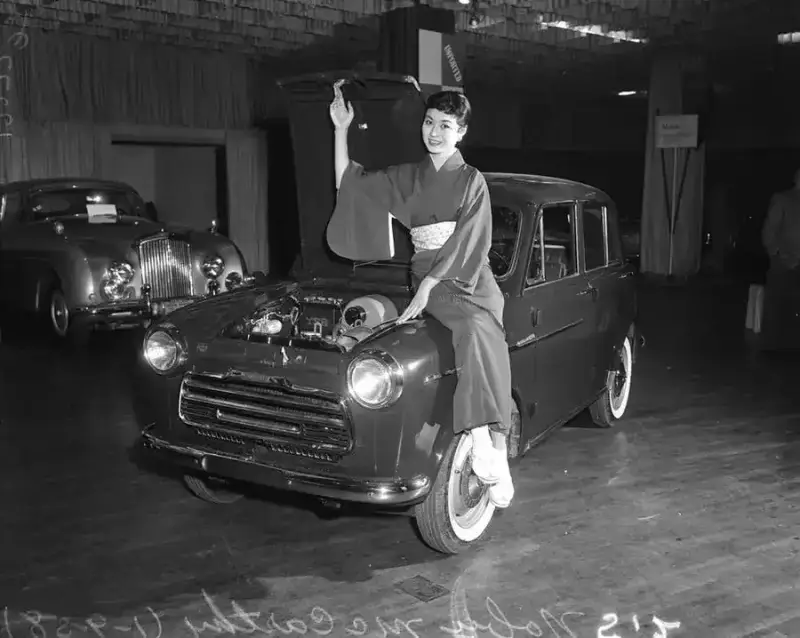
Nissan had arrived in 1960, establishing Nissan Motor Corporation USA in the area. New York had been considered for the company’s American headquarters, but Yutaka Katayama argued for Los Angeles, where he understood the regional car markets. The headquarters took root in Gardena, and the Nissan campus later grew around 190th Street and South Figueroa Street.
Mr. K shaped Datsun’s American character
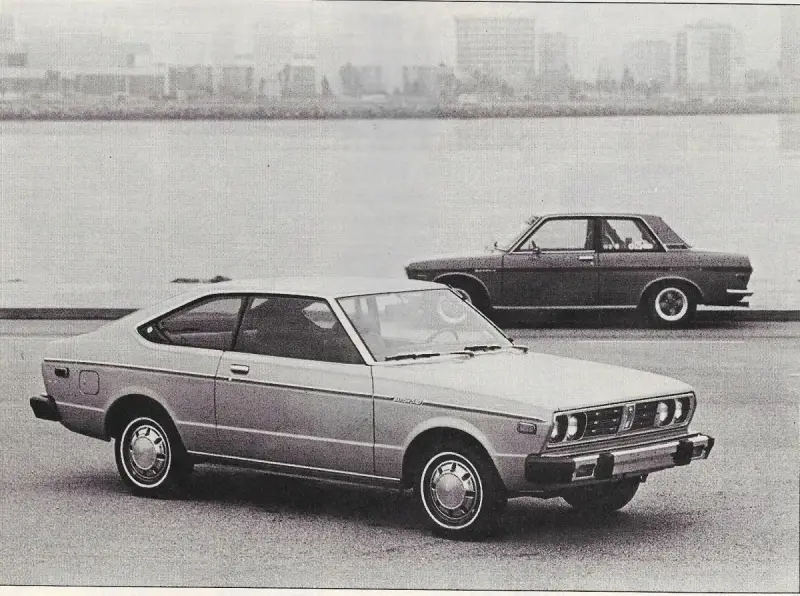
Katayama, widely known as “Mr. K,” joined Nissan Motor Corporation USA as vice president in 1960 and became its president in 1965. His influence was especially visible in the push for sportier Datsuns. The 1968 Datsun 510 paired a 1.6-liter engine with a compact car suited to American roads. Two years later came the 240Z, powered by a 2.4-liter inline six rated at 151 hp.
In Japan, the sports car carried the Fairlady Z name. In the U.S., “240Z” made the engine size part of the pitch, giving buyers a quick sense of what sat under the hood. The combination of a six-cylinder engine and sports-car proportions helped Datsun establish a performance identity alongside its more practical offerings.
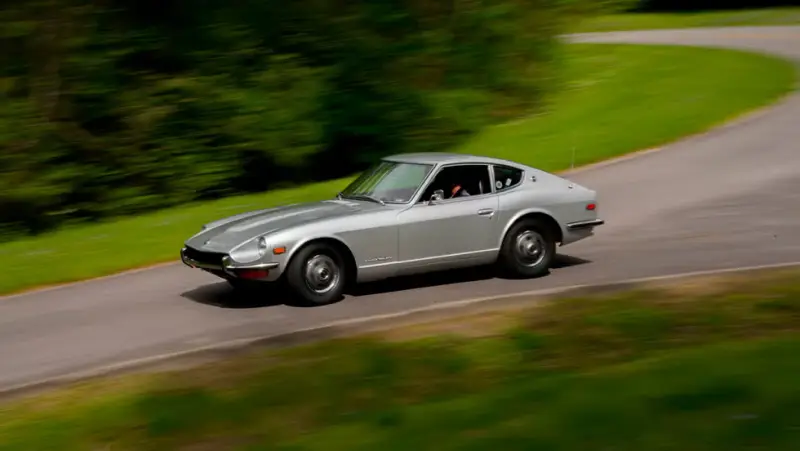
That identity also gained traction on the track. Peter Brock’s Southern California-based Brock Racing Enterprises (BRE) had first been contracted by Toyota in 1968 to prepare two 2000GT race cars, though those cars ultimately went to Carroll Shelby. Brock then approached Datsun, and BRE became the brand’s West Coast factory team.
With John Morton driving, BRE won the SCCA C Production national titles in 1970 and 1971 with the 240Z. The team also took the Trans-Am championships for cars under 2.5 liters in 1971 and 1972 with the 510. The results connected two very different Datsuns to competition success: the Z made its case as a sports car, while the 510 demonstrated the potential of a smaller sedan. Katayama retired in 1977, after helping establish the direction that made Datsun recognizable to American enthusiasts.
Headquarters shifted, but the cars remained
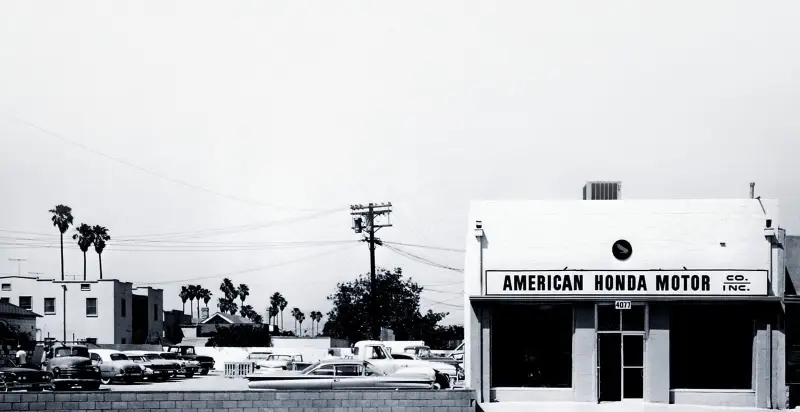
Honda was the first of the three to leave Gardena. In 1990, after 27 years there, American Honda moved to 1919 Torrance Boulevard in neighboring Torrance. Toyota had already opened its national sales and marketing headquarters in Torrance in 1982, giving the South Bay another major Japanese automaker base.
Nissan’s departure came later. In November 2005, CEO Carlos Ghosn said the North American headquarters, with nearly 1,300 jobs, would move from Gardena to the Nashville area. Lower operating costs were the main reason. Katayama, then 96, had written to Ghosn several weeks earlier to warn that leaving would harm the company he had helped build. Nissan went ahead with the move in 2006 and sold its 17-hectare (43-acre) campus.
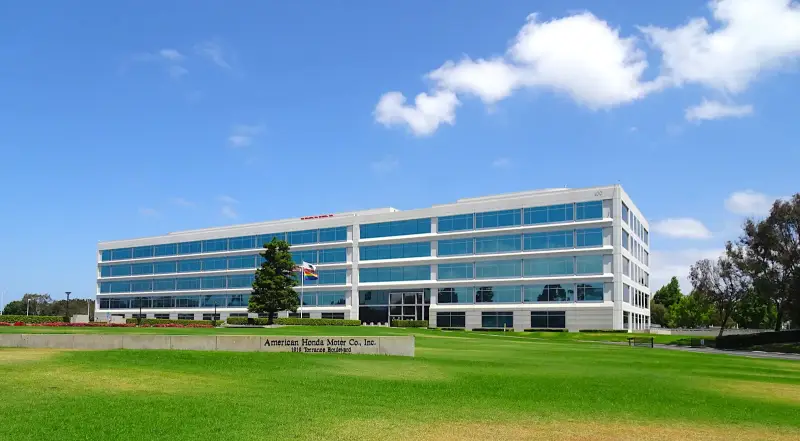
Toyota later made a similar move: by 2017, its operations had shifted from Torrance to Plano, Texas. A company’s headquarters can change with business priorities, but that doesn’t erase the local impact of the cars sold through Southern California dealers over several decades. For enthusiasts, the lasting connection sits in the vehicles themselves: their designs, mechanical specifications and competition histories.
Gardena’s project-car trail continues
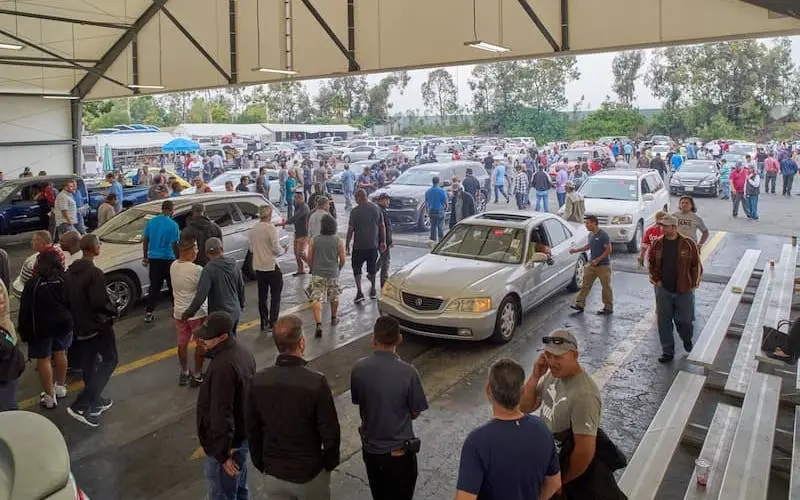
That connection still shows up in Gardena’s used-car supply. A Los Angeles, California, car auction yard at 18300 South Vermont Avenue sits a short drive from Nissan’s former campus. At the time reported, it listed more than 1,500 vehicles, including 251 Toyotas, 169 Hondas and 134 Nissans—the three makes most closely tied to the South Bay’s automotive history.
The yard is open to the public without a dealer license, and listings show damage descriptions and odometer status. Salvage titles substantially outnumber clean titles, so the stock is more naturally suited to parts hunting or a hands-on project than to finding a show-ready classic. For a prospective buyer, close photo checks help reveal what needs attention, while the car’s title and condition shape how practical the project will be. The listing details provide a starting point; the actual condition of an individual vehicle still deserves careful scrutiny.
Gardena’s story runs from Toyota’s early sales operation and Honda’s motorcycle storefront to Katayama’s Datsuns and BRE’s championship runs. Today, an old Nissan or Honda emerging from a local yard can add another chapter. The South Bay may no longer house the companies’ main offices, but its Japanese car legacy remains visible wherever those cars are repaired, driven or brought back to life.


