Chevron B19 Wins 2026 2 Tours d’Horloge After 505 Laps at Paul Ricard
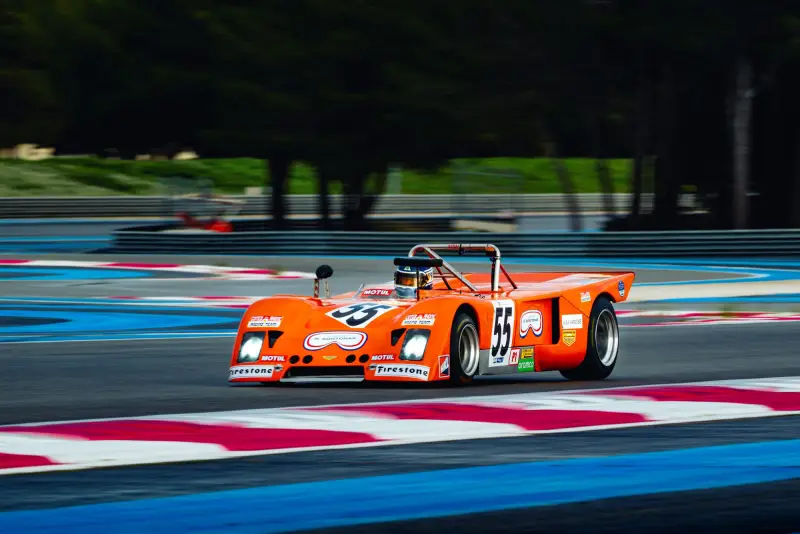
The No. 55 Chevron B19 won by 11 laps at Paul Ricard, while three Porsche 964 entries filled the next places overall.
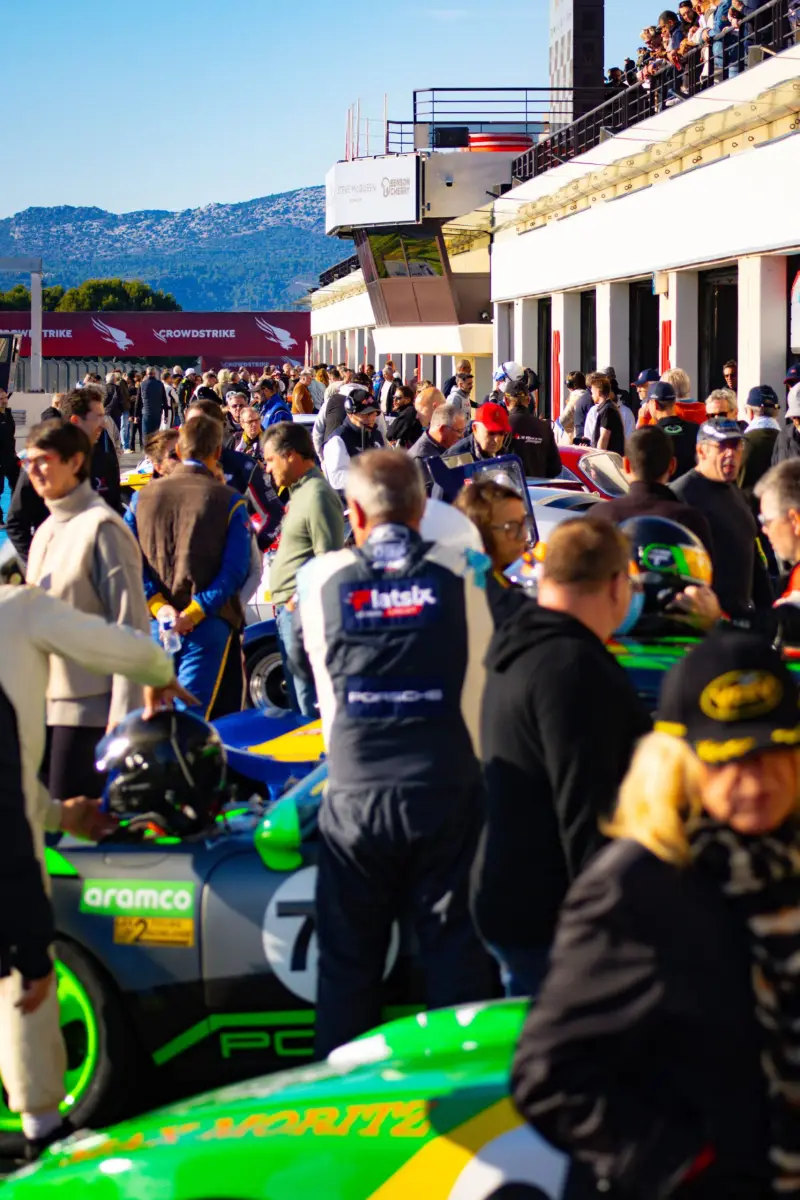
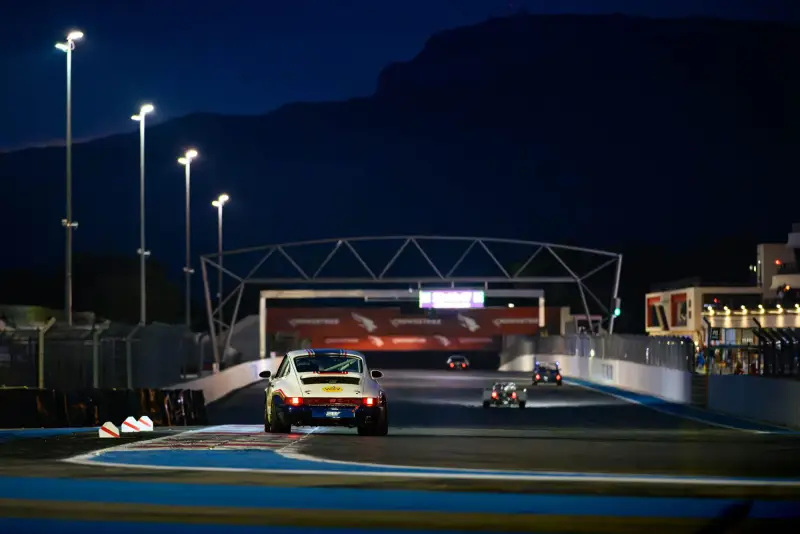
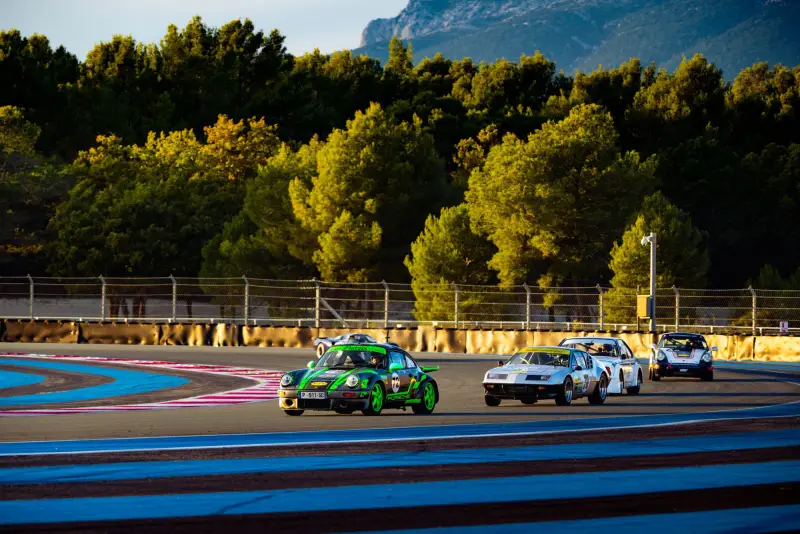
A 13-minute pit stop, four safety-car periods, a failed Porsche upright and rain on Sunday all tested the No. 55 Chevron B19. Côtes du Rhône Racing Team still brought it home 11 laps clear after 24 hours at Circuit Paul Ricard, with François Rivaz, Frank Stippler and Alexander Furiani completing 505 laps and approximately 2,940 kilometers in the November 7–8, 2026, 2 Tours d’Horloge.
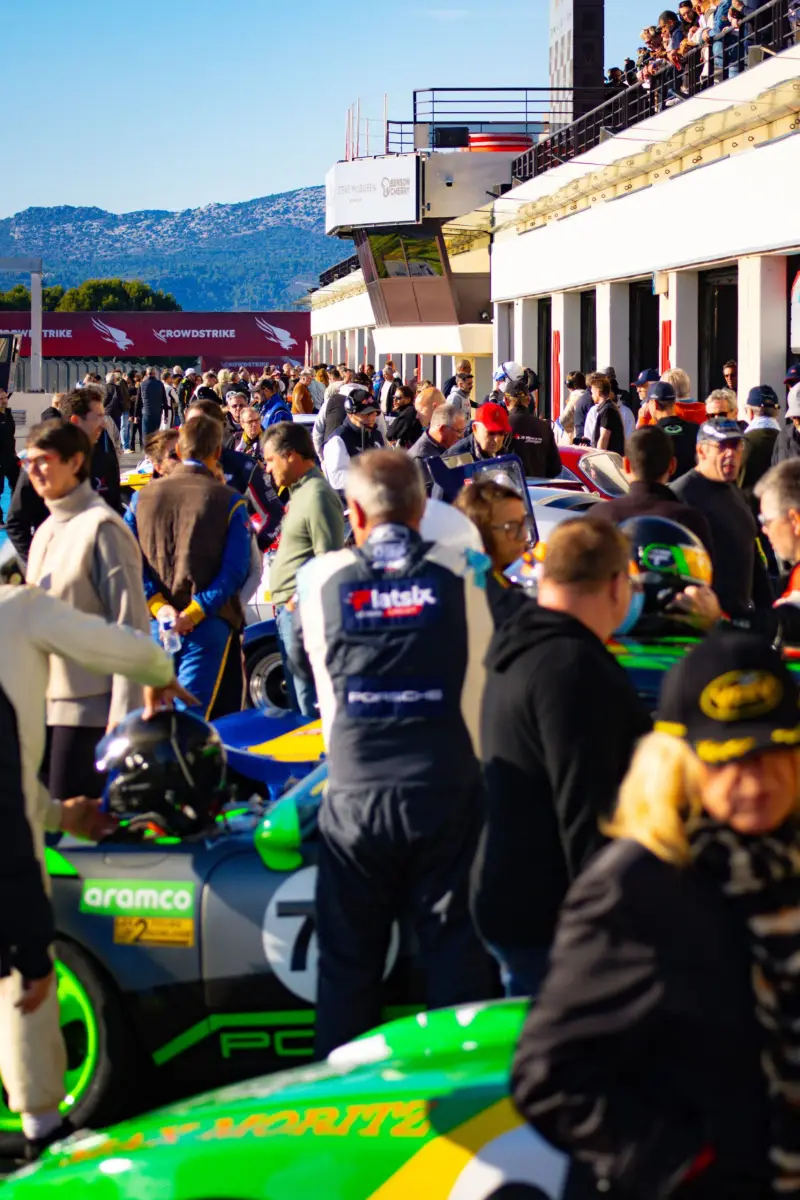
The result gave Chevron its seventh victory in the event and the first for the B19. The trio had finished seventh together in 2024 and second in 2025, making this their first win at the historic endurance race. The scale of the margin says plenty about the B19’s pace, but its path to the flag was defined just as much by keeping the car running through a long night and changing conditions.
Early interruptions, then a commanding lead
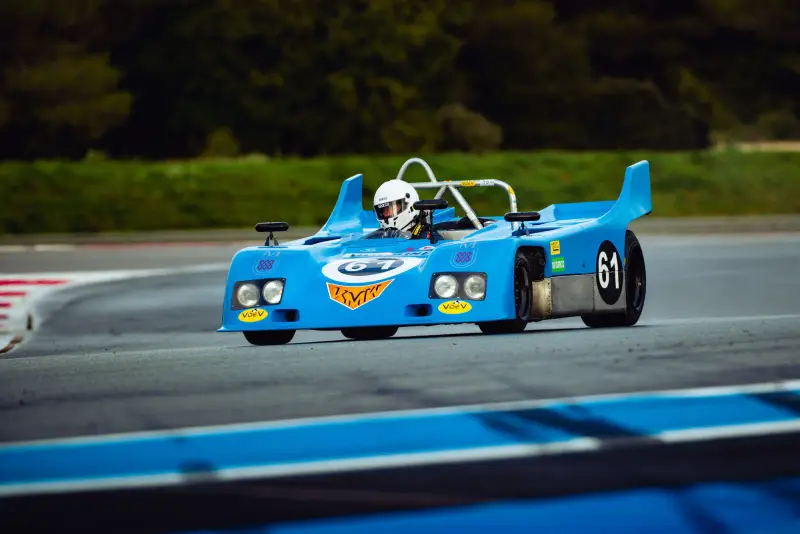
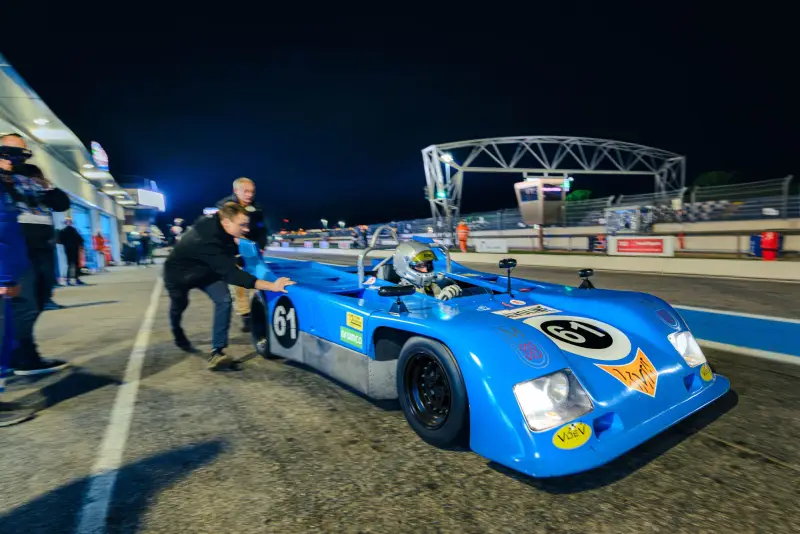
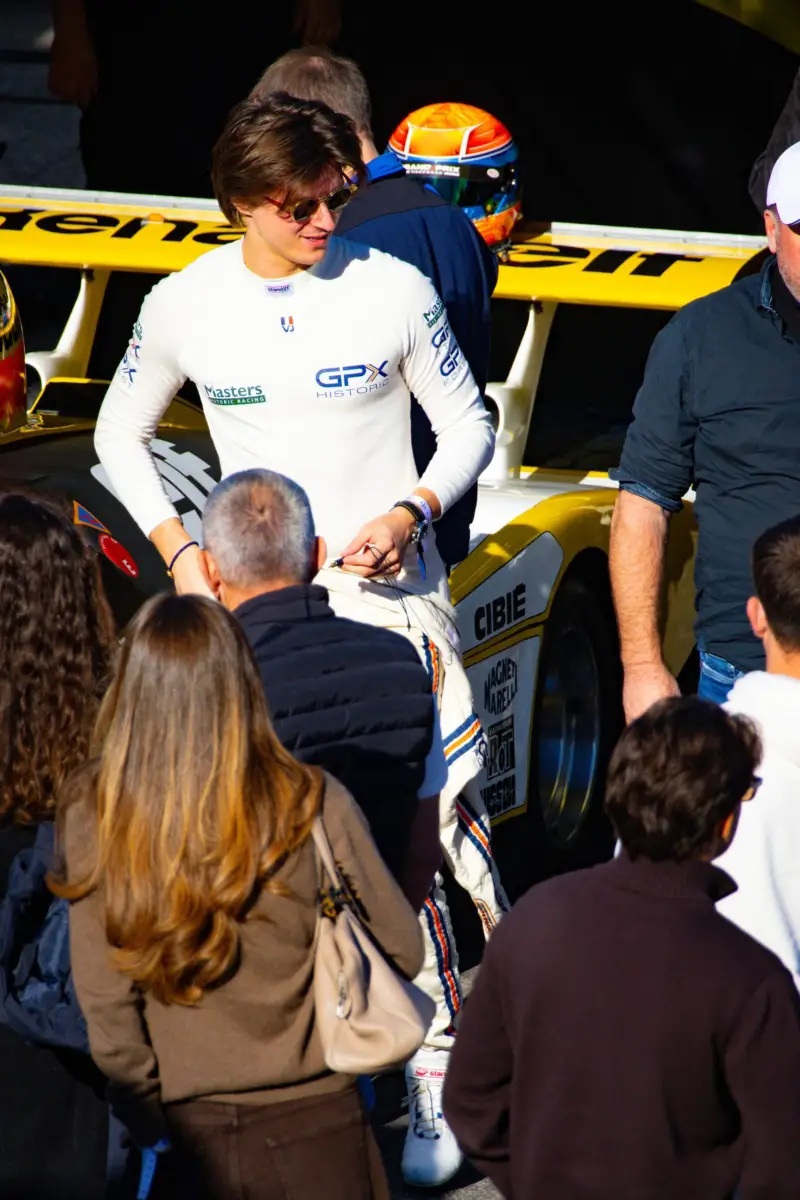
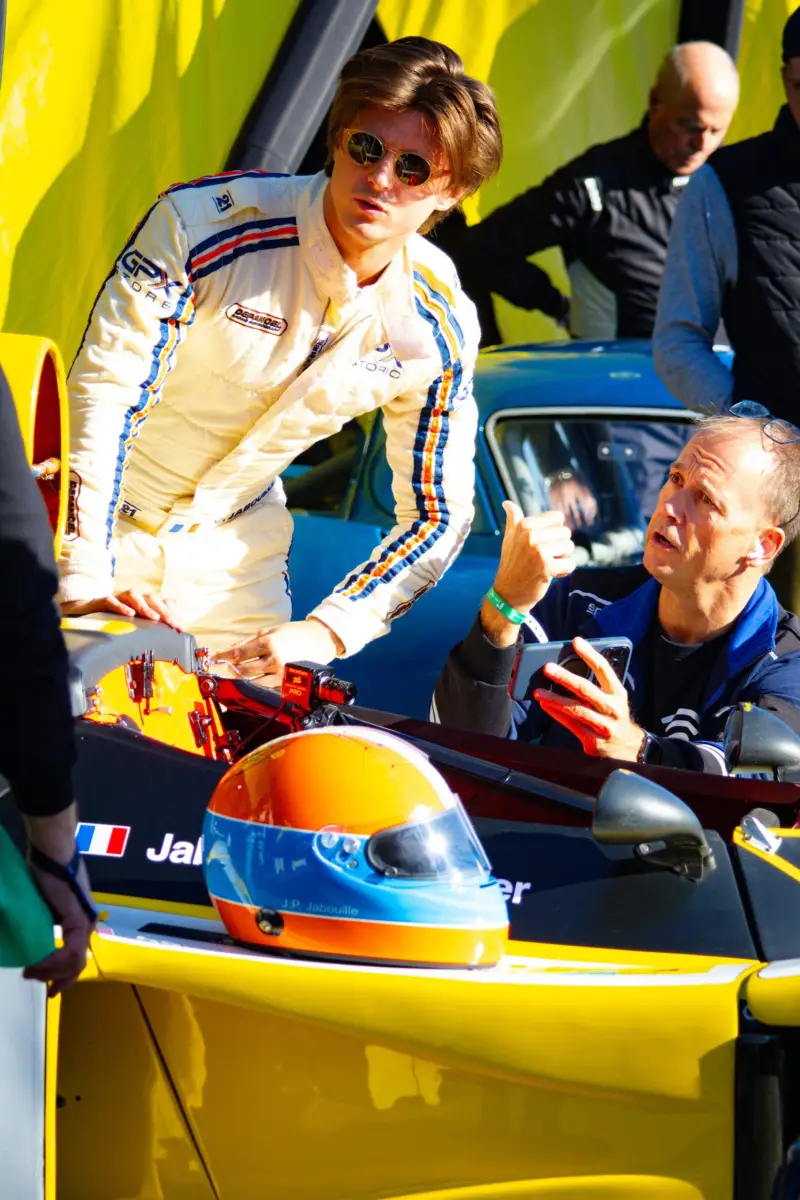
Alexander Furiani started from pole and established an early advantage over the No. 61 KMW Porsche SP30 and No. 28 Chevron B16. Four safety-car periods interrupted the opening four hours, compressing the field and complicating the first phase of the race.
A 13-minute stop briefly put the KMW Porsche in front. Frank Stippler reclaimed the lead, and the Porsche’s challenge then took a major hit in the seventh hour when it suffered a left-front upright failure. That mechanical problem removed the closest early pressure on the Chevron and opened the door for the B19 to build its cushion.
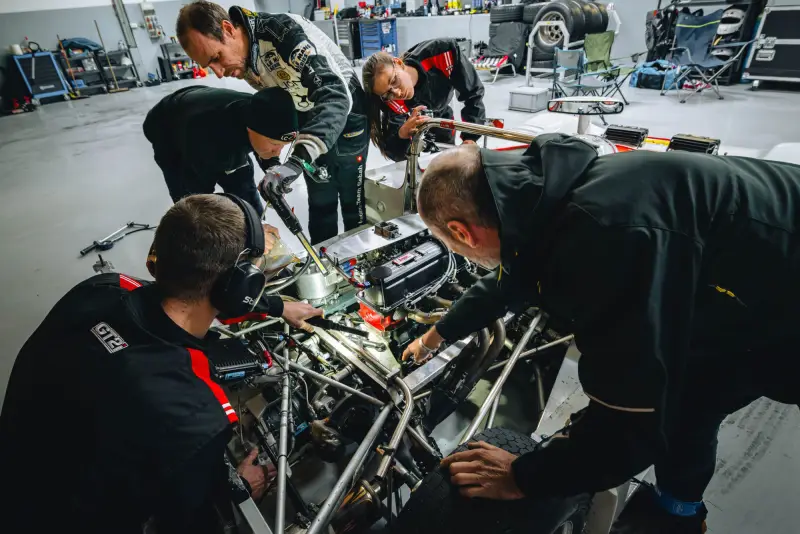
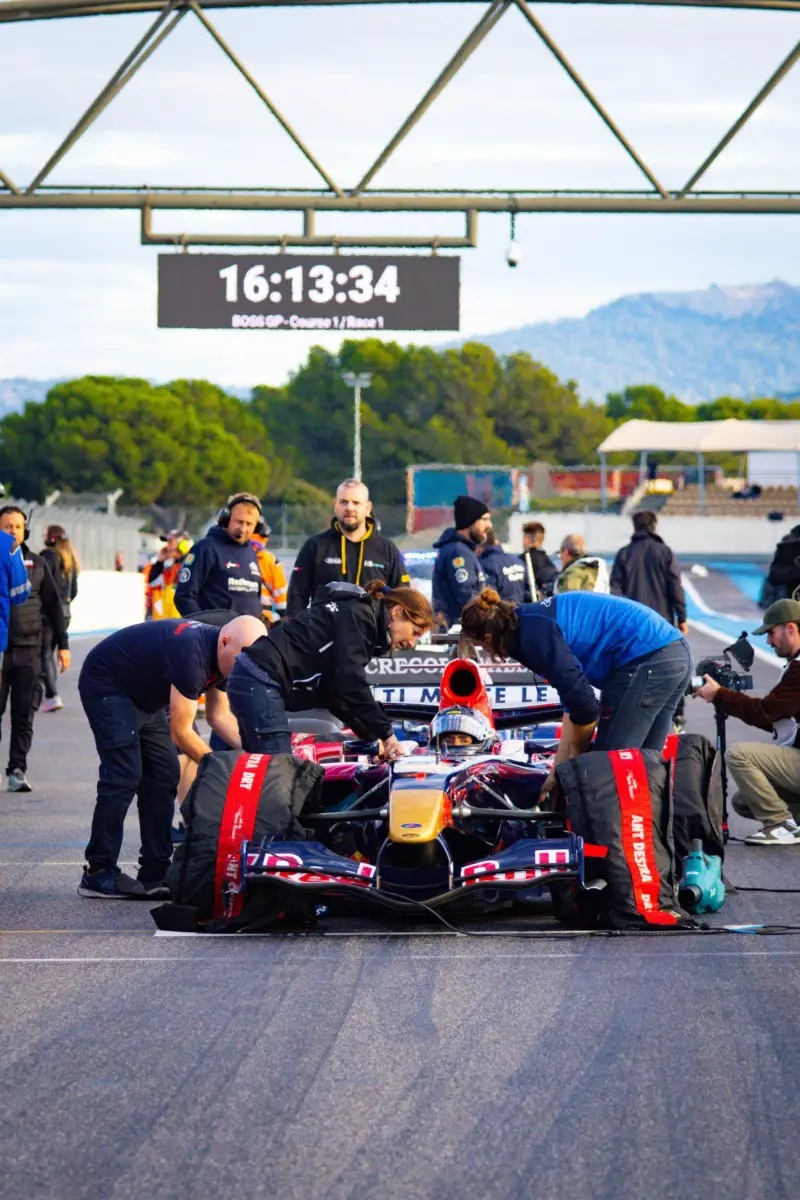
By midnight, the No. 55 had an eight-lap advantage. Holding that gap required measured running rather than a dash to the finish: Sunday brought rain, and the team still had to make a final ten-minute stop for brake pads, rear tires and an engine inspection. The ability to complete that service and return to the track without surrendering the lead turned a strong run into a race-winning one.
In a 24-hour event, a lead measured in laps can look comfortable, but it still depends on a car staying healthy and a crew making sound calls. The Chevron’s final service covered wear items and a check of the engine, a reminder that the end of a long race can demand careful inspection even when the advantage is substantial.
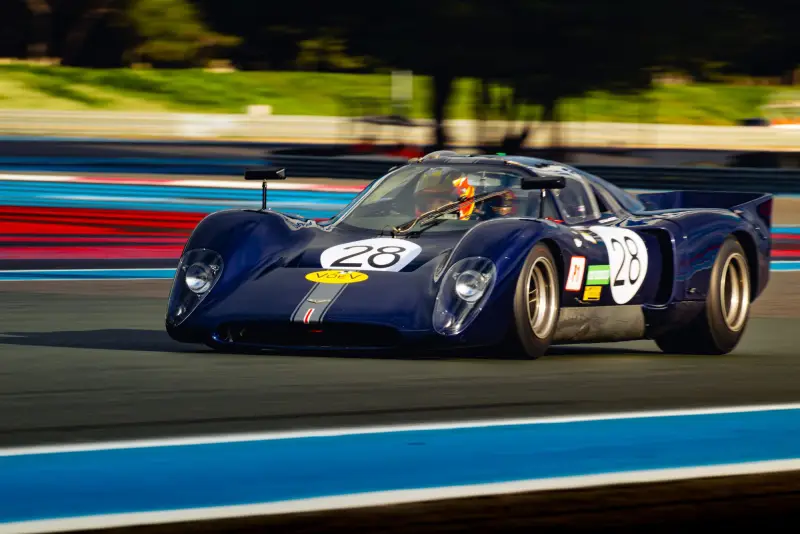
Porsche 964s take the next three places
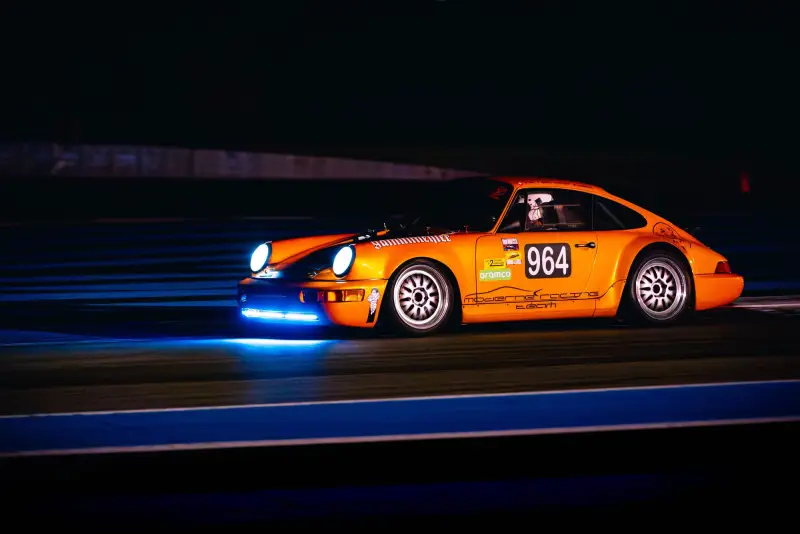
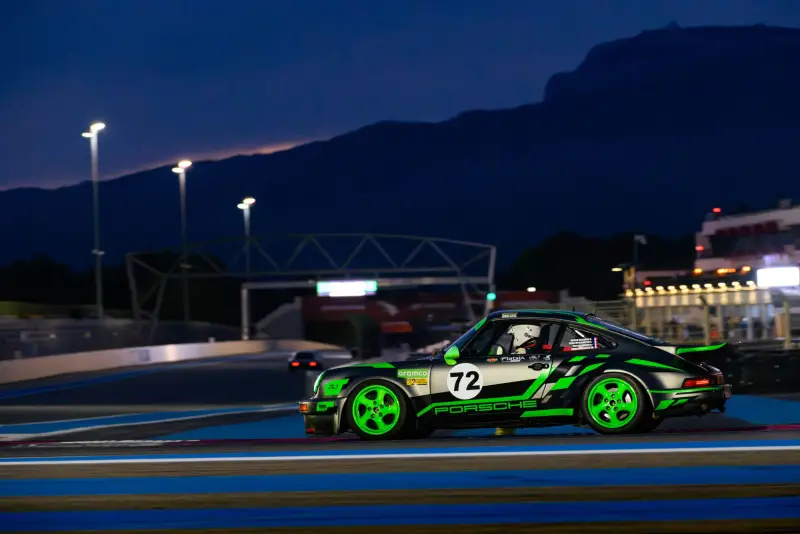
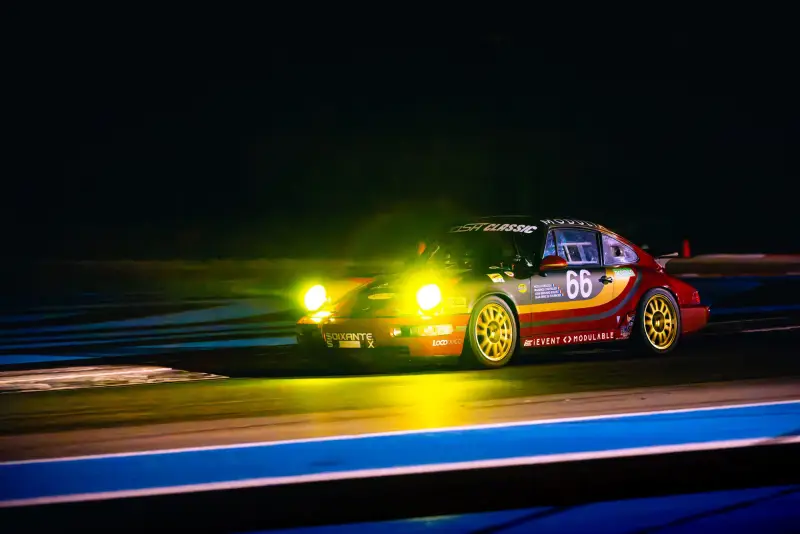
Team Zosh Classic’s No. 66 Porsche 964 finished second overall and won its class. Nicolas Beloou, Jean-René de Fournoux, Jean-Bernard Bouvet and Max Chatelier shared the car. Carzilla Racing Team’s No. 26 Porsche 964, driven by Philippe Burel, Patrick Bonnardel, Julien Briche and Rudy Burot, took third and completed an all-Porsche 964 sweep of the podium positions behind the Chevron.
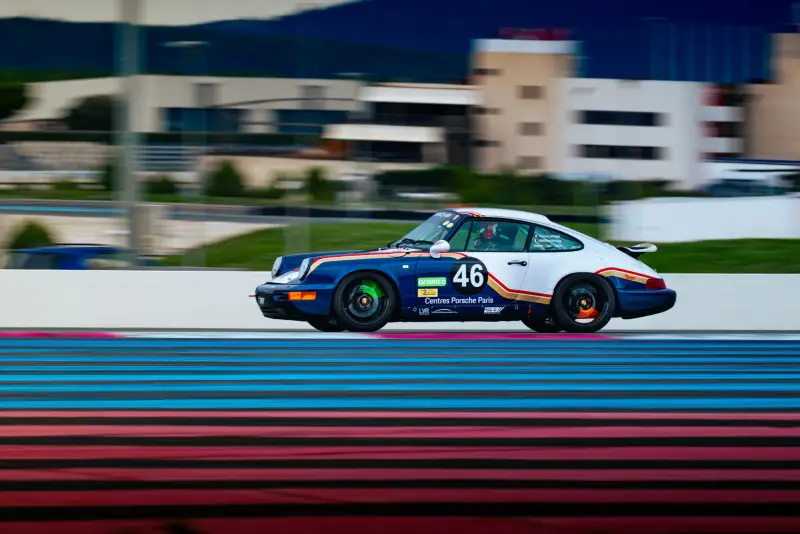
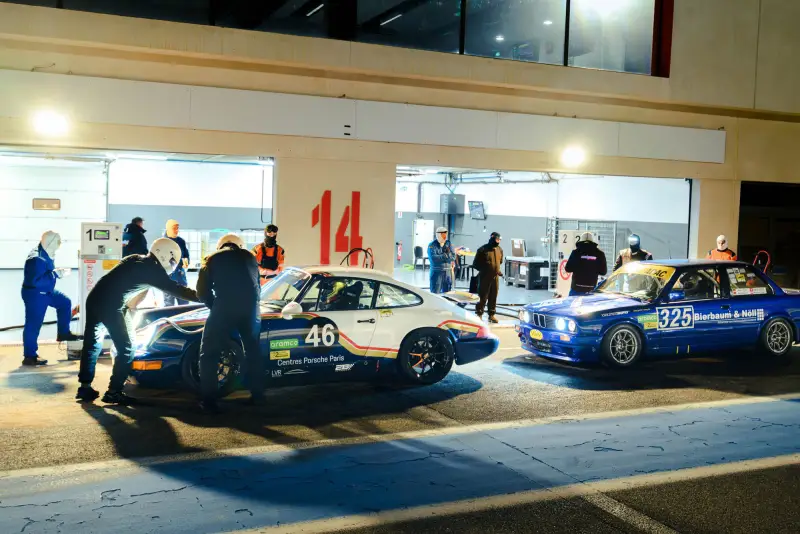
The strongest recovery came from 2B Autosport’s No. 46 Porsche 964 Cup. Gearbox repairs cost Hugues, Karl and Cesar Vandewoestyne and Florian Latorre approximately two hours, dropping the entry to 25th. They climbed back to fourth overall and finished just 25 seconds behind the third-place Porsche. That narrow gap made the recovery one of the race’s sharpest late stories: after losing so much time in the pits, the team came close to turning its comeback into a podium.
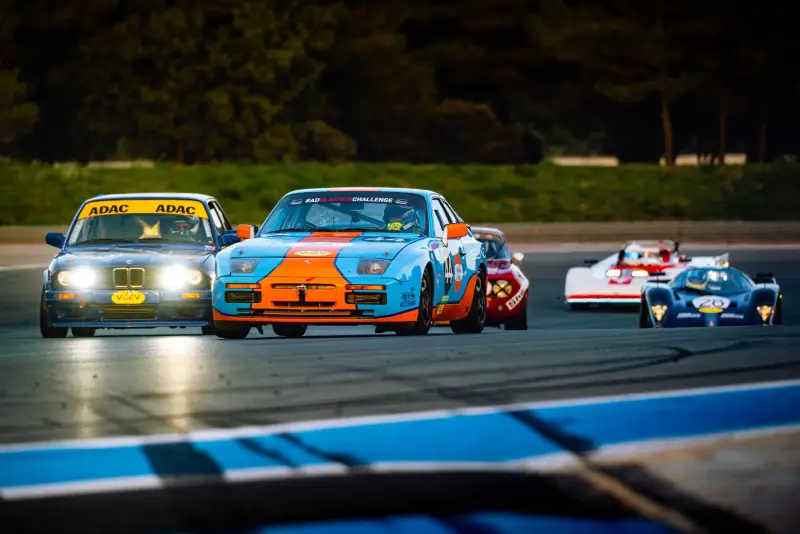
With Porsche 964s second through fourth, the result also showed how competitive production-based historic machinery could be over the full distance. The overall order reflected more than outright pace: time lost to a gearbox repair proved difficult to erase, while the Chevron’s ability to avoid a comparable delay left it with room to manage the final hours.
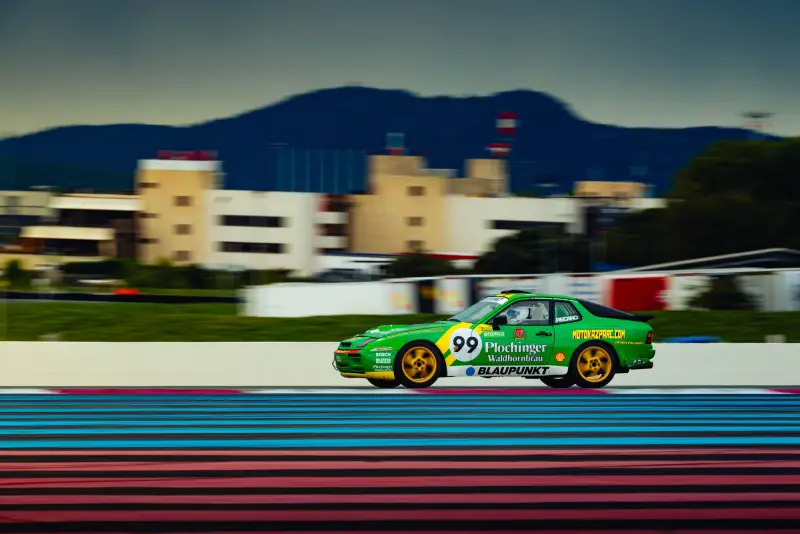
Class honors and hard-earned finishes
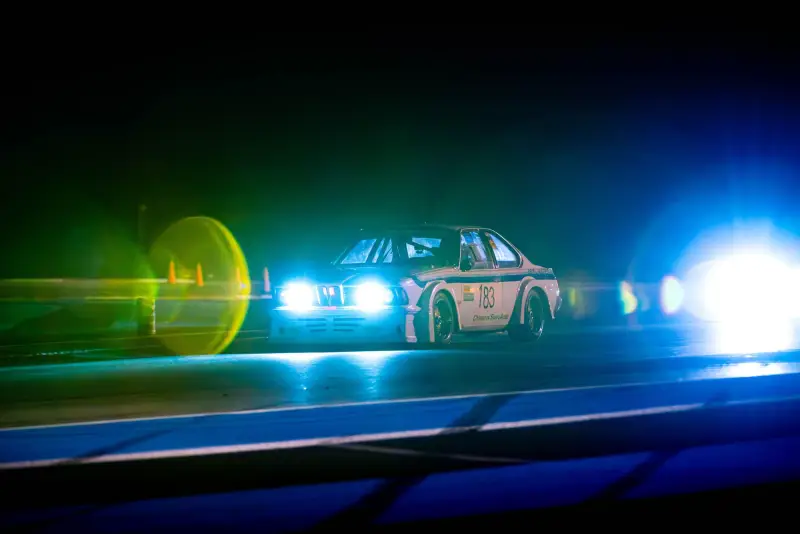
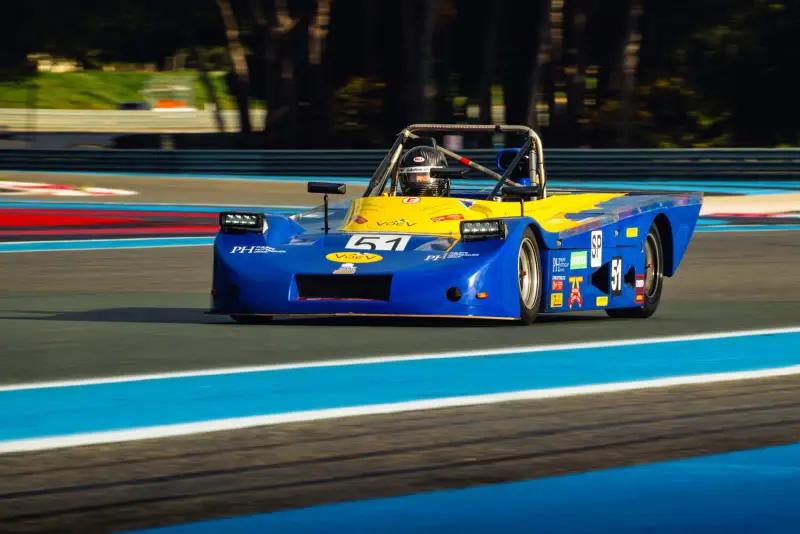
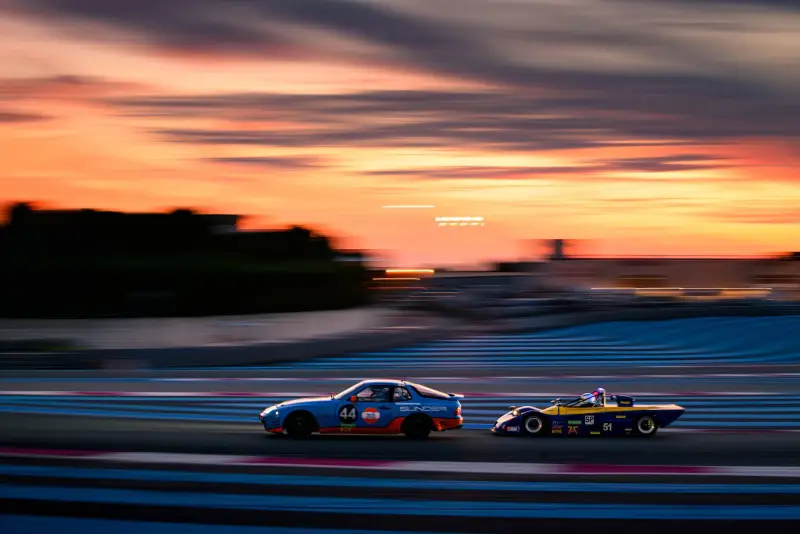
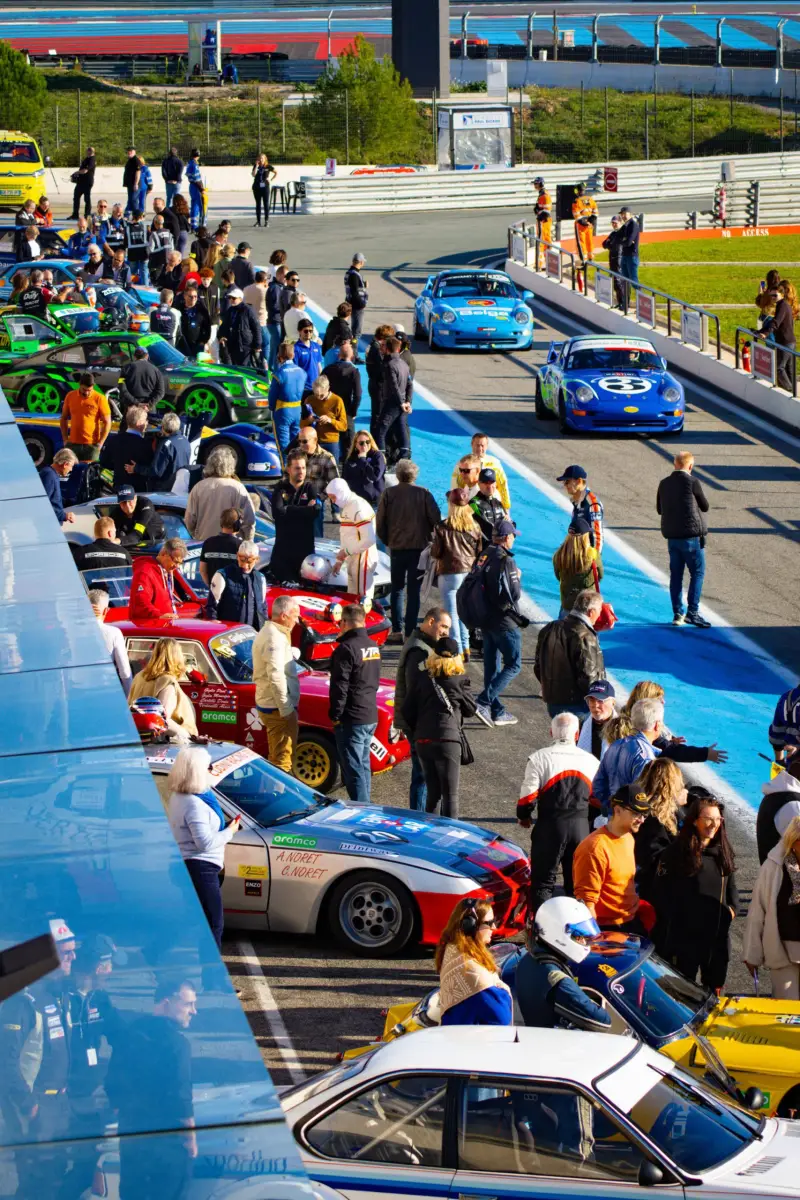
Wassermann Racing’s No. 35 BMW 323i started 19th and finished seventh overall, taking the Saloon Car class. Équipe Palmyr’s No. 51 March 81S won Sport 2000 despite recurring starter-motor problems. Sorg Rennsport’s BMW 325i claimed the TC 3 class, while Team Zosh Classic’s Porsche 944 S2 won the 944 category after surviving a brief fire and returning to competition.
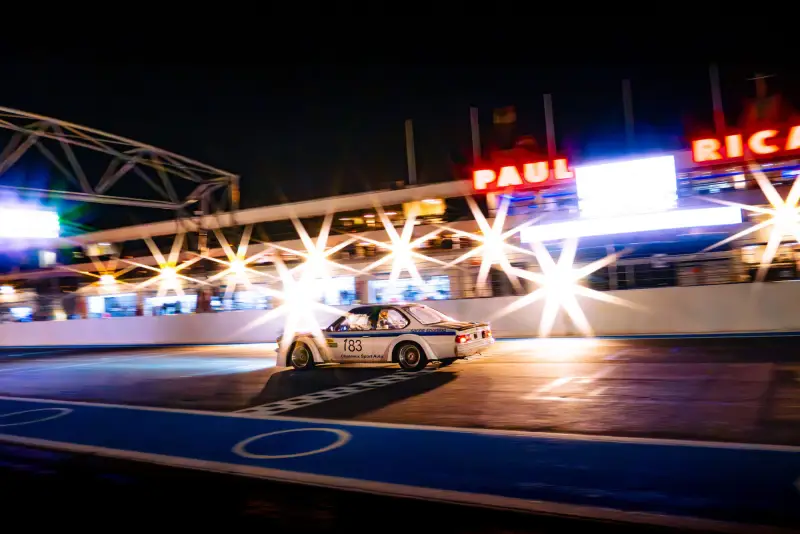
Those results underline the varied demands of a historic endurance field. The BMW 323i converted a deep starting position into a top-seven finish; the March had to contend with repeated starting trouble; and the 944 S2 made it back into the race after a fire. Each car’s class result came with its own mechanical hurdle, rather than a straightforward run to the checkered flag.
A long-distance test for historic machinery
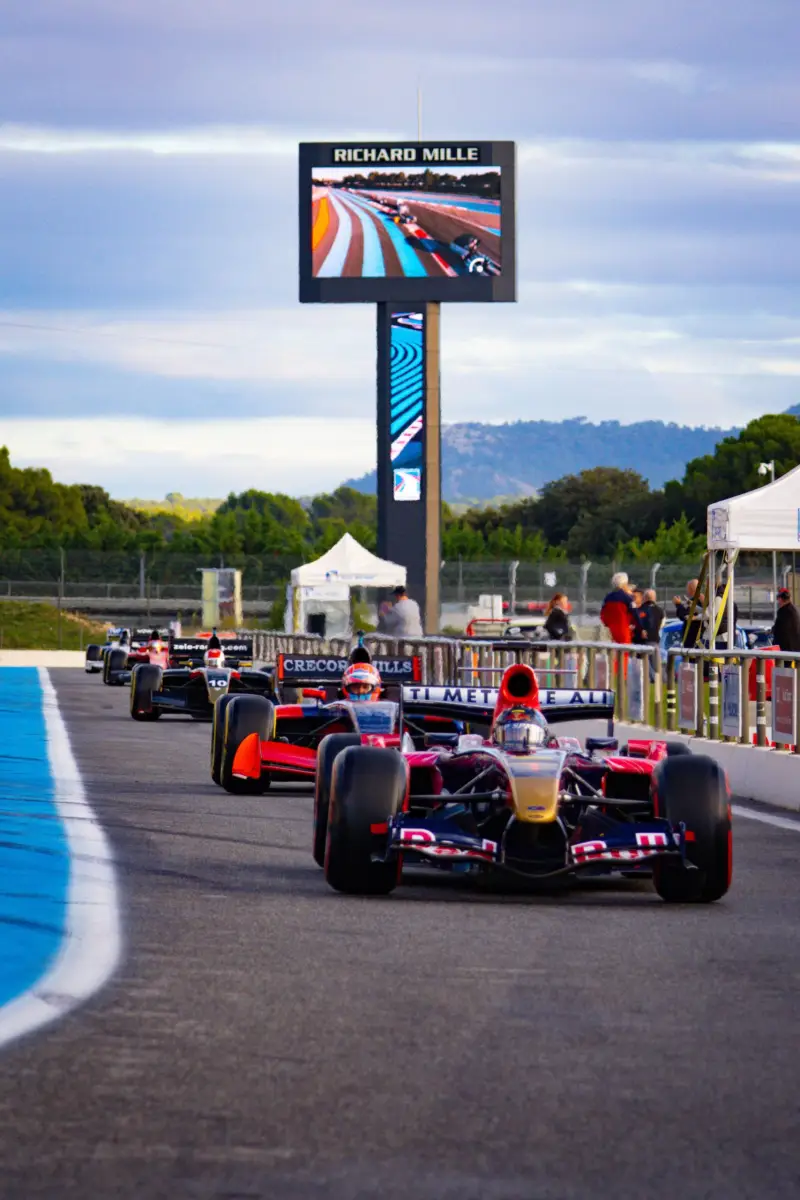
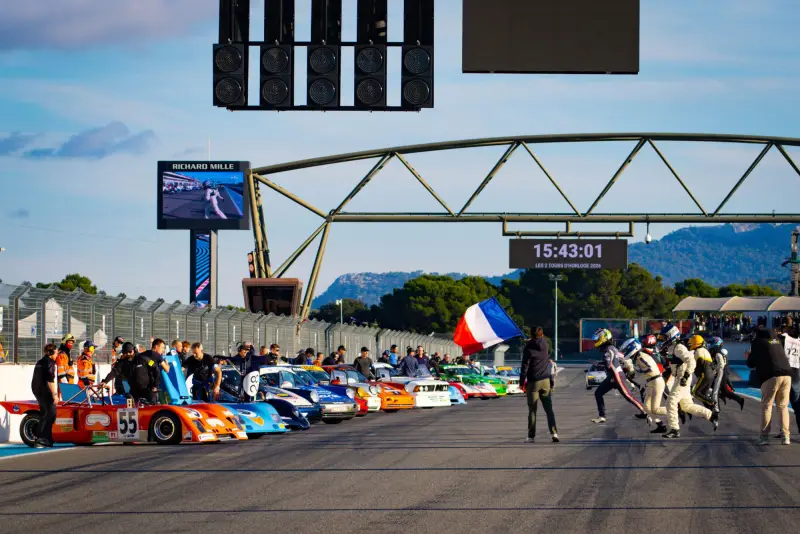
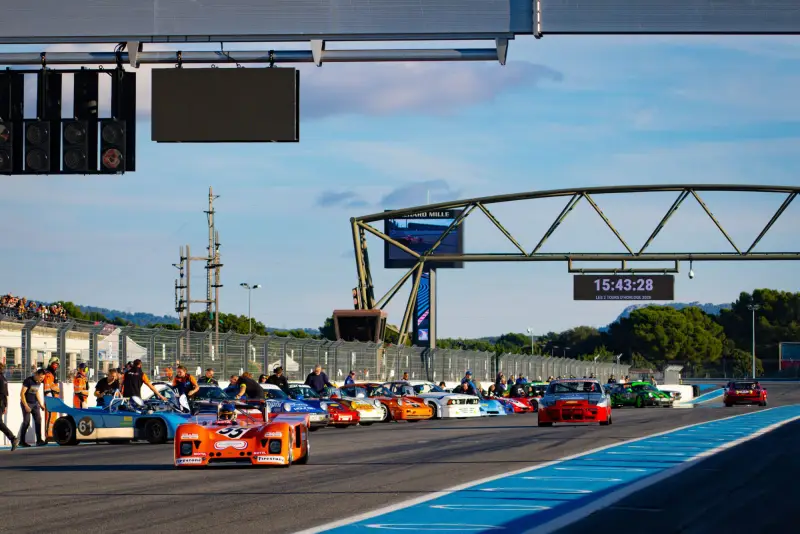
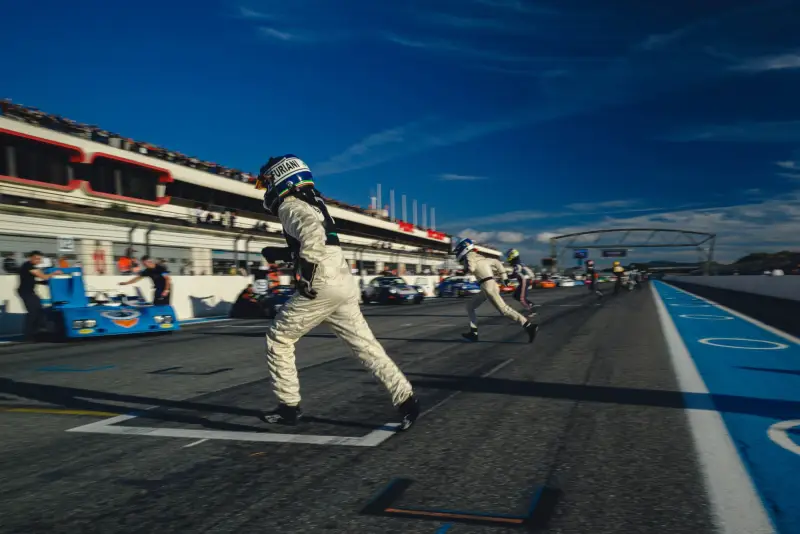
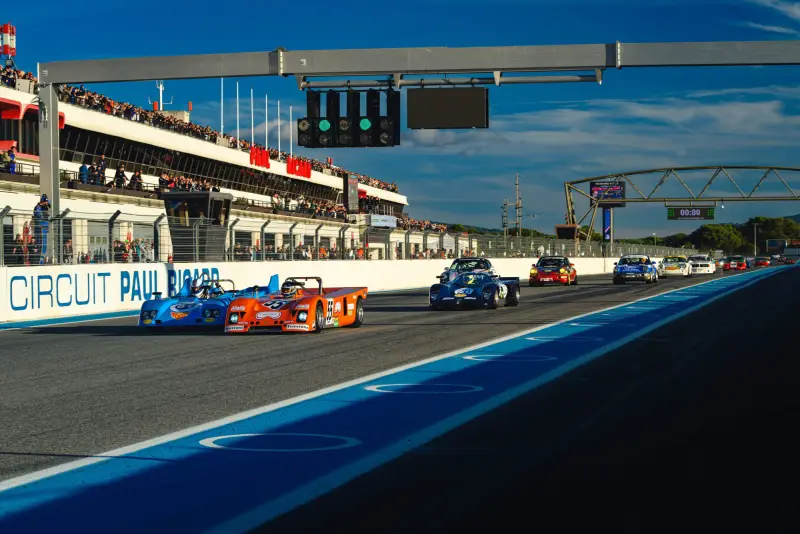
The 2 Tours d’Horloge pairs historic competition cars with the pace and maintenance demands of a 24-hour race. Its traditional Le Mans-style start sets an immediate tone, but endurance events are often decided later by pit work, reliability and the ability to adapt as conditions change. At Paul Ricard, the B19 had to recover its lead after the lengthy stop, extend its advantage overnight and complete essential service in the rain.
The event’s most telling figures are the 505 laps and 11-lap winning margin, yet the race was shaped by smaller decisions: when the Chevron stopped, what the crew replaced, and how the drivers preserved the advantage through the final hours. The No. 55 leaves with a first B19 win at the event, while the three Porsche 964 finishes show how tightly the historic field can race when mechanical trouble and repair time enter the equation.
V de V Sports is scheduled to return in 2027 with a four-hour endurance race at Magny-Cours. For teams preparing historic machinery, Paul Ricard offered a clear reminder: speed starts the story, but a full day of dependable running and disciplined service is what writes the finish.