Lamborghini Silhouette at 50: The Rare V8 Targa That Set a Production Pattern
Built from 1976 to 1979, the Bertone-designed Silhouette paired a 3.0-liter V8 with a removable targa roof and a sharp, revised chassis.
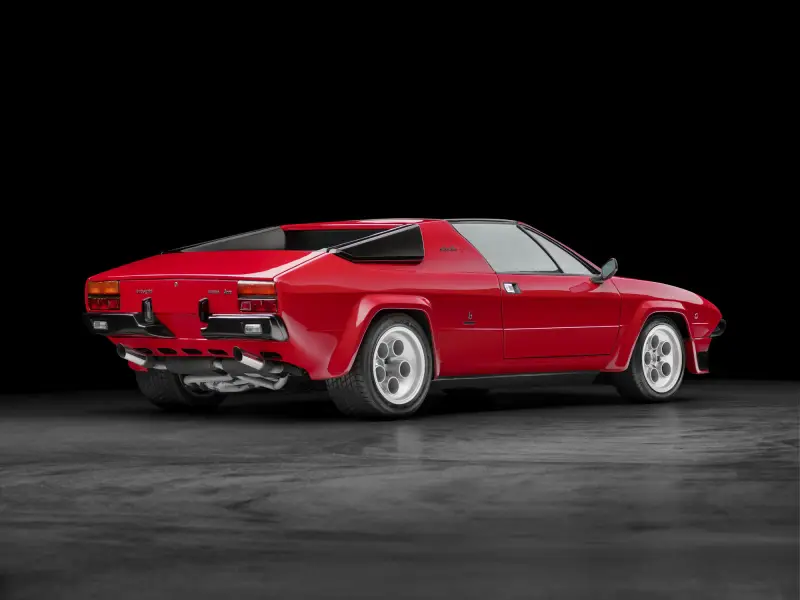
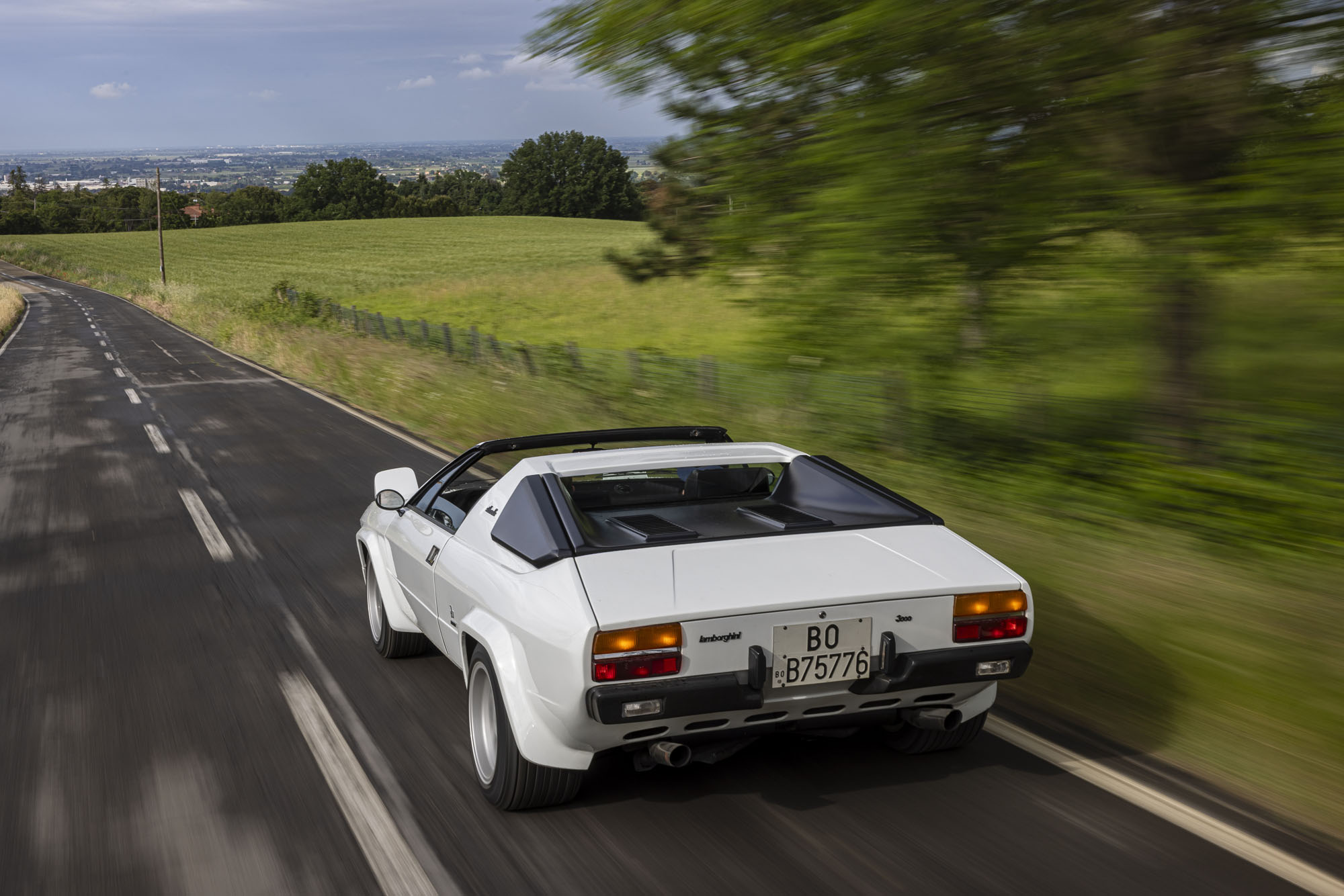
The Lamborghini Silhouette made open-air motoring part of the marque’s production lineup. Debuting at the 1976 Geneva Motor Show, this Bertone-designed, mid-engined V8 was Lamborghini’s first series-production open-top sports car. Just over 50 were built between 1976 and 1979, giving the Silhouette a short run and a distinct place in the company’s history.

Its significance goes beyond rarity. The Silhouette took the Urraco P300’s core mechanical layout and adapted it for a two-seat targa body, with structural and suspension changes to suit the altered roof. That combination gave Lamborghini a production format it would develop further with the Jalpa, then revisit in later Spyder models.
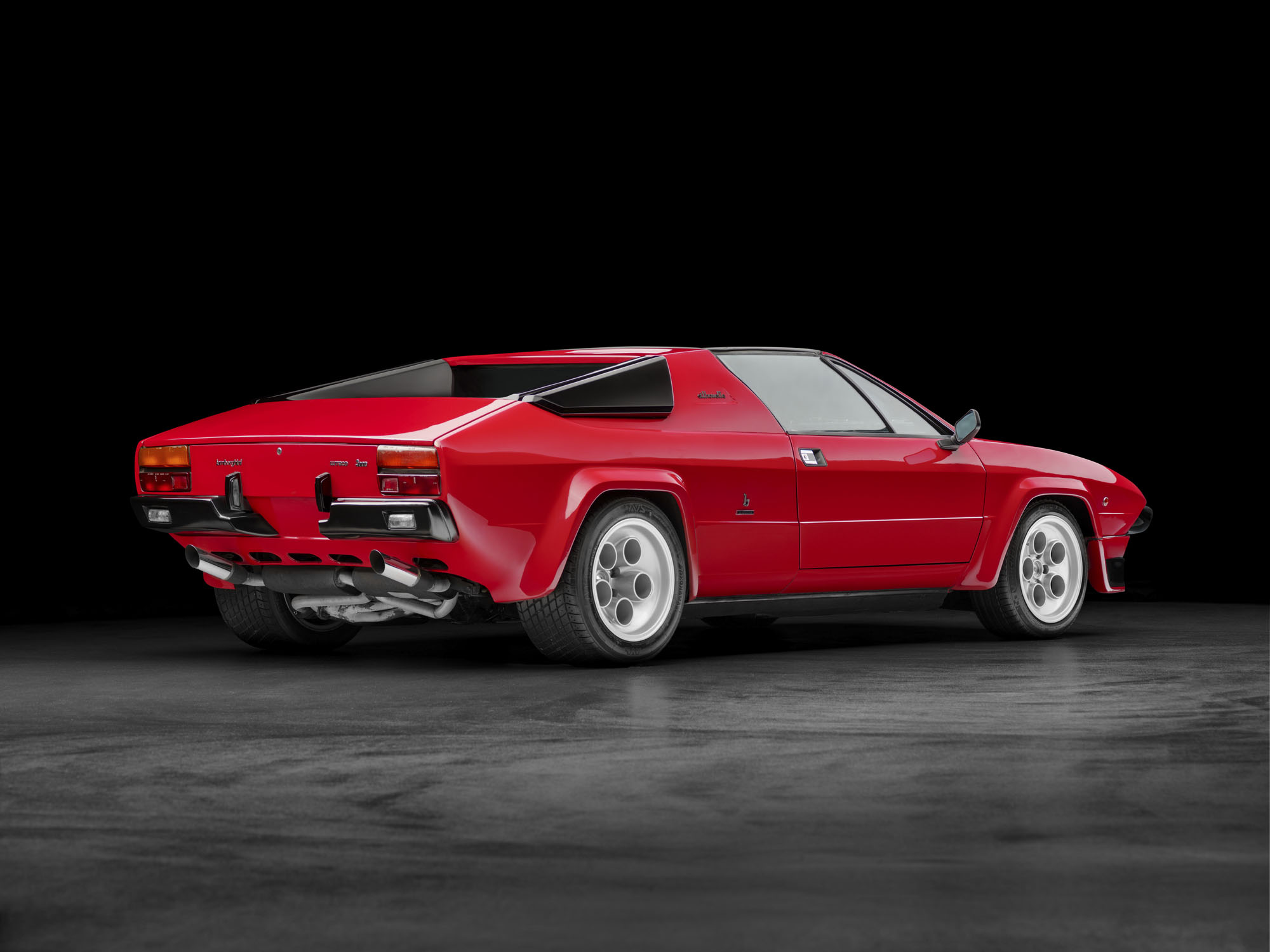
Urraco underpinnings, reshaped for a targa
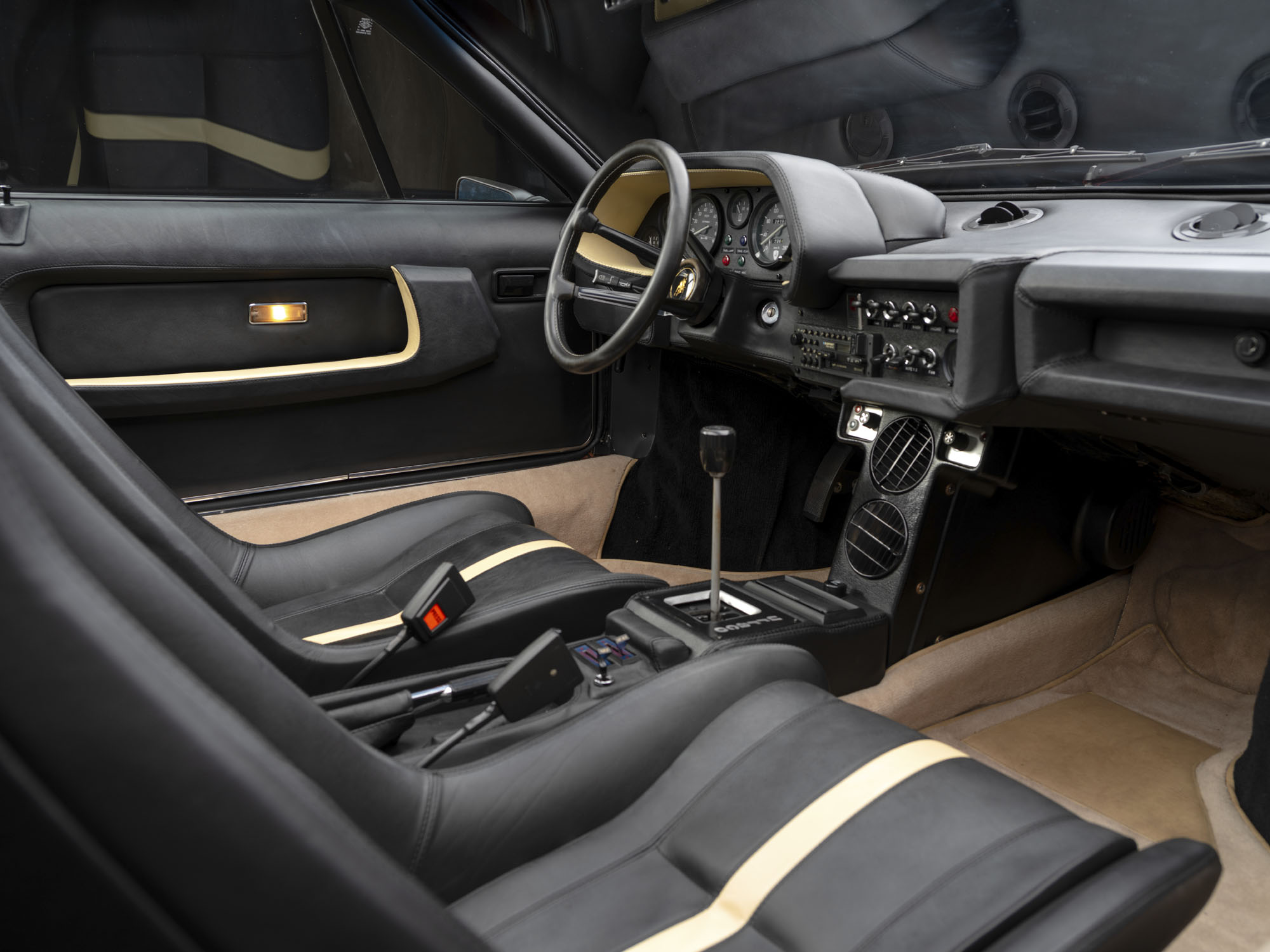
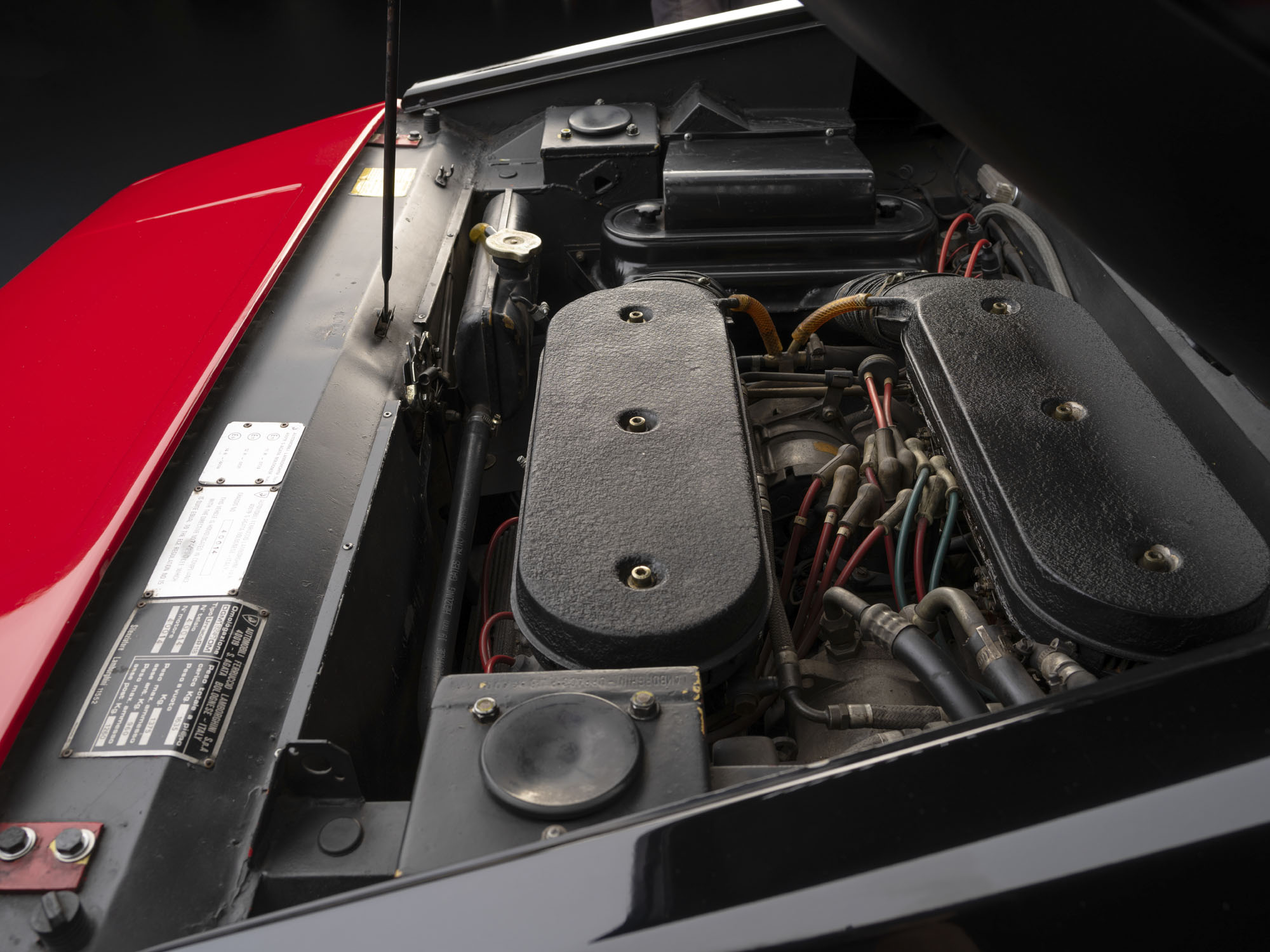
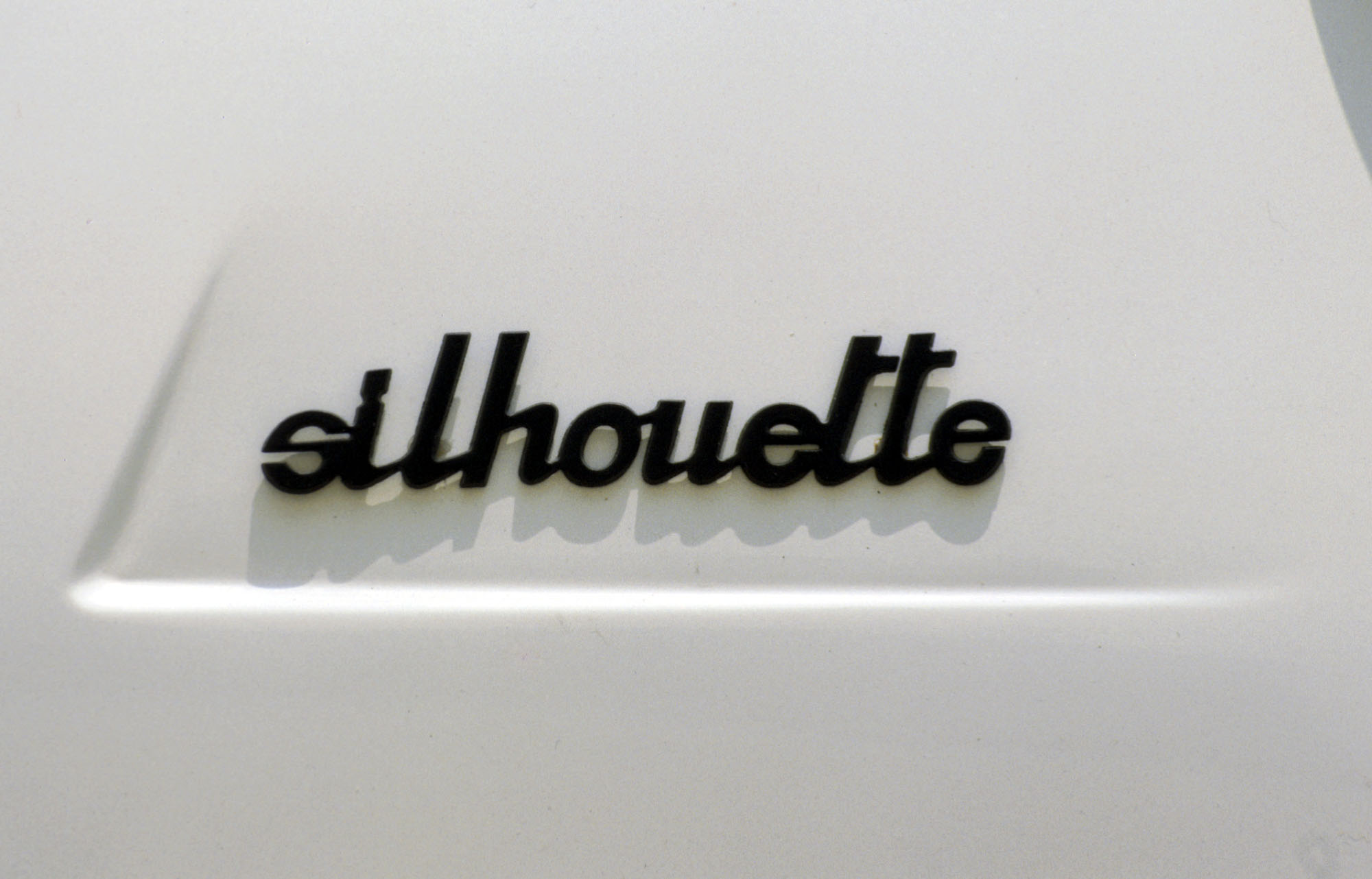
Known internally as Tipo 118, the Silhouette kept the Urraco P300’s transverse mid-mounted V8, five-speed manual gearbox and rear-wheel-drive layout. The name drew on Group 5 “silhouette” racing, where heavily modified competition cars retained the recognizable outlines of their production counterparts.
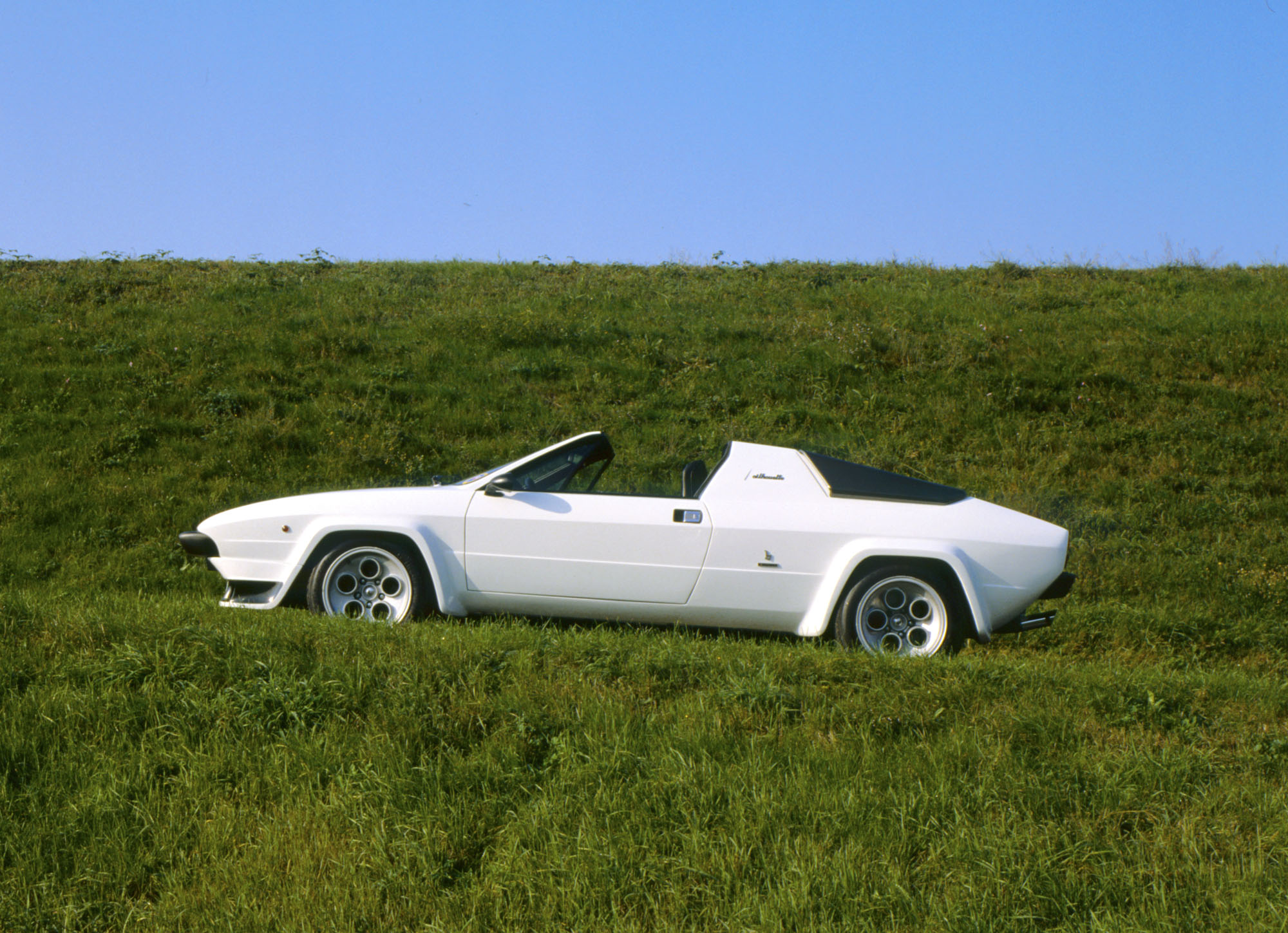
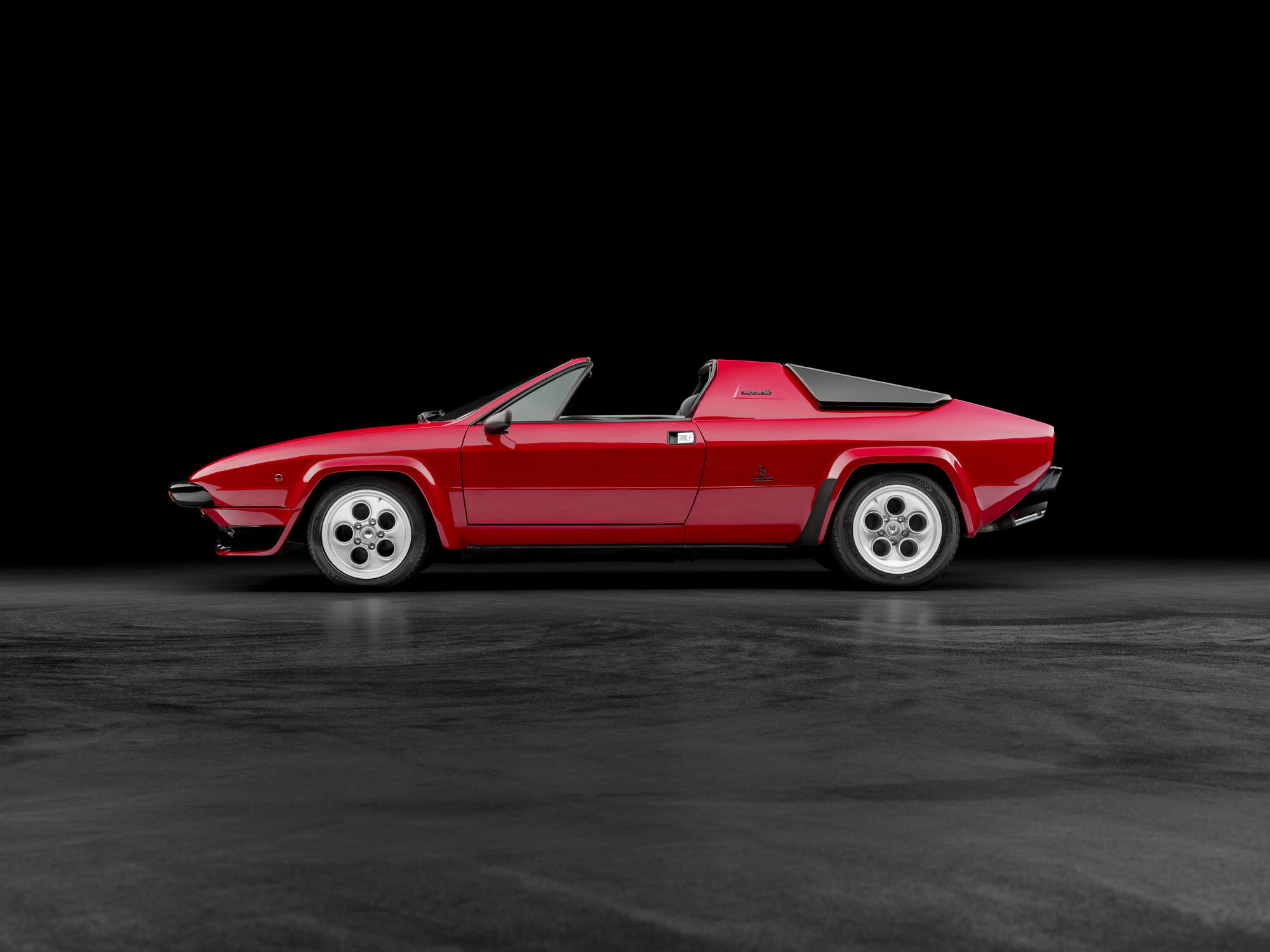
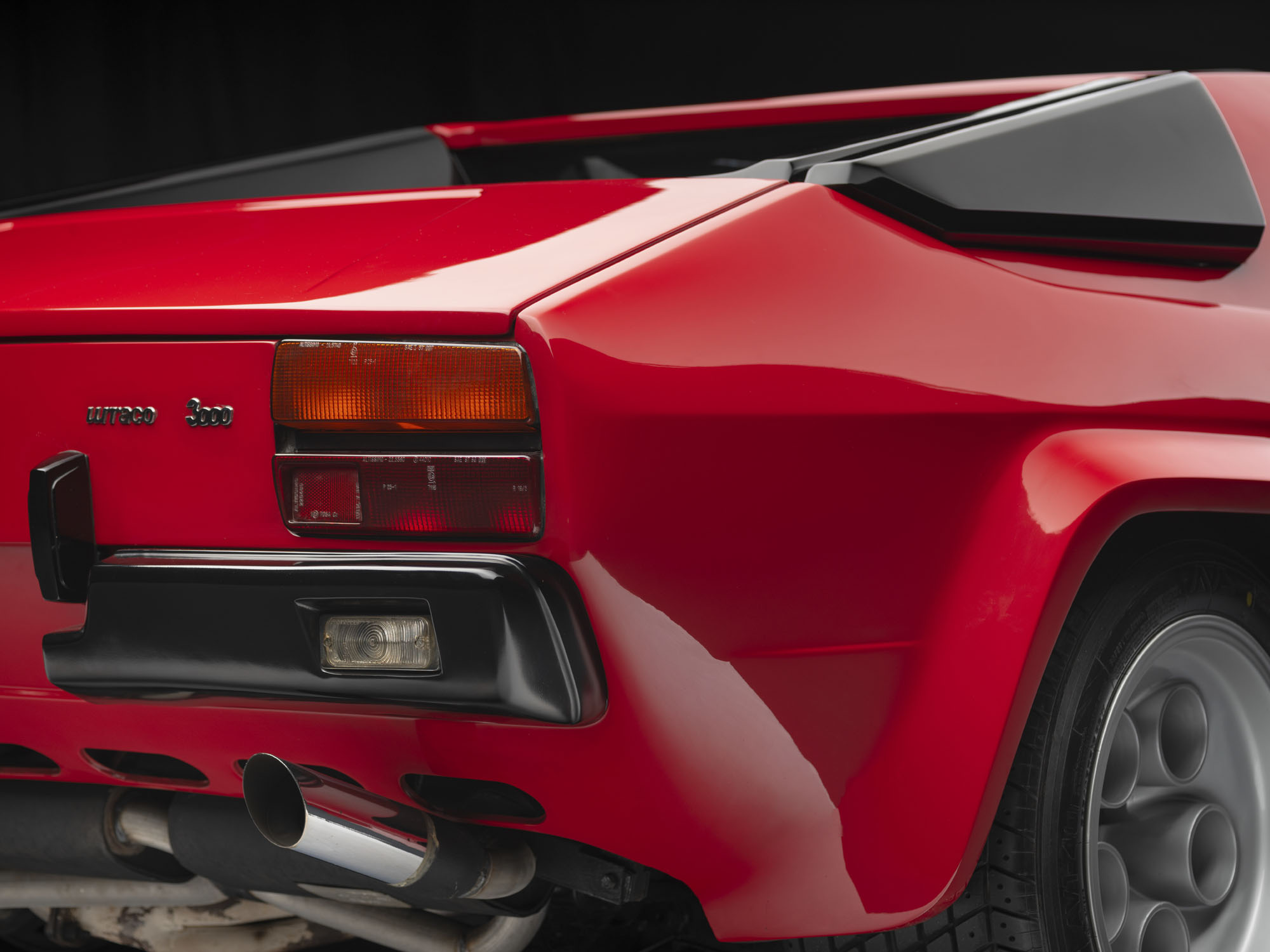
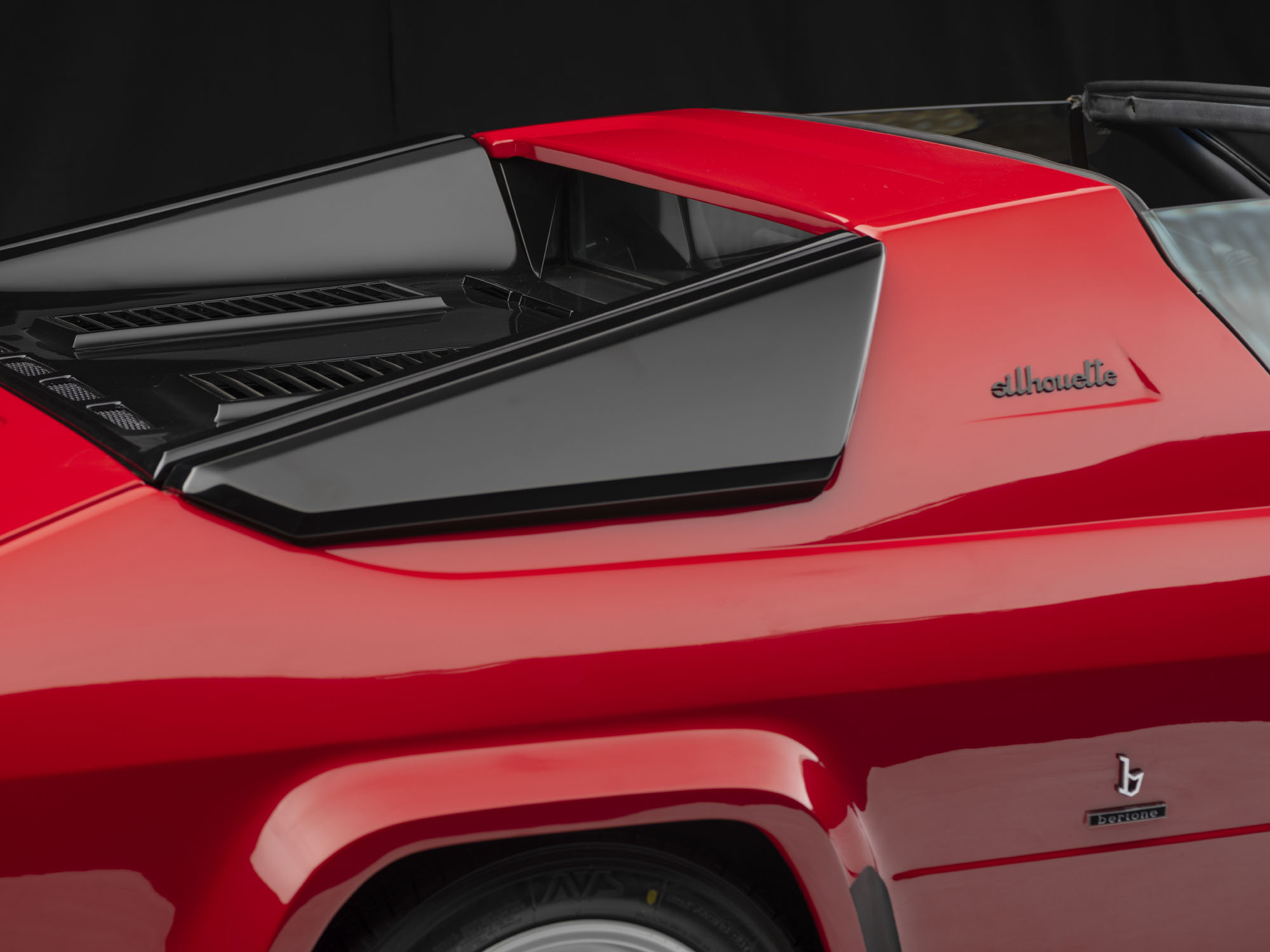
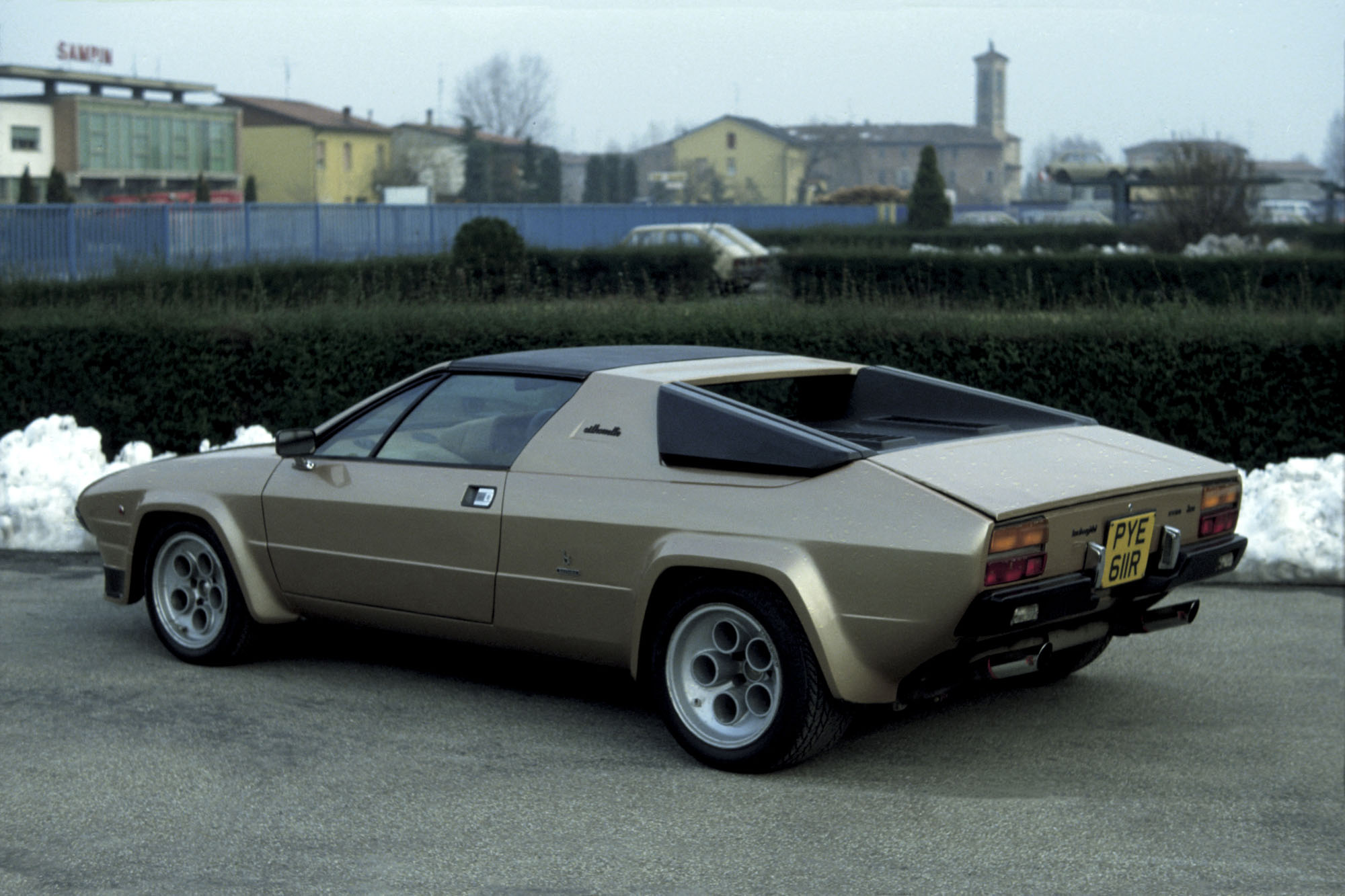
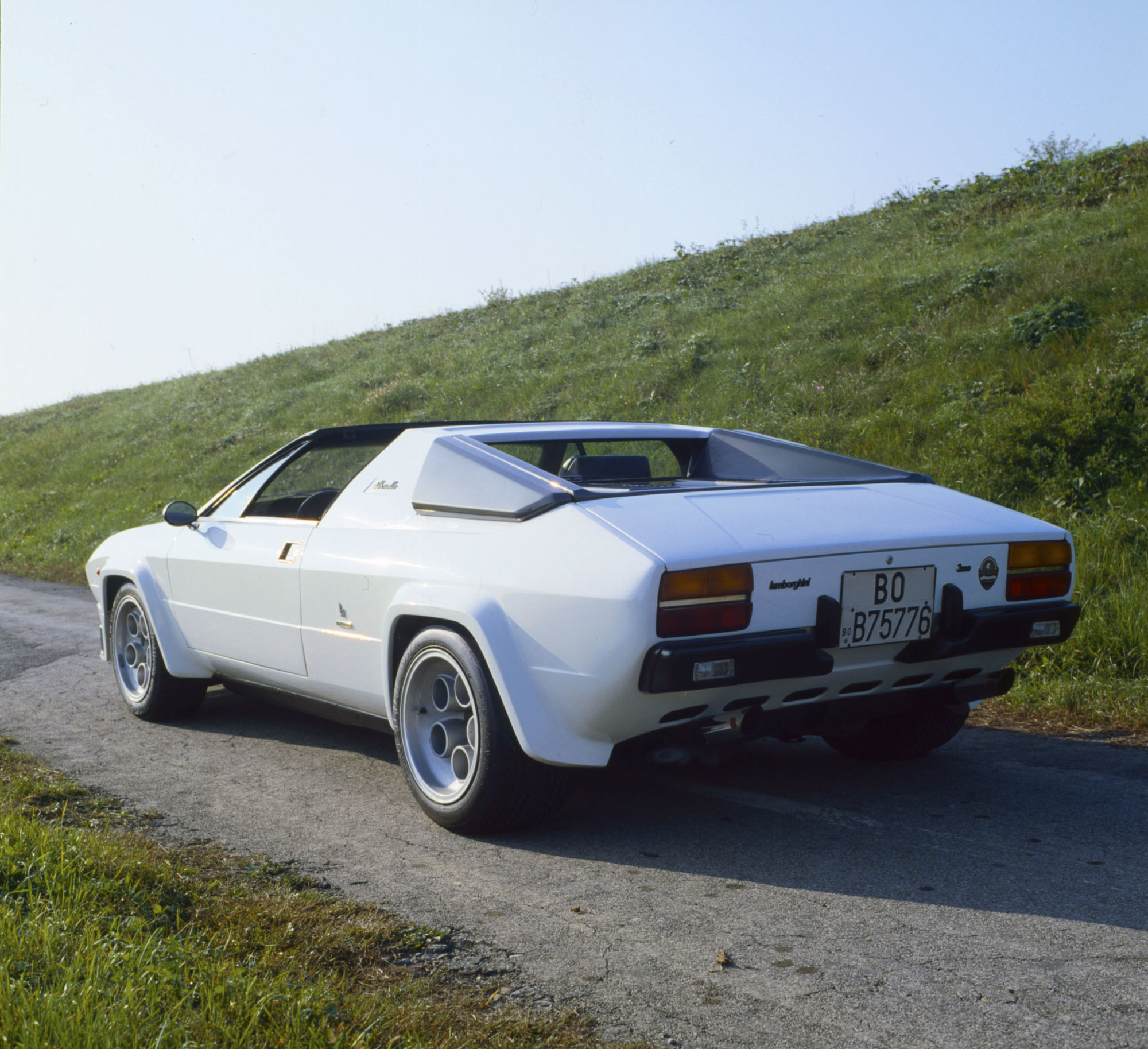
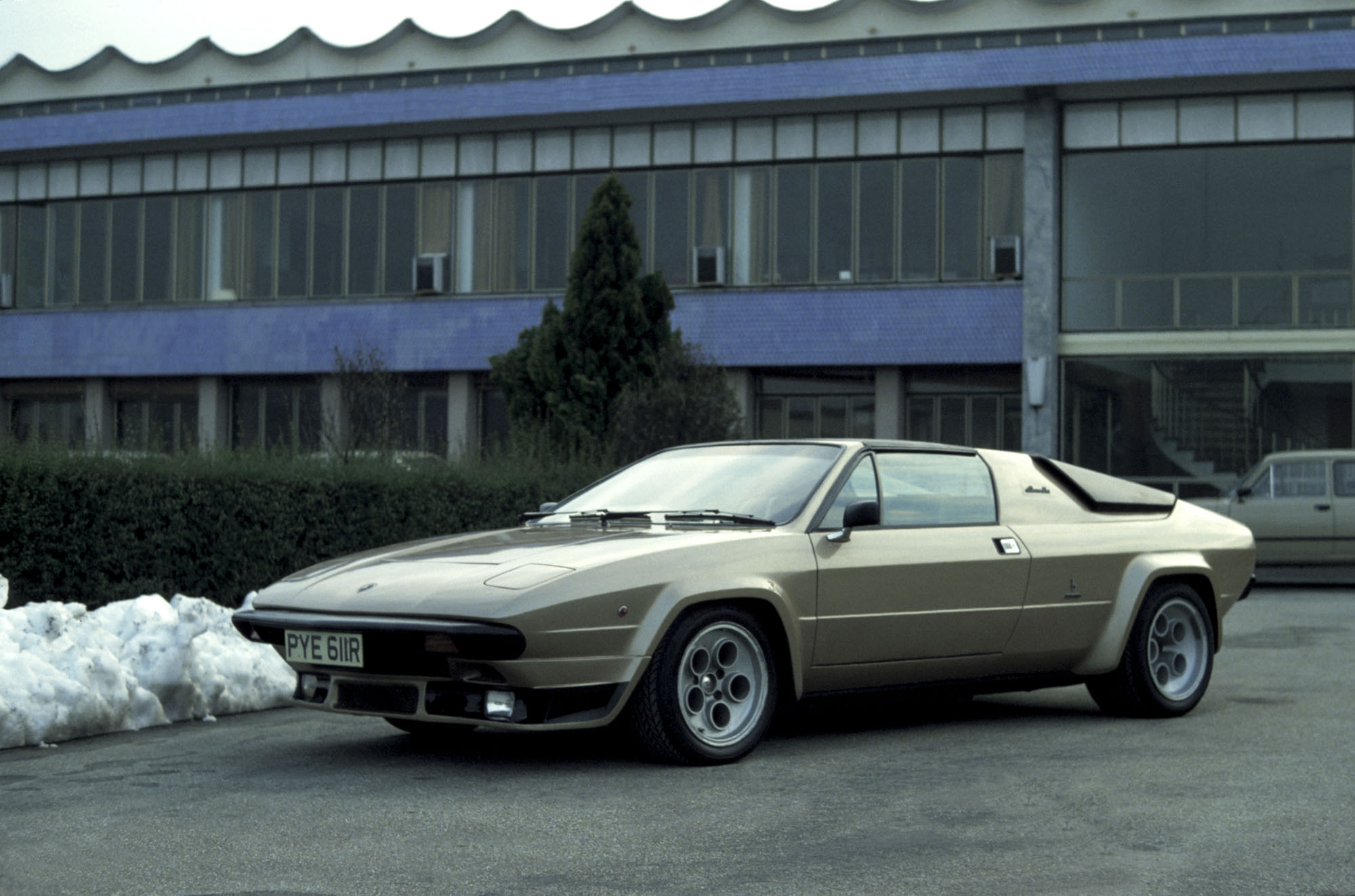
Bertone changed the body substantially. Wider wheel arches give the car a more planted stance, while the wind-tunnel-developed front spoiler adds a functional edge to the profile. At the rear, a distinctive vertical window sets the Silhouette apart from the Urraco. The removable synthetic-material roof panel stores behind the seats, making the roof arrangement part of the car’s everyday packaging as well as its styling.
Taking away a fixed roof changes the demands on a chassis. Lamborghini added structural reinforcements to compensate, then revised the suspension geometry and fitted stiffer springs and dampers, along with anti-roll bars. Those changes address the tradeoffs that come with an open body: maintaining rigidity while giving the suspension the control needed for a high-performance car.
A carbureted 3.0-liter V8 and wide rear rubber
The Silhouette’s 3.0-liter V8 used twin overhead camshafts per cylinder bank, chain-driven valve timing and four twin-choke Weber carburetors. Power went through the five-speed manual to the rear wheels. Lamborghini quoted a top speed of 260 km/h, or approximately 162 mph.
The tire package underlines the car’s rear-engined character: Pirelli P7s measured 195/50 VR 15 at the front and a much wider 285/40 VR 15 at the rear. They were mounted on 15-inch Campagnolo magnesium-alloy wheels with a telephone-dial pattern. That design first appeared on the 1974 Lamborghini Bravo concept, which never reached production.
For an owner or restorer, those specifications are useful reference points. The front and rear tire sizes differ considerably, and the magnesium wheels are a defining part of the Silhouette’s appearance. Keeping the original setup means paying attention to the correct dimensions and wheel type; the source specifications don’t provide replacement part numbers or service measurements.
A short production run with a long afterlife
The Silhouette’s targa idea and mechanical layout carried forward into the Lamborghini Jalpa, introduced in 1981 and produced until 1988. The company later applied open-top bodywork to larger V12 cars, including the Diablo Roadster and Murciélago Roadster. Its compact open-top sports car theme returned with the Gallardo Spyder and continued with the Huracán Spyder.
Earlier open-top experiments, including the 350 GTS and Miura Roadster, had already explored the idea. The Silhouette’s distinction is that it brought an open roof into series production. Its removable panel, rear-driven V8 layout and chassis revisions made the concept a complete production car rather than a one-off exercise.
Five decades after its debut, the Silhouette remains an unusually focused piece of Lamborghini history: a rare, two-seat targa built around a transverse 3.0-liter V8 and a five-speed manual. Its proportions and mechanical details connect the Urraco P300 to the Jalpa, while the roof arrangement foreshadows a recurring strand in Lamborghini’s open-top sports cars.
Lamborghini Silhouette specifications
| Debut | 1976 Geneva Motor Show |
| Production | 1976–1979 |
| Production volume | Just over 50 examples |
| Design | Bertone |
| Internal designation | Tipo 118 |
| Basis | Lamborghini Urraco P300 |
| Body | Two-seat targa with removable rigid roof panel |
| Engine | 3.0-liter transverse mid-mounted V8 |
| Valve train | Twin overhead camshafts per bank; chain-driven |
| Fuel system | Four twin-choke Weber carburetors |
| Transmission | Five-speed manual |
| Drivetrain | Rear-wheel drive |
| Quoted top speed | 260 km/h (approximately 162 mph) |
| Front tires | 195/50 VR 15 Pirelli P7 |
| Rear tires | 285/40 VR 15 Pirelli P7 |
| Wheels | 15-inch Campagnolo magnesium alloy |
| Successor | Lamborghini Jalpa, introduced in 1981 and produced until 1988 |


