KTM X-BOW GT-XA Brings Carbon-Fiber, GT2-Derived Performance to the U.S. in 2027
KTM plans 30 Austrian-built GT-XA cars for the U.S., with an Audi five-cylinder, carbon-fiber monocoque and expected pricing of $490,000 or less.
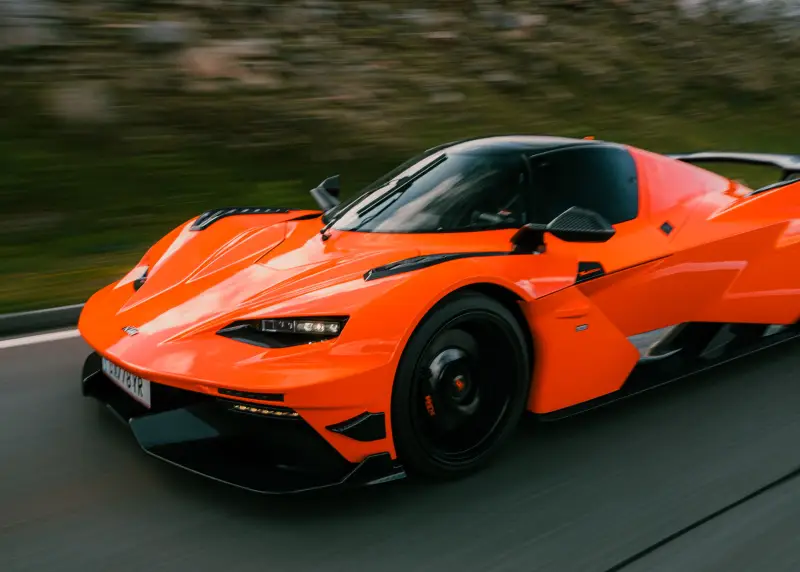
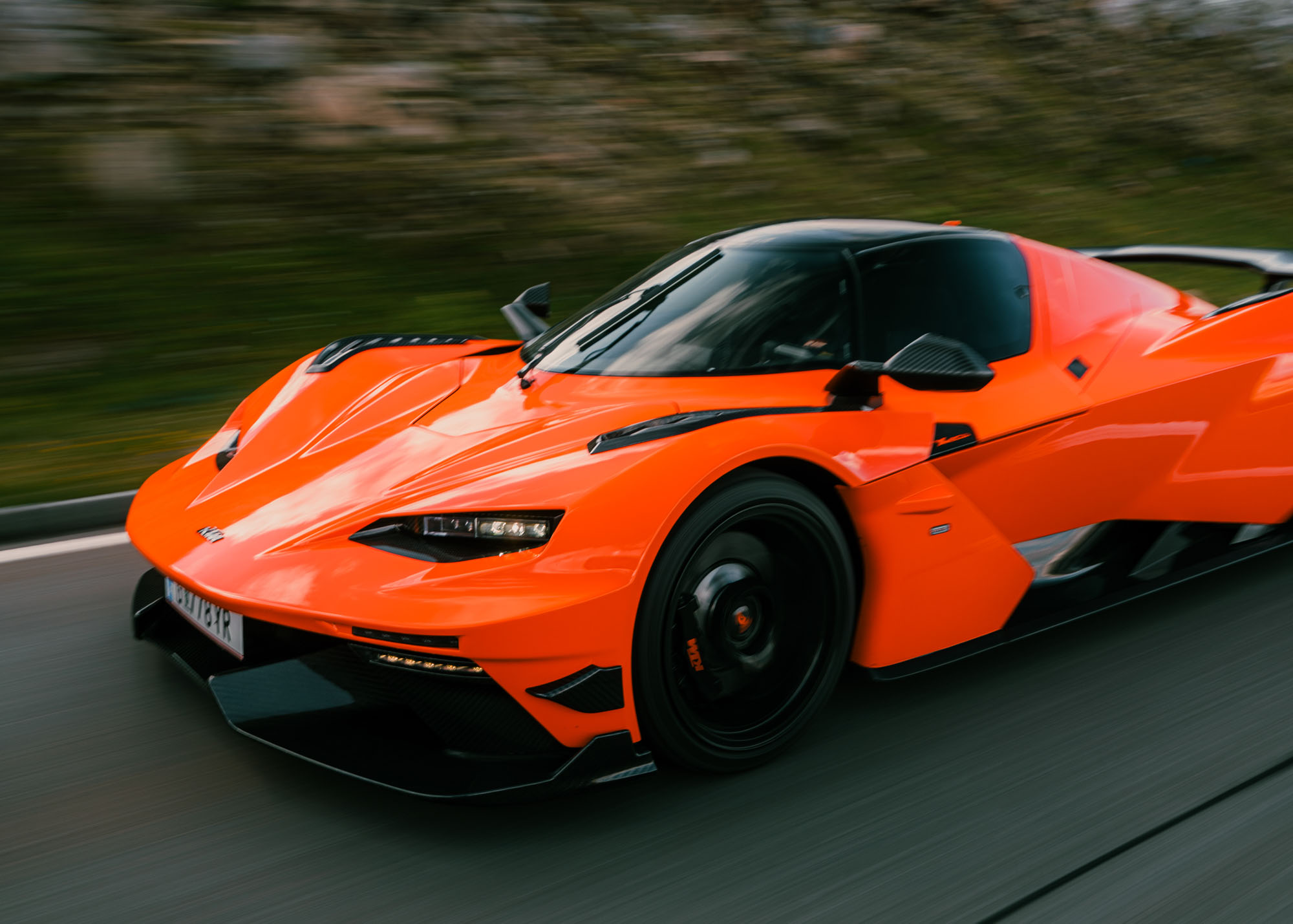
The KTM X-BOW GT-XA is built around a focused proposition: bring the marque’s GT2-derived chassis and driving character to American roads in a hand-built, two-seat car. KTM is planning an initial run of 30 numbered examples, with first customer deliveries targeted for 2027 and anticipated pricing of $490,000 or less. U.S. road-use approval is still pending, so those dates and the final specification remain subject to change.

Announced on October 27, 2026, the GT-XA is being developed for the United States with Carbon Yard as KTM X-BOW’s U.S. partner. Reservations are open with a $50,000 deposit described as fully refundable under a written agreement. Early reservation holders are to receive priority when choosing production numbers, giving the first allocation a commissioning element as well as a strict limit on volume.
KTM X-BOW says more than 1,500 sports and racing cars have been built since 2008. The GT-XA gives that specialist operation a dedicated U.S. road-car program, while retaining a layout shaped by its competition cars. The key question for buyers will be how the final road specification balances that direct racing influence with the suspension and equipment needed for varied road conditions.
Five-cylinder power and a carbon structure
Power comes from Audi’s turbocharged 2.5-liter TFSI five-cylinder engine, connected to a dual-clutch transmission and mechanical limited-slip differential. KTM has not yet published horsepower, torque, vehicle weight or performance figures. Those missing numbers matter: without them, it’s too early to judge the GT-XA’s power-to-weight ratio, acceleration or how its engine will compare with the car’s GT2 relatives in road trim.
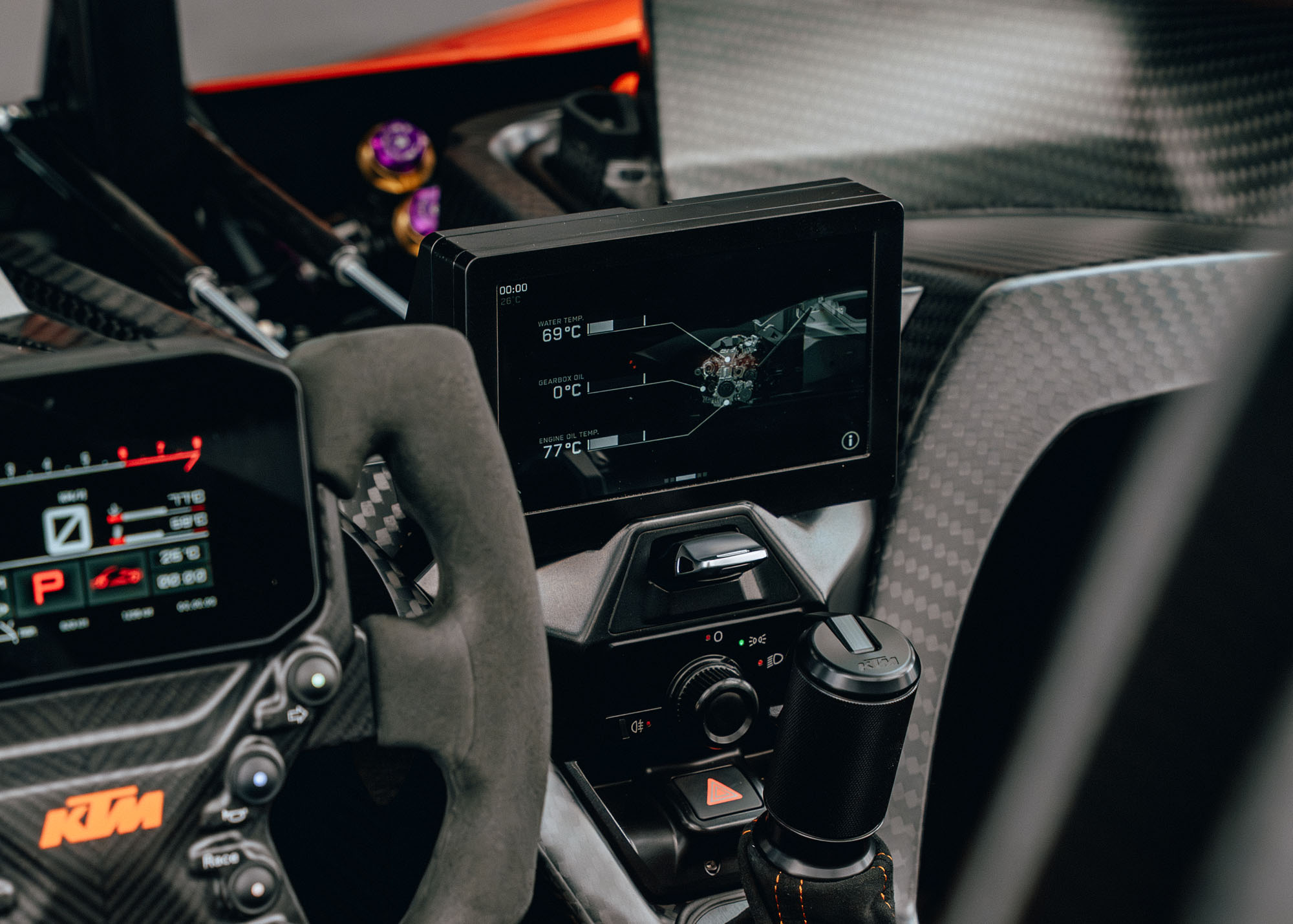
The carbon-fiber monocoque is the car’s structural backbone. In a low-volume sports car, that construction provides the base around which the cockpit, suspension and bodywork are arranged, while keeping the design close to the architecture KTM uses in competition. The GT-XA seats two in fixed seats, with adjustable pedals and a compact racing-style steering wheel. That combination points to a driving position intended to feel purposeful; adjustable pedals also give drivers a way to tailor their position around the fixed seat.
Instead of conventional doors, occupants enter through an electrically operated Jetfighter Canopy. The bodywork is functional, with airflow management intended to support cooling and generate downforce. How those aerodynamic elements behave at road speeds will become clearer once KTM releases final performance and setup details.
Road-focused adjustments, with the track in its DNA
KTM plans a high-performance suspension package with adjustable compression and rebound damping. Those settings let the suspension response be tuned, although the company has not yet specified the adjustment range or factory setup. A front-axle lift system is also planned, a useful feature for negotiating steep driveways or other abrupt changes in road height in a car with a low nose. Tire-pressure monitoring is included in the stated equipment.
Buyers will be able to choose exterior finishes, exposed carbon treatments, interior materials and stitching. With only 30 initial allocations, those choices make each car more personal while leaving the underlying mechanical package as the shared foundation. Final options, specifications and pricing have not been confirmed.
Competition credentials behind the road car
The GT-XA draws on the architecture and competition experience of KTM’s X-BOW GT2. KTM X-BOW machinery claimed Am championships in the GT2 European Series in 2021 and 2023. In 2024, Team MZR took the Pro-Am Drivers’ and Teams’ titles. An X-BOW GT2 also earned pole position, fastest lap and a GT2 class victory at Indianapolis Motor Speedway in 2023.
Those results establish competition experience behind the platform, but they don’t tell the whole story of the road car. KTM says development is aimed at predictable handling and road usability while keeping the direct driving feel associated with its racing machinery. Suspension calibration, tire choice and the final weight will help determine whether that aim comes through in everyday use. None of those detailed specifications has been released yet.

Thirty cars planned, with key details still to come
Each GT-XA is slated to be hand-built in Graz, Austria. The first production allocation is planned at 30 numbered cars, and deliveries are targeted for 2027. Reservations through KTM and Carbon Yard require a $50,000 deposit, refundable under the written agreement. The anticipated price is $490,000 or less, though the final MSRP has not been set.
The road-use approval process remains unfinished, and final technical details have not been announced. That leaves prospective owners with a clear outline of the car’s hardware and its competition lineage, but without the figures needed to assess performance in full. The next milestones are confirmation of approval, final power and weight figures, and the completed specification. Until then, the GT-XA looks like a serious road-going extension of KTM’s GT2 experience, with its limited first run and bespoke finishes adding to its appeal.
KTM X-BOW’s racing history and GT2 connections give the GT-XA a clear mechanical identity. Whether its road manners match that pedigree will rest on the details KTM has yet to publish: output, weight, suspension tuning and the final production setup.