1991 Honda FourTrax TRX300FW: Only 129 Miles on This Original 4x4 ATV
This 1991 FourTrax TRX300FW pairs a 282cc engine and full-time 4WD with just 129 indicated miles, plus its manuals, tool kit and removable windshield.
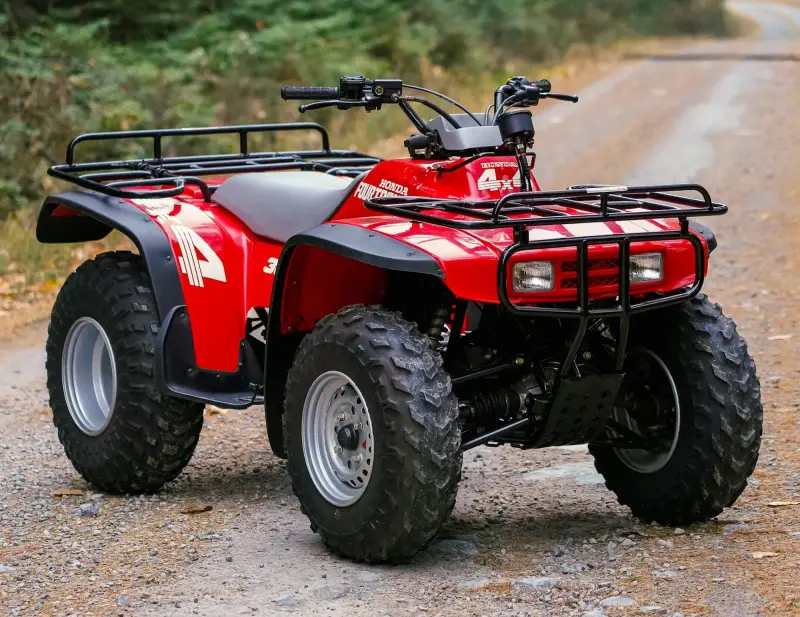
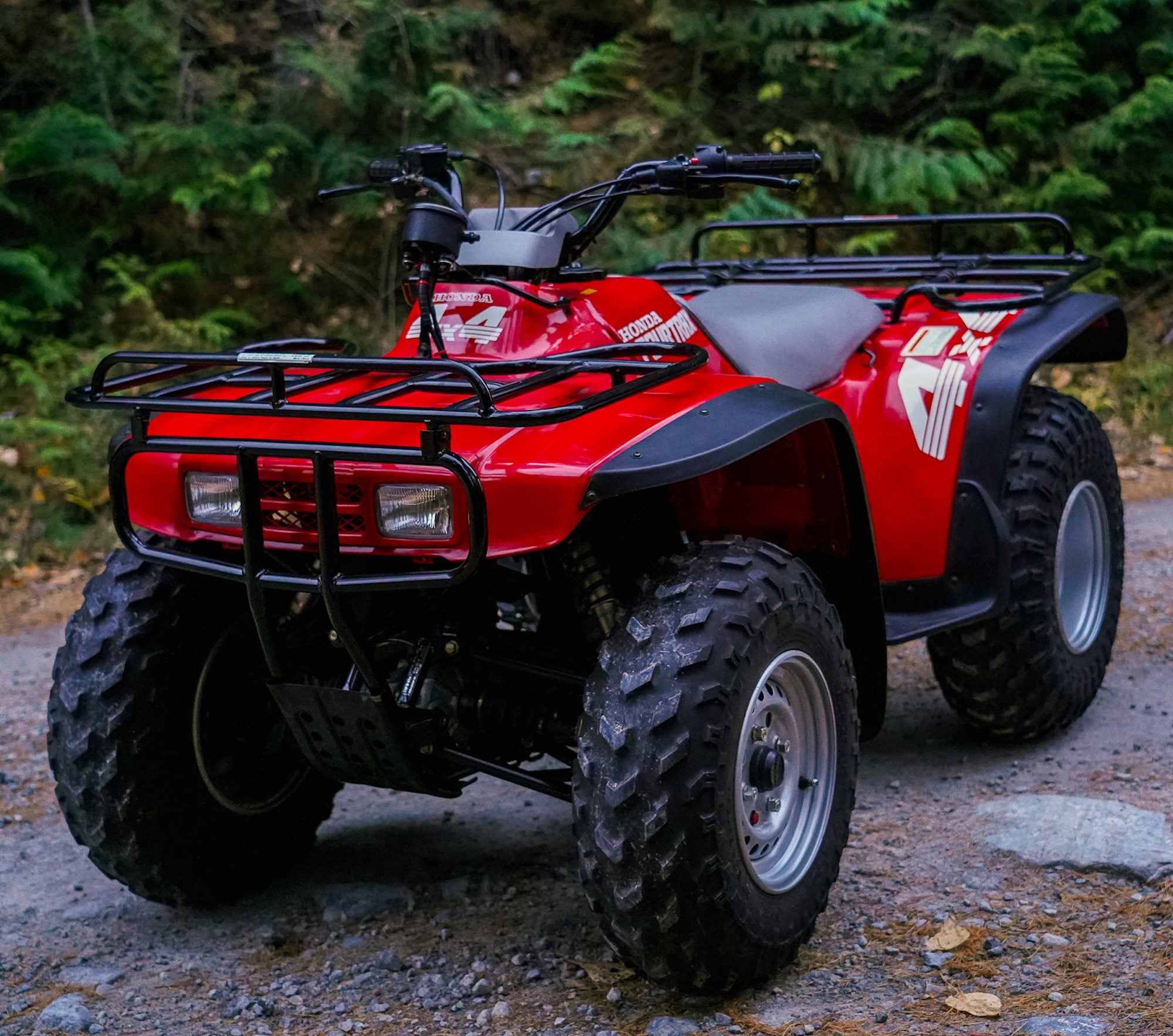
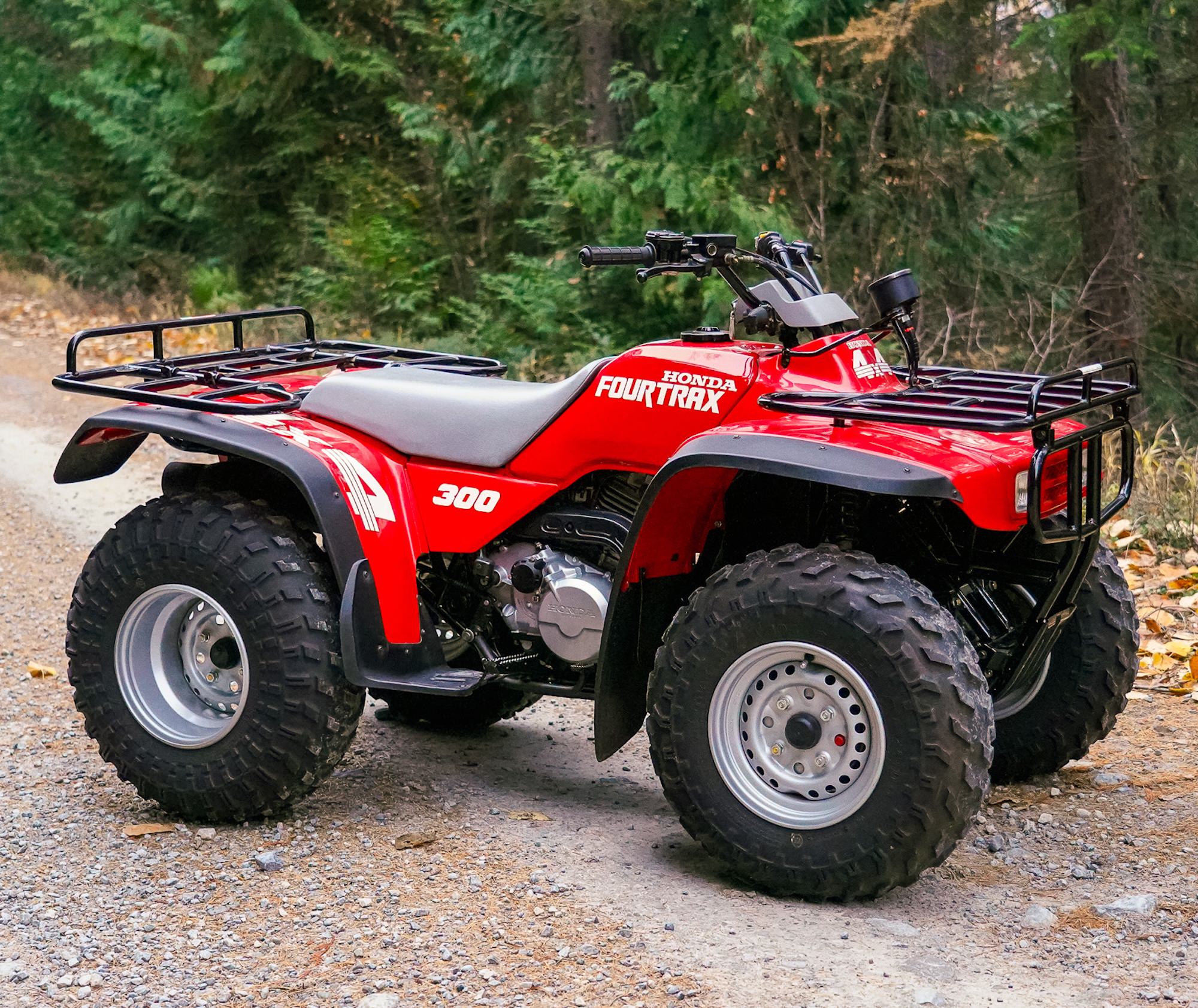
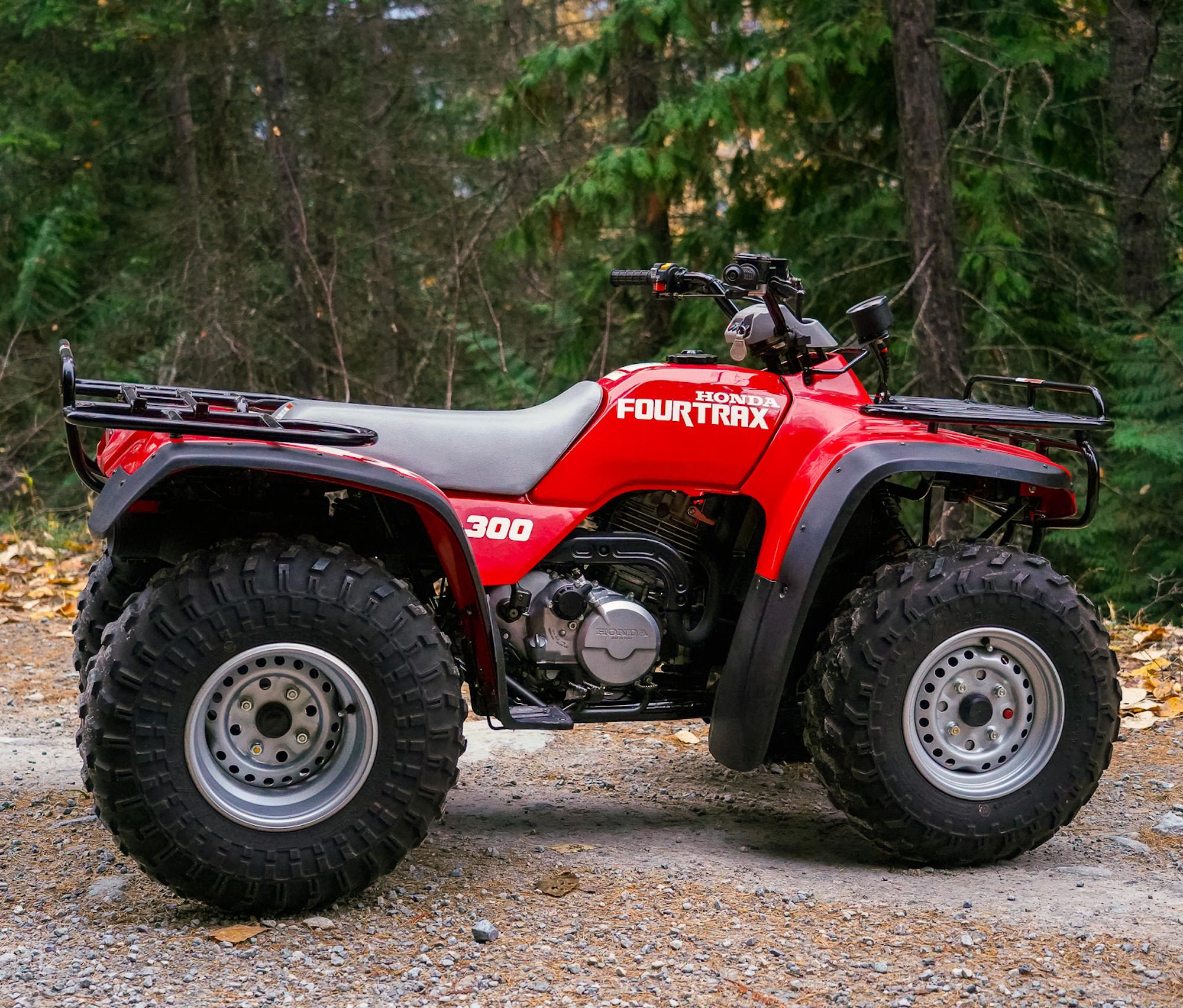
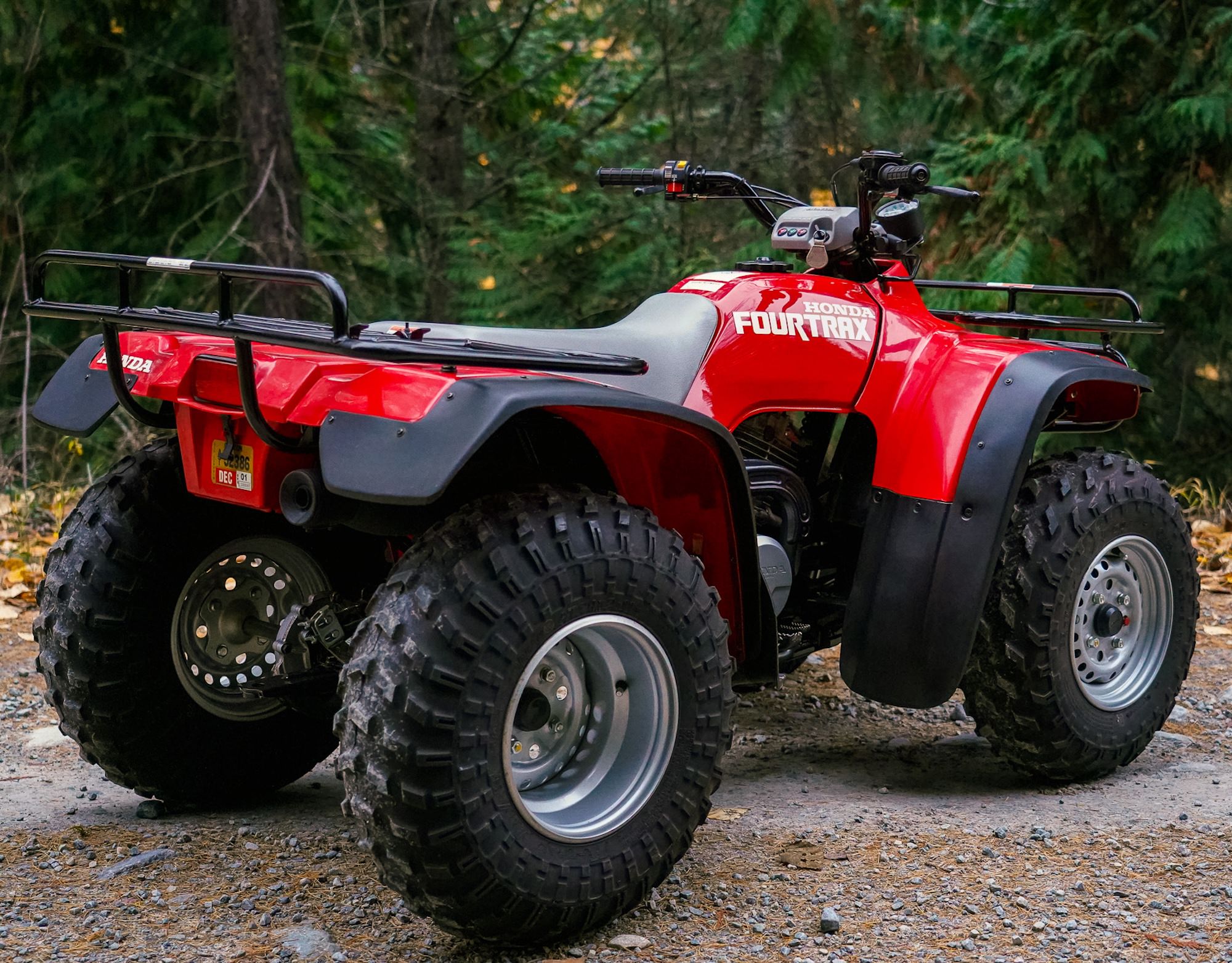
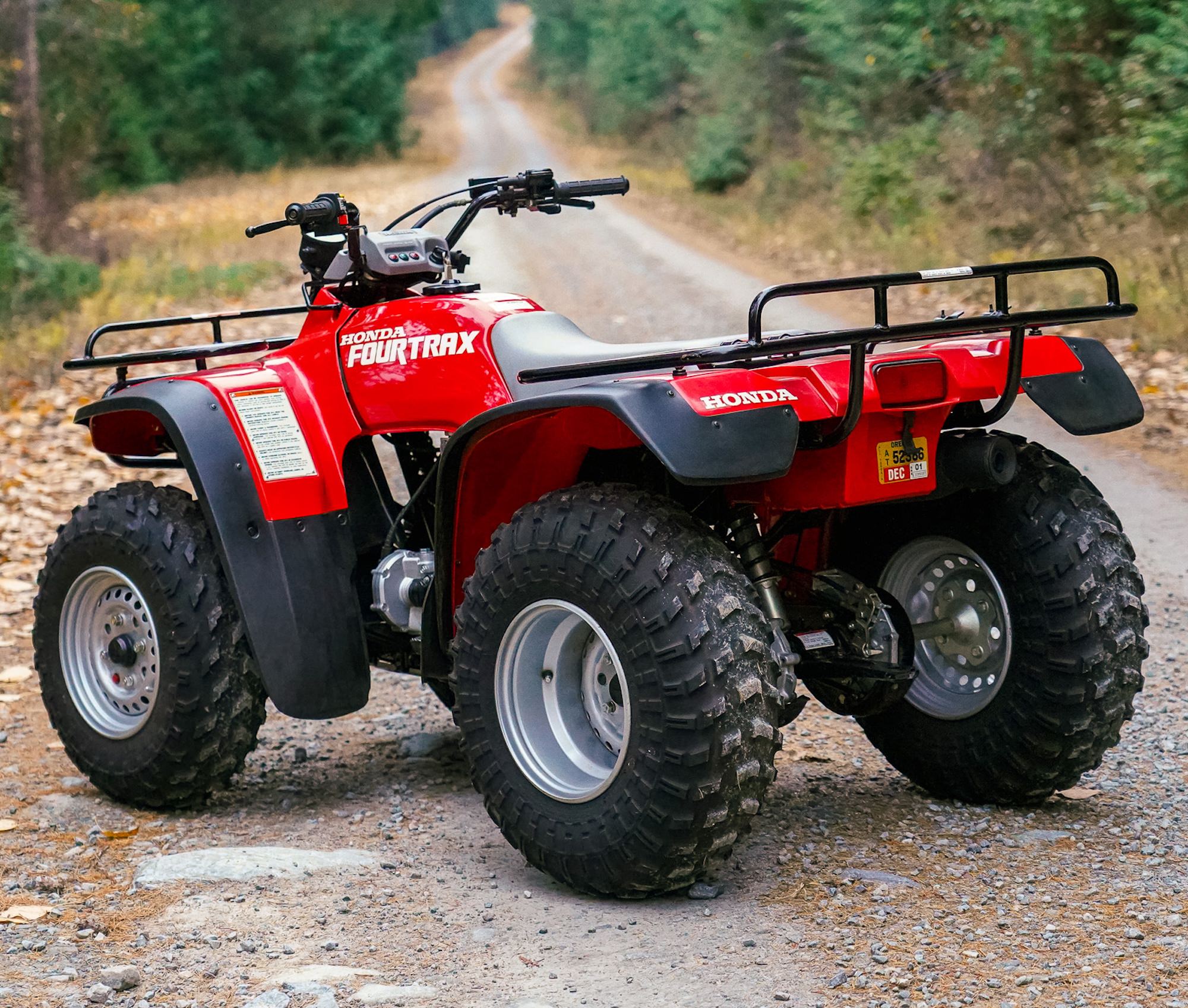
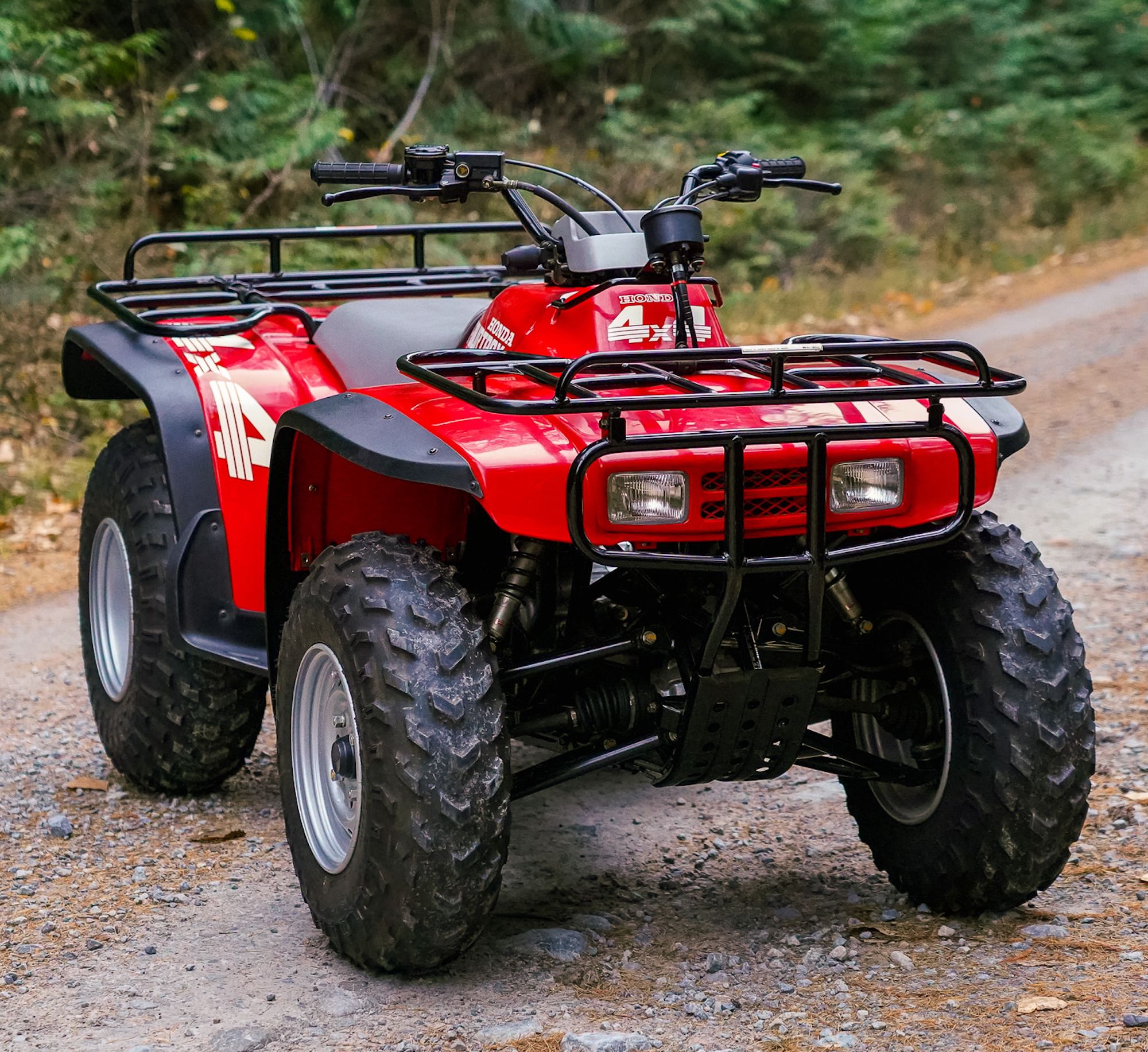
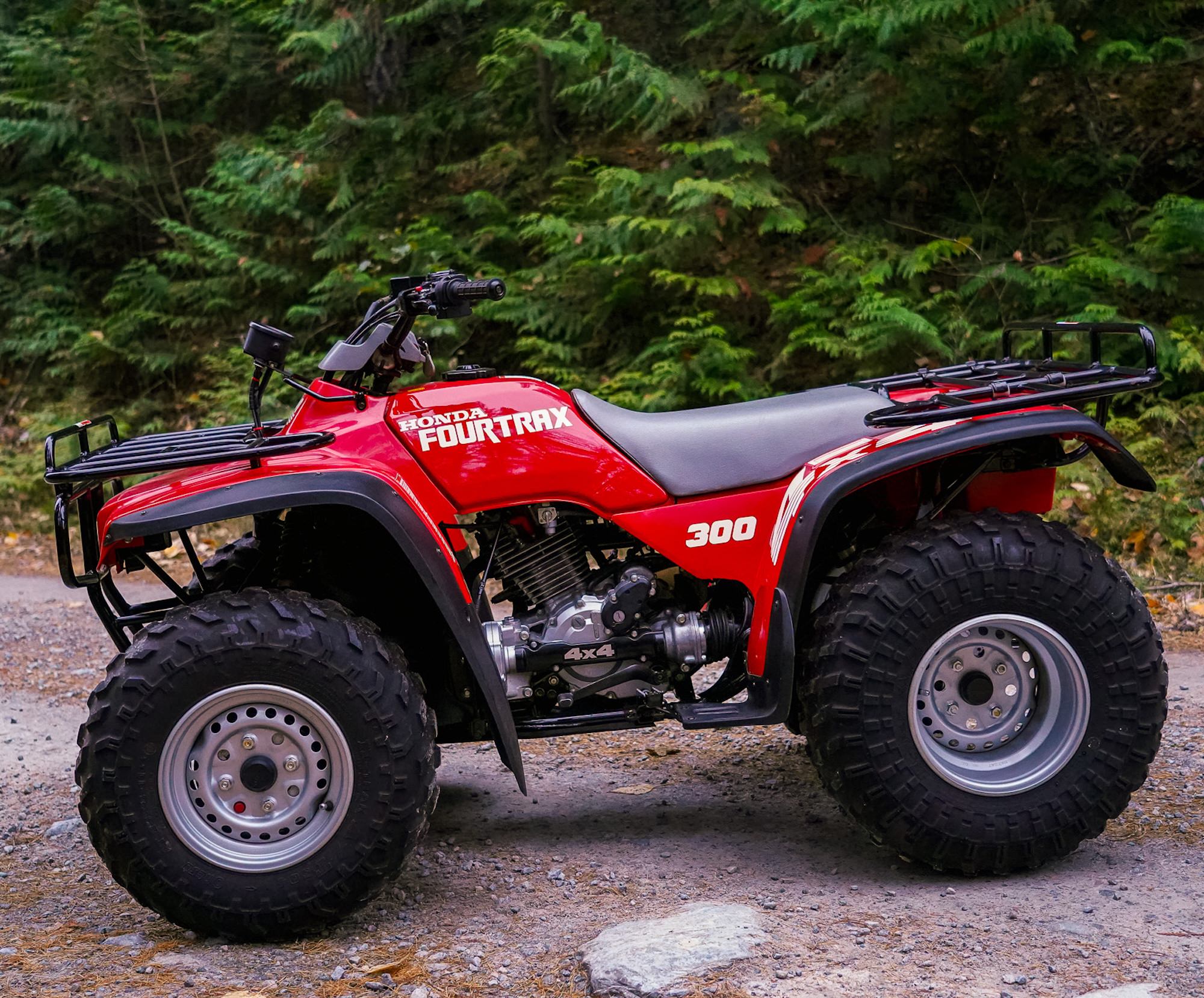
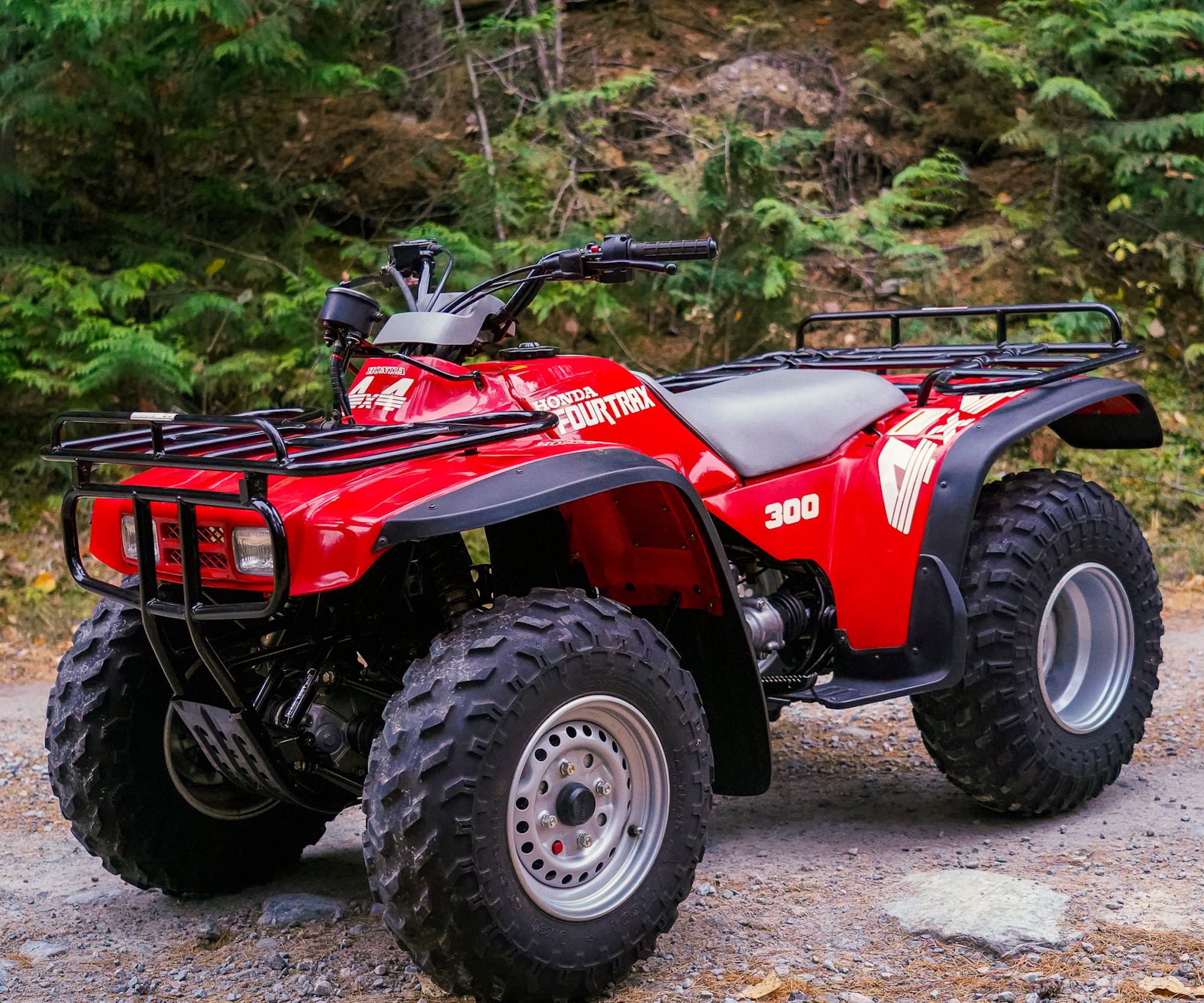
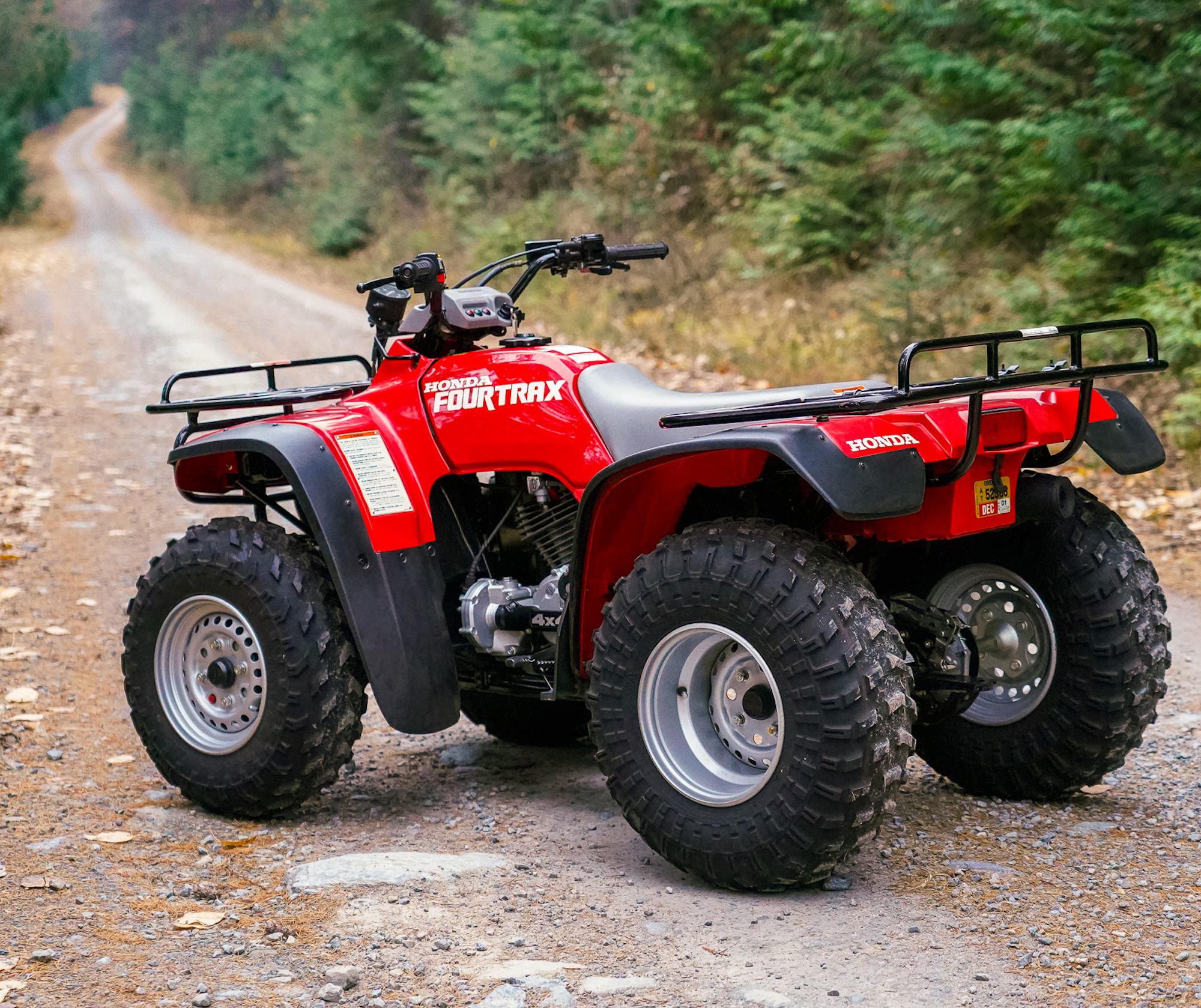
With just 129 miles showing, this 1991 Honda FourTrax TRX300FW offers a rare look at a working-style ATV that appears to have seen very little use. Its appeal goes beyond the low odometer reading: the red-and-white machine retains the practical equipment and mechanical layout that made the FourTrax 300 4×4 a popular choice for farms and trails.
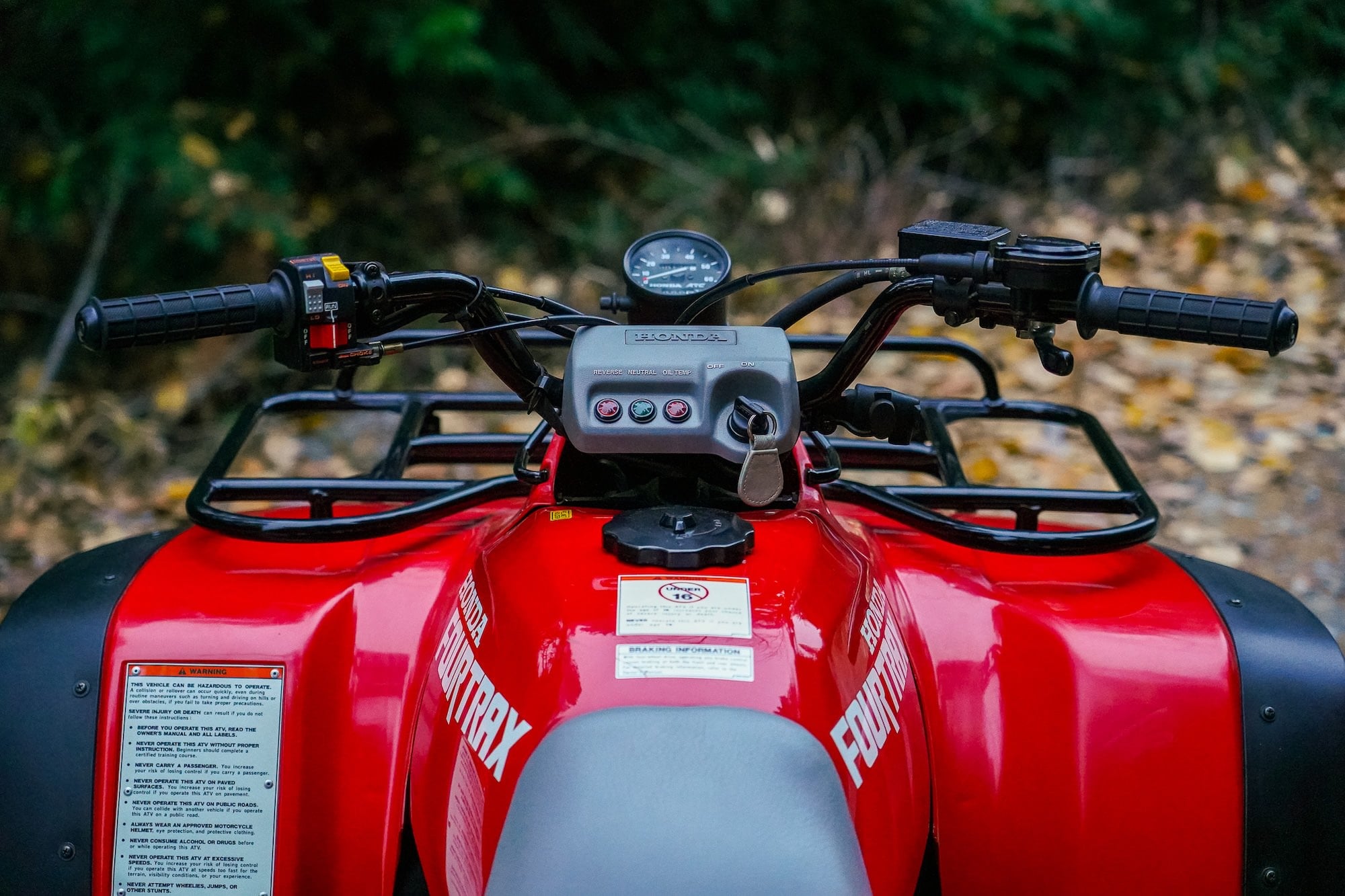
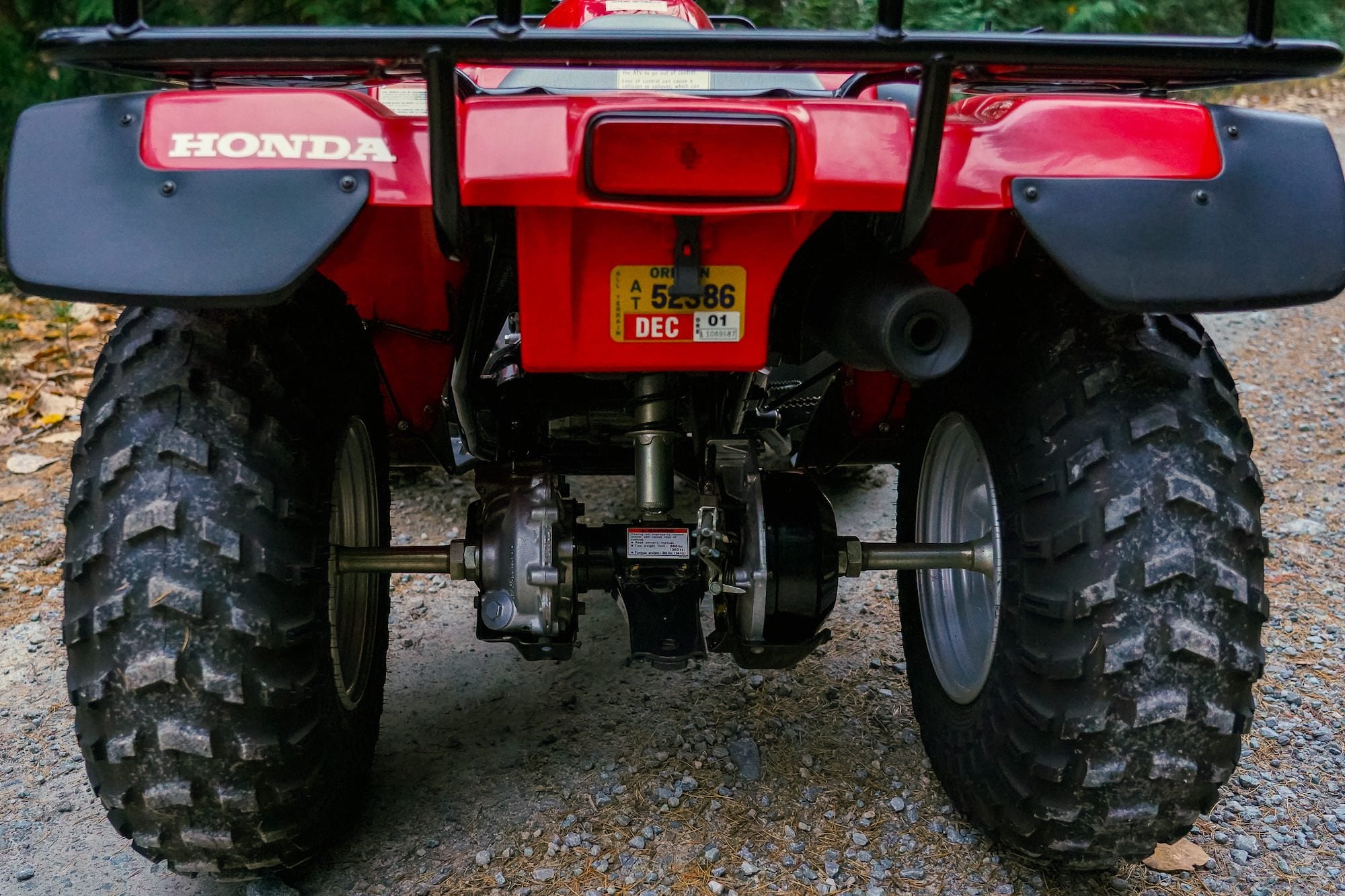
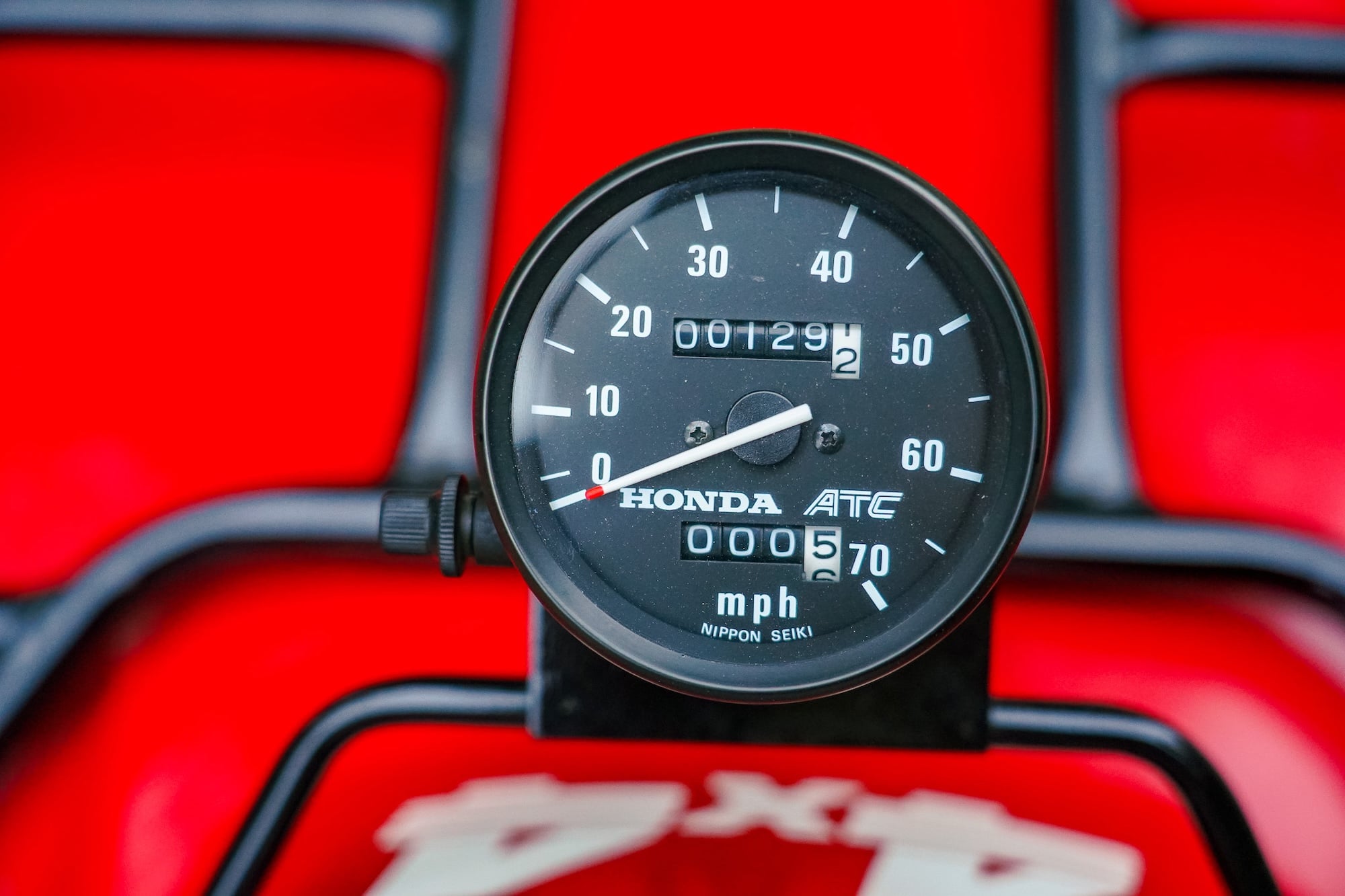
The ATV reportedly spent time in a private collection in Oregon before its current owner bought it in 2026. It’s now offered at no reserve in McAllister, Montana, with its owner’s manual, service manual, original-style tool kit, removable windshield and Montana title. The odometer is five digits, so it can display up to 99,999 miles; its reading is reported as 129.
A 300 Built for Work
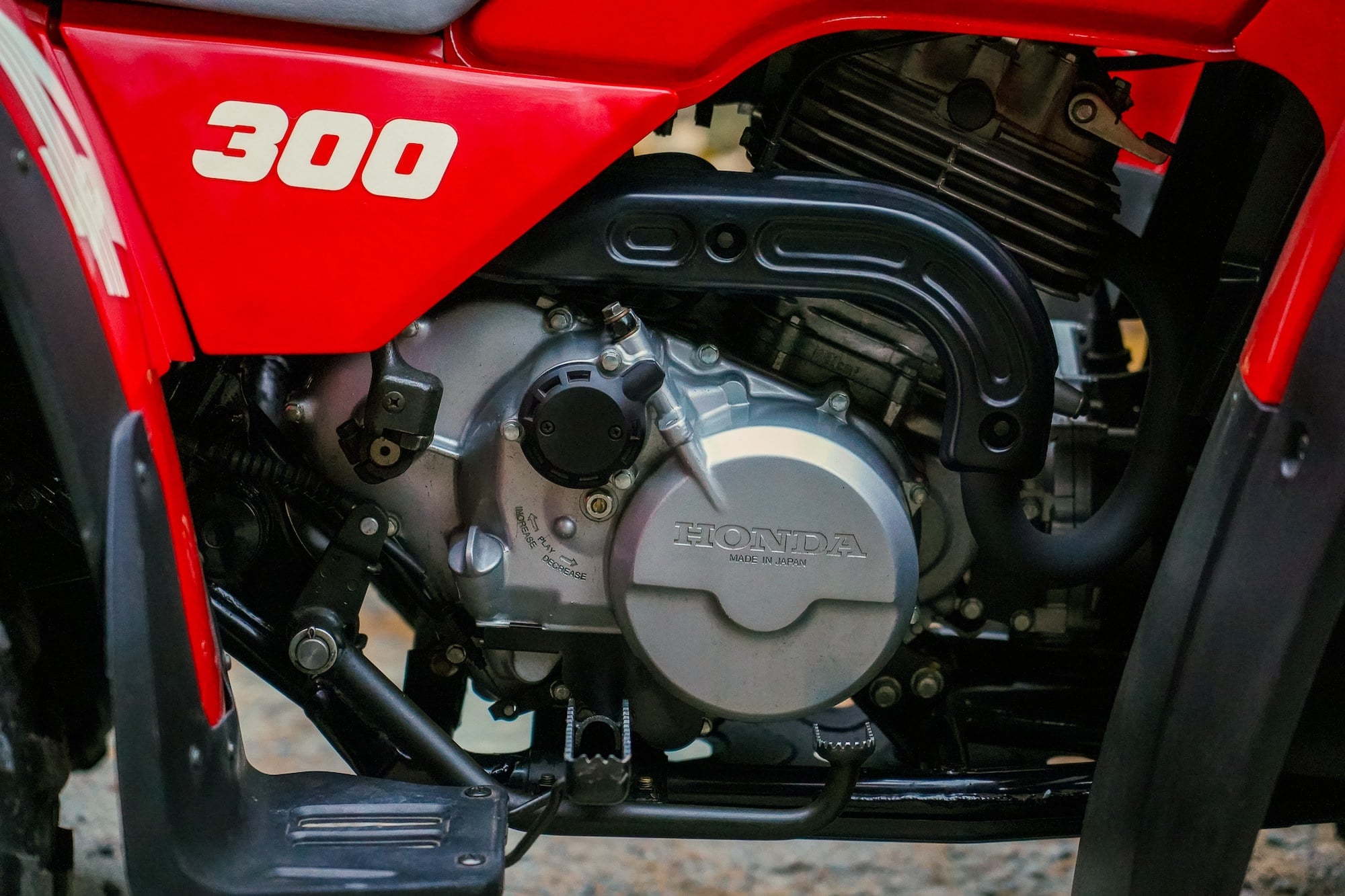
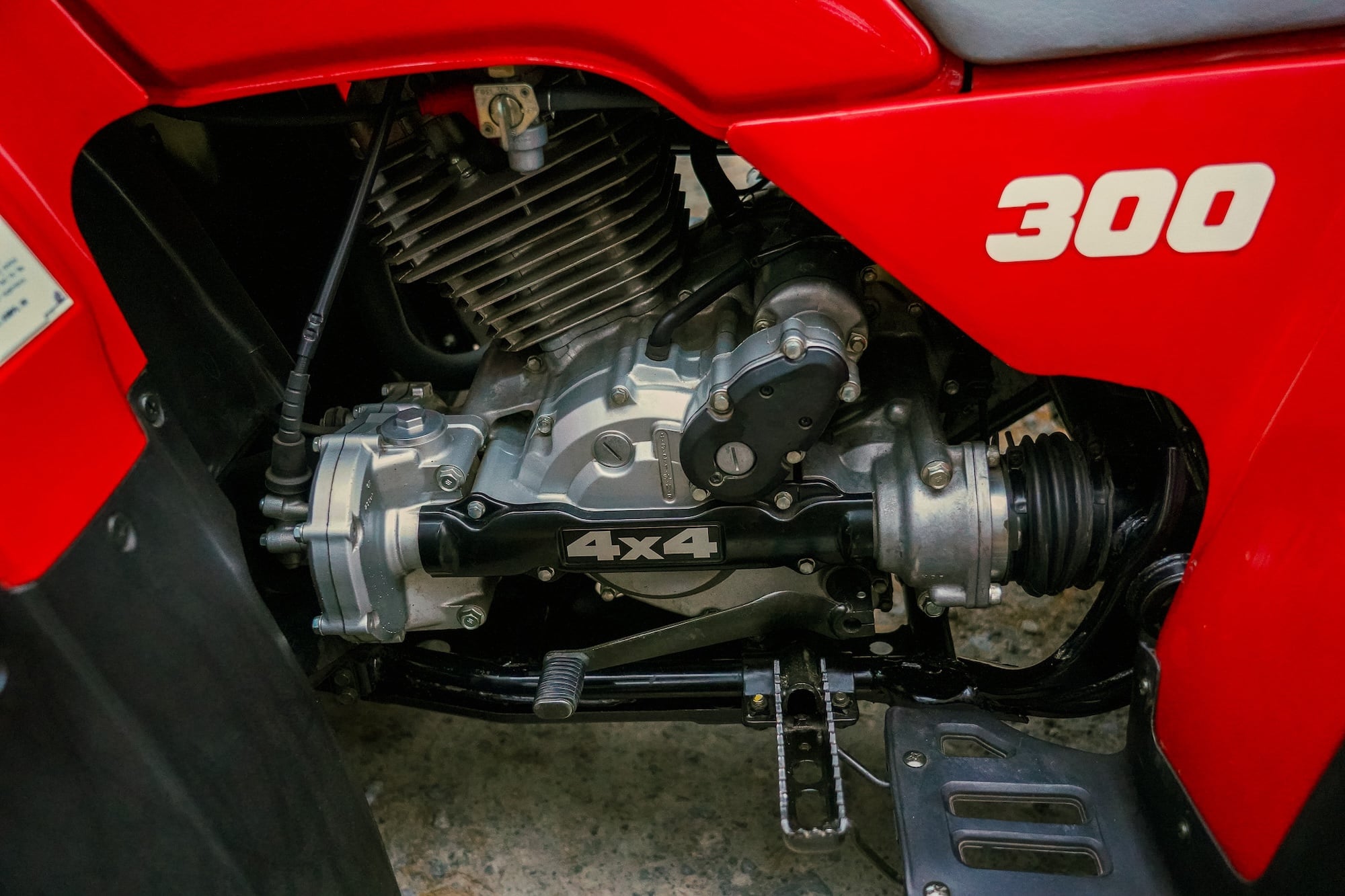
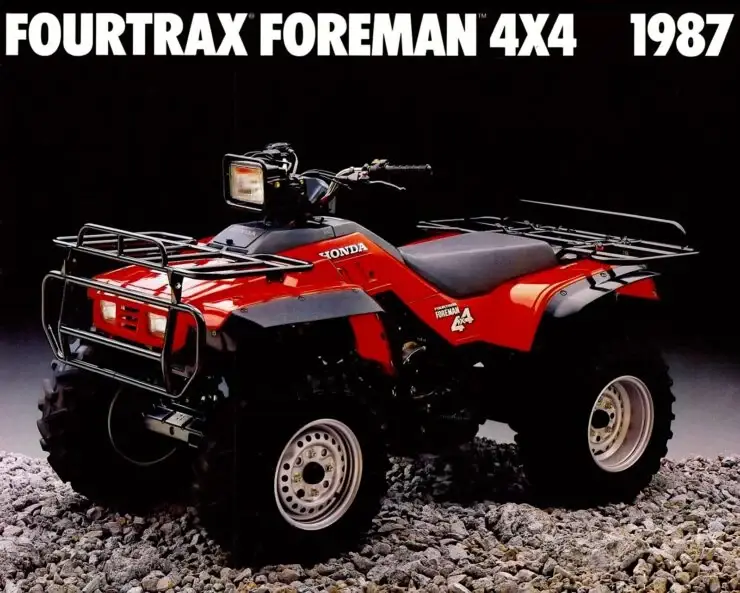
Honda introduced the FourTrax 300 and FourTrax 300 4×4 for 1988. Both use a 282cc air-cooled, four-stroke single rated at 20 bhp, with a five-speed transmission, automatic clutch and shaft drive. The TRX300FW shown here is the four-wheel-drive version, with full-time 4WD and enclosed driveshafts.
That combination suits the job Honda had in mind. The four-stroke single and shaft drive make for a straightforward utility package, while the automatic clutch lets the rider shift through the gearbox without operating a manual clutch lever. Reverse adds maneuverability when backing away from a load or turning around in a tight space.
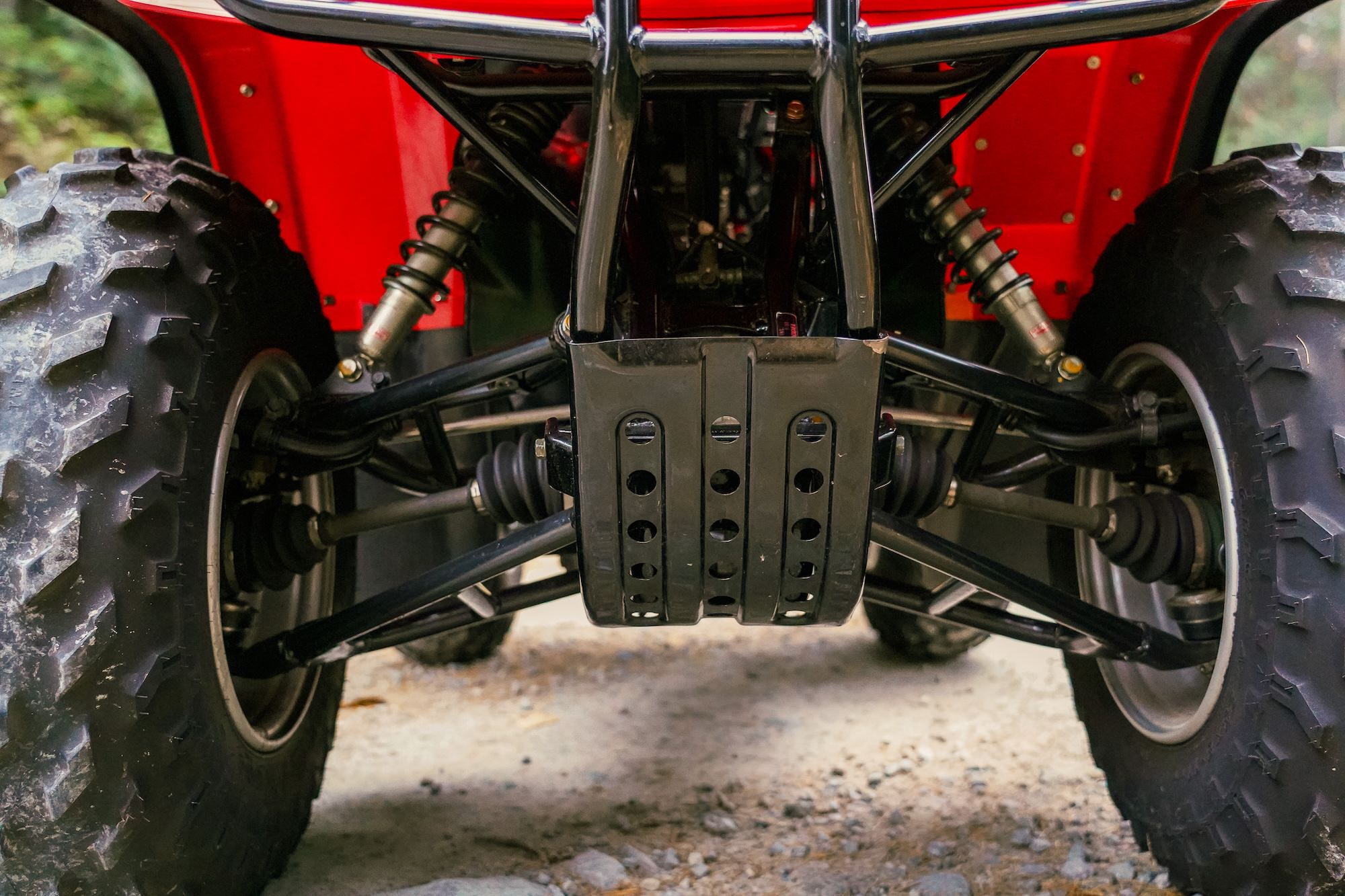
The 4×4 model’s front suspension uses double wishbones and a limited-slip differential. That differential helps the front wheels turn at different speeds through a corner while limiting how far one wheel can spin ahead of the other. The rear uses a swingarm, and the listed equipment includes Showa shocks at the front and a Showa monoshock at the rear. Drum brakes are fitted at both ends.

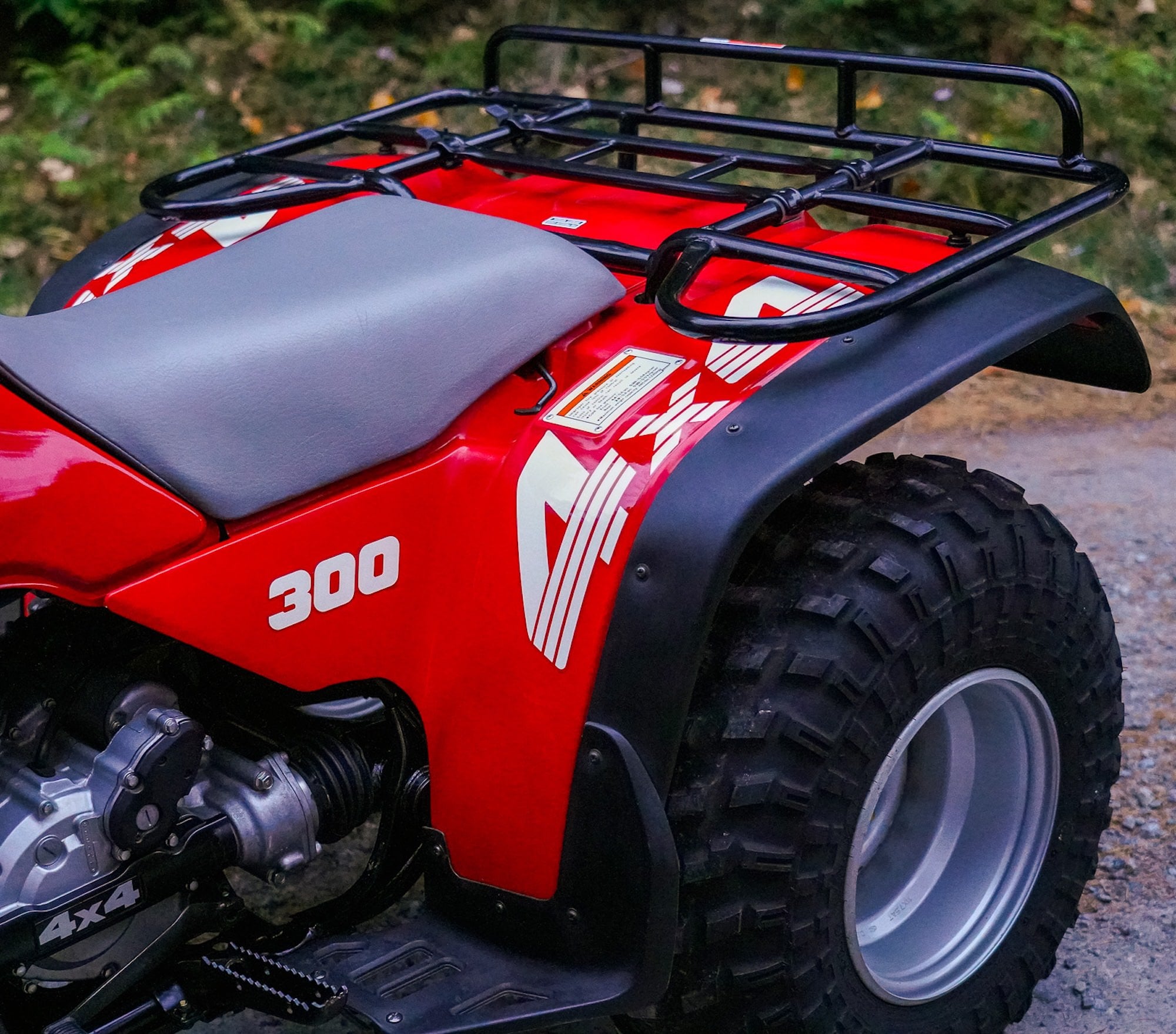
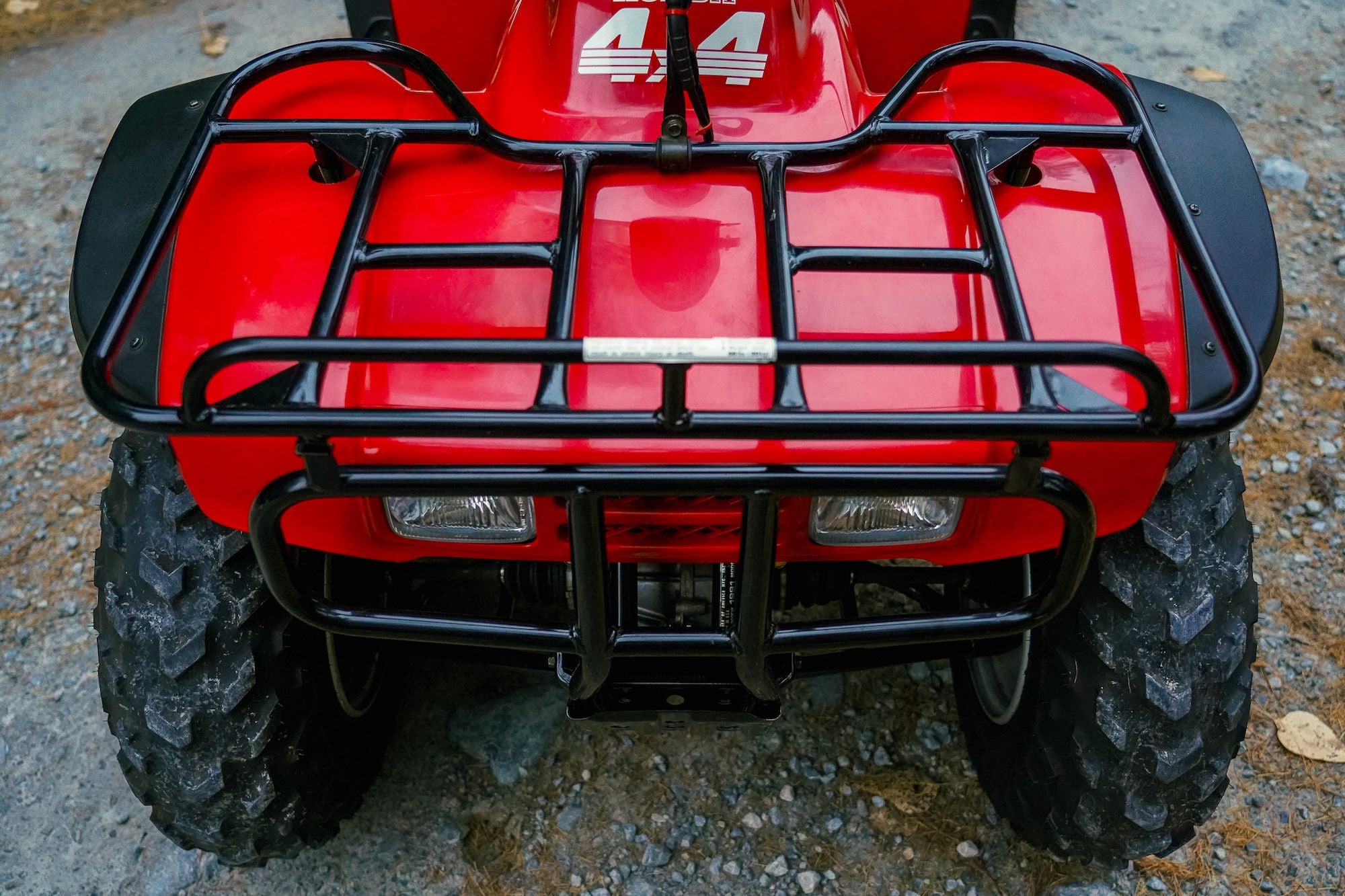
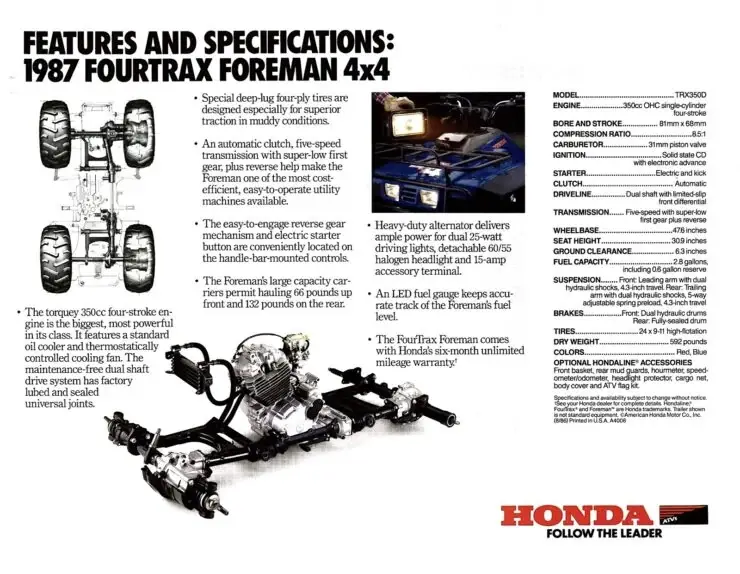
Honda gave the 300 an extra-low first gear for slow, controlled work, and rated its towing capacity at up to 850 lb. The front rack was rated for 66 lb, while the rear rack was rated for 132 lb. Those figures help explain the model’s appeal: it was built to carry equipment and pull a load, not just travel over rough ground.
How the FourTrax Established Its Place
Honda’s four-wheel ATV story began in 1984 with the TRX200, after Suzuki had introduced its QuadRunner in 1982. Honda had already built three-wheeled ATCs, including the US90 in 1970 and the cargo-equipped Big Red in 1982. Its engineers were looking for a more stable agricultural machine with useful carrying capacity.
Honda’s internal engineering figures put ATV fuel use at about 8% of a tractor’s. In preparation for the TRX200, test riders worked for weeks with 50 lb instrument packs. The engineering work pointed toward adding a fourth wheel to improve stability and allow more cargo to be carried. The resulting TRX200 came with a four-stroke single, five-speed gearbox, dual-range sub-transmission, reverse, shaft drive and racks at both ends.
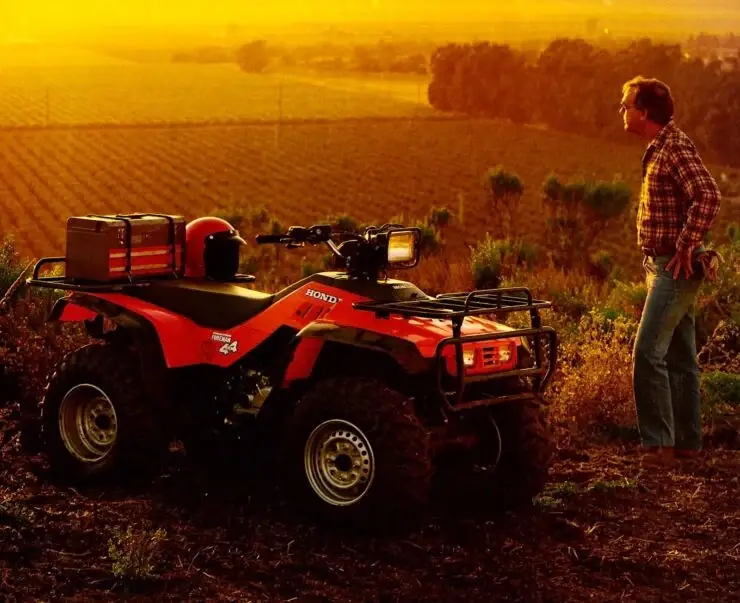
Honda delivered 370,000 ATVs of all types in the United States in 1984, when it held 69% of the market. The TRX200 later took on the FourTrax name, and the range broadened quickly. In 1986, Honda introduced the TRX350 FourTrax 4×4, described by the company as the first four-wheel-drive ATV. Its 350cc four-stroke single used a counter-balancer and fan-assisted oil cooler, with a centrifugal automatic clutch, five-speed gearbox, reverse and shaft drive to both axles.
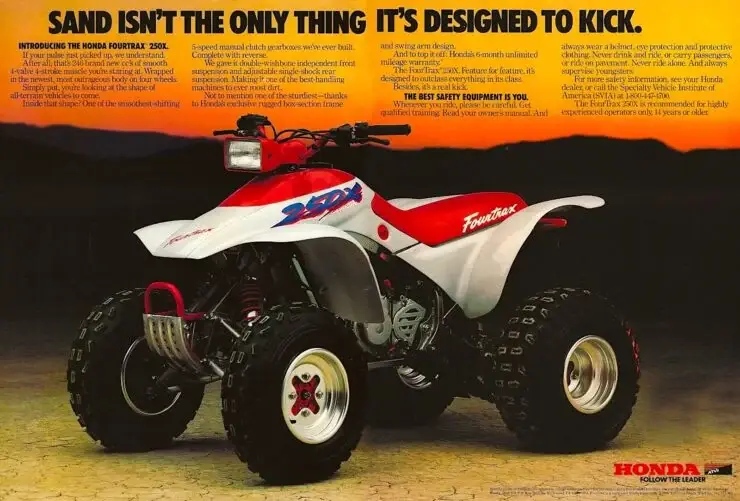
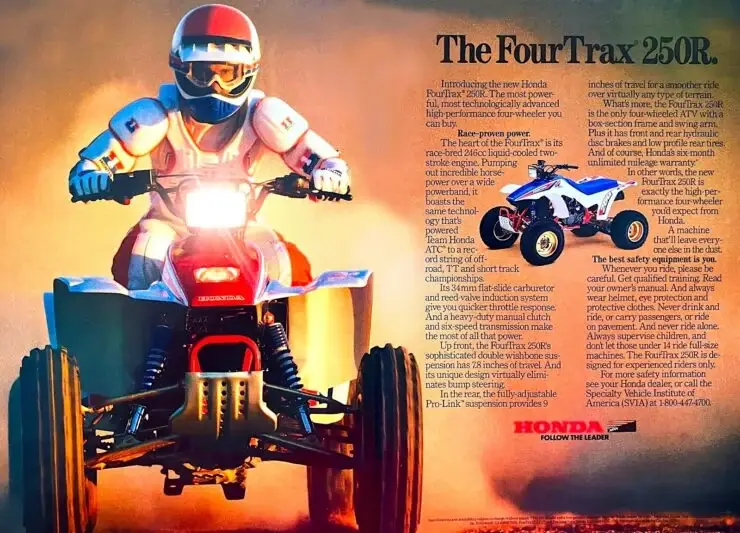
The same year brought the sporting TRX250R, with a liquid-cooled 246cc two-stroke single, close-ratio six-speed gearbox, chain drive, steel frame, double A-arms up front and Pro-Link rear suspension. Honda’s utility and sport machines show how quickly the four-wheel ATV format spread from farm work into racing and recreational riding.
A Long-Running Honda Favorite
The two-wheel-drive FourTrax 300 replaced the TRX250 and weighed 42 lb less than the 4×4. It used MacPherson strut front suspension, while the TRX300FW received the double-wishbone layout and limited-slip front differential. Honda kept the pair in the lineup through the 2000 model year and reported combined sales of more than 530,000 units.
Honda’s later utility ATVs carried forward several ideas that appeared during the FourTrax 300’s run. The 1995 Foreman 400 used a 395cc single mounted longitudinally, with its crankshaft aligned with the driveshafts to reduce the number of changes in power direction. The layout later appeared on the Recon and Rancher. The 1998 Foreman ES added push-button shifting, while the 2001 Rubicon paired a liquid-cooled 500cc single with Honda’s hydraulic Hondamatic transmission.
Today, Honda still uses FourTrax for multipurpose ATVs, with sport machines carrying the TRX designation. The 300’s long production run and strong reported sales make this 1991 example a representative specimen of a model that helped define the utility quad.

Equipment and Sale Details
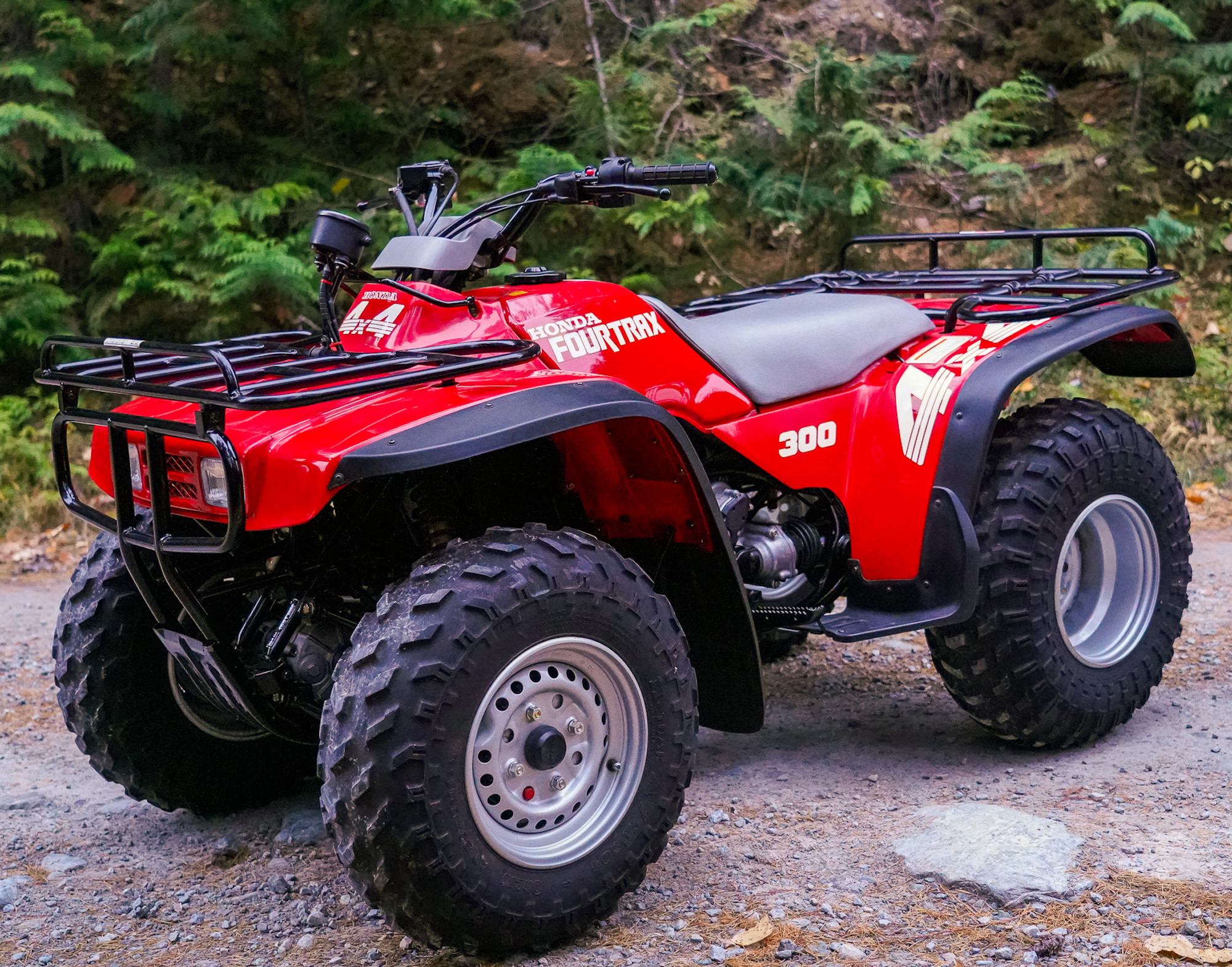
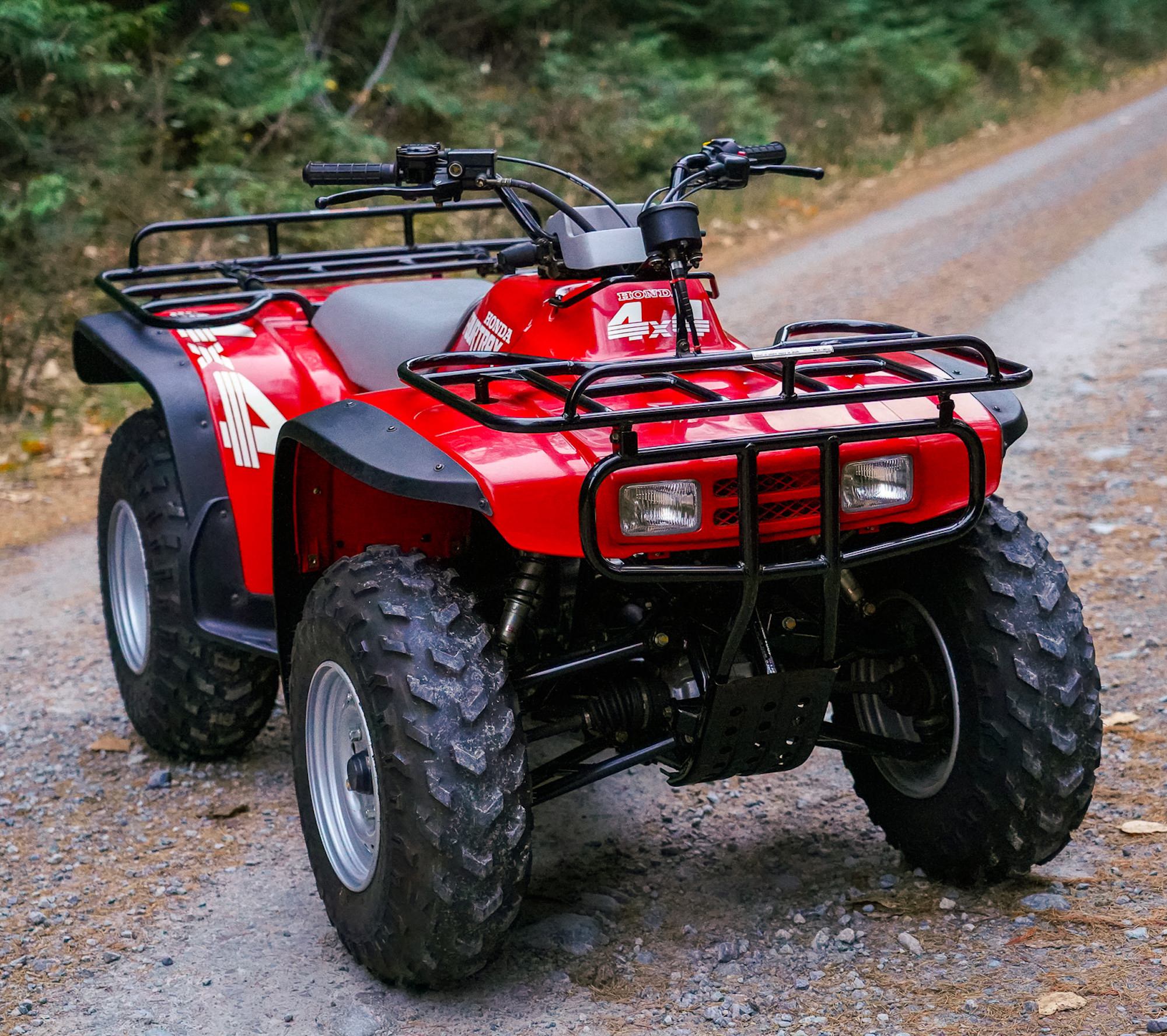
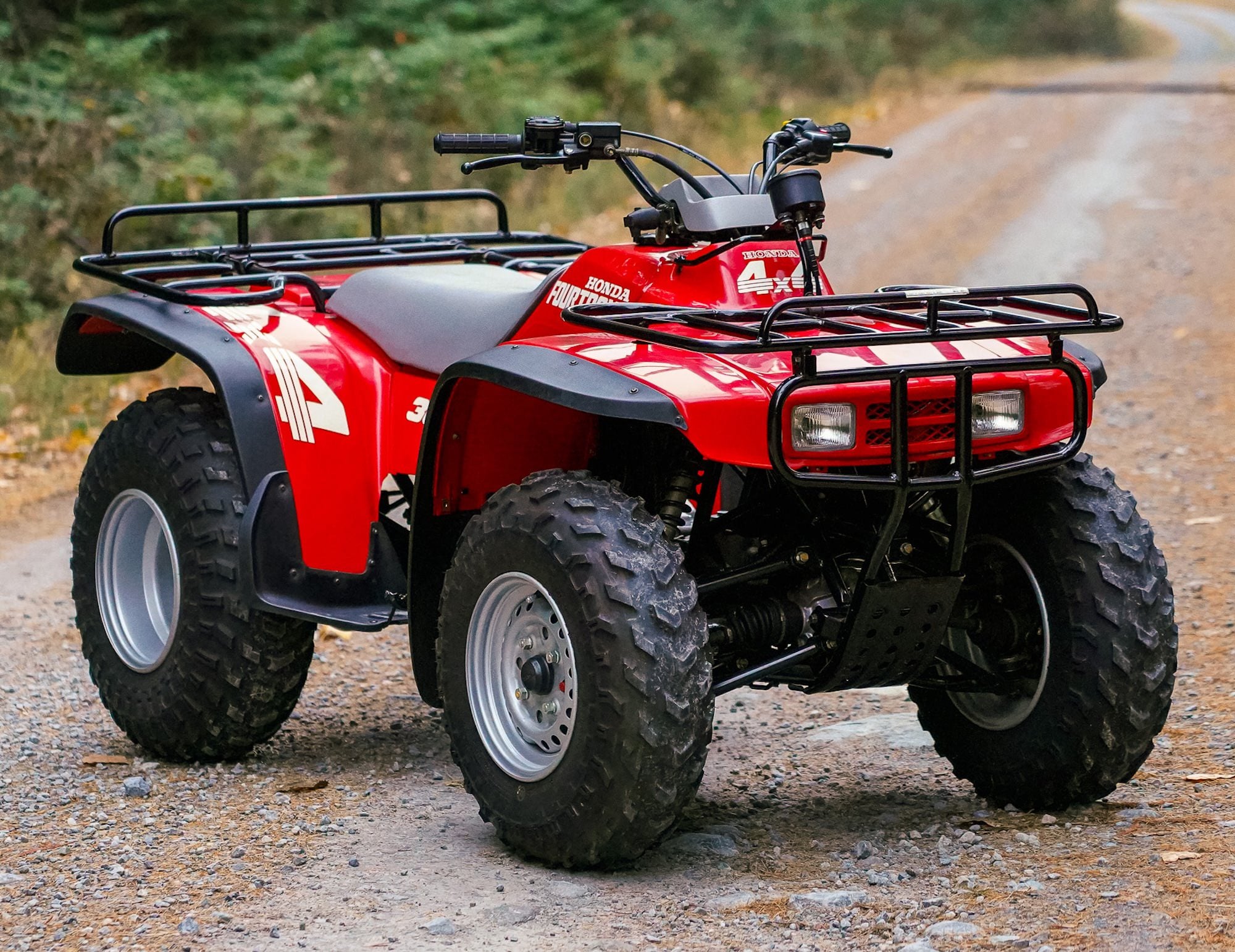
This TRX300FW wears red bodywork with white graphics over a black steel frame. Its equipment includes front and rear cargo racks, a grey vinyl solo seat, a four-gallon fuel tank, trail lighting, high-mounted exhaust, toolbox, skid plates and mudflaps. Eleven-inch steel wheels wear Ohtsu tires, and the Nippon Seiki speedometer includes both a trip meter and odometer.
The low indicated mileage and retained accessories make the machine especially interesting to anyone who values original configuration. The included manuals and tool kit add useful period equipment, while the removable windshield gives the next owner another piece of the ATV’s practical setup to keep or remove.
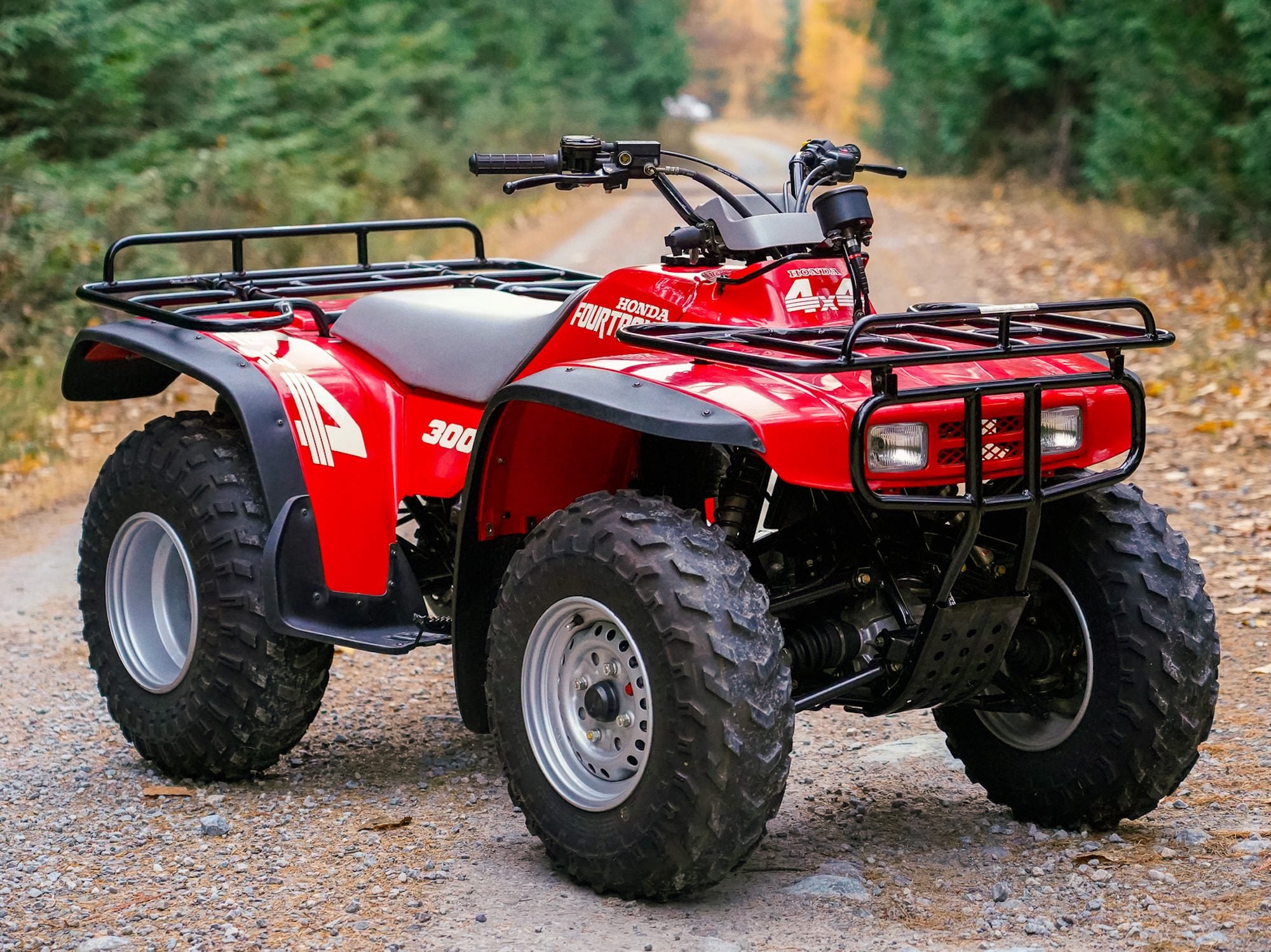
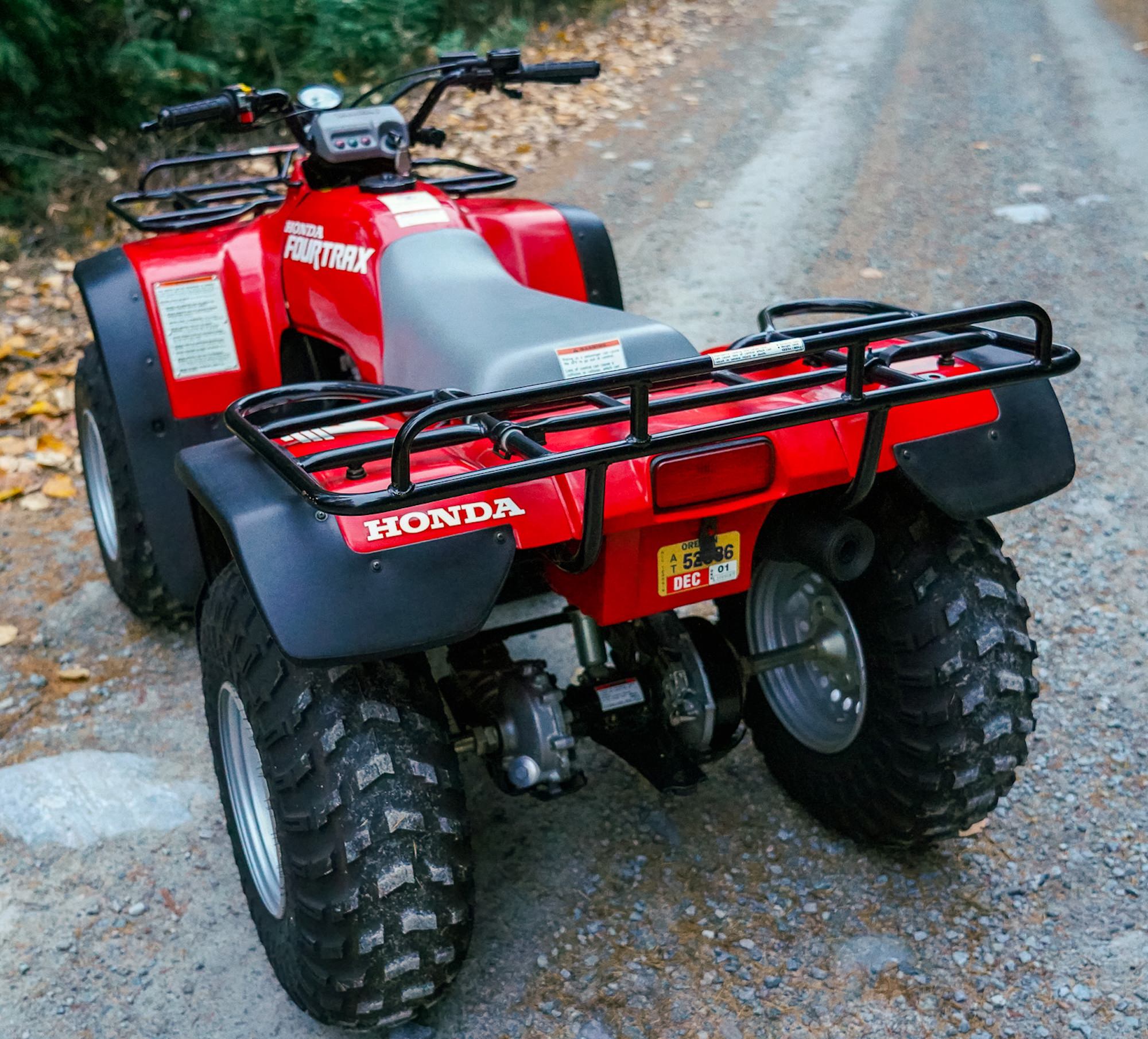
The 1991 Honda FourTrax TRX300FW reportedly spent time in an Oregon collection before its current owner bought it in 2026. Its five-digit odometer shows 129 miles.
The TRX300FW’s enduring appeal is easy to understand: it combines a low-range work gear, full-time four-wheel drive, rack capacity and a simple air-cooled single in a compact package. This example’s condition and included equipment make it a particularly vivid snapshot of Honda’s utility ATV formula.
It’s offered at no reserve from McAllister, Montana. The sale listing is available here.