Ceramic Coating Isn’t the Whole Story: Prep and Product Choice Matter
A coating’s name and water beading don’t tell the whole story. Surface prep, curing and regular care shape how long paint protection performs.

Paint protection comes down to more than the word “ceramic” on a bottle. In the detailer’s experience described here, a professional-only coating was still performing after two and a half years without toppers, with basic washes. That result rested on the work around the application: thoroughly cleaning the paint, correcting its appearance to the owner’s standard, and protecting the coating from moisture during its curing window.
Choosing the coating also involved assessing the company behind it, beyond its advertised durability period. That matters because a product’s stated lifespan doesn’t describe the complete ownership routine or the condition of the surface it’s applied to. A well-prepared panel gives a coating a better starting point; a neglected or contaminated one can compromise the result before the product has had a chance to perform.
Consumer products can last with the right conditions
A professional application isn’t the only route to meaningful protection. The detailer reports that a vehicle treated with Gyeon Pure remained effective for close to three years. That car was garage-kept, a condition worth keeping in mind when comparing its result with a vehicle parked outside and exposed to harsher conditions.

The example points to a useful distinction: performance depends on both the product and the life the vehicle leads. Garage storage may reduce exposure to weather and contaminants, while frequent driving, outdoor parking and inconsistent washing can put more demands on a protective layer. The reported duration is one owner’s experience, not a guaranteed interval for every car.
Sealants deserve a place in the conversation
Before “ceramic” became a common selling point in detailing, traditional paint sealants offered durable protection without that label. Jescar Power Lock is cited as a long-running product whose performance can exceed that of some ceramic spray products. Jescar Ultra Lock Plus is described as an updated option with some ceramic-labeled ingredients, though “ceramic” isn’t in its name.
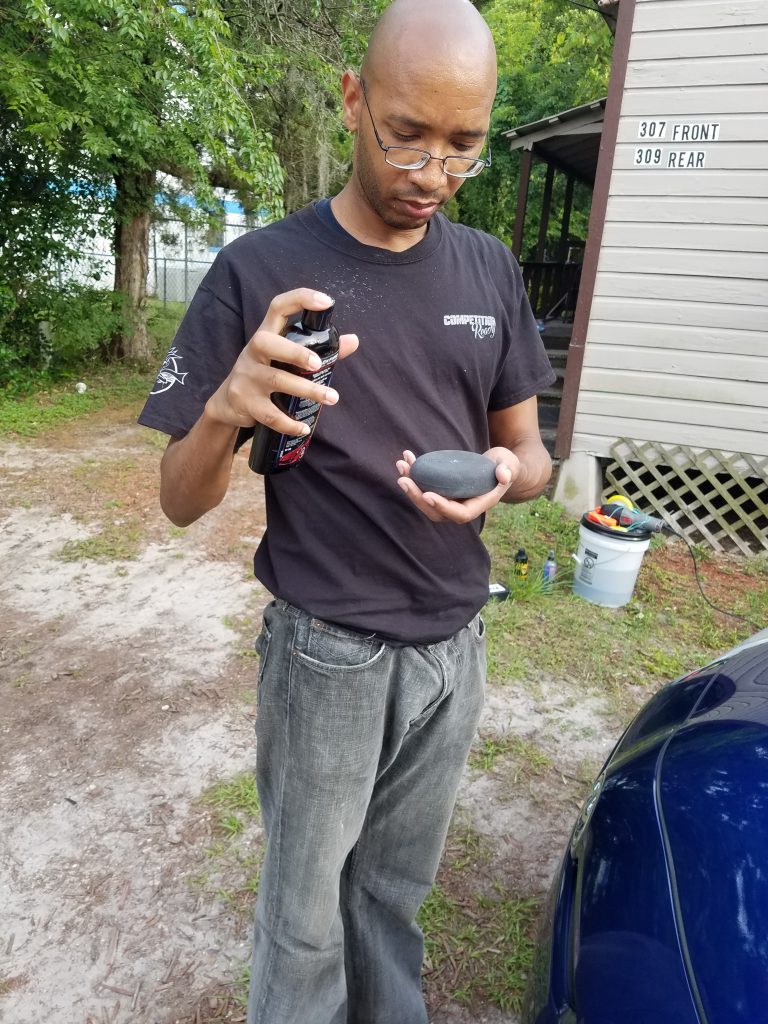
Collinite Ceramic Spray is another product the detailer enjoyed using. As with the other sealants discussed, preparation and allowing time to cure can make a substantial difference. That’s the practical lesson behind the product comparisons: a familiar sealant applied to clean, prepared paint can be a stronger choice than a spray product selected mainly for its label.
Surface preparation sets the ceiling
A quick wash followed by a ceramic-labeled spray can add some protection, depending on the product. Expecting that shortcut to deliver six months or more of durability without careful preparation is a different matter. Both traditional and spray-on sealants, along with true ceramic coatings, perform better on a clean surface.
For paint that needs it, preparation may include claying to remove bonded contamination. Older paint may also benefit from light polishing to address oxidation that can develop even when it isn’t obvious by eye. Polishing and coating are often paired because polishing improves the surface before the protective product goes on; it isn’t the coating itself doing that correction.
That doesn’t mean every vehicle needs the same treatment. The paint’s age and condition should guide the work. A newer, well-kept car may need less correction than an older one with visible defects or contamination. The useful question is whether the surface is ready for the product being applied, rather than whether the bottle promises a certain lifespan.
Beading is a visible effect, not a full report
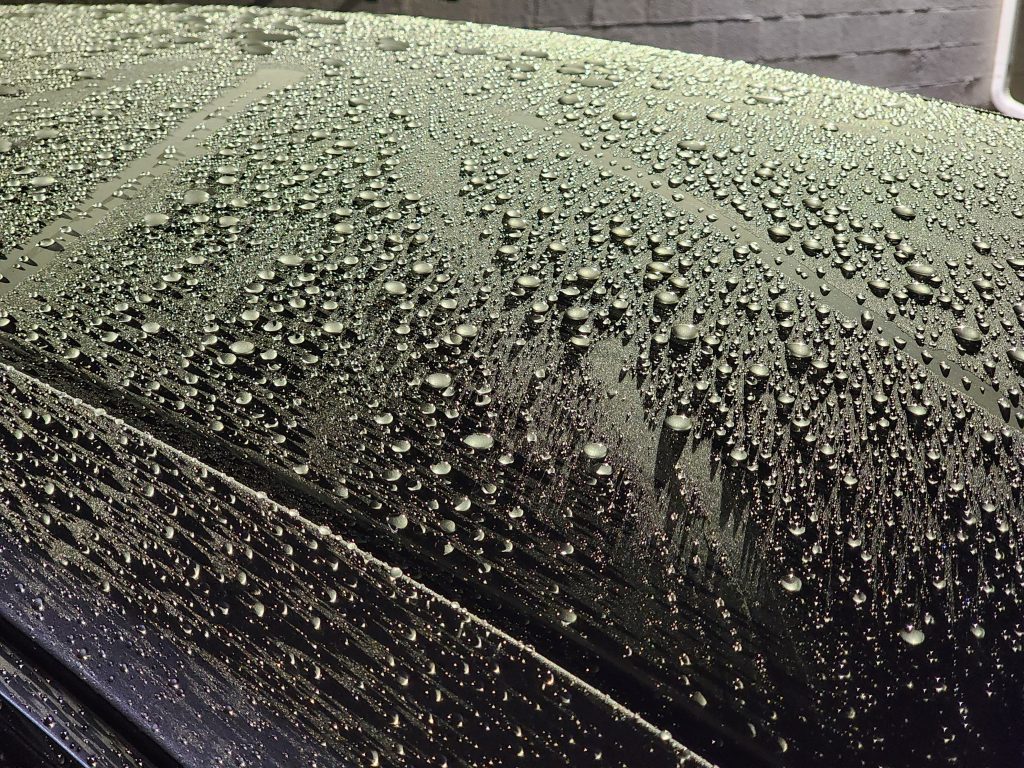
Water beading is satisfying, but it’s an incomplete way to judge protection. A freshly cleaned and polished car can bead water even without a protective product. Surface tension can also create beading without proving that the treatment is suitable for the paint or will last.
Nor does the absence of dramatic beading automatically mean that paint has no protection. Beading is one visible behavior, while protection is part of a broader care process that includes the quality of the prep and how the vehicle is maintained. The owner remains part of that process regardless of how much was spent on the application.
For product selection, the detailer lists Gyeon Pure Evo as a consumer-level ceramic coating; Collinite 100 Beadcoat Ceramic Sealant and Jescar Ultra Lock Plus as paint sealants; and Jescar Power Lock Plus Polymer Sealant as a long-established traditional sealant. These are products the detailer says they’ve used personally and professionally.
The practical takeaway is to judge a protection system by the paint’s preparation, the product’s fit for the vehicle and the care it receives afterward. A ceramic name and a strong bead can catch the eye; clean paint, thoughtful application and realistic expectations are what make the protection count.


