InterClassics Brussels 2026: Group B Rally Icons and Mille Miglia Cars
InterClassics Brussels paired Group B rally machinery with accessible classics and four Mille Miglia veterans, from a Fiat 1500 6C to a one-off Autobleu.
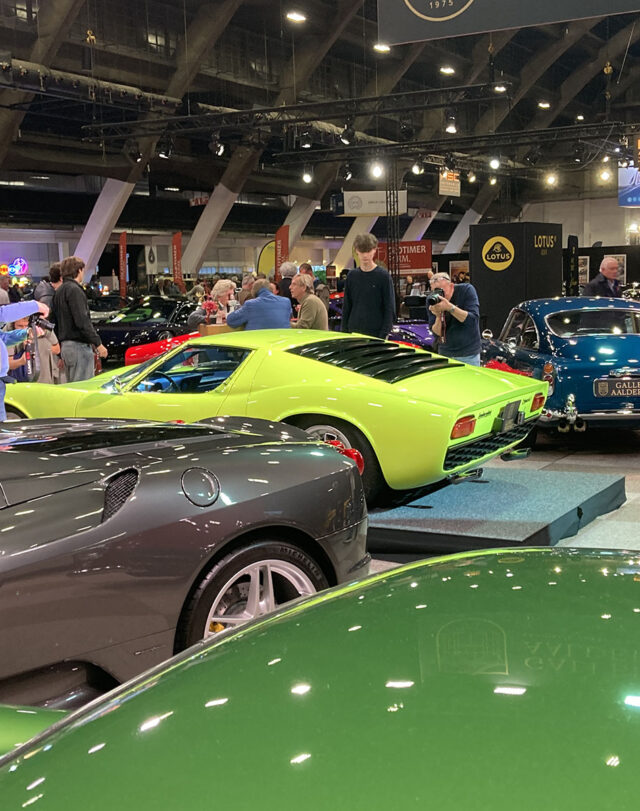
InterClassics Brussels 2026 made its case through range: a hall of Group B rally icons, approachable youngtimers and rare pre-war machinery with Mille Miglia history. The 11th edition brought enthusiasts to Brussels Expo’s Centenary Palace, a 1935 building whose grand setting suited the variety inside. The show’s emphasis on attainable classics gave the cars room to speak for themselves, even without the ultra-high-value rarities that sometimes dominate major gatherings.
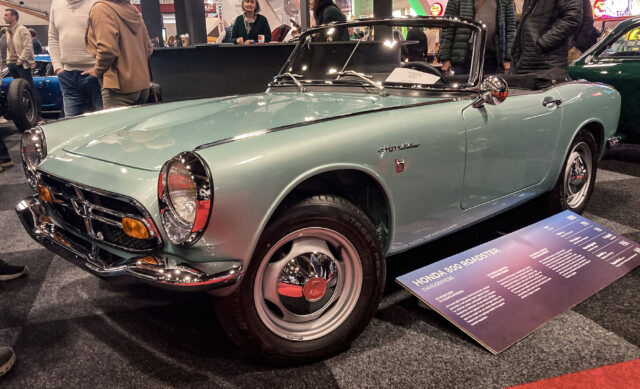
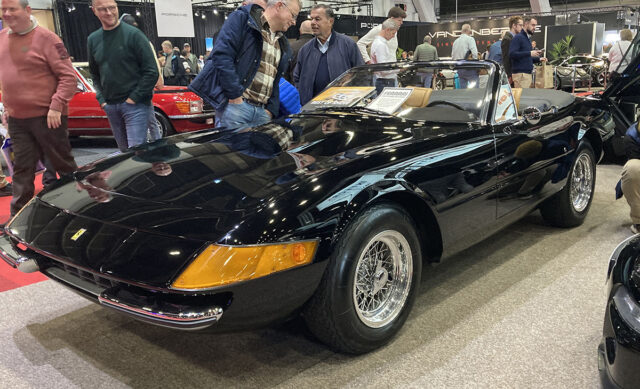
Some displays rewarded a longer look. A Lamborghini Miura in Verde Scandal brought vivid color and unmistakable mid-engined drama; the Best of Show Ferrari 365 GTS/4 Daytona Spider offered a different kind of Italian presence. A 1935 Fiat 508 C, bodied by Belgian coachbuilders Bidée and De Mola, stood out for its local craftsmanship, while the compact Honda S800 Roadster made a persuasive case for small-scale sports-car charm. Gallery Aaldering, Marreyt and Colombo and Co were among the dealers with standout displays, with Marreyt taking the Best Stand Presentation award.
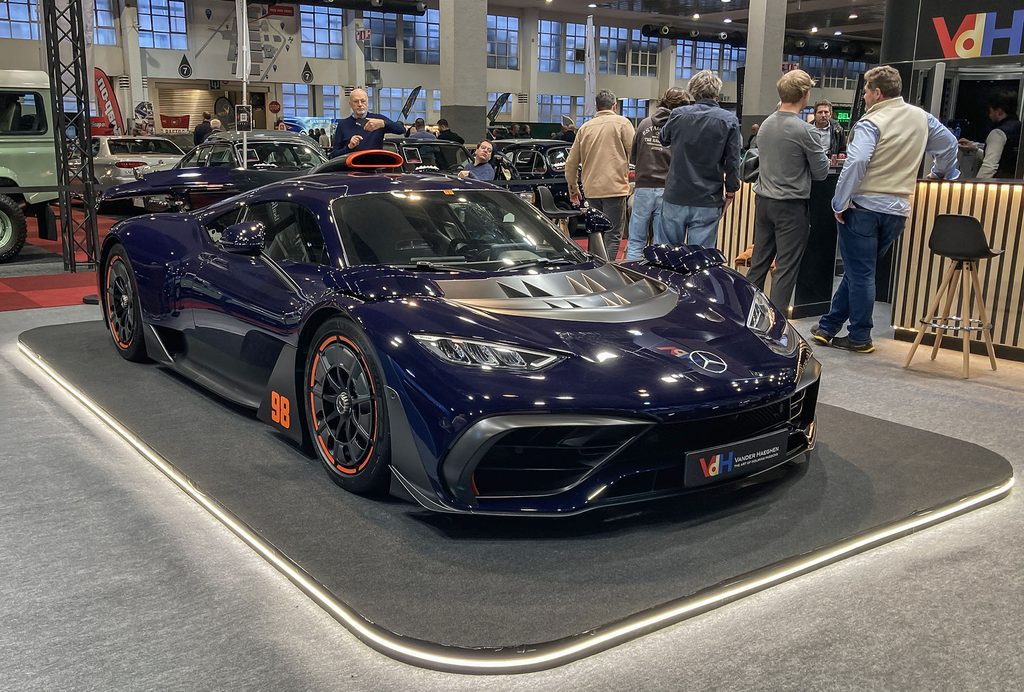
Modern performance cars provided a sharp change of pace among the older machinery. The display included a Mercedes-AMG ONE and one of 250 PureSpeed siblings, alongside a 2024 Ferrari SF90 XX Spider and a 2021 Ford Carbon Series GT. Their presence made an effective counterpoint: contemporary engineering on one side, decades of changing design and competition history on the other.
Group B takes the spotlight
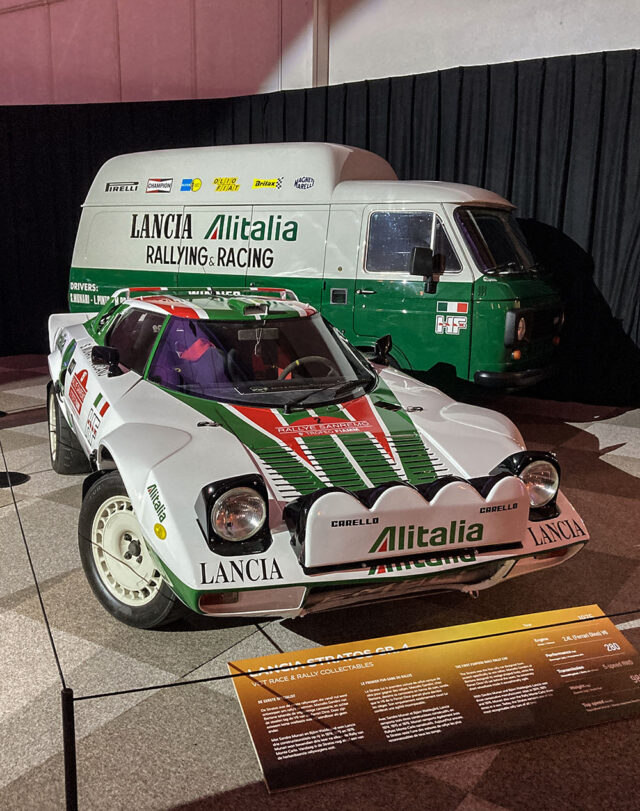
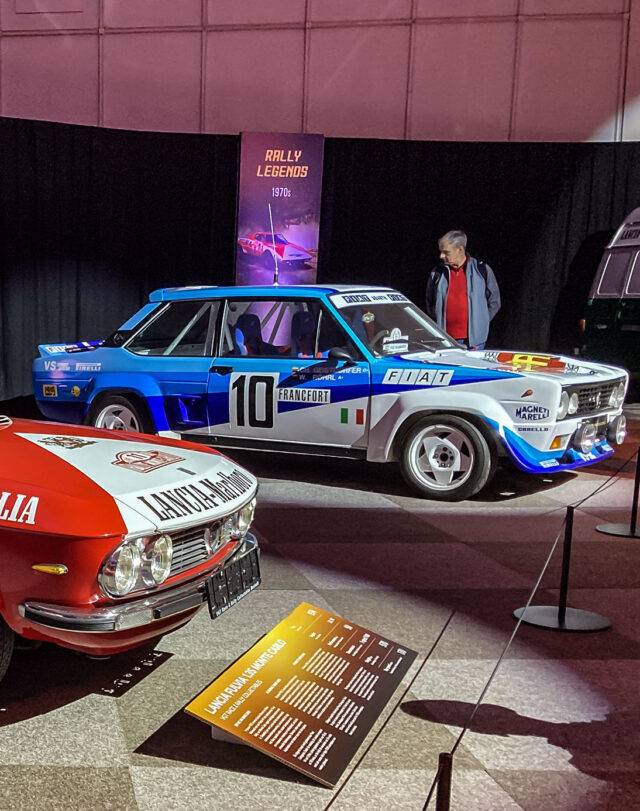
The 2026 feature display turned to Rally Legends, with a separate hall staged around cars from the Group B era and its neighbors. Familiar names included the Lancia Stratos, Audi Quattro, Toyota Celica and Subaru Impreza, joined by an RS200, a 037 and a Bastos-liveried Group A BMW M3. The mix showed how rally character came through in many forms, from compact, purpose-built machines to production-based cars made distinctive by their competition work.
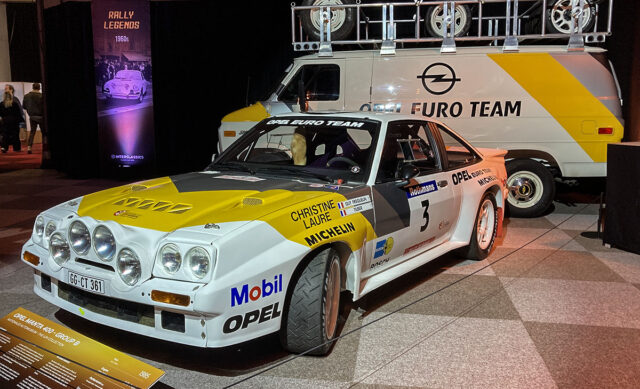
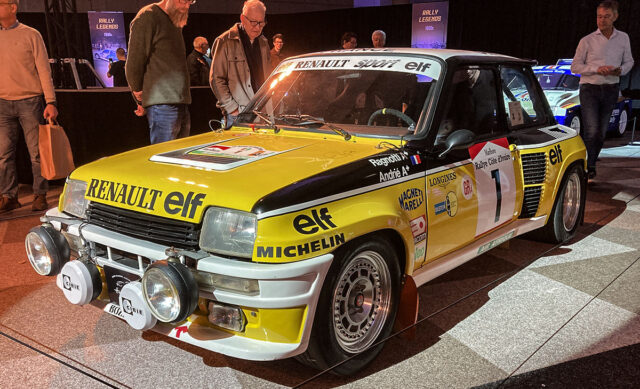
A 1985 Opel Manta 400 Group B was a particular highlight. Driven by Guy Fréquelin and supplied by the Nationales Automuseum – Loh Collection, it was displayed beside its Opel Euro Team Chevy support van. That pairing gave the car useful context: the competition machine was part of a working team operation, not an isolated exhibit. Nearby, visitors could see Ragnotti’s 1982 Groupe 4 Renault 5 Turbo and the 1980 Fiat 131 Abarth driven by Walter Röhrl and Christian Geistdörfer.
Small cars, unusual ideas and a Carrera GT
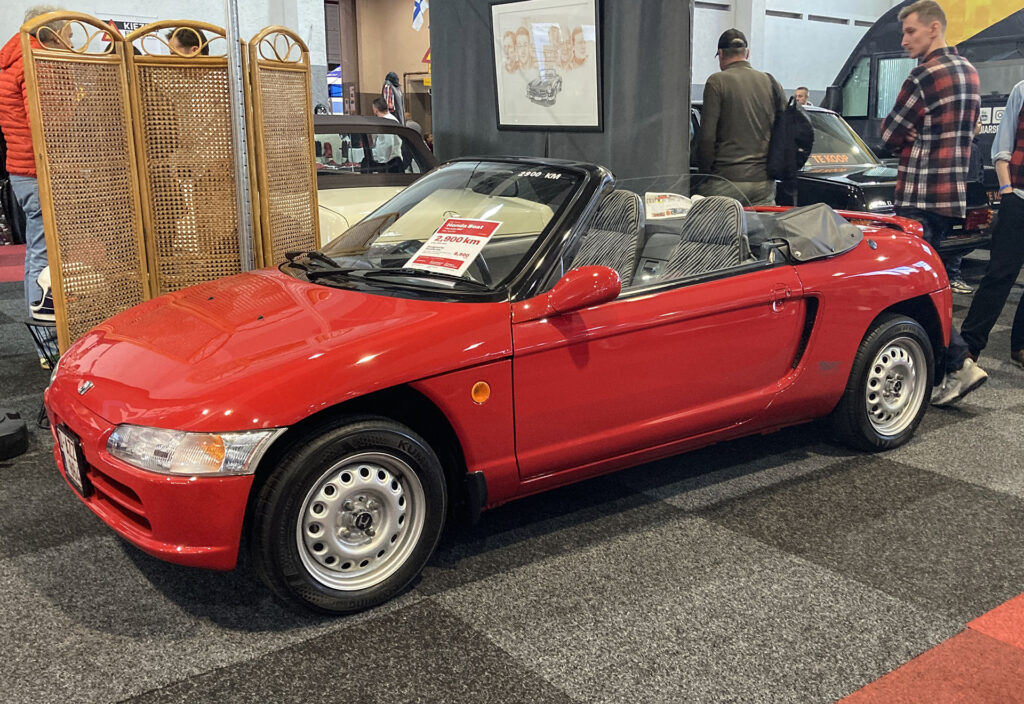
Beyond the feature halls, club displays, automotive art, industry demonstrations and automobilia gave the show its busy, browsable feel. Among the smaller temptations was a red Honda Beat, presented as a barn find with just 2,900km showing. Its mid-engined layout, zebra-pattern seats and €21,250 asking price made it an eye-catching entry point into the show’s sales side. An odometer reading and barn-find description are only part of a car’s story, of course, but they give visitors concrete details to investigate when assessing a prospective purchase.
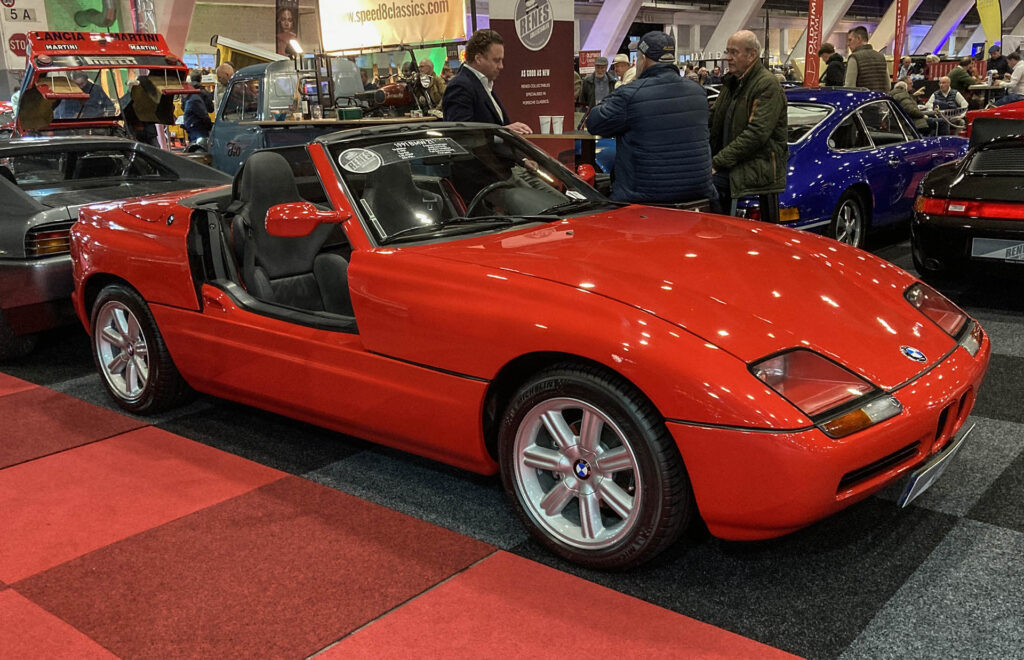
A 1991 BMW Z1 offered another kind of curiosity. This example had two owners, 74,000km recorded and an asking price of €54,950. Its drop-down doors make it unlike the usual BMW roadster, while the known ownership history and mileage give the listing practical points for a buyer to follow up on.
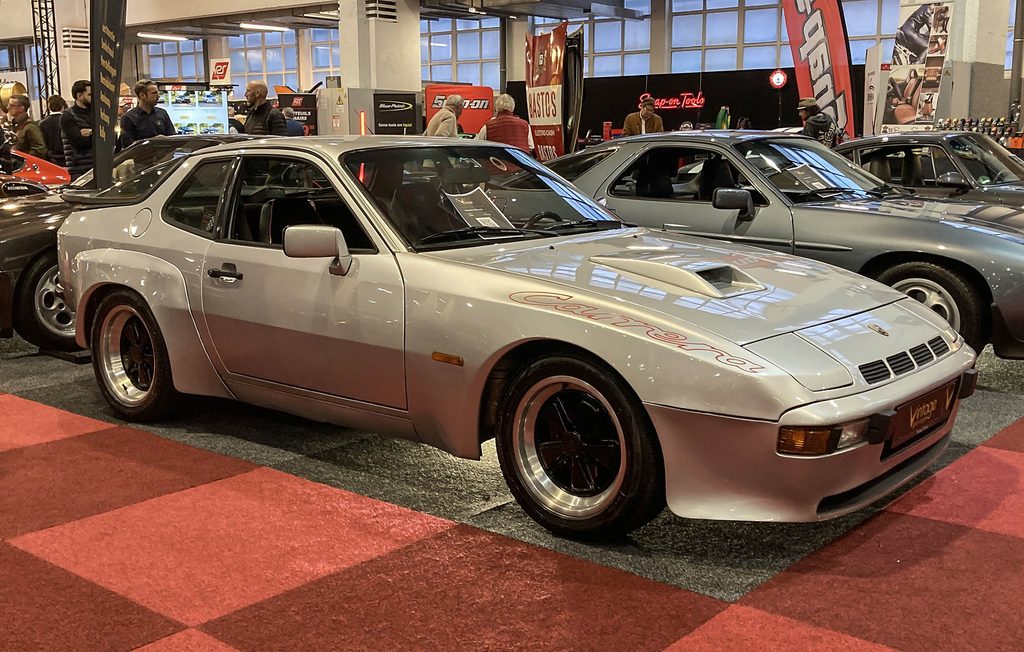
The “Carrera GT” badge appeared on a very different car from the V10 Porsche bearing that name in an adjacent hall. Here it belonged to a 1980 Porsche 924 Carrera GT, one of 400 homologation specials. The example was offered at €77,750. The 924 Clubsport GTS sat above it as the model range’s pinnacle, with only 15 made. That small production figure helps explain why the Carrera GT occupies a distinct place within the 924 family.
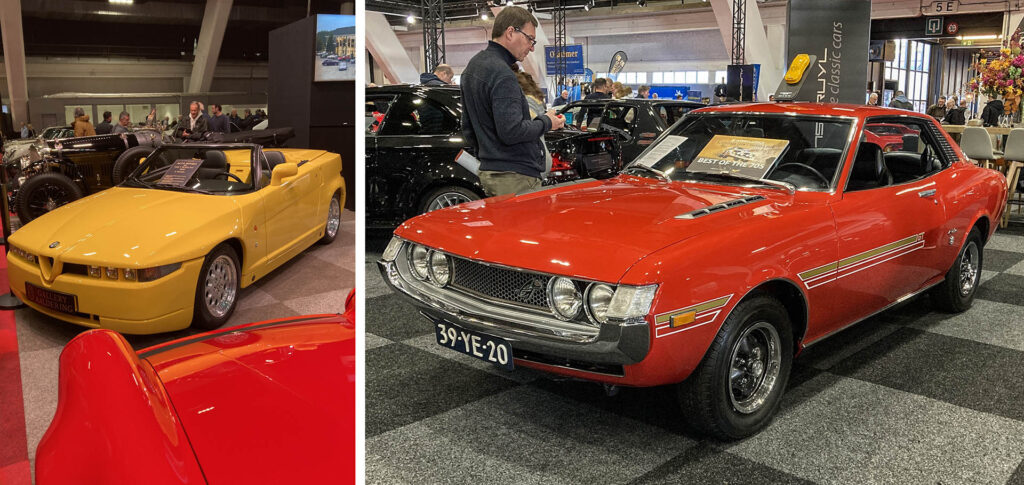
For buyers drawn to early Japanese coupes, Alphons Ruyl Fine Classic Cars had a 1974 Toyota Celica 1.6 GT DOHC with less than 50,000km on its clock, priced at €49,500. A 1995 Alfa Romeo RZ in Giallo Ginestra over black leather drew attention on the Gallery Aaldering stand. This low-mileage convertible, nicknamed “il Mostro,” was offered for €119,500. Its angular styling sets it apart even among the more eccentric Alfa Romeos.
Mille Miglia history in four different forms
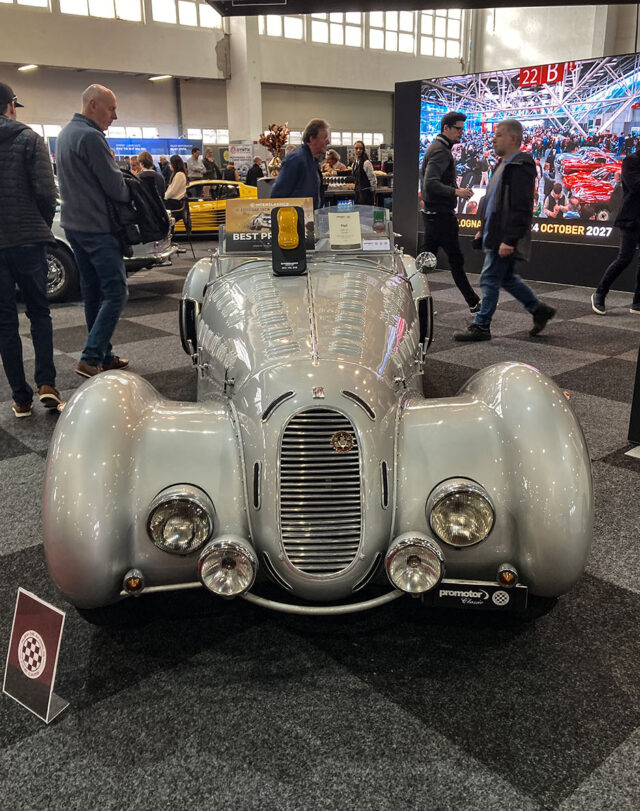
With the Mille Miglia’s centenary approaching in 2027, four cars at Brussels connected the show to the event’s long competition history. The 1938 Fiat 1500 6C Turolla had taken part three times, from 1947 to 1949, and won InterClassics’ Best Pre-War Car award. Bonhams sold it for €368,000 including premium in February 2025; at Brussels, Promotor Classic listed it as price on application.
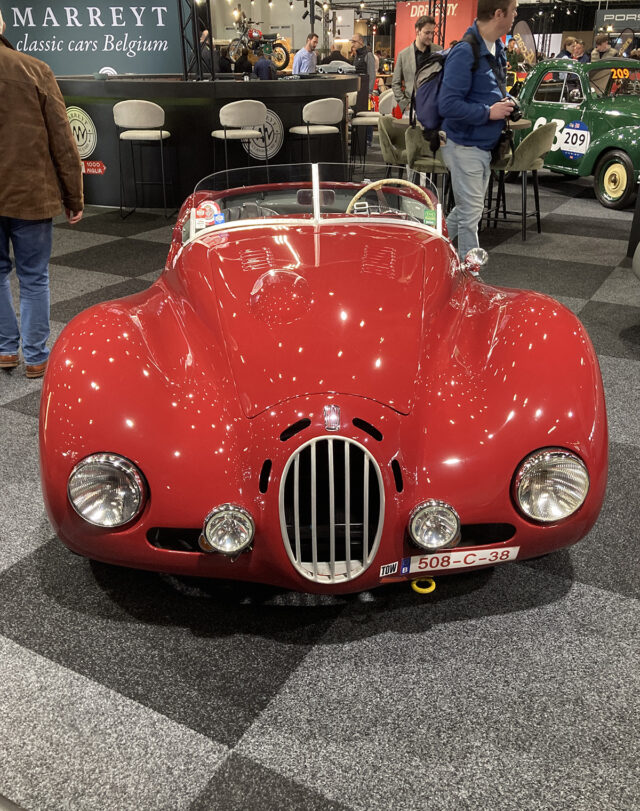
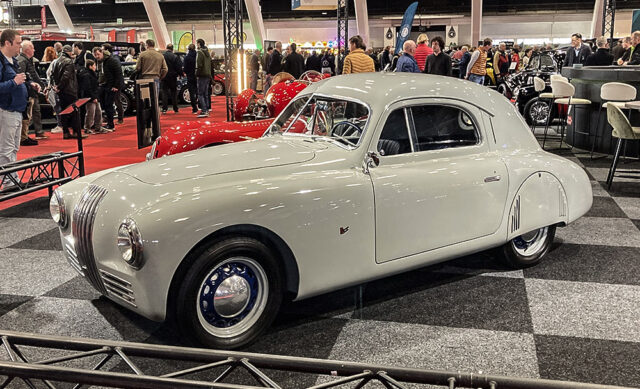
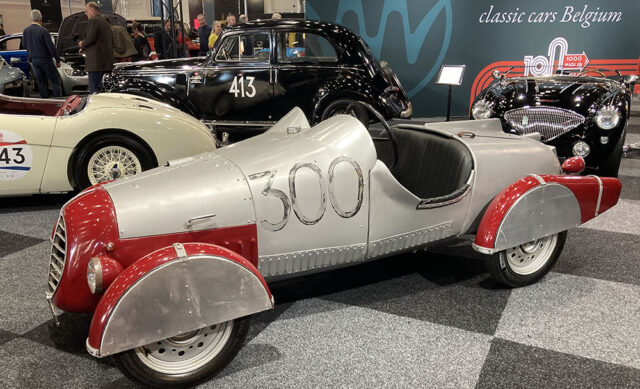
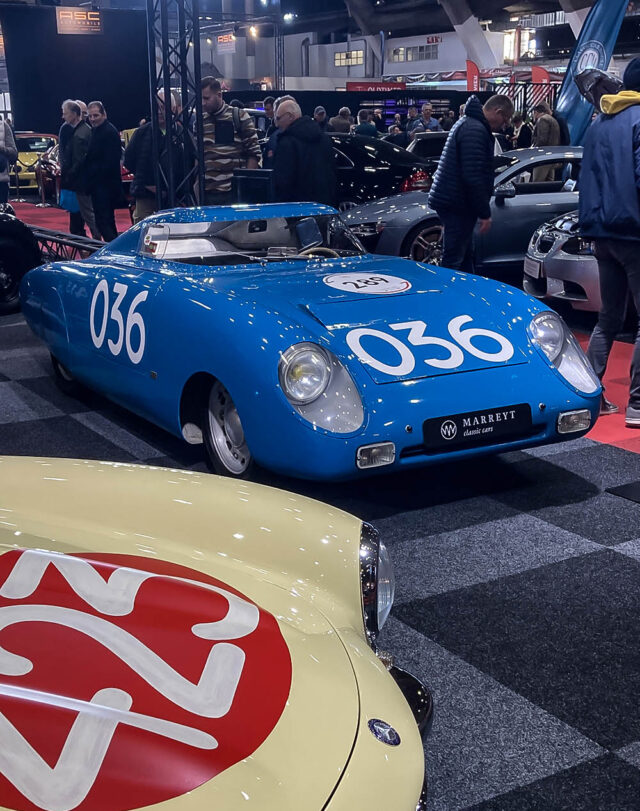
The 1947 Fiat 750 Pulidori brought a different construction story. Dario Pulidori built its aluminium body on a Fiat chassis, and a Giannini G1 engine powered the car. It competed in four Mille Miglia editions between 1947 and 1950 and was displayed by Marreyt. The one-off 1954 Autobleu 750 MM, also from Marreyt, competed in the 1954 and 1955 events and was offered at €435,000.
Marreyt also showed a 1949 Fiat 1100 S “Gobbone.” Delivered new to Venezuela, it competed in the 1950 Carrera Grancolombiana and is eligible for the Mille Miglia. Its eight-year restoration has been completed, and the car was offered for €364,950. Together, the four machines illustrated how varied the event’s historic field can be: different chassis, builders and competition journeys, each with provenance that shapes the car’s appeal.
That breadth is the show’s lasting draw. One visitor can spend time with a Bugatti Veyron’s tightly packaged engineering, then turn to the Citroën BX’s eccentric design or a modest Honda roadster. InterClassics Brussels puts those different kinds of automotive appeal under one roof, with rally history and Mille Miglia provenance giving this edition especially strong talking points.


