Ferrari 296 Challenge Stradale and EVO Pair a Non-Hybrid V6 With Track-Focused Aero
Ferrari’s 670 cv road-legal Stradale and 700 hp Challenge EVO share a twin-turbo V6, with the EVO set for Ferrari Challenge competition in 2027.
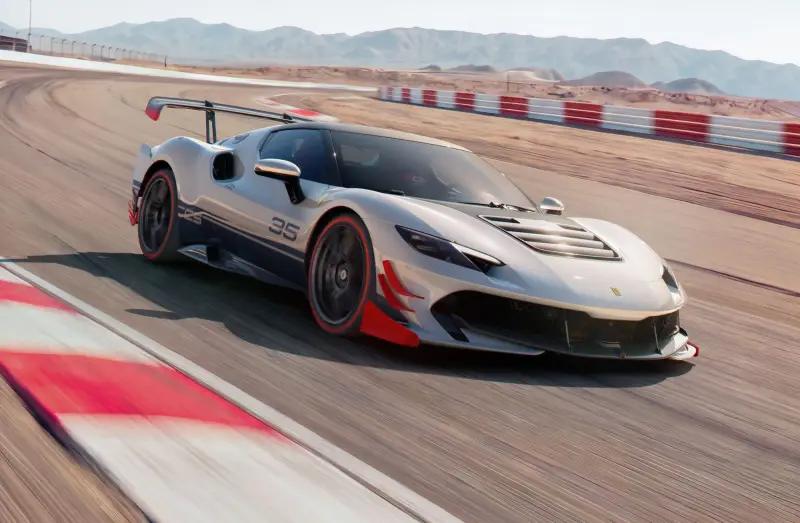
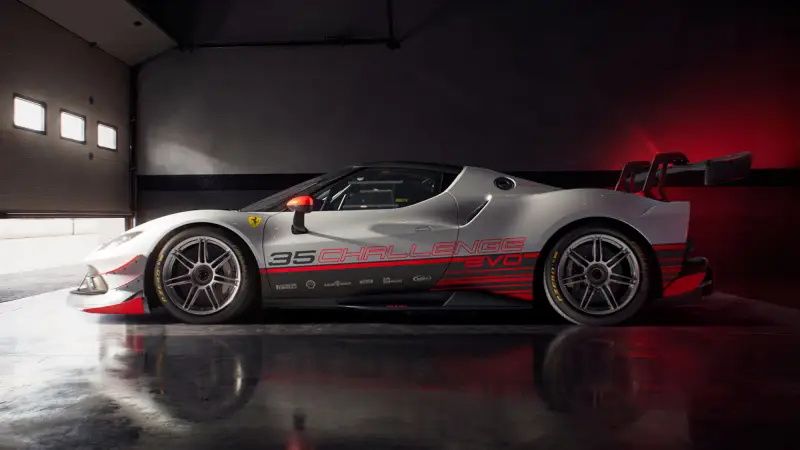
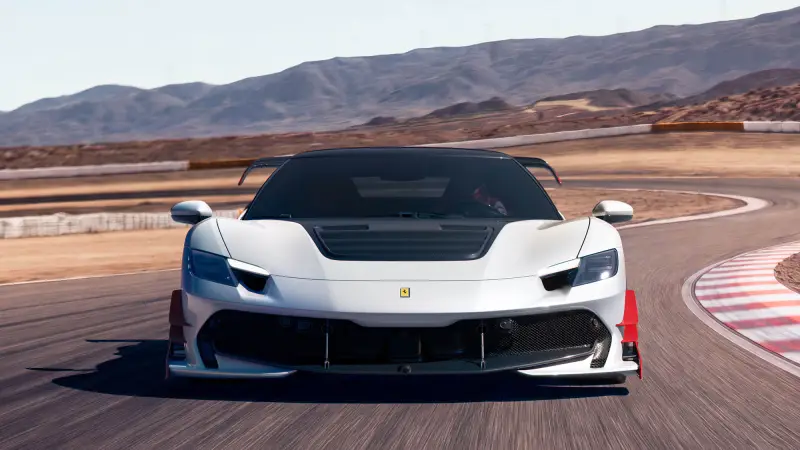
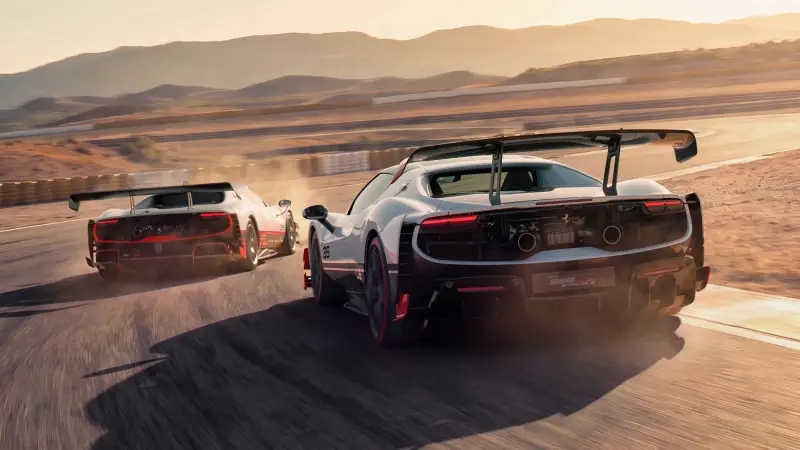
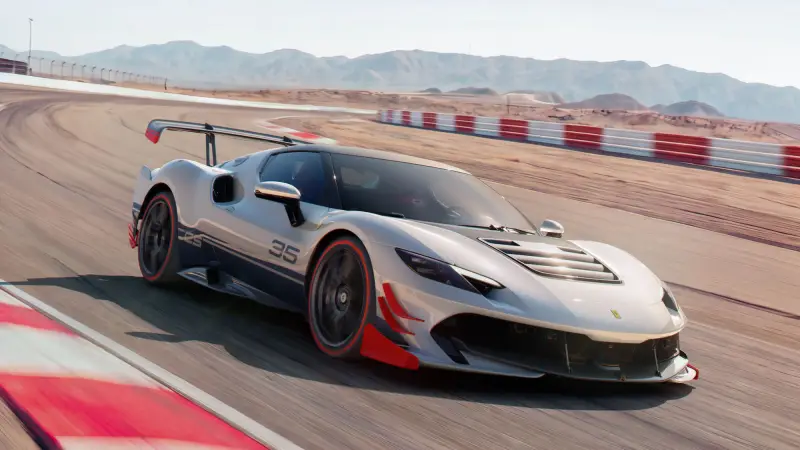
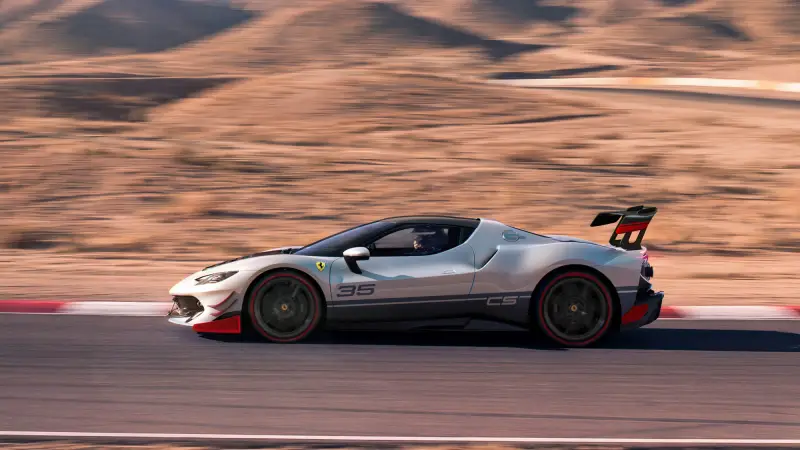
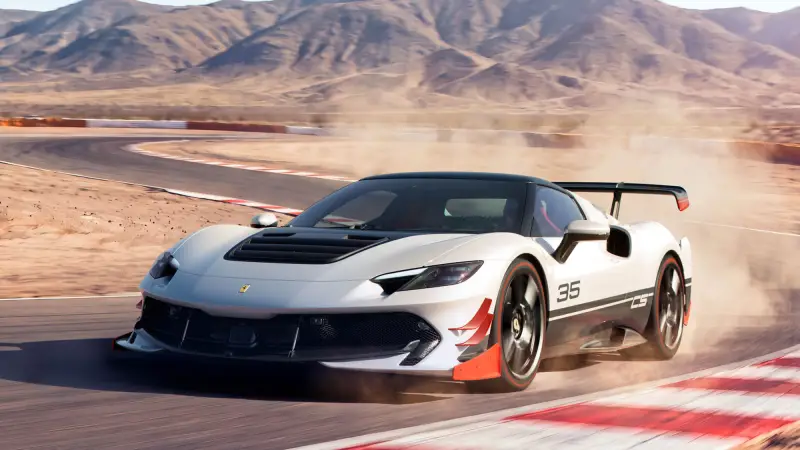
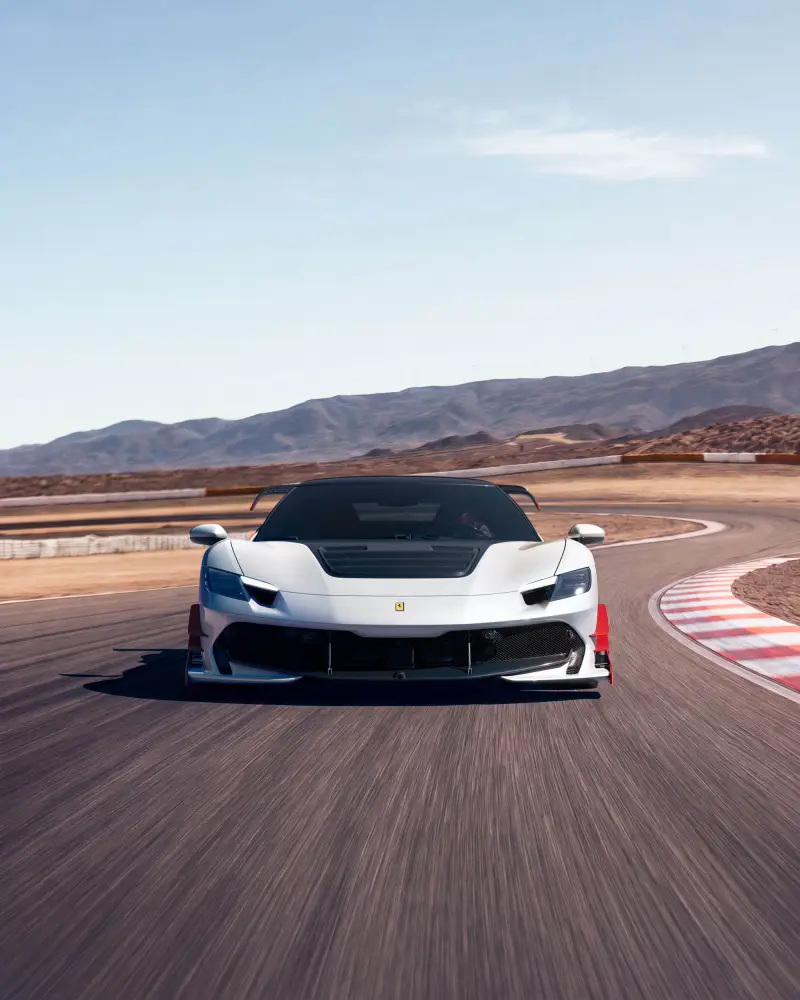
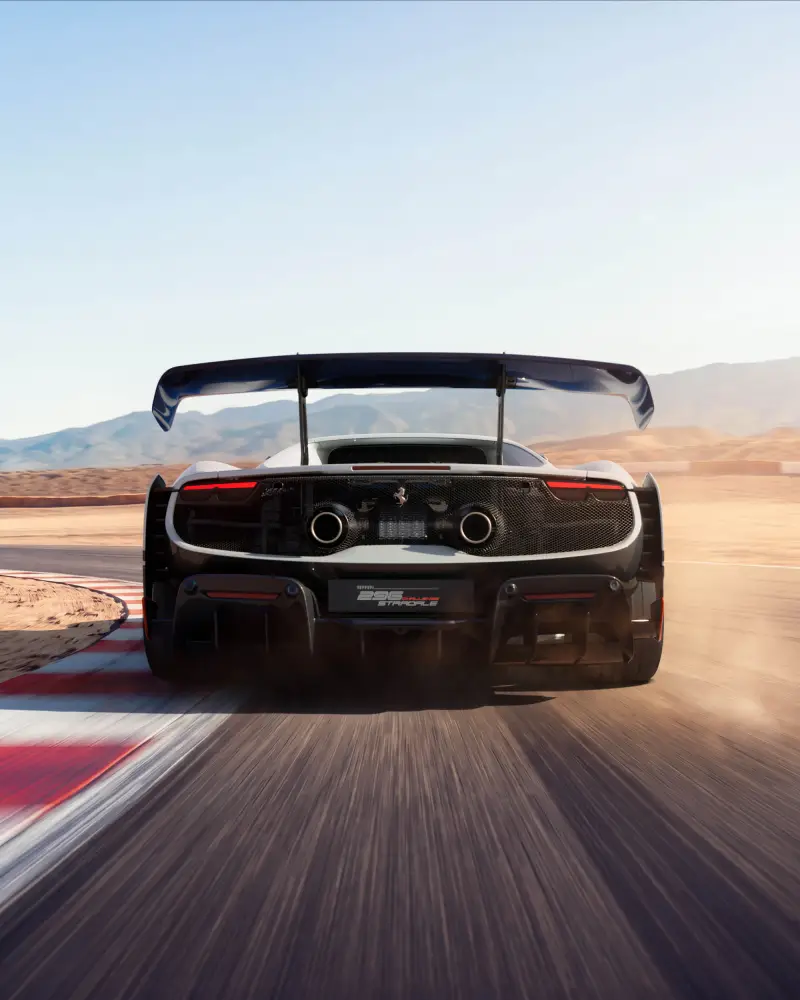
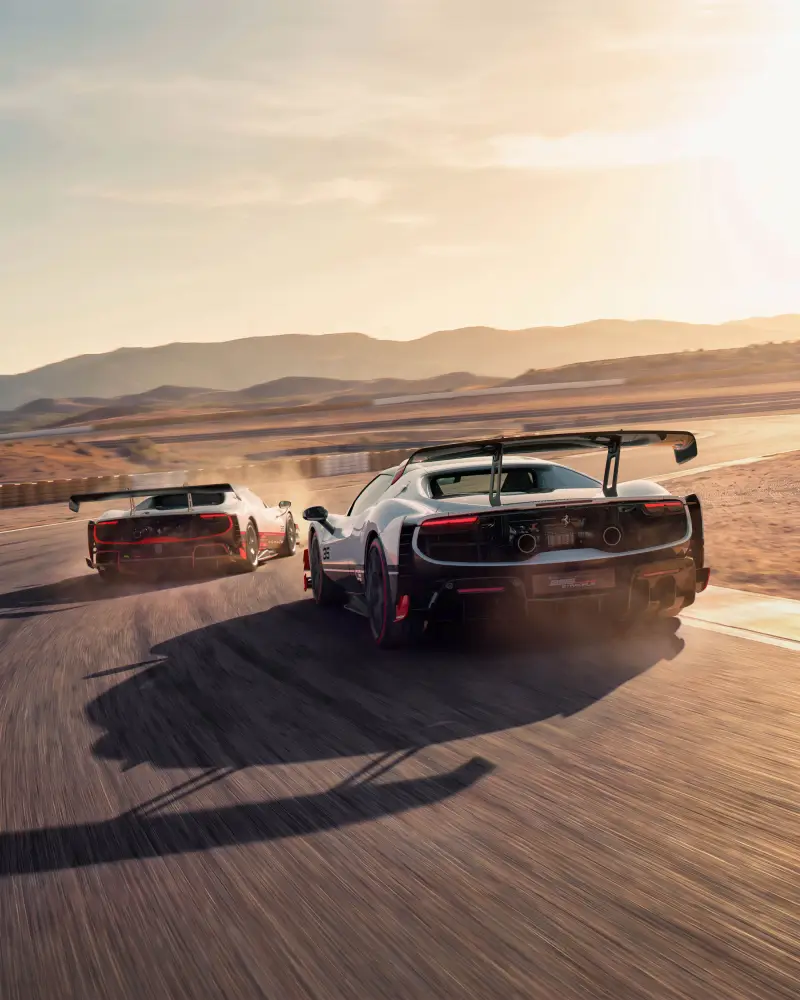
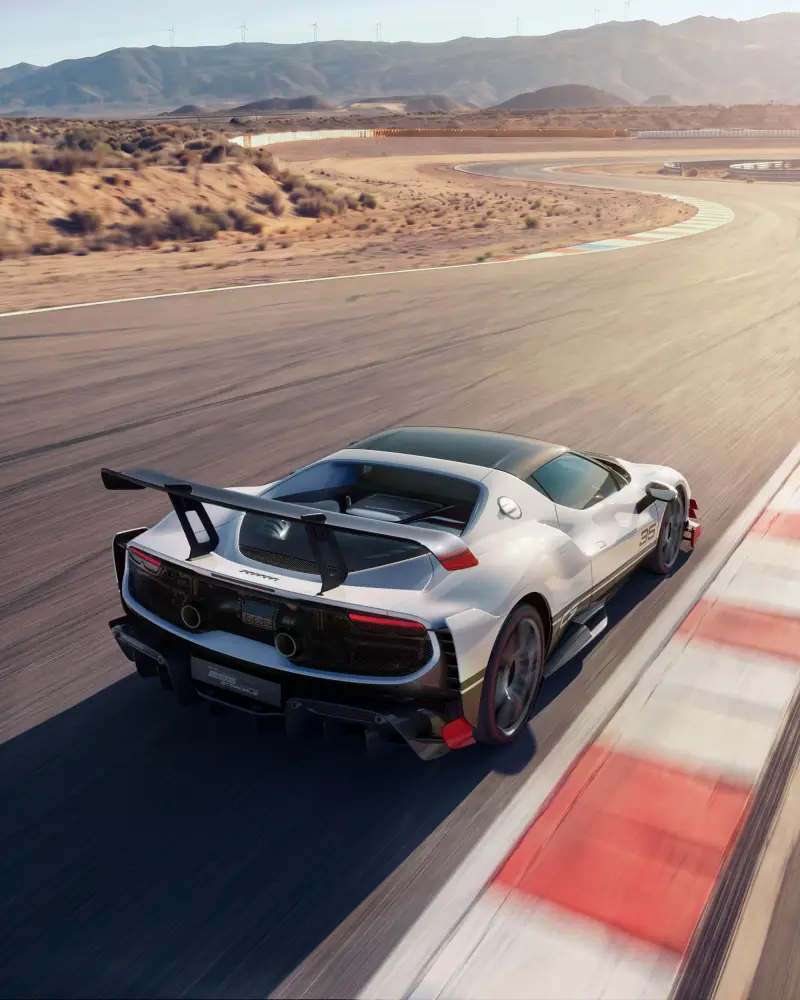
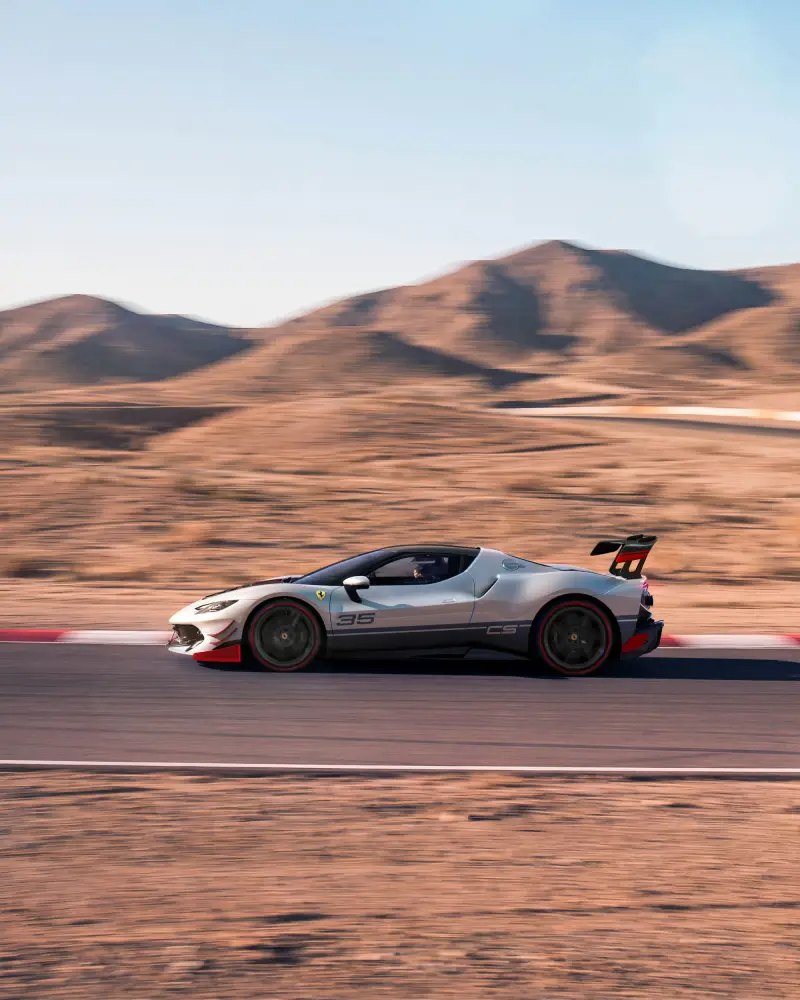
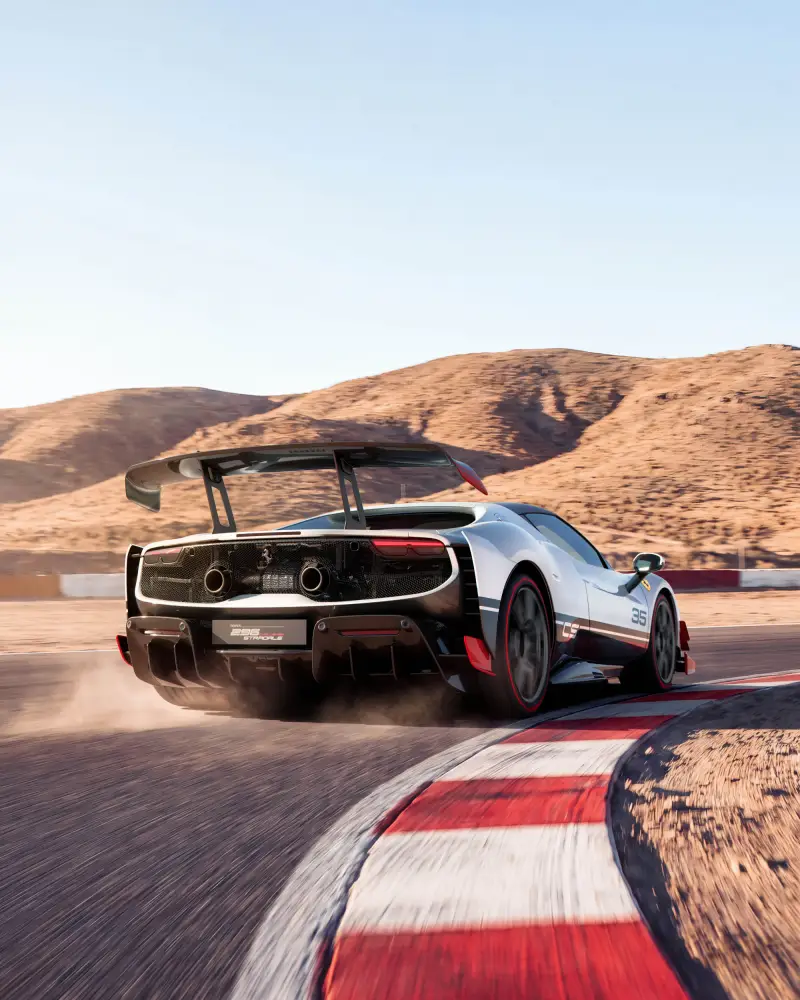
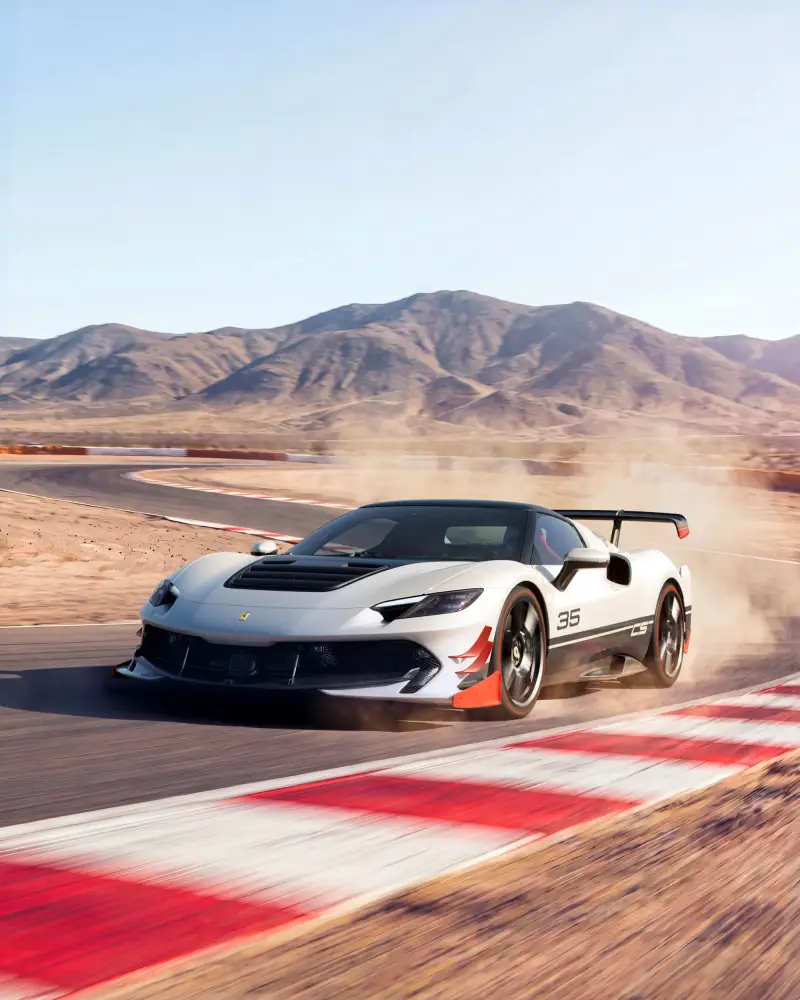
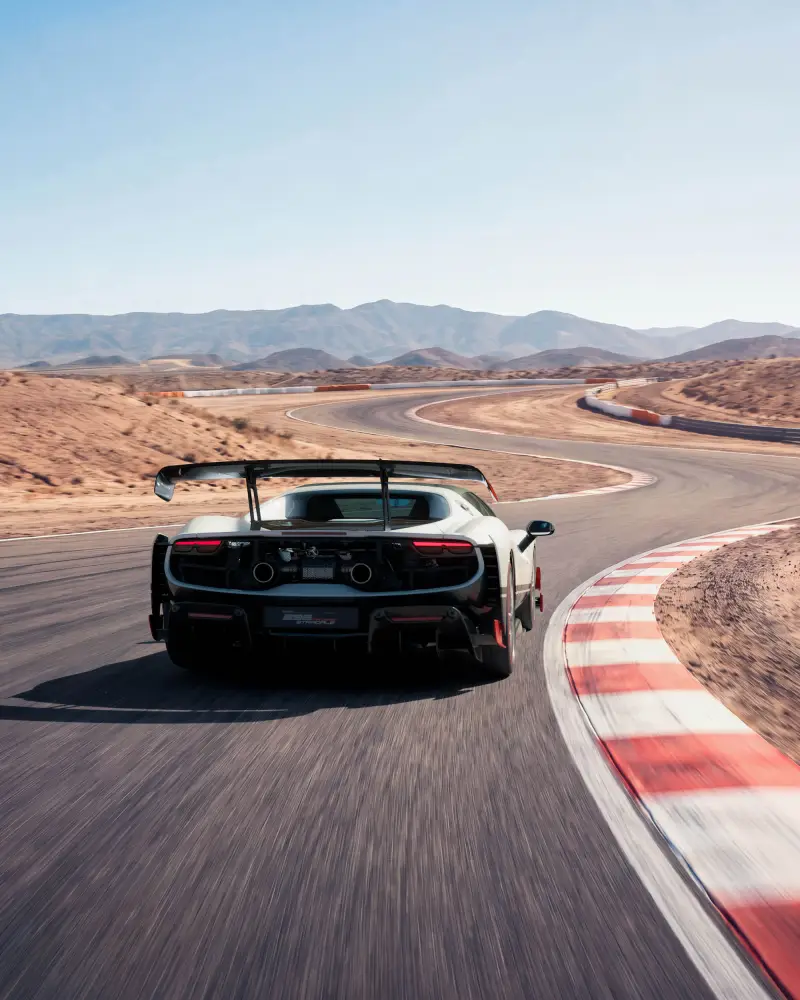
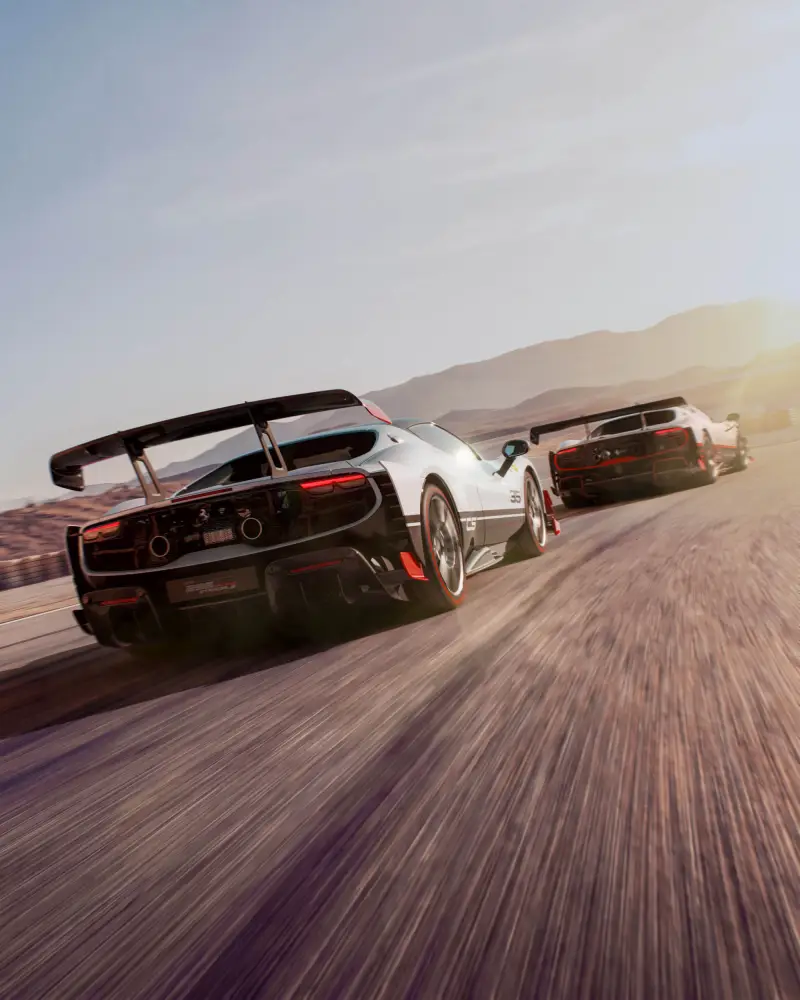
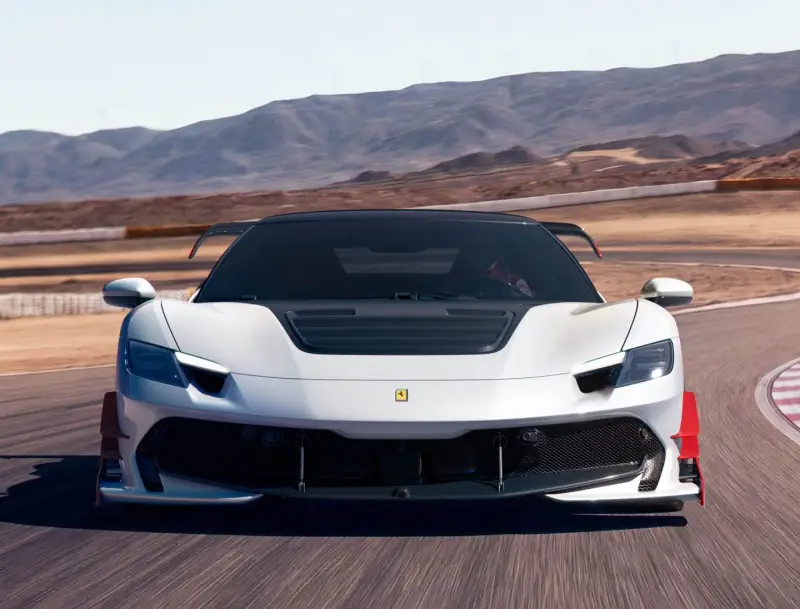
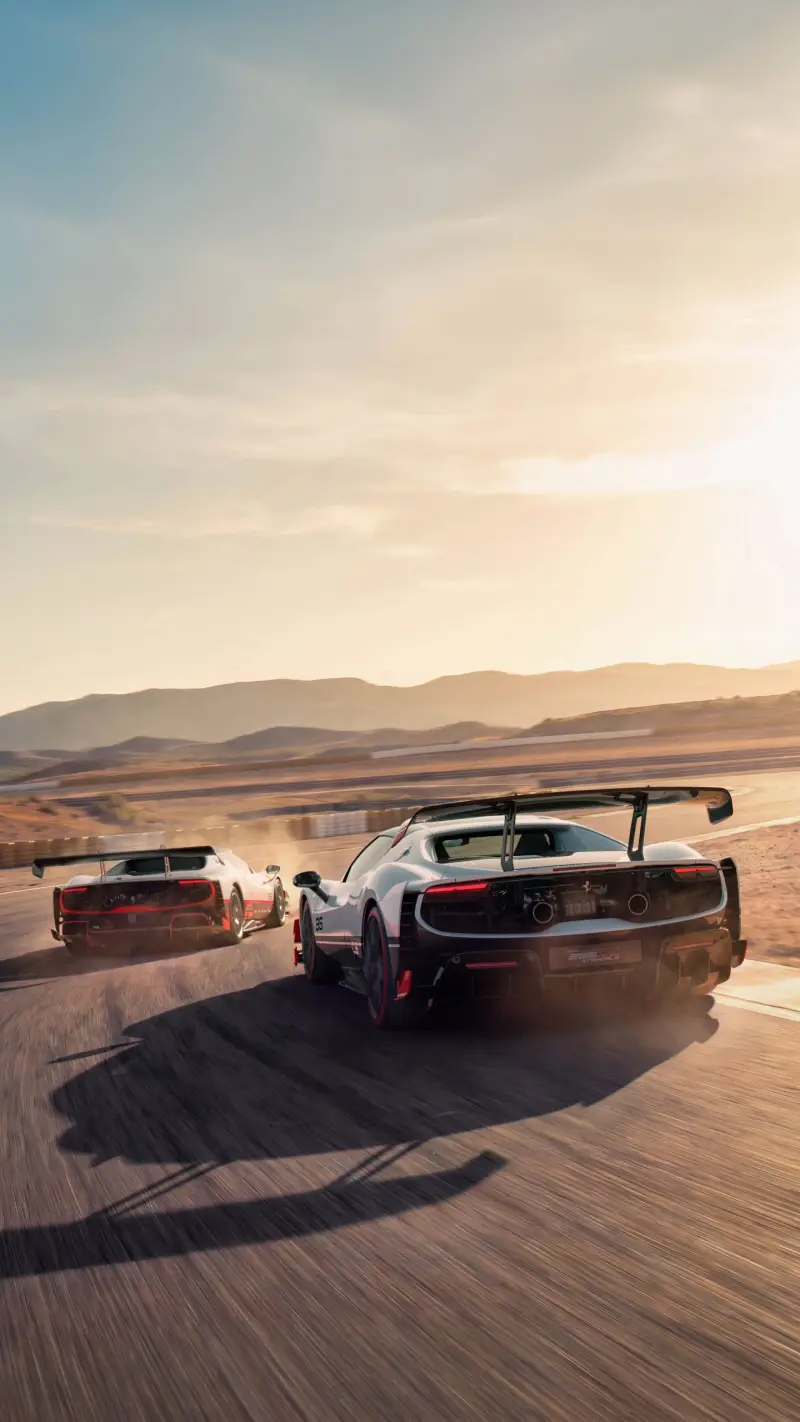
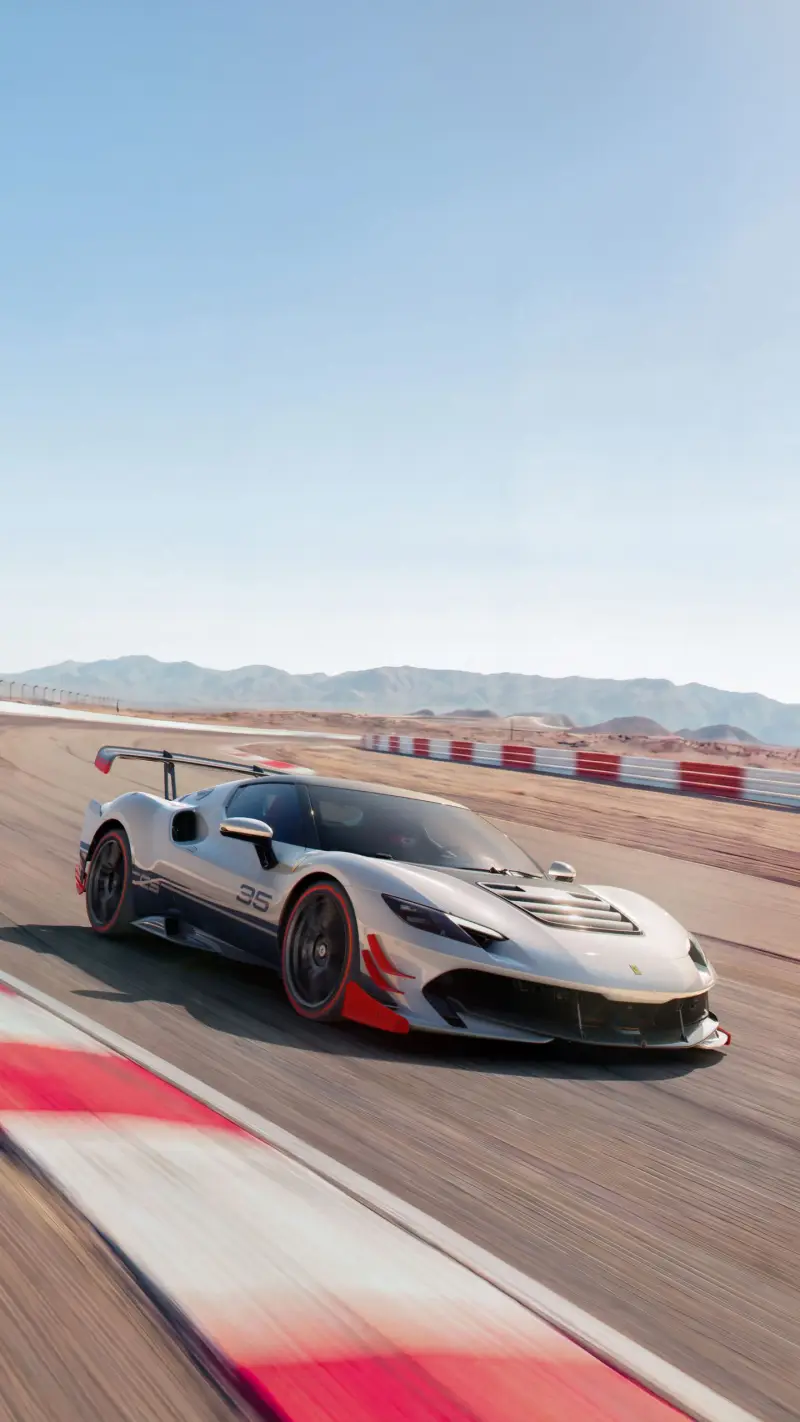
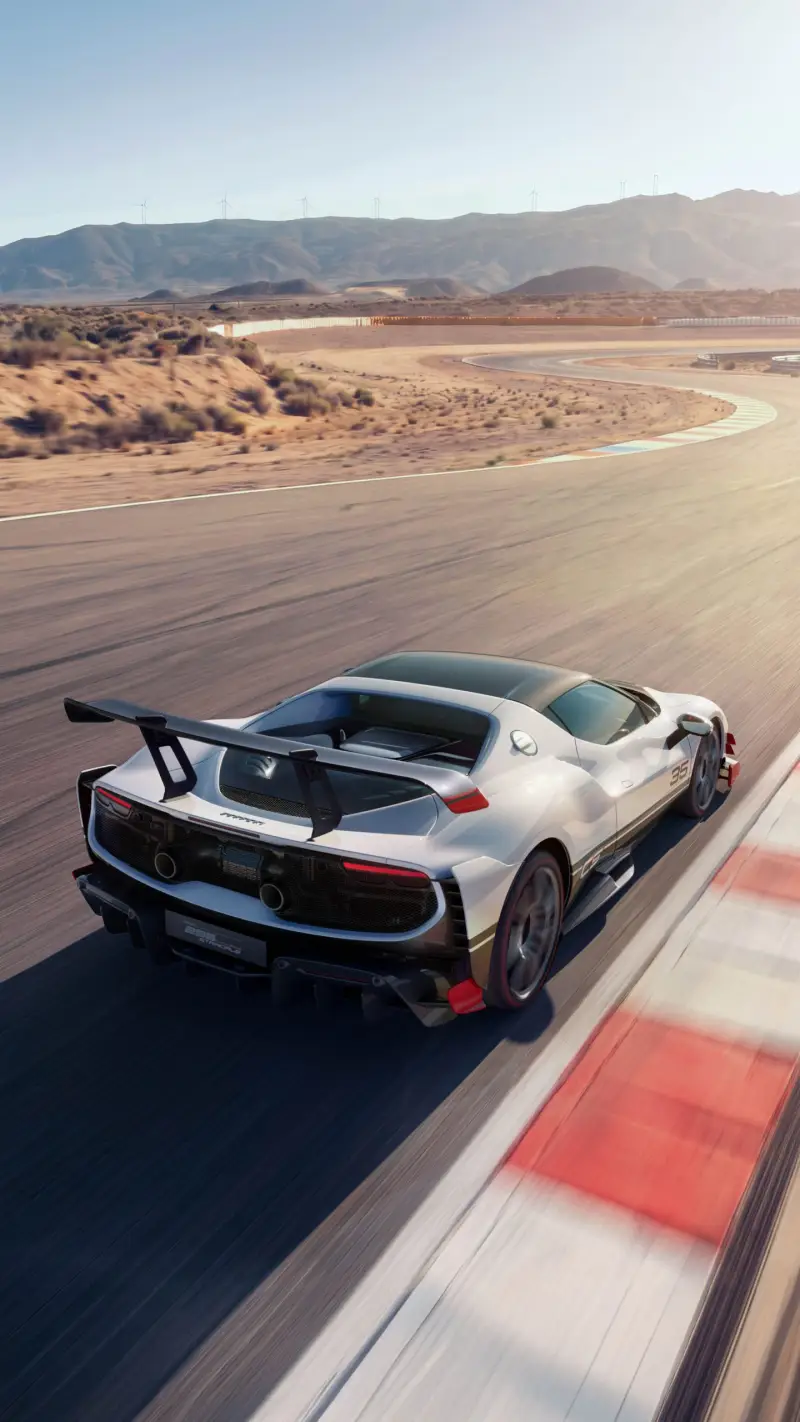
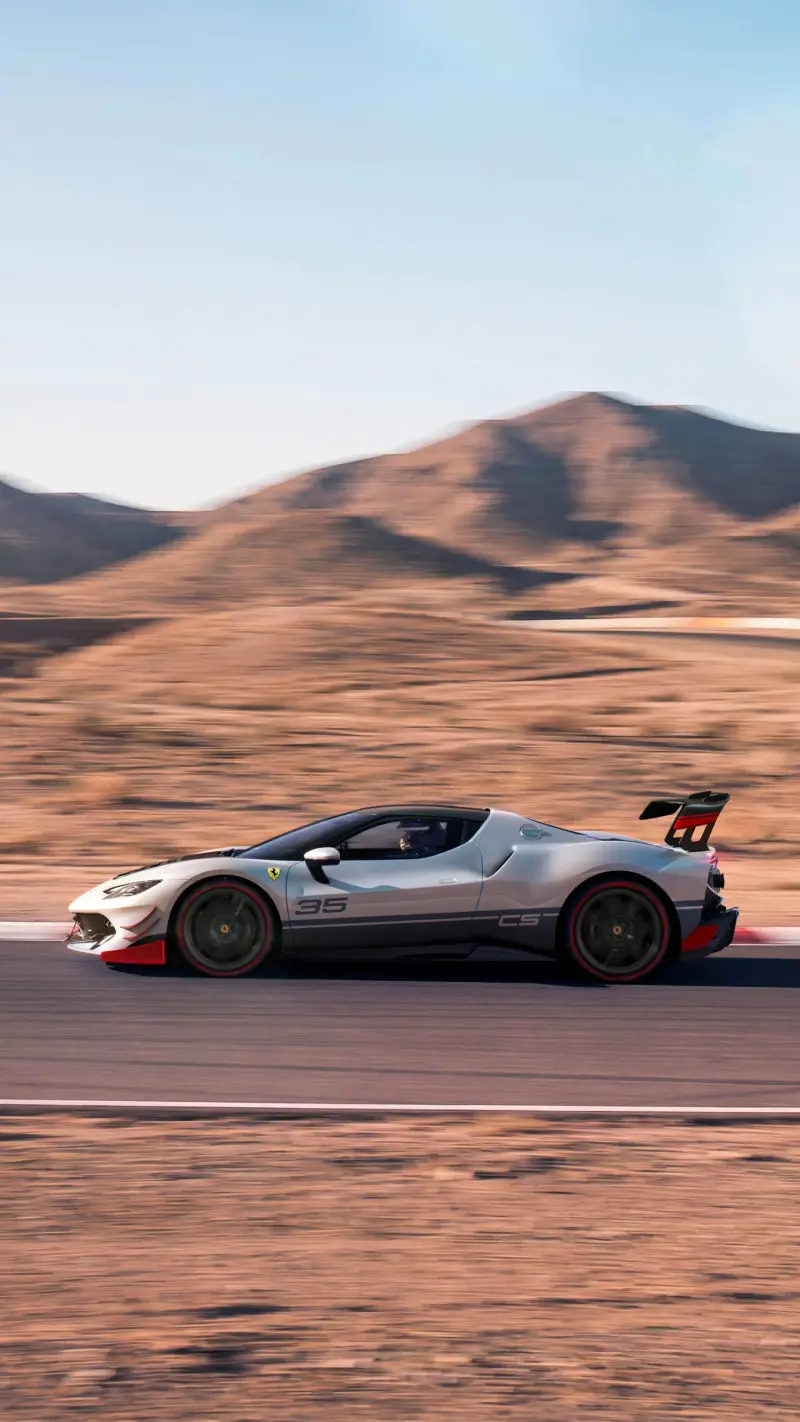
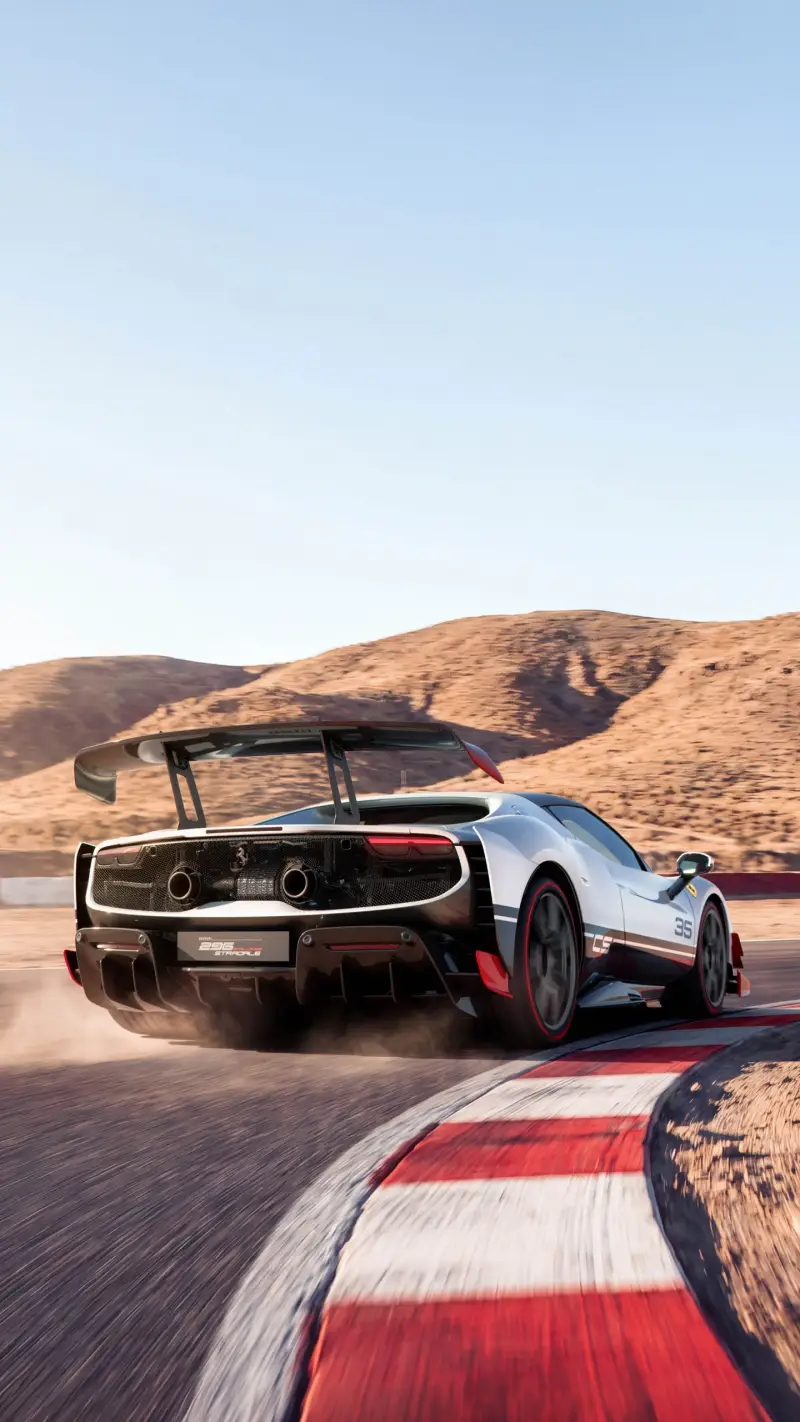
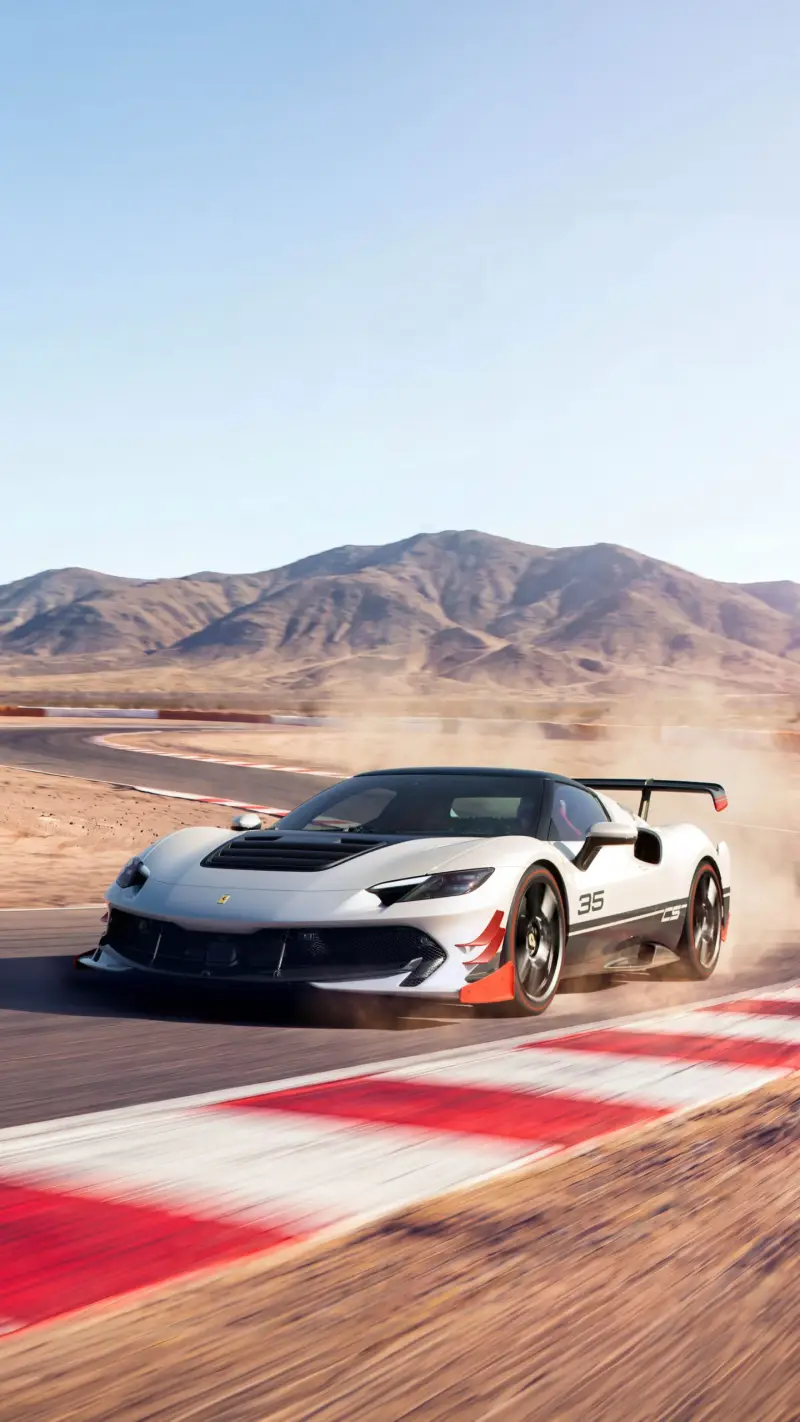
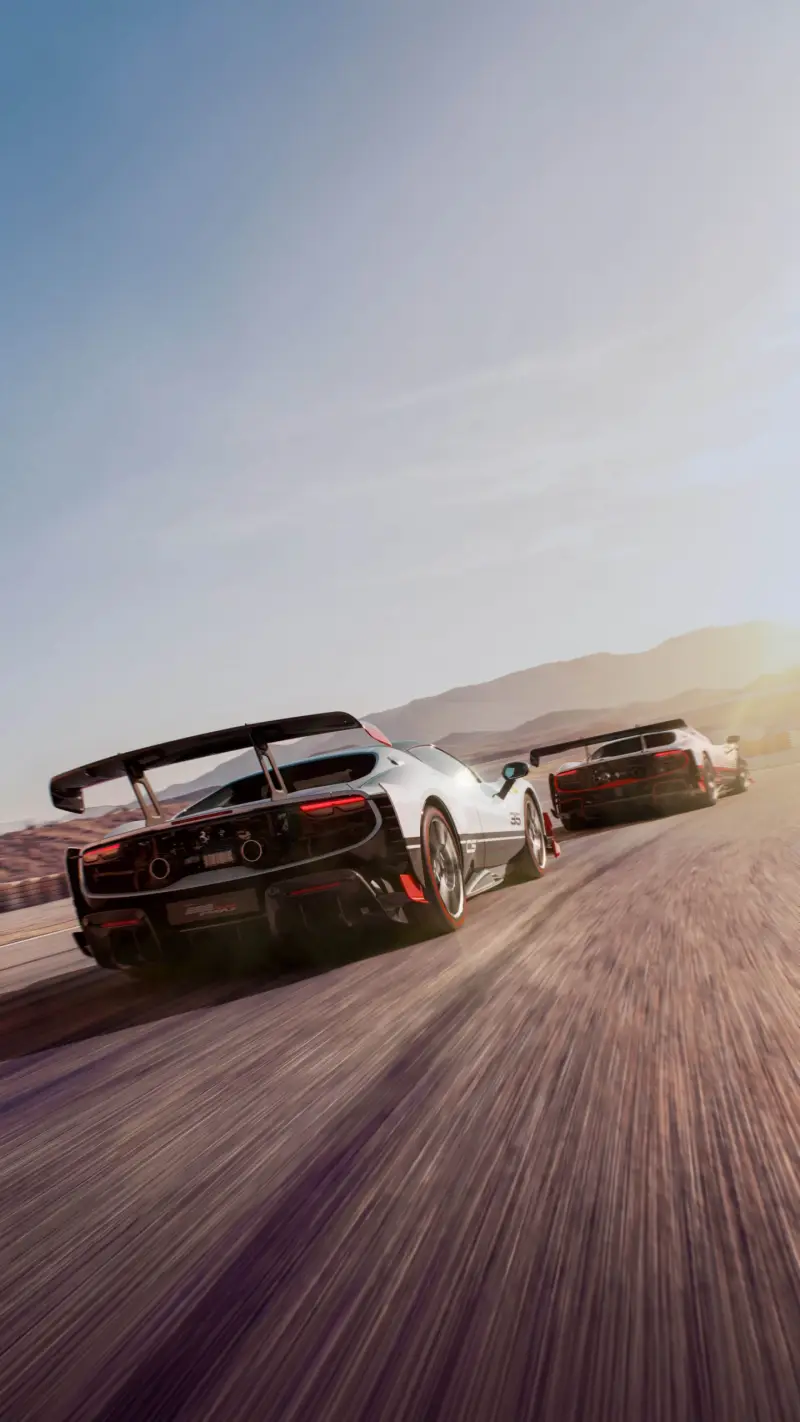
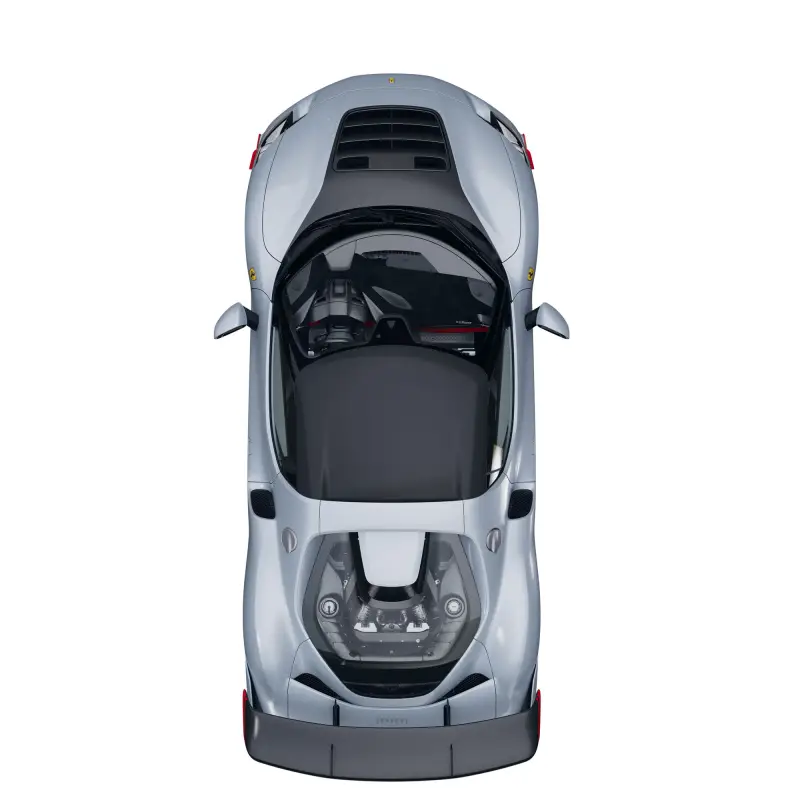
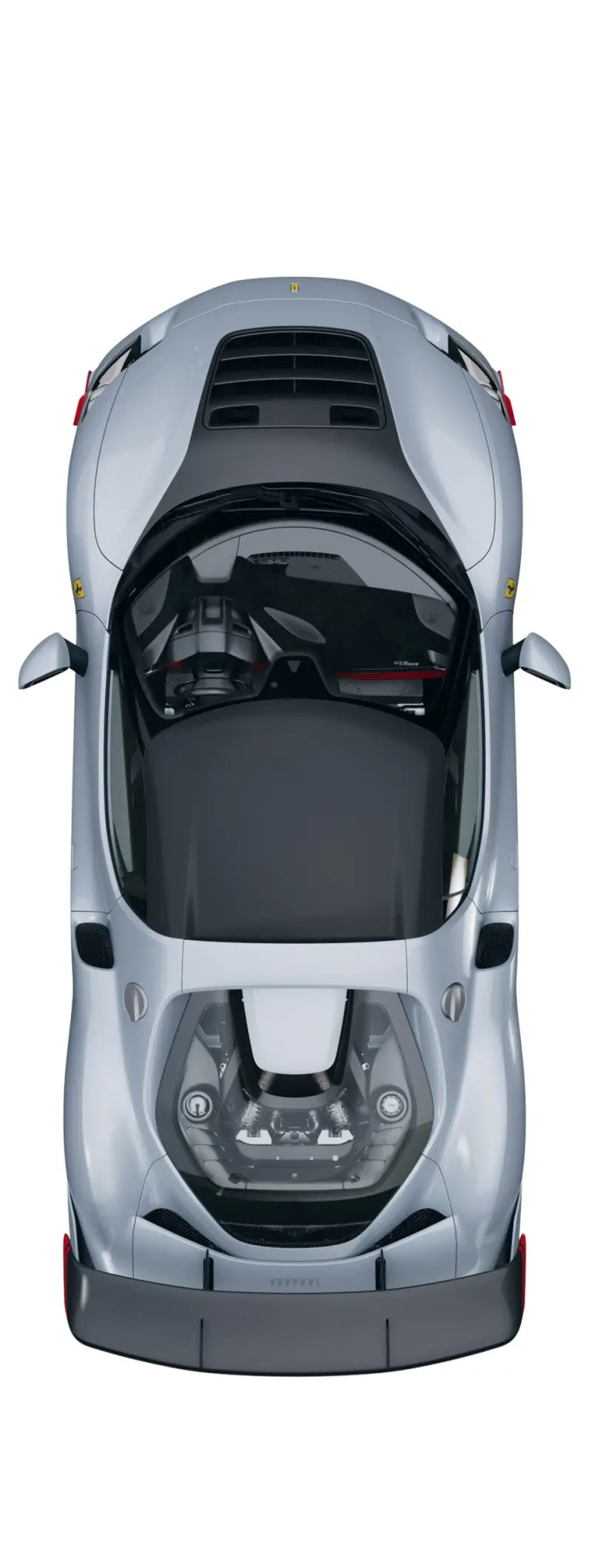
Ferrari’s new 296 pair puts the same non-hybrid, twin-turbo V6 architecture to work in two distinct settings: the road-legal 296 Challenge Stradale and the track-only 296 Challenge EVO. The Stradale brings 670 cv and substantial aerodynamic load to road and circuit driving; the 700 hp EVO is aimed at Ferrari Challenge competition, where it is scheduled to race in 2027. Both are listed at a dry weight of 1,330 kg.
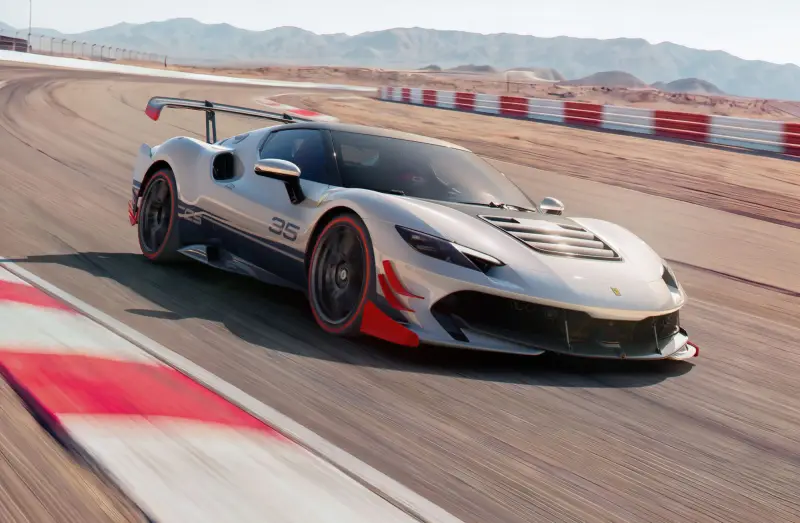
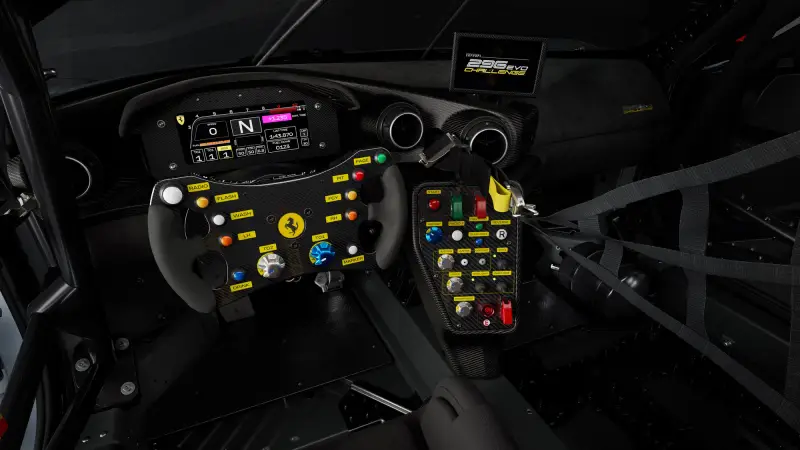
Ferrari unveiled the cars at the 2026 Finali Mondiali at Circuit de Barcelona-Catalunya in Spain. Their shared development points to a closer technical link between Ferrari’s road machinery and its one-make racing series. The useful distinction is in the calibration and mission: the Stradale has road equipment and an eight-speed dual-clutch transmission, while the EVO is built around competition use and a seven-speed F1 transmission.
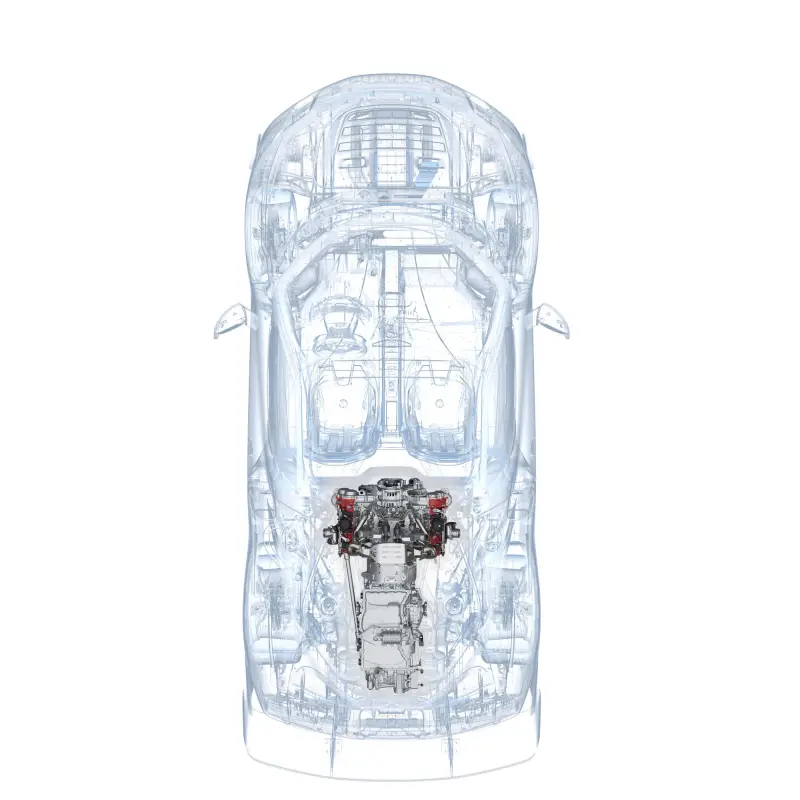
Stradale: a 2,992 cc V6 without electric drive
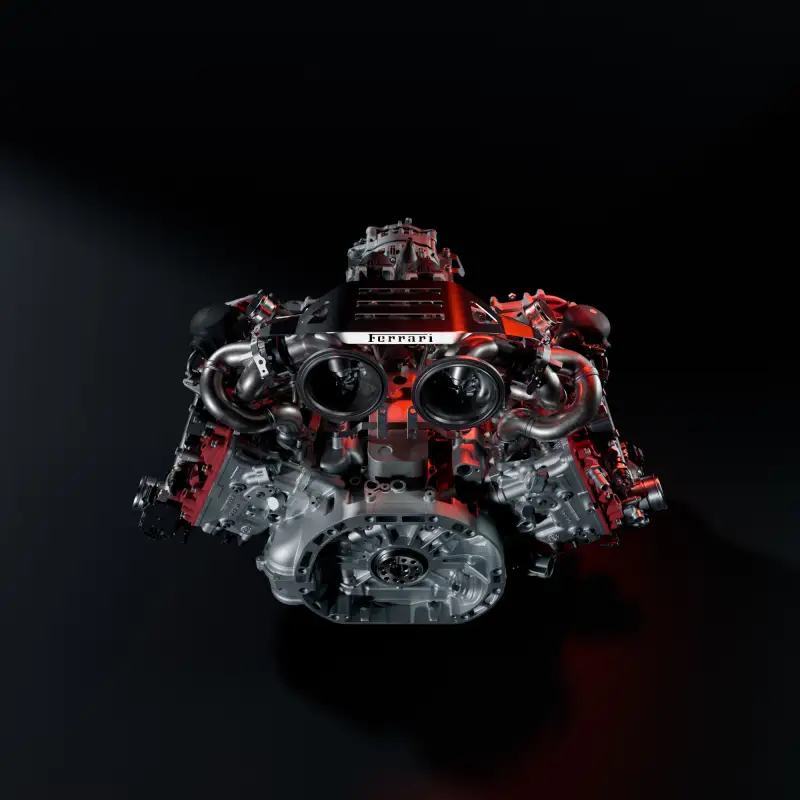
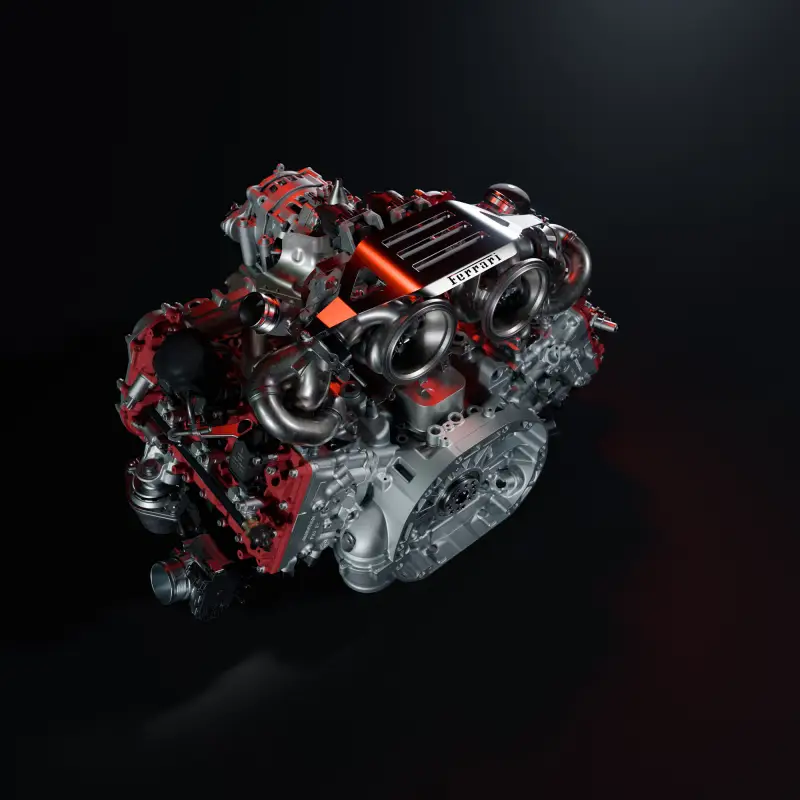
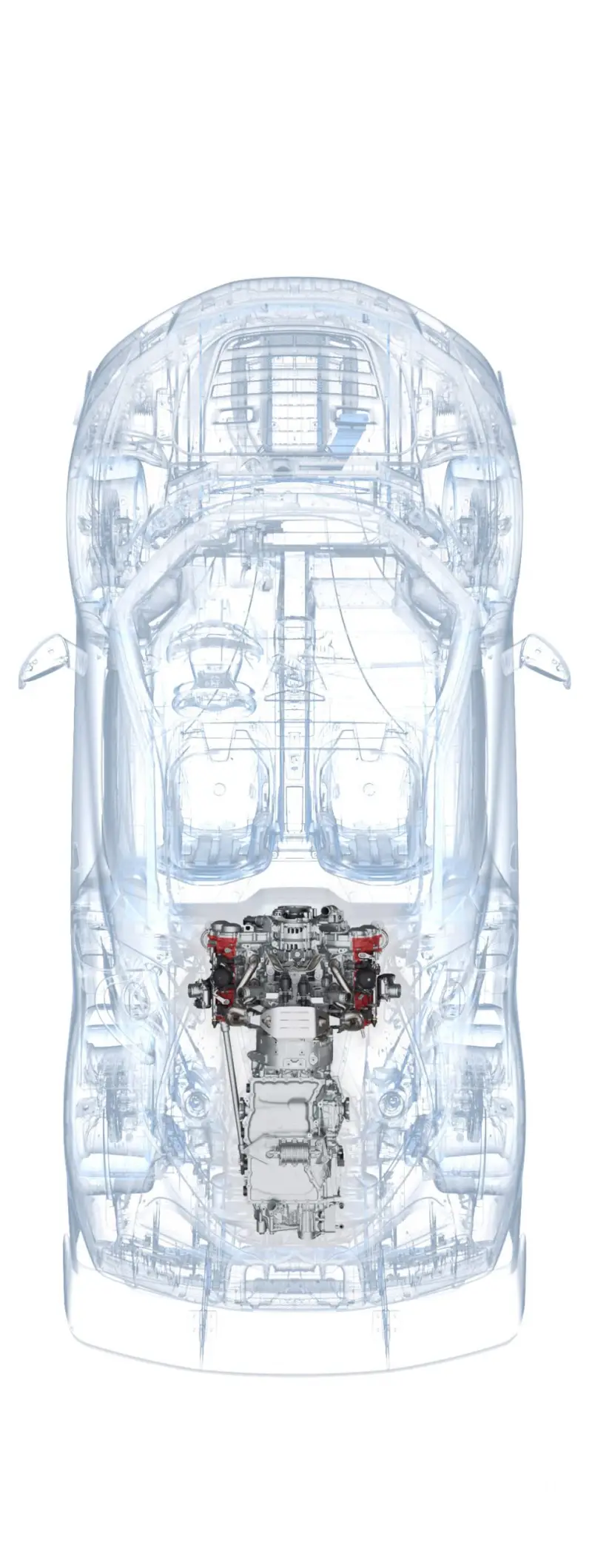
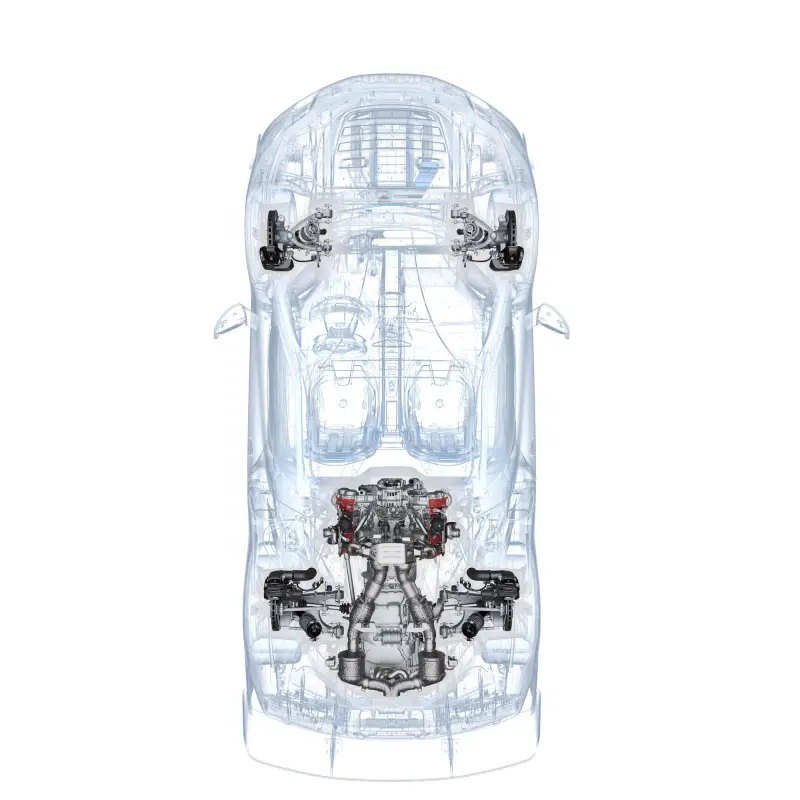
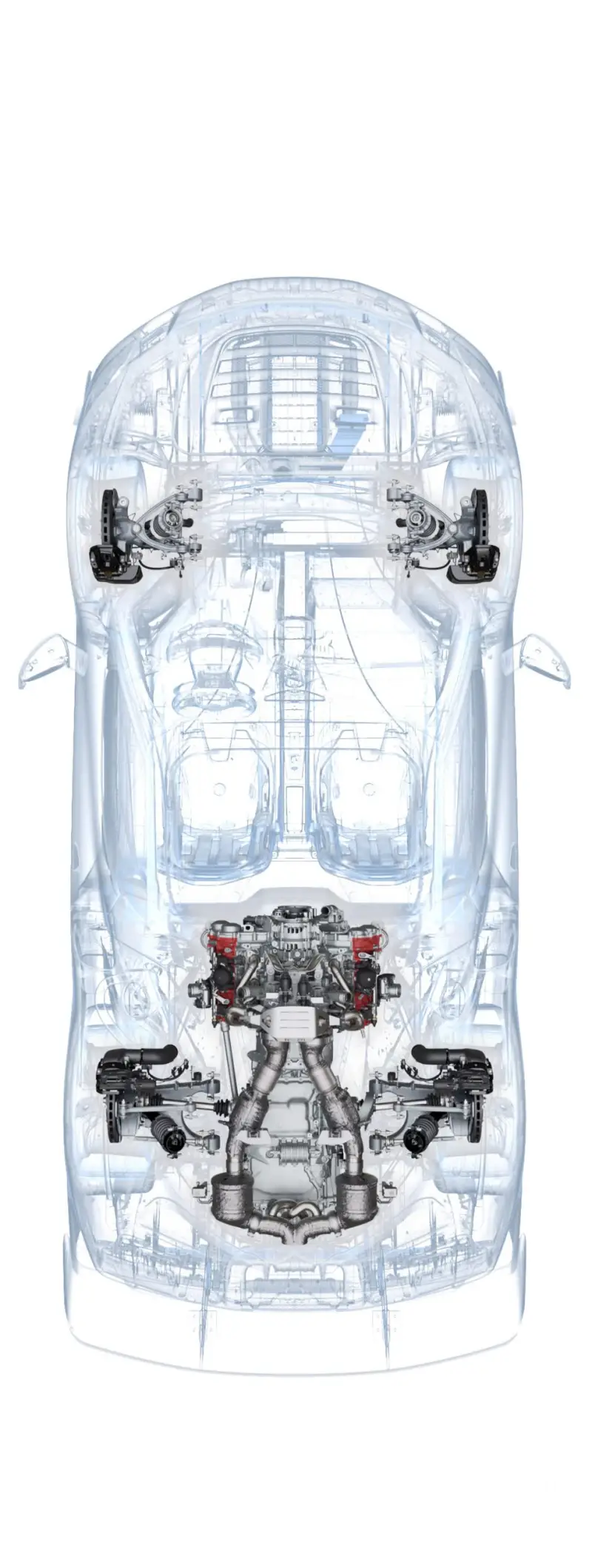
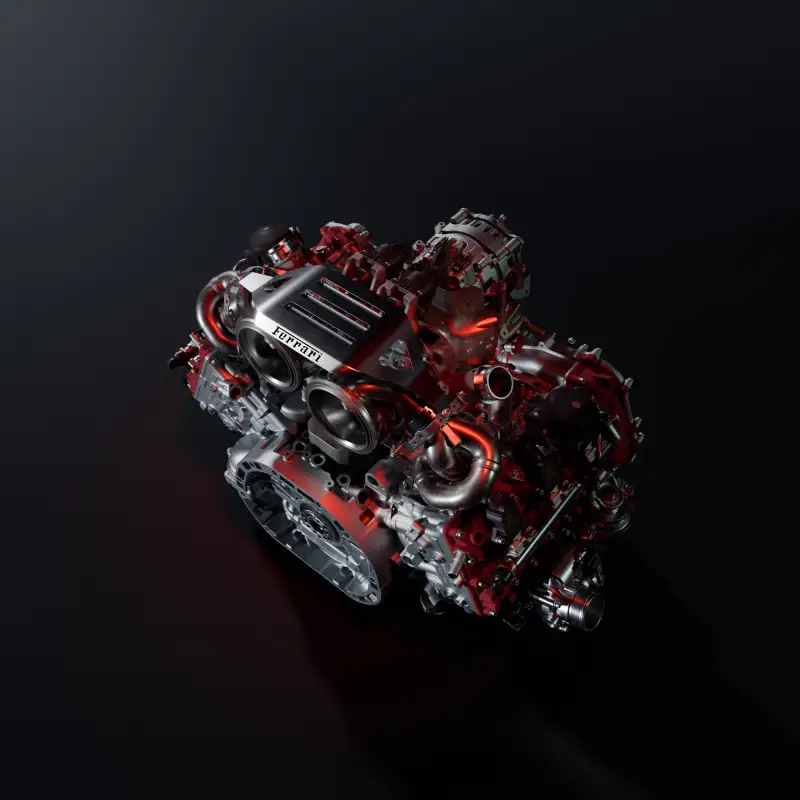
The Stradale’s 2,992 cc, 120-degree V6 uses twin turbochargers and no electric propulsion. Ferrari quotes 670 cv at 8,000 rpm and 740 Nm at 6,250 rpm, with drive sent to the rear wheels through an eight-speed dual-clutch gearbox using racing-derived shift strategies. That hardware gives the car a different character from the hybrid 296 GTB: here, the performance comes from the combustion engine, gearing and chassis package.
Ferrari claims 0–100 km/h in 2.8 seconds, 0–200 km/h in 7.9 seconds and a top speed above 300 km/h. The company also gives the car a 1:18.500 lap at Fiorano. At 1,330 kg dry, it is 140 kg lighter than the 296 GTB, a sizeable reduction that should matter under braking and through direction changes as much as it does on the acceleration figures.
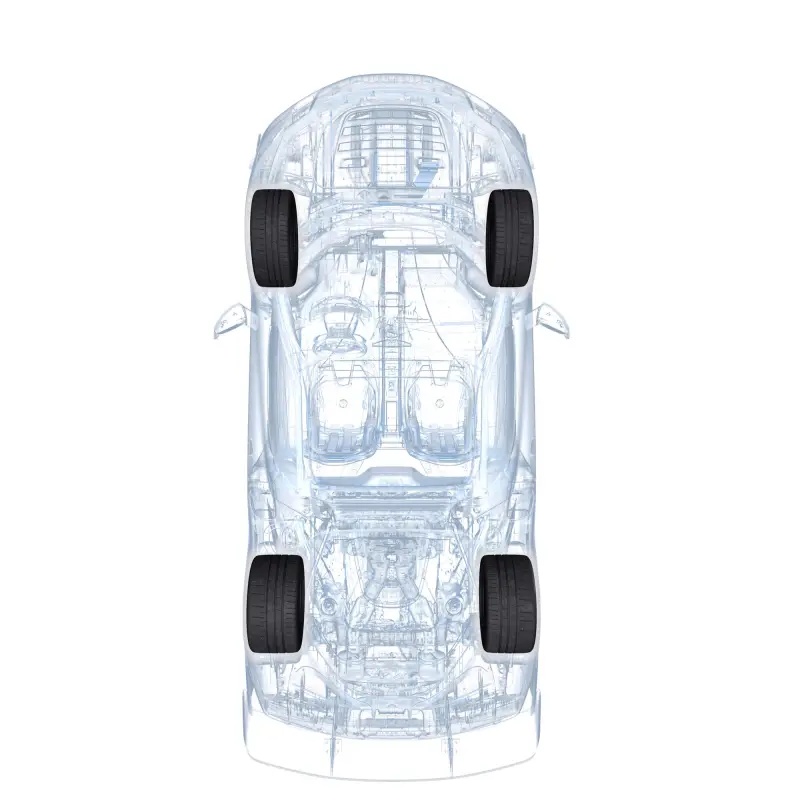
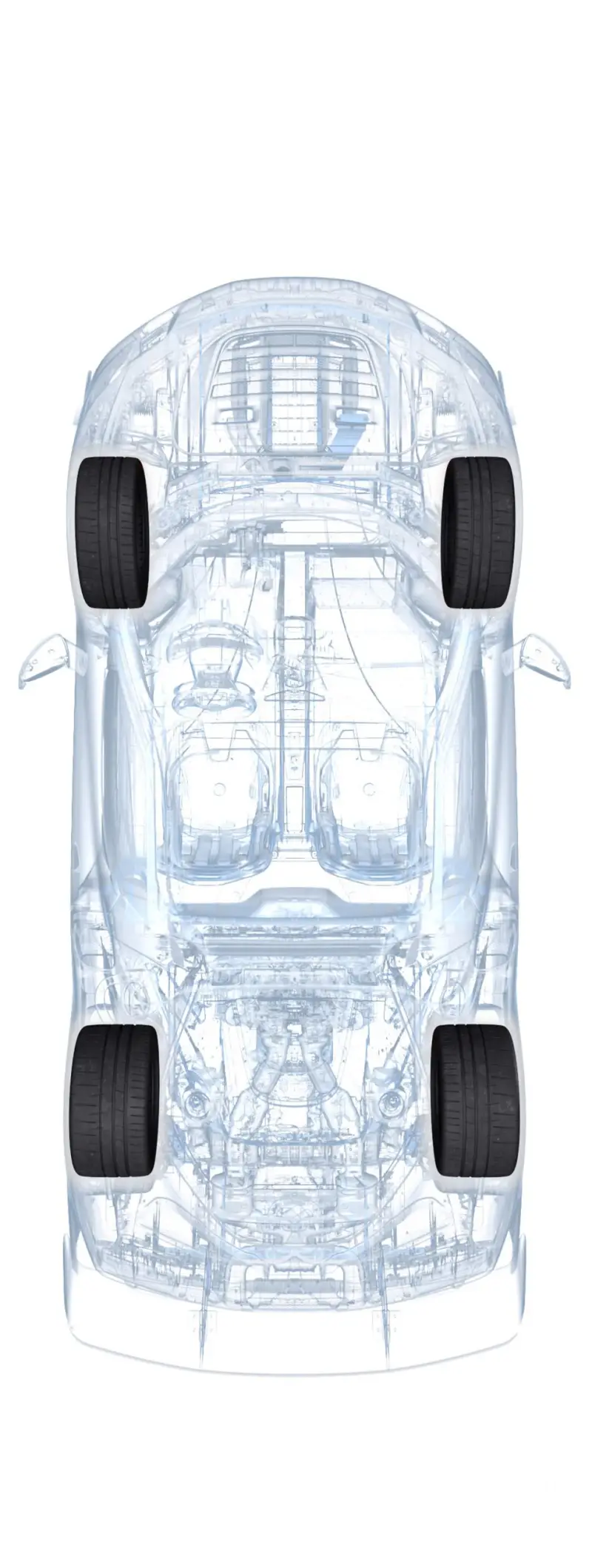
The chassis changes are aimed at keeping that pace usable over a lap. Dedicated suspension geometry works with semi-active dampers and ABS Evo, while the tire package comprises Pirelli P Zero R and P Zero Trofeo RS tires. Those components address different demands: suspension and brake control help manage changing grip and load, while the two tire specifications give the car a performance-focused contact patch for road and circuit use.
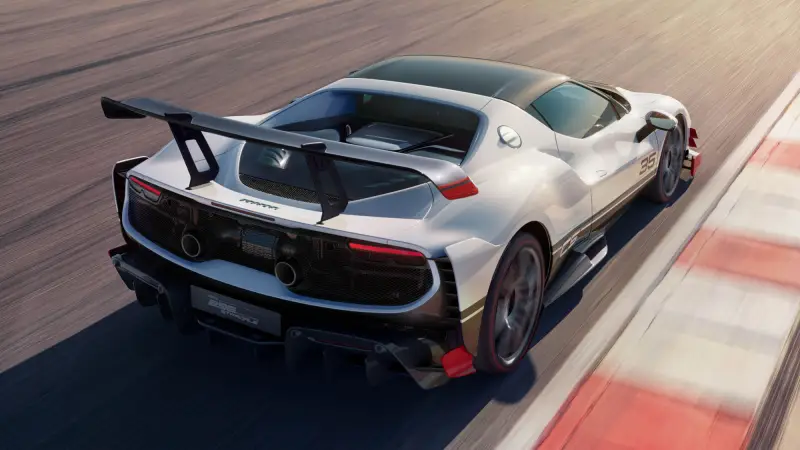
Downforce built around the whole car
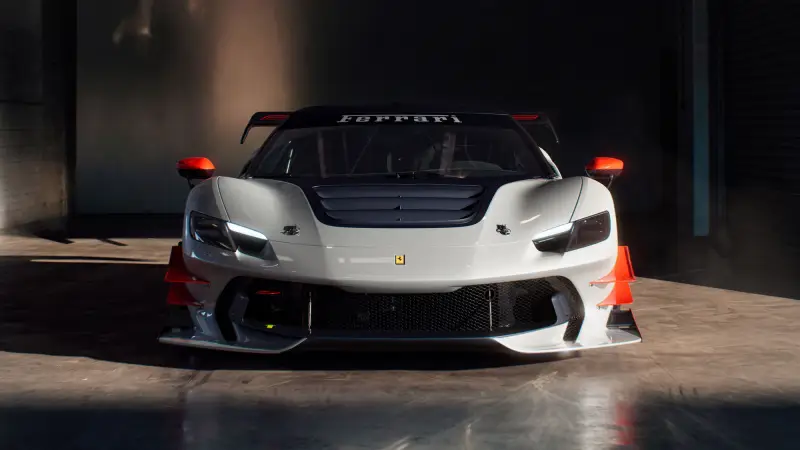
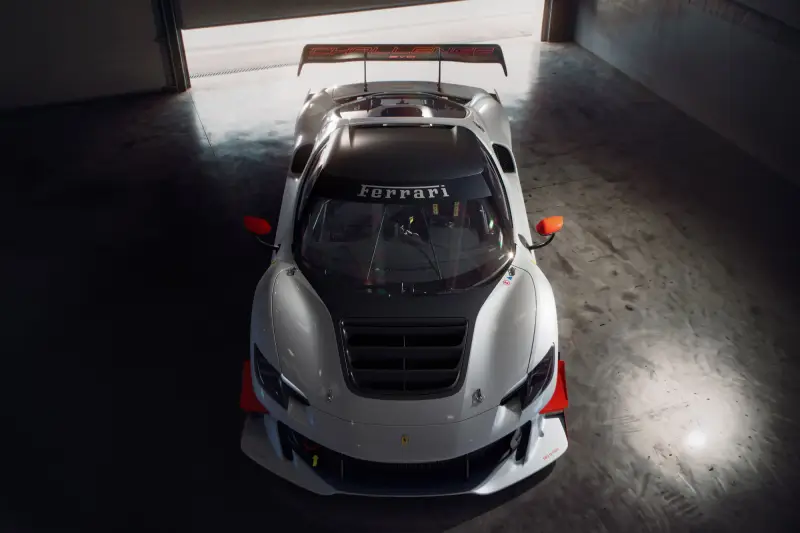
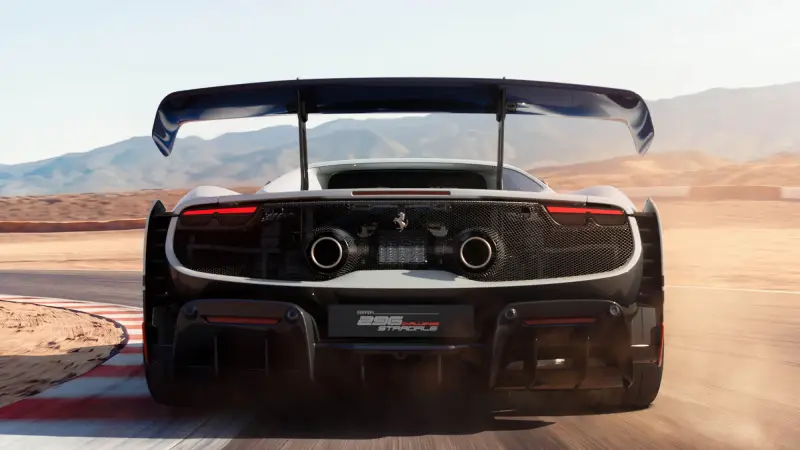
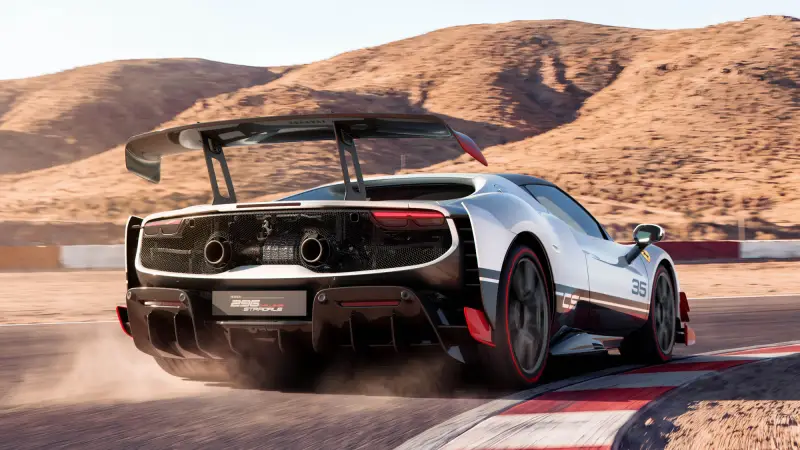
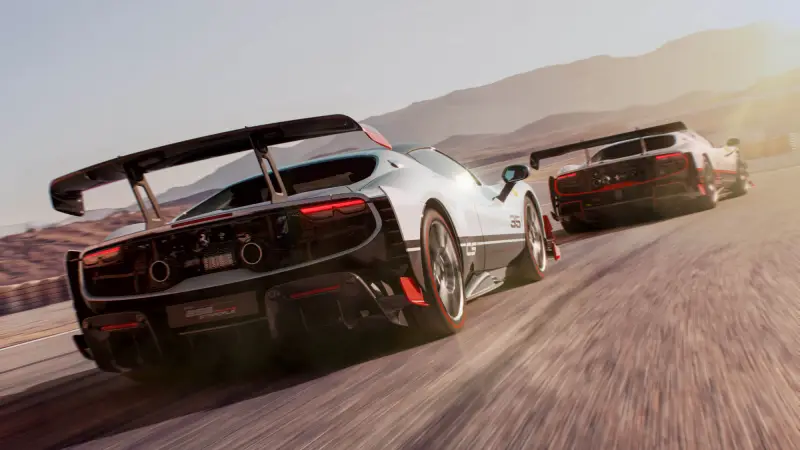
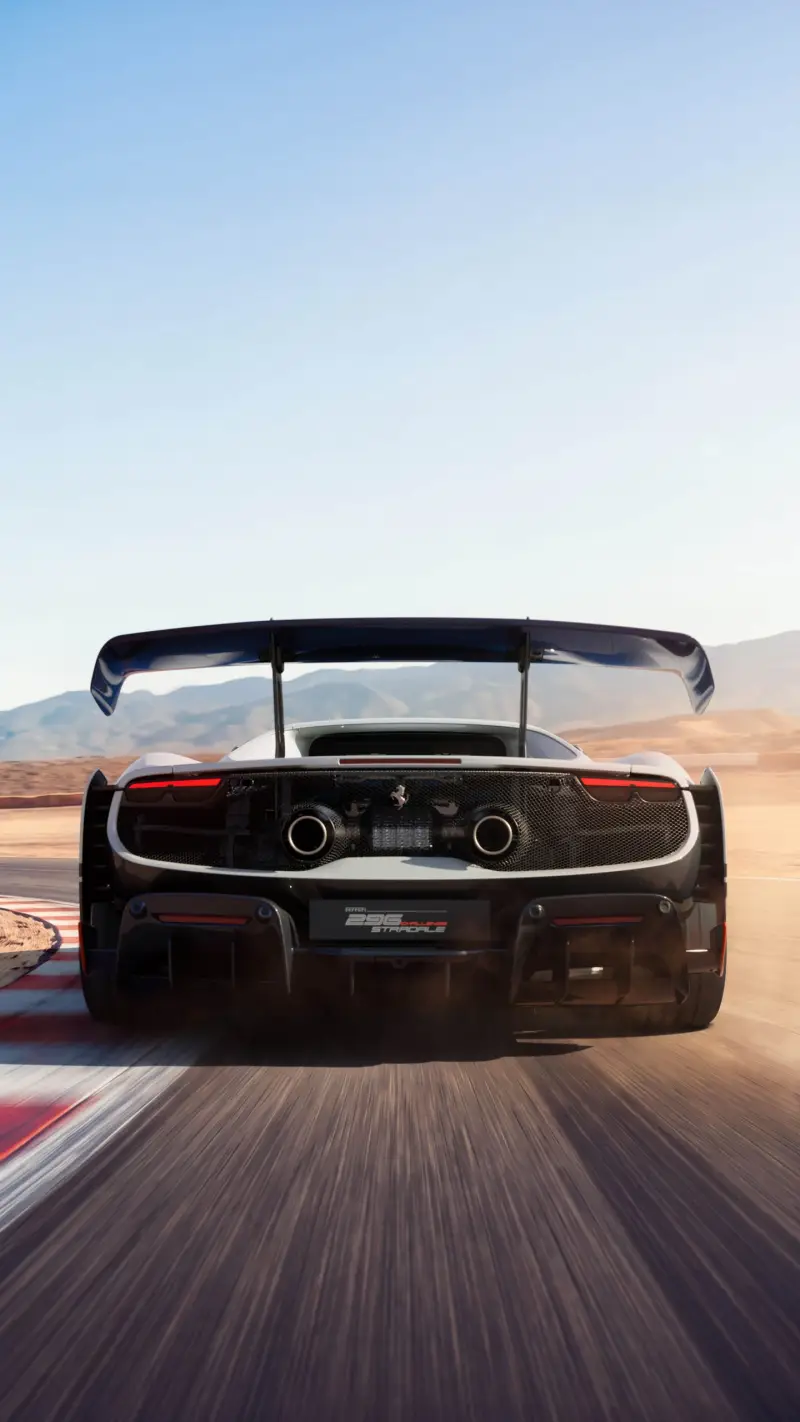
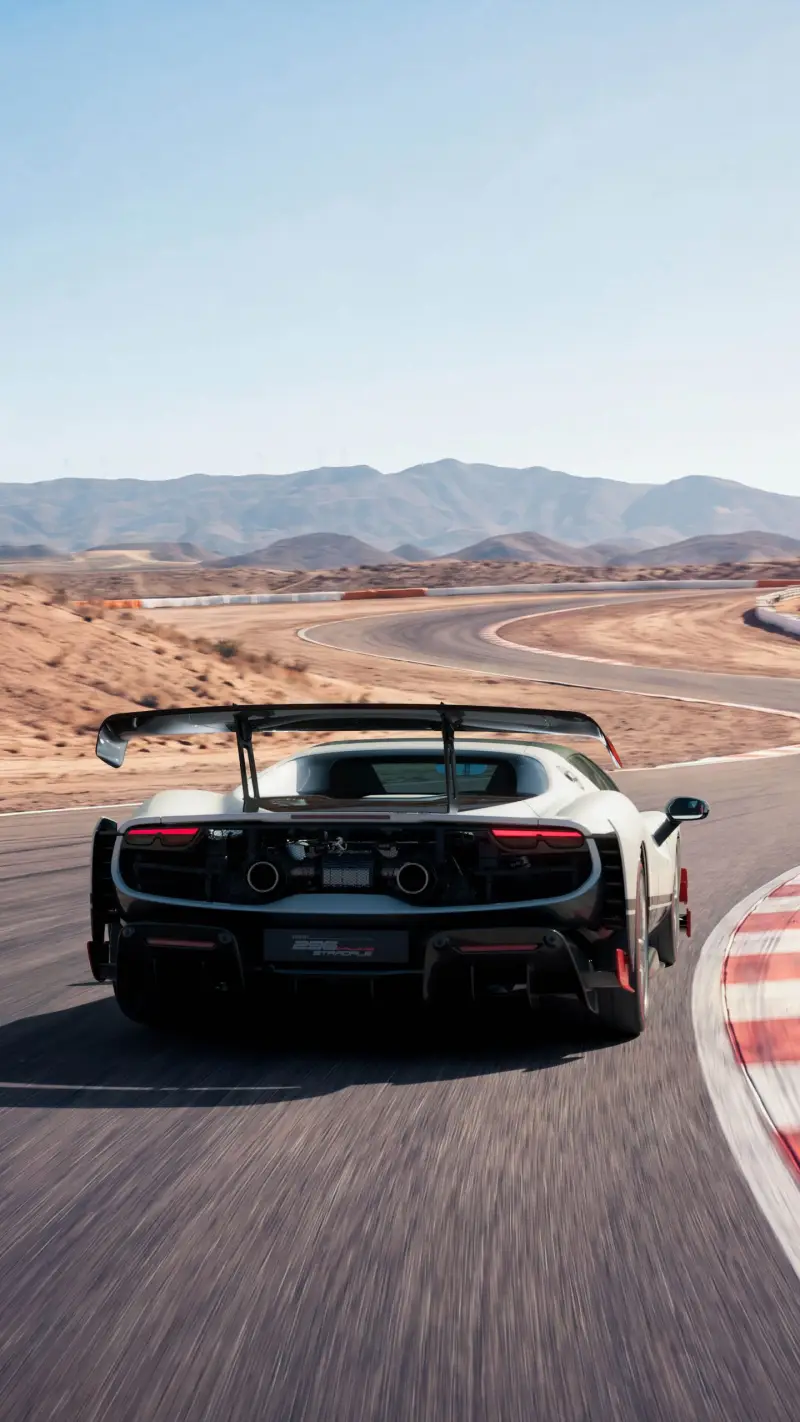
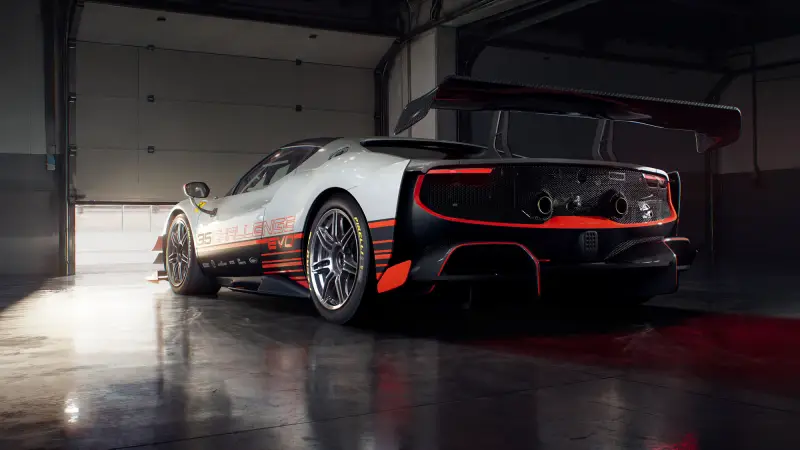
The Stradale’s aero package combines a fixed rear wing, redesigned underbody, front splitter and vortex generators. Ferrari states that the package produces 617 kg of downforce at 250 km/h, 72% more than the 296 GTB. The rear wing accounts for 270 kg at that speed, leaving the rest to the body and floor working together. That balance matters: adding rear load alone can change how a car behaves, while the full package is intended to support predictable handling as speed and cornering forces rise.
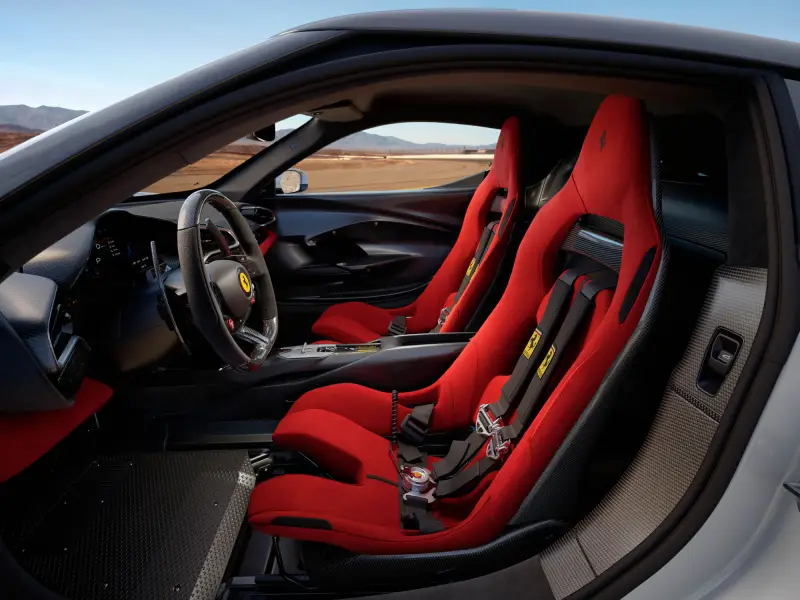
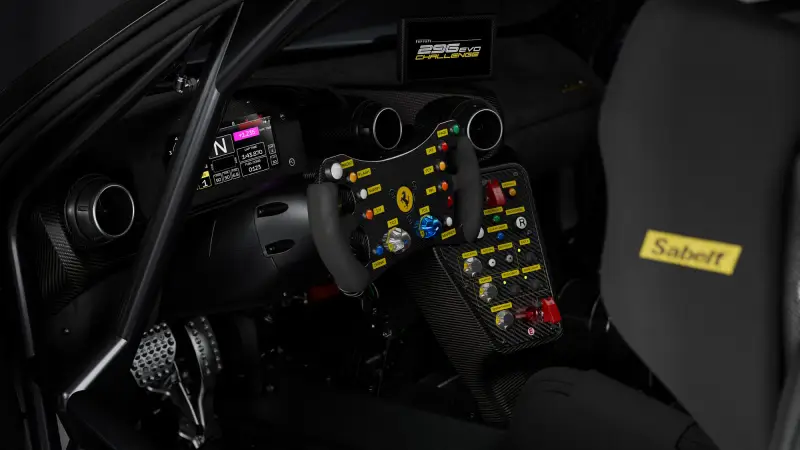
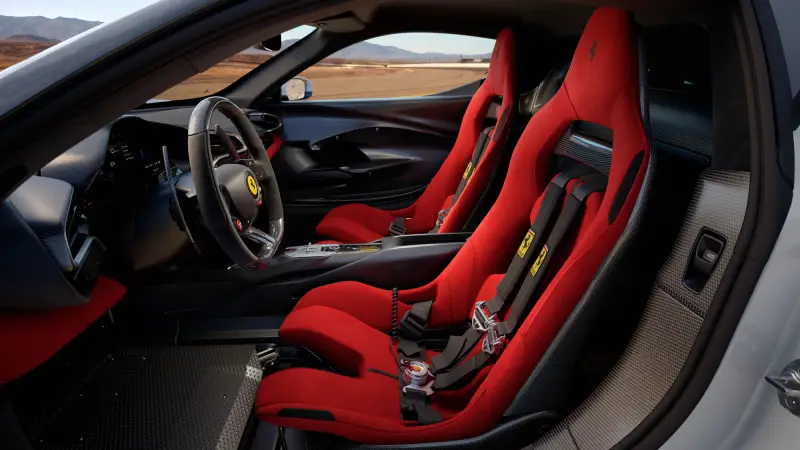
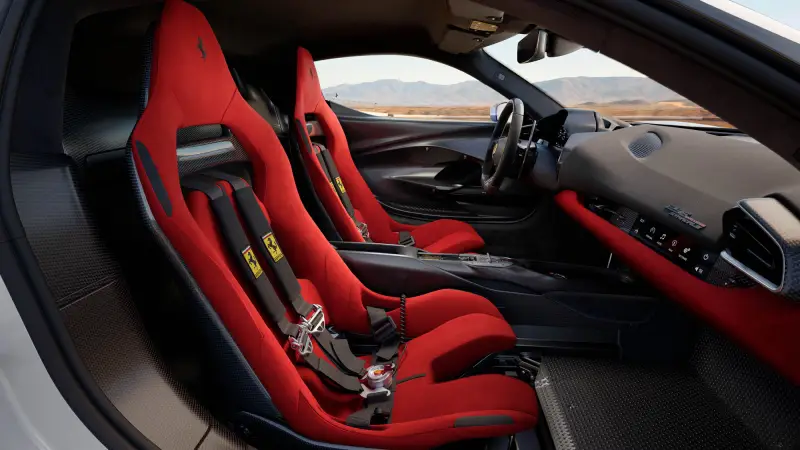
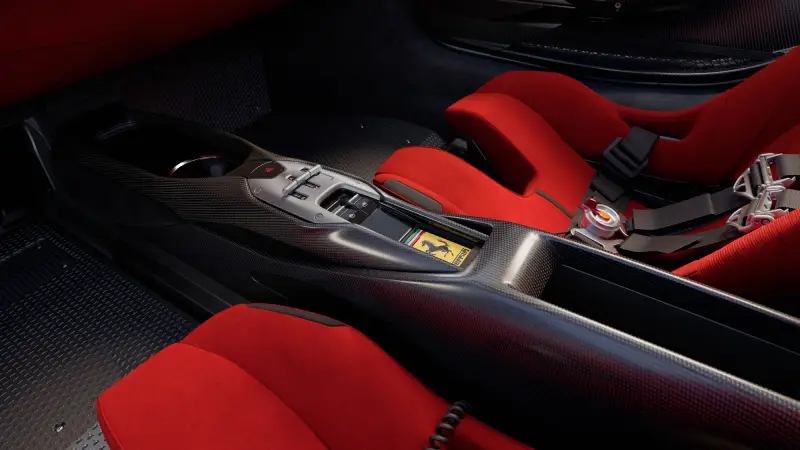
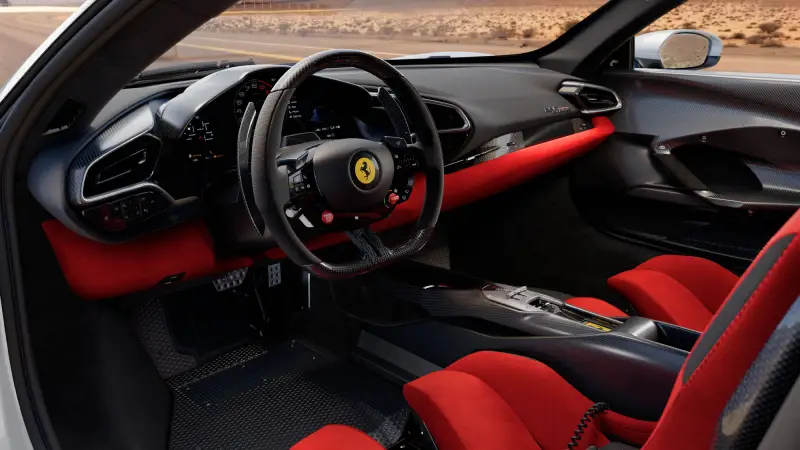
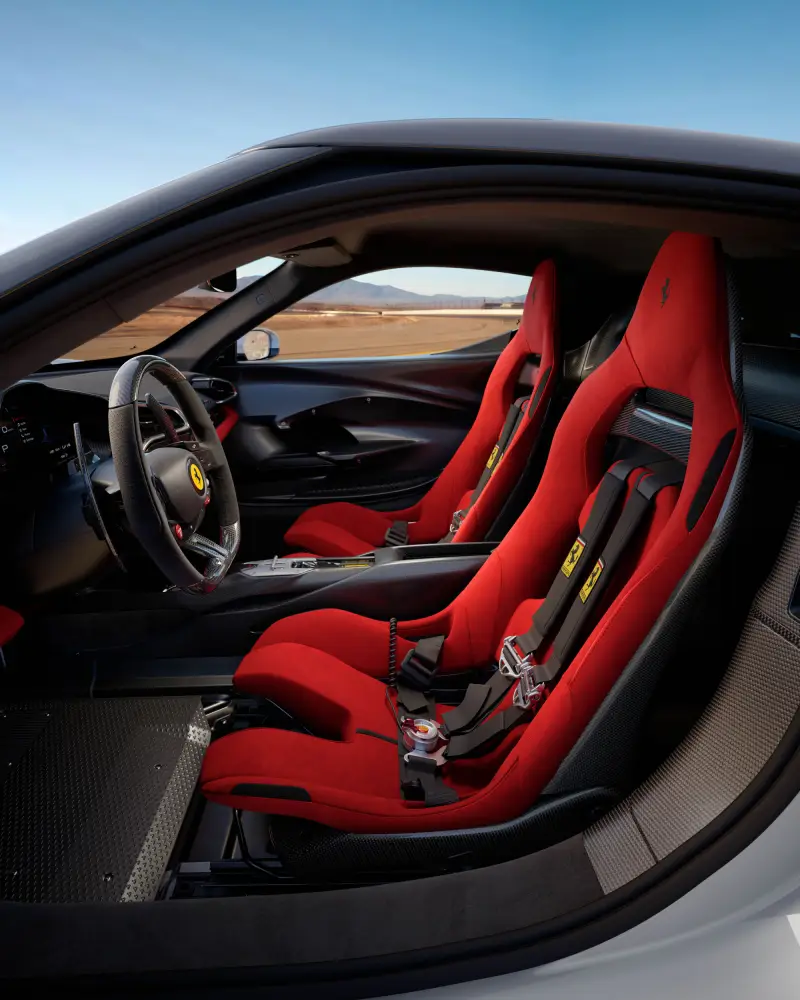
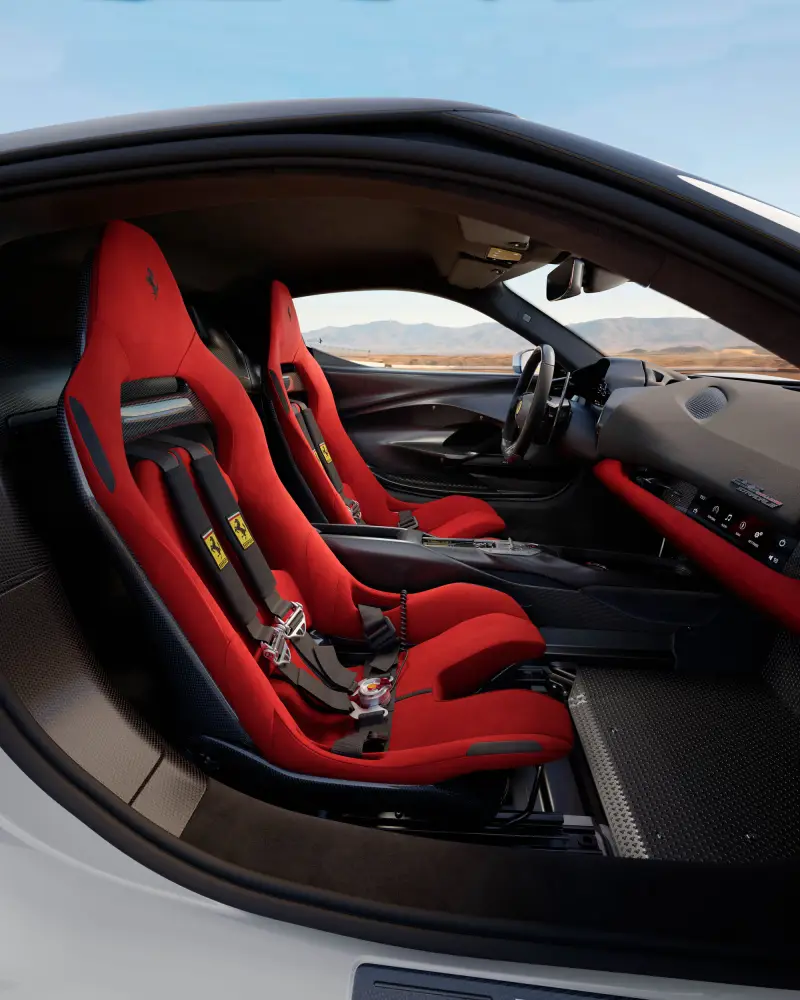
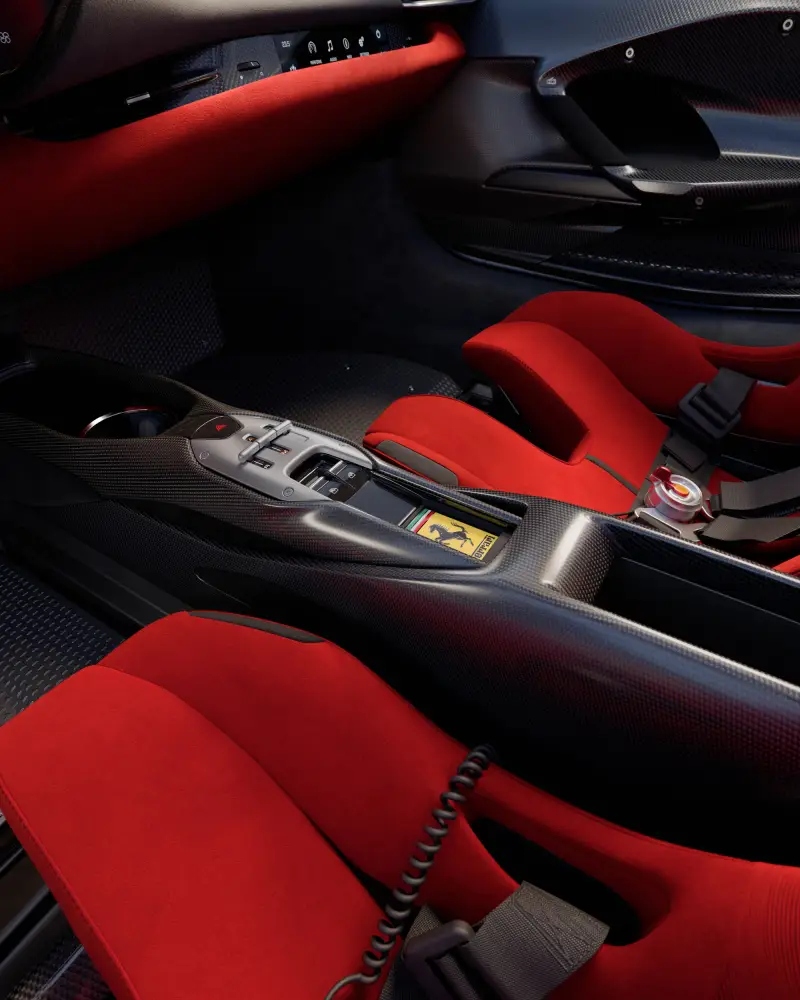
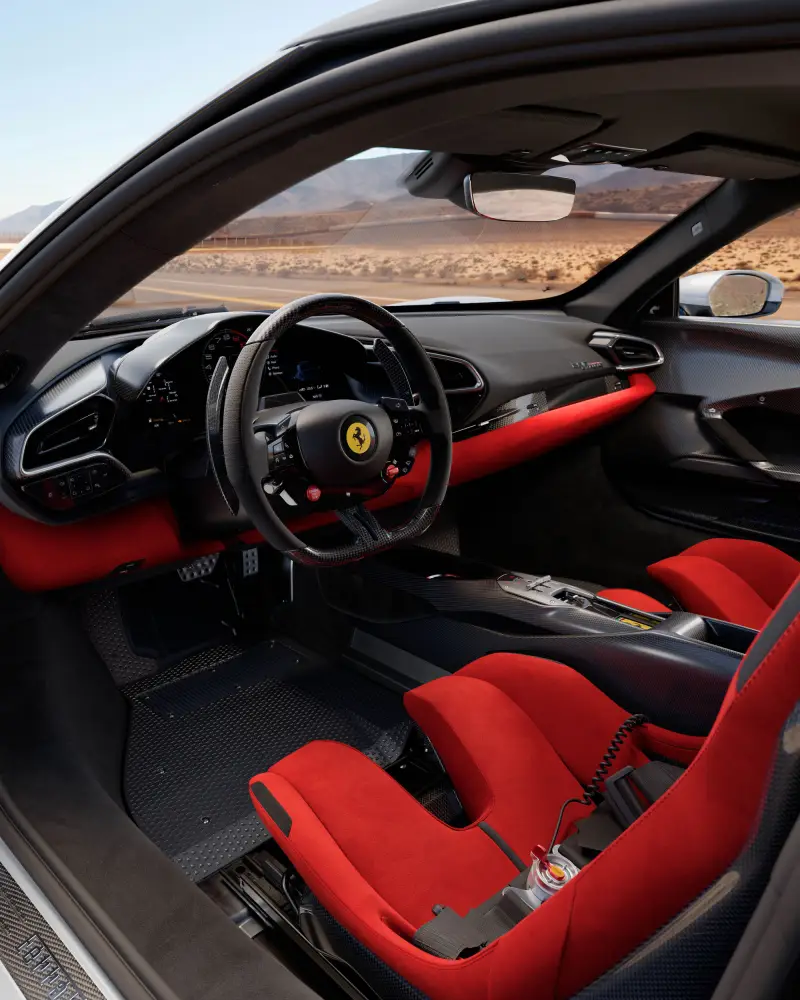
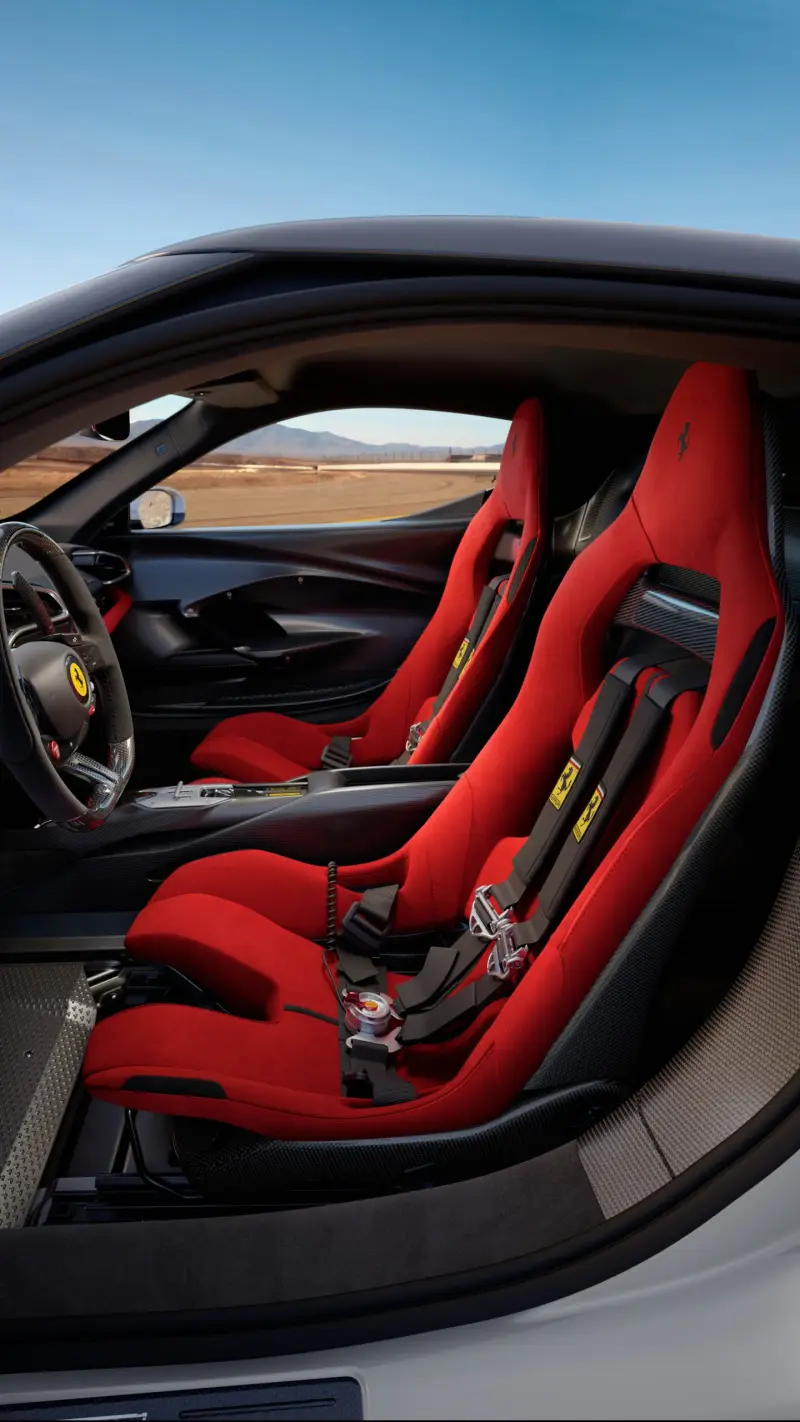
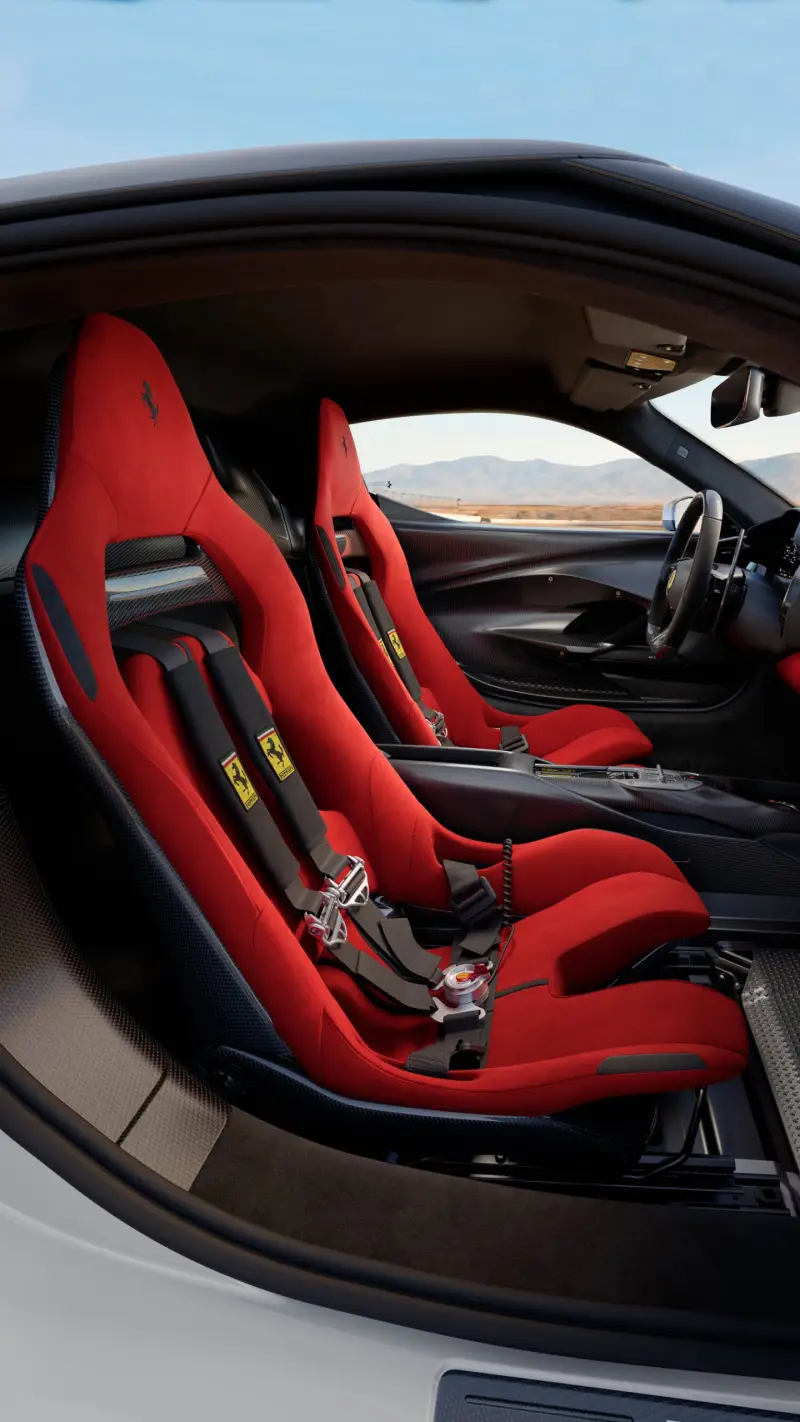
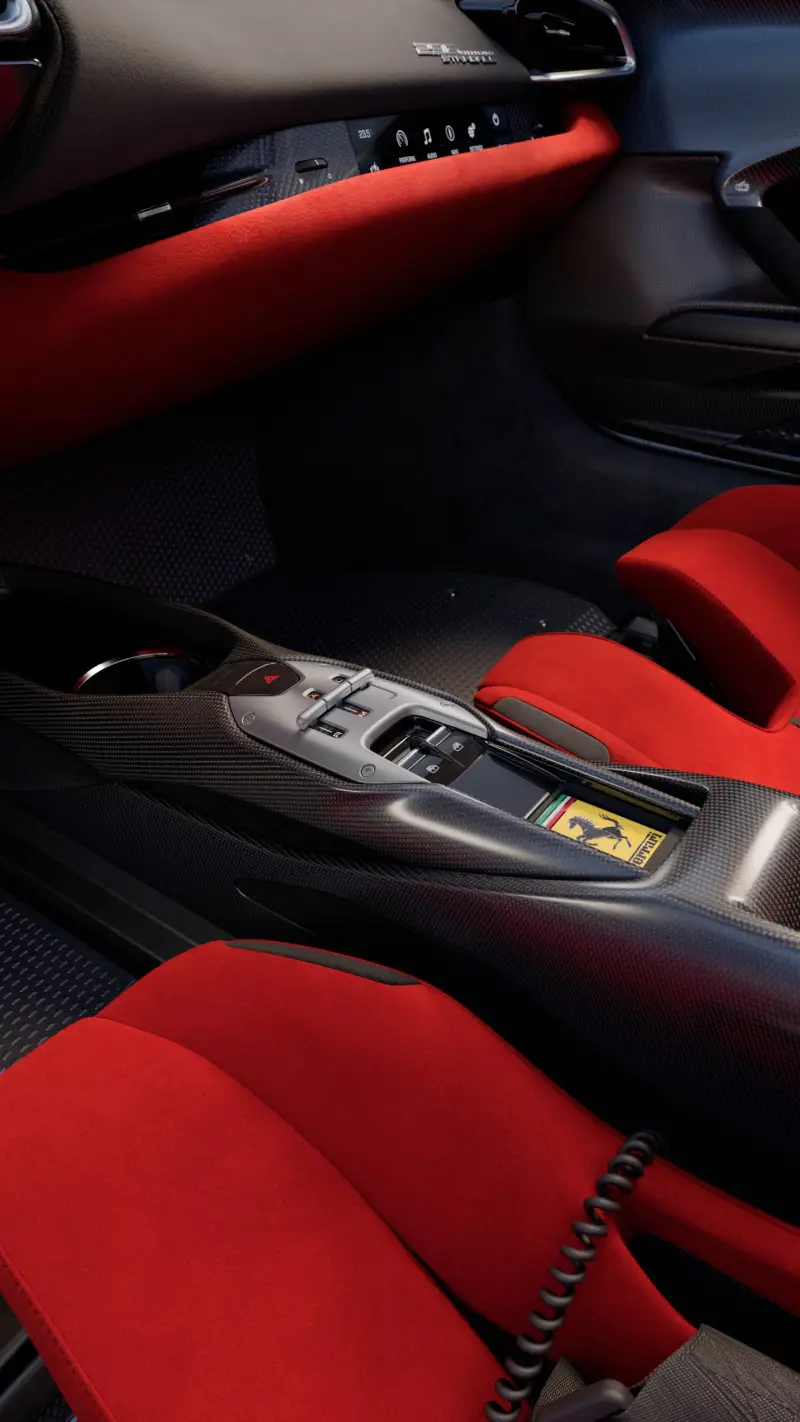
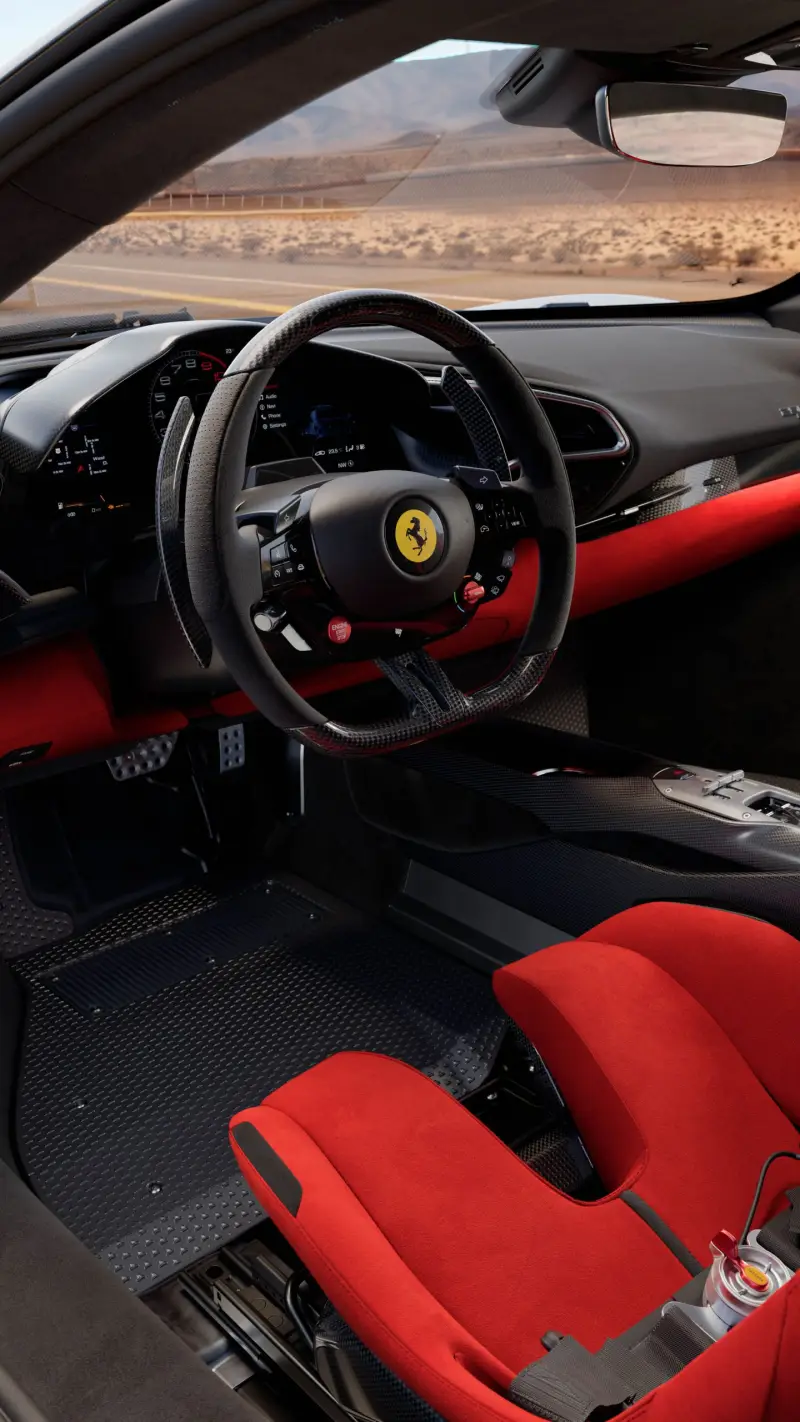
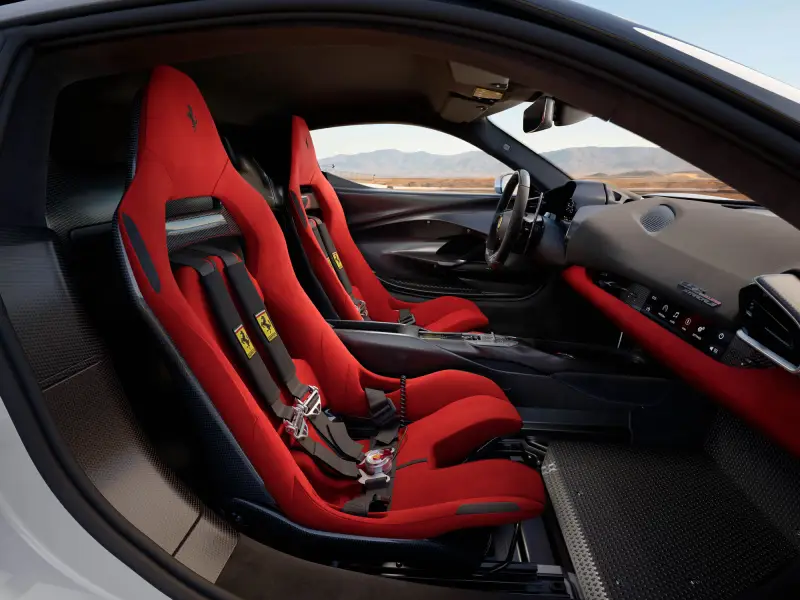
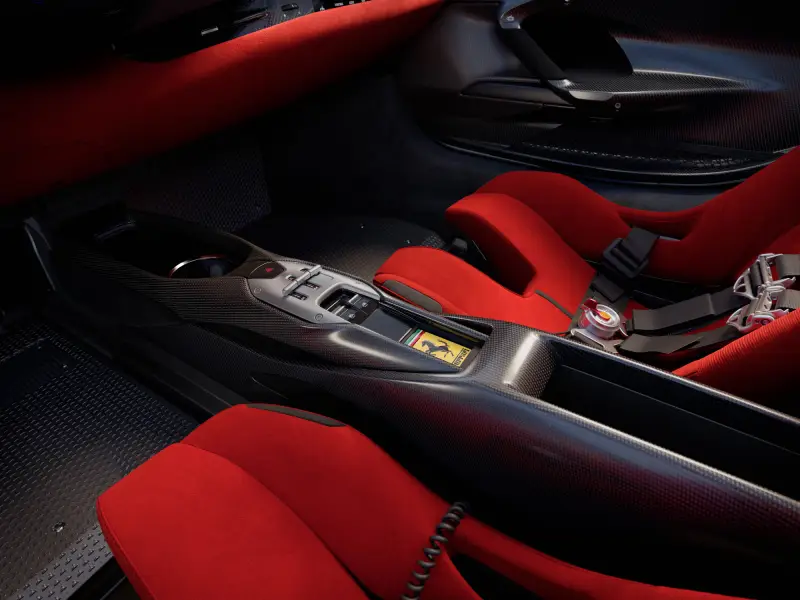
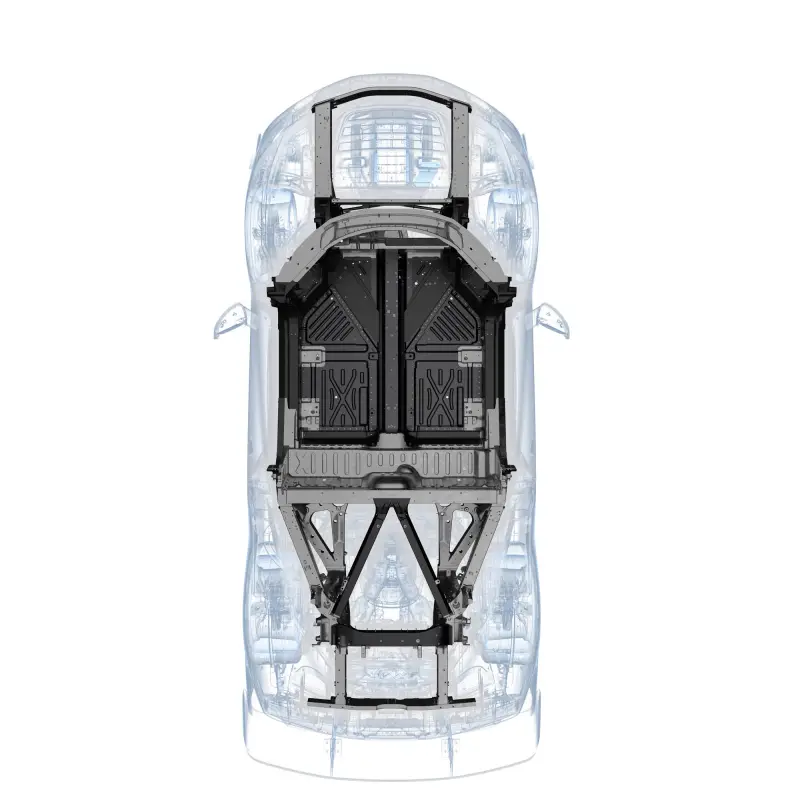
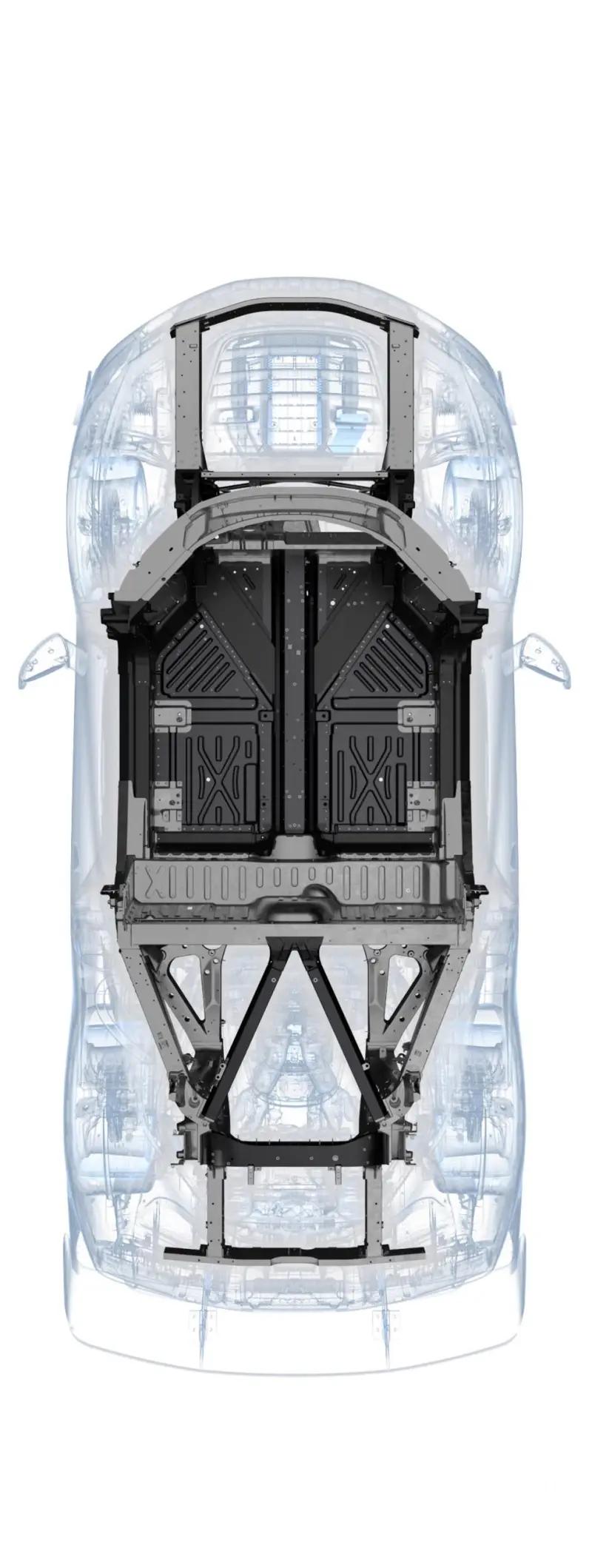
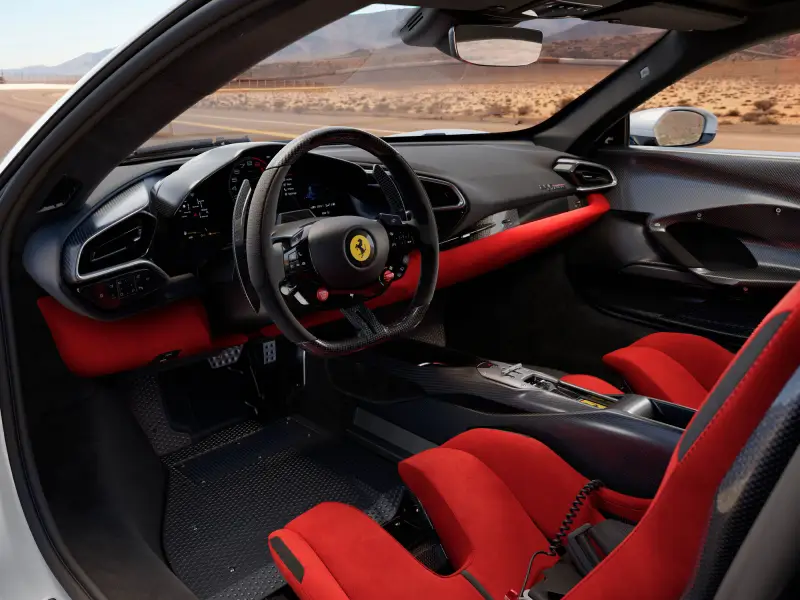
The cockpit is more stripped back, with exposed structural surfaces, and Ferrari specifies a removable exhaust intended for track use only. Those choices underline the Stradale’s dual-purpose brief: it retains road legality while bringing the driver closer to a circuit-oriented setup. Ferrari hasn’t announced pricing or customer availability in the supplied details, so those ownership questions remain open.
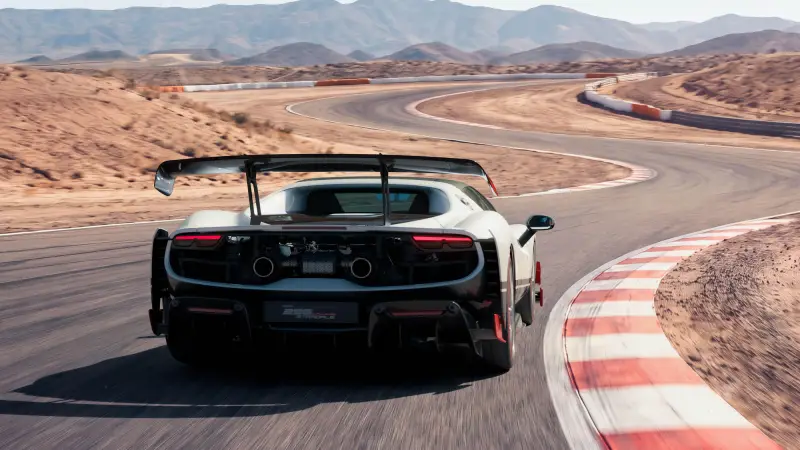
Challenge EVO: revised for longer race sessions
The 296 Challenge EVO develops 700 hp at 7,500 rpm from its non-hybrid V6 and uses a seven-speed F1 transmission. Compared with the existing 296 Challenge, maximum downforce rises by 12%. A Low Drag configuration cuts minimum drag by 4%, giving teams a different aero setting to work with when straight-line speed is the priority.
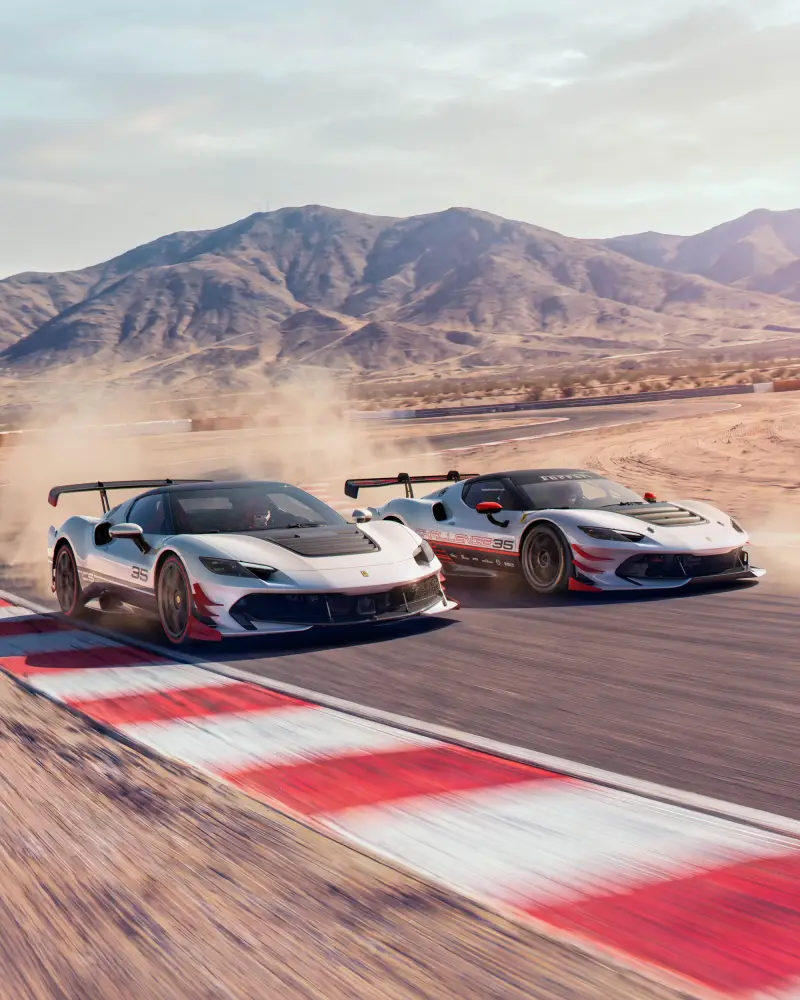
Ferrari also revised traction control, electronic differential strategies and brake-pedal calibration. The aim is consistency during extended sessions, where tire condition and changing grip can shape a driver’s pace as much as peak output. Ferrari reports that the EVO is 0.8 seconds quicker than the outgoing Challenge car at Mugello and says tire degradation has been reduced. No torque figure, dry weight breakdown or acceleration data for the EVO is stated.
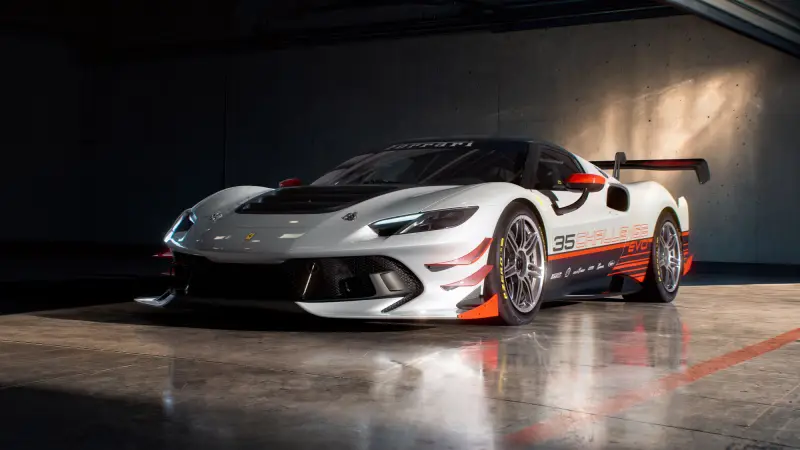
The 2027 Ferrari Challenge schedule adds three rounds with 40-minute endurance races. The new format starts at Mugello during the season’s second event, giving the EVO a series context that rewards sustained performance as well as a quick lap. That makes the changes to control systems and tire life especially relevant: a car that remains consistent deeper into a race can be easier for a driver to place and easier for a team to manage across a session.
Two interpretations of the same platform
The Stradale and EVO share an engine layout and claimed dry weight, but their transmissions, aero priorities and intended use separate them clearly. The Stradale’s figures make it a road-legal car with serious circuit credentials; the EVO’s revisions are directed at competition, including the longer race format arriving in 2027. Ferrari’s announcement supplies no prices for either model. For now, the key details to watch are how the Stradale’s road equipment and tire choices shape its circuit behavior, and how the EVO’s revised controls hold up across full race distances.