RM Sotheby’s Munich 2026: DTM Mercedes Surges Past Estimate as 55 Cars Sell
The Munich sale brought €12.1 million, led by a 300 SL Roadster and a DTM Mercedes that beat its high estimate by €338,750.
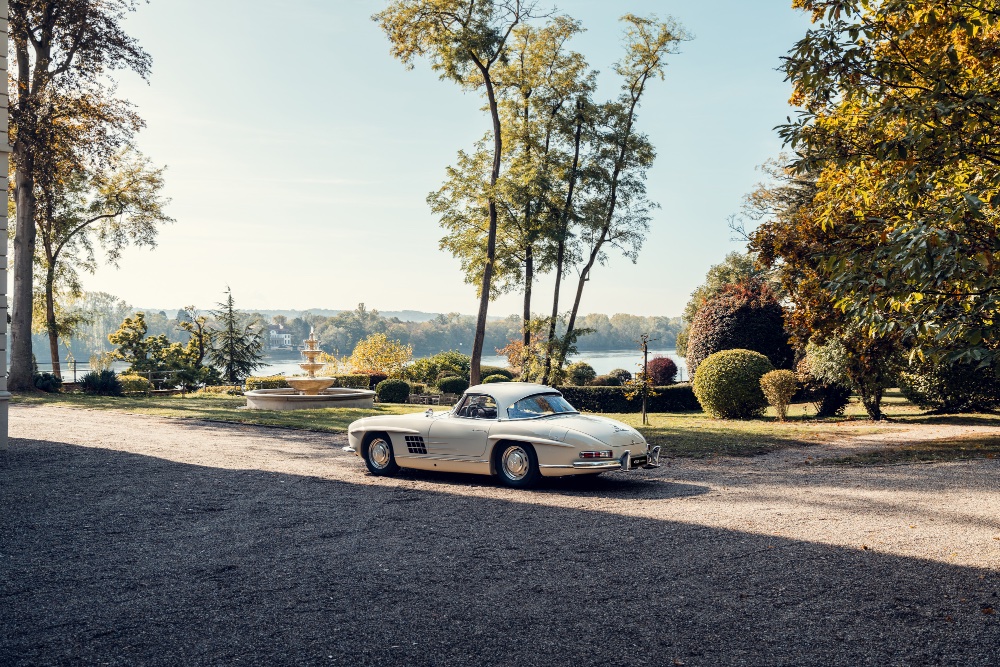
Competition history and unusual provenance shaped some of the sharpest results at RM Sotheby’s Munich sale. The 2014 Mercedes-AMG C-Coupé DTM finished well above its estimate, while a late-production 300 SL Roadster led the auction by price. Across the sale, 55 of 60 cars sold for a combined €12,101,700, a 92 per cent sell-through rate after a 1993 Porsche 911 Carrera RS 3.8 was withdrawn before the November 20, 2026, event at Motorworld Munich.
Headline results and collection totals
The 1963 Mercedes-Benz 300 SL Roadster brought the top price at €1,332,500, followed by a 1992 Porsche 911 Turbo S Lightweight at €1,265,000. The biggest result against estimate belonged to the DTM car: it sold for €938,750, €338,750 above the top of its €400,000 to €600,000 guide. The Porsche Turbo S Lightweight also cleared its high estimate, finishing €265,000 above it.
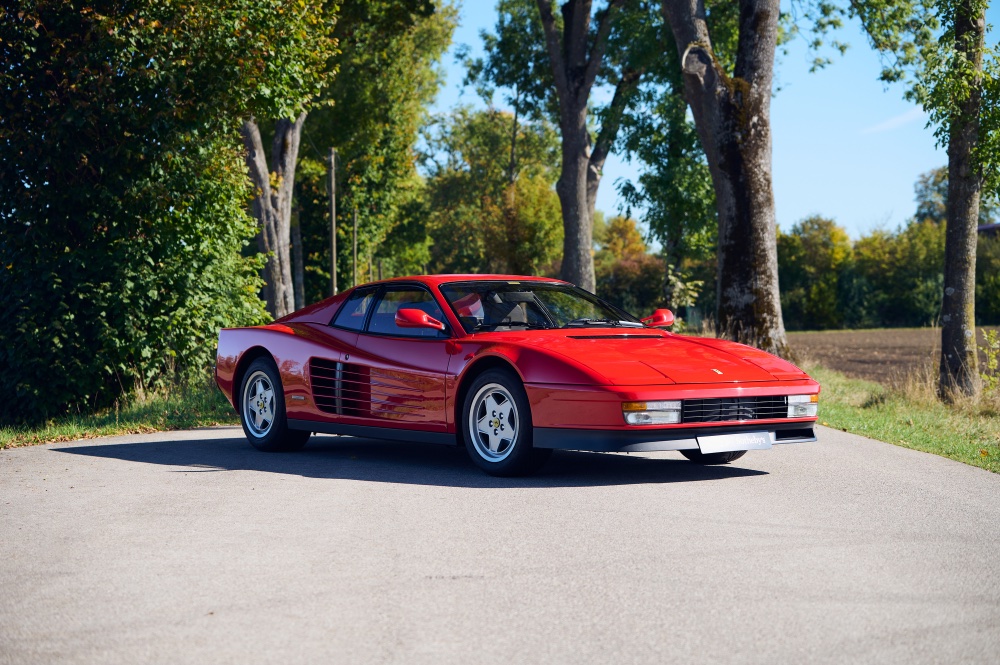
Results at the other end of the scale were stark. A 1939 BMW 328 Roadster sold for €291,875 against a €550,000 to €650,000 estimate, the largest cash shortfall among the cars that found buyers. The greatest percentage gap came from a 1971 Maserati Indy restoration project: €2,300 against a €20,000 to €40,000 estimate. By contrast, a 1990 Ferrari Testarossa showing just 923km from new achieved €444,000, well above its €180,000 to €280,000 guide.
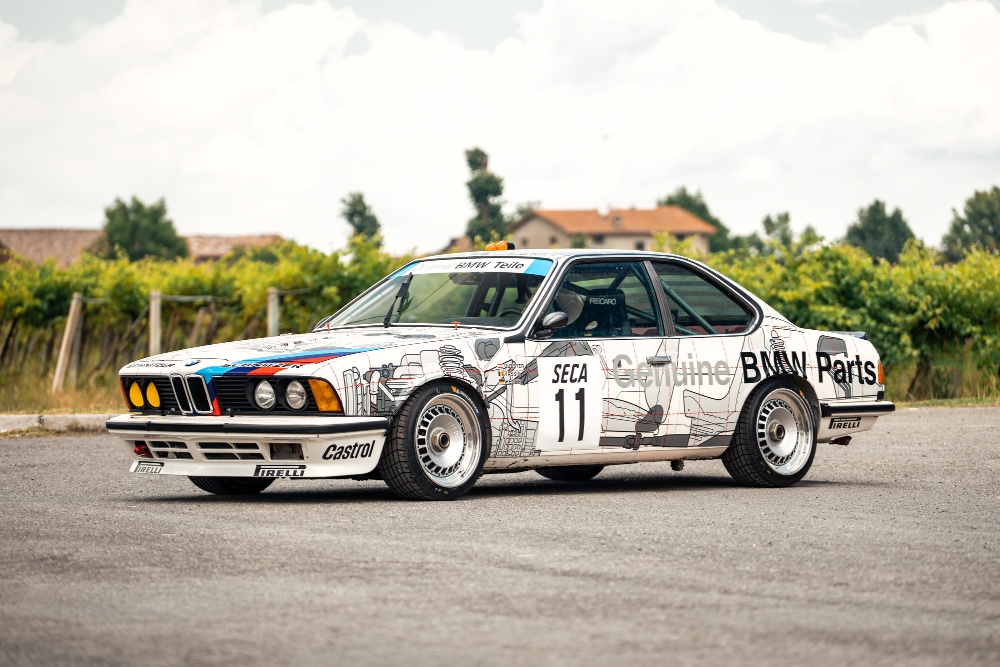
Five cars failed to sell, including a 2016 Porsche 911 R, a 1962 Porsche 356 B Carrera 2 Cabriolet and a 1963 Maserati 3500 GTi Spyder. Two notable BMW racers also remained unsold: the 1986 Schnitzer 635CSi Group A that won the Spa 24 Hours, and a 1971 Broadspeed-developed 3.0 CSL later modified to Batmobile specification.
The two named collections had very different days. All six cars from the Porsche Heritage Collection sold for a combined €1,154,075. Its 2024 Porsche 911 S/T led at €376,250, ahead of a 2023 Porsche 911 Sport Classic at €314,375. The Tridente Collection’s six sales totalled €584,000 against aggregate lower estimates of €820,000; none reached its lower guide. Its seventh car, a 1963 Maserati 3500 GTi Spyder by Vignale, went unsold. Results for the six sold cars ran from €342,500 for a Ghibli Spyder to €2,300 for the Indy project.
Late 300 SL Roadster leads the sale
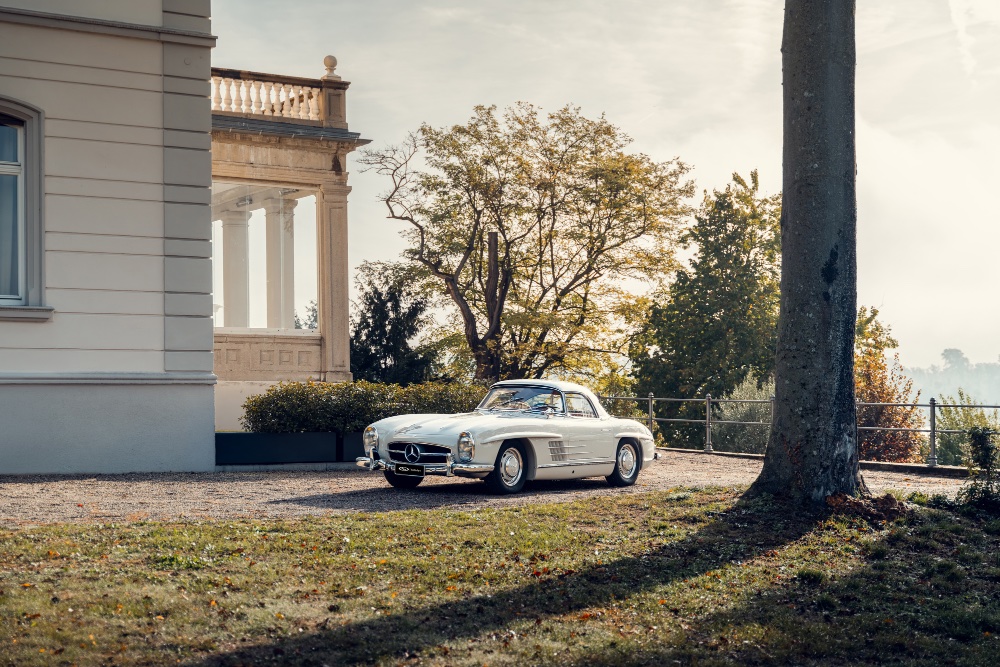
Chassis 198.042.10.003248 is one of the final Mercedes-Benz 300 SL Roadsters, just 11 cars from the end of production. Its specification combines disc brakes with the aluminium engine block introduced in 1962. The car was originally finished in White Grey over red leather and has been returned to that colour combination.
Its earliest ownership record is incomplete, but by 2000 the Mercedes-Benz was in Germany with Walter Schröder of Rüsselsheim. It passed to a Neunkirchen collector in January 2002, by which point it had been repainted dark blue. The consignor acquired it in early 2022 and commissioned a thorough refurbishment, carried out mainly by TG Classics of Willich with finishing work by Walter Pusch. Completed in 2025 at a documented cost of more than €170,000, the work renewed chassis components, reconditioned the cylinder head, and fitted a new fuel tank and brake-system components.
The engine, gearbox, differential and kingpins retain numbers that correspond with the factory documentation and Gull Wing Group records. The lot included a matching hardtop, red leather luggage, a copy of the factory data card and technical material that included a metallurgy report. Against a €1,300,000 to €1,700,000 estimate, it sold for €1,332,500 including fees.
Turbo S Lightweight and DTM machinery
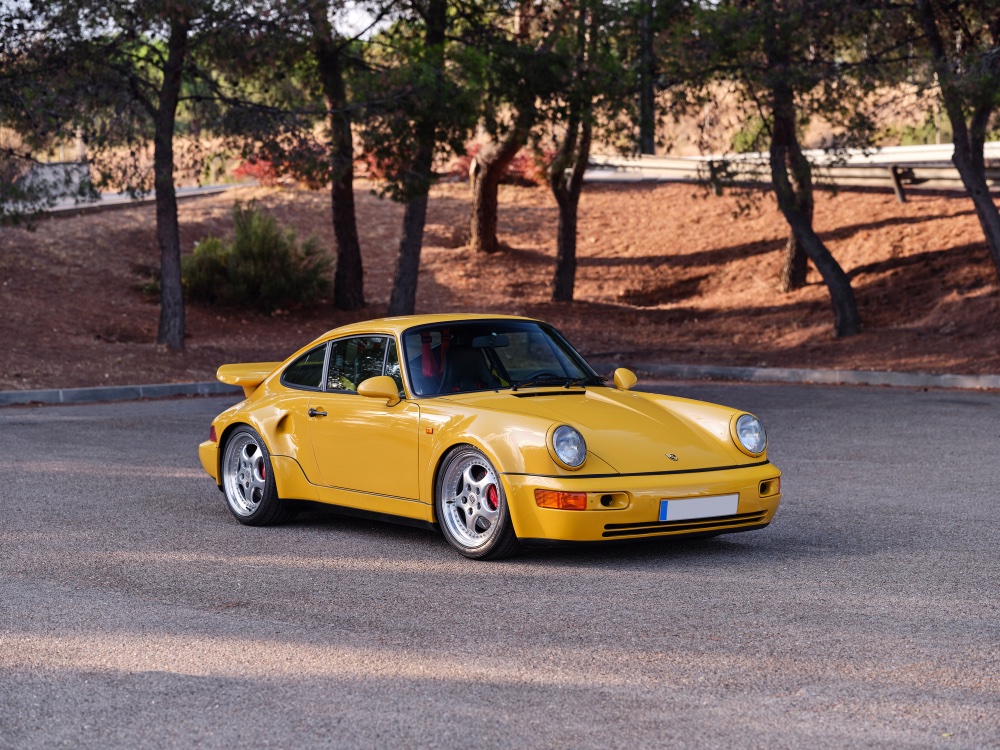
The 1992 Porsche 911 964 Turbo S Lightweight, chassis WP0ZZZ96ZPS479021, had remained in the same family since 1993. Originally ordered by a Porsche VIP client for the German market, it was completed in September 1992, delivered in December and later moved to Spain.
Its Paint-to-Sample Speed Yellow finish was paired with black leather and yellow and grey inserts on the bucket seats and three-spoke steering wheel. Factory equipment included an on-board computer, limited-slip differential and 18-inch split-rim Speedline wheels with Dunlop tyres. The records include Porsche España service entries from 1993 and 1998 and six Spanish ITV inspections between 1997 and 2007, followed by inspections in 2021 and October 2023. Most of the mileage was accumulated in the first decade, with little use since 2000. Porsche Classic Center Gelderland inspected the car in October 2026 and confirmed the matching-numbers engine and gearbox. The odometer read 30,933km at cataloguing. Its €1,265,000 result, including fees, beat the €800,000 to €1,000,000 estimate.
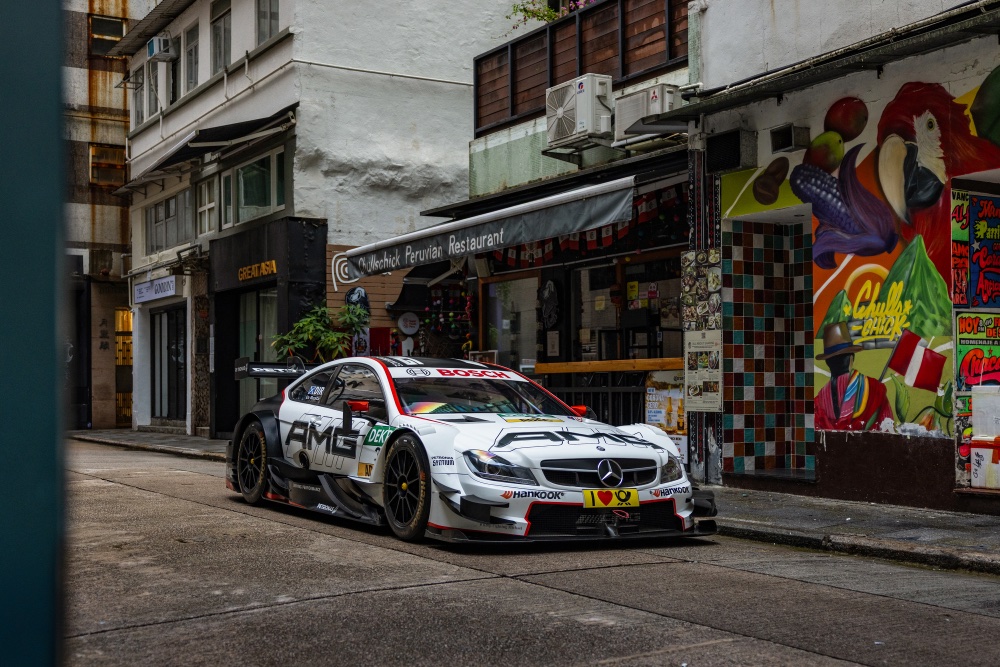
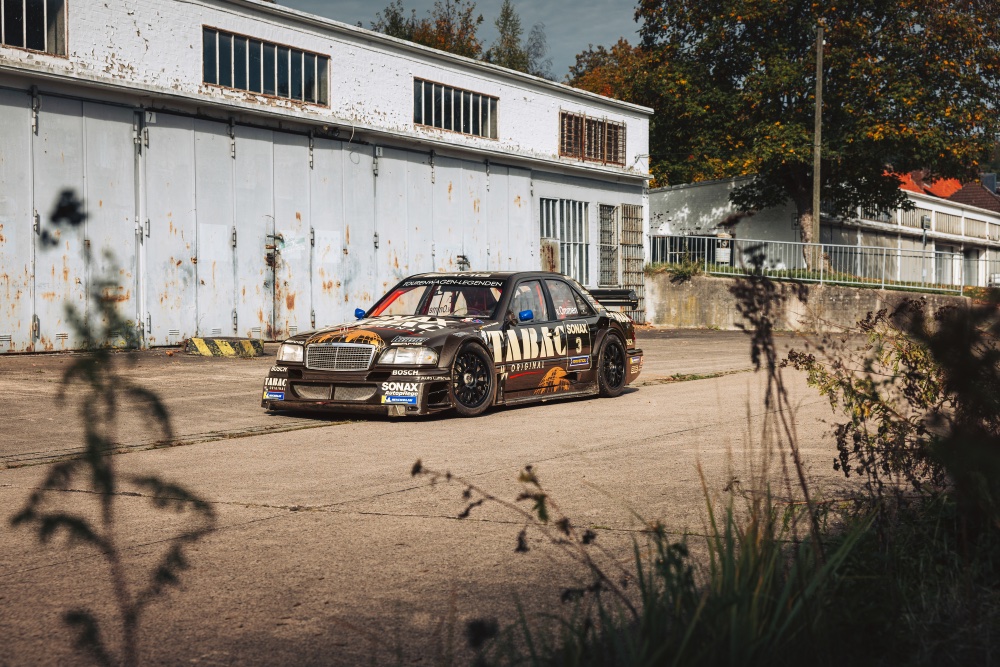
The 2014 Mercedes-AMG C-Coupé DTM, chassis V35-035, was built and raced by HWA over three DTM seasons from 2014 through 2016. Paul di Resta, returning to the series after three Formula 1 seasons, drove it in 2014 and recorded fourth-place finishes at Oschersleben, the Nürburgring and Hockenheim. He continued with the chassis in 2015, finishing third and setting the fastest lap in the opening Hockenheim round on his way to eighth in the drivers’ championship.
For 2016, the car received the later W205-style silhouette and went to Maximilian Götz, whose best finish was fourth in the opening Moscow race. HWA sold the chassis to the consignor in June 2018. At Munich it wore its earlier W204 bodywork and di Resta’s number-three livery from 2015. The sale included a DMSB Wagenpass issued in April 2014, an HWA engine operation manual, spare wheels, slick and wet tyres, oil and water pre-heaters, and workshop equipment. The €938,750 result including fees was about 56 per cent above the upper estimate.
Another DTM-era Mercedes, a 1995 AMG-Mercedes C-Klasse DTM, chassis RS95-0216, sold for €522,500 against a €450,000 to €550,000 guide. Jörg van Ommen drove it throughout its first season. His results included two second places at Hockenheim, podiums at the Norisring and Diepholz, and third places in ITC races at Donington Park and Magny-Cours. He finished runner-up to Bernd Schneider in the German championship and fifth in the international series.
After a single unsuccessful ITC appearance in 1996, the car was retired and displayed at Wilhelm-Maybach-Schule in Stuttgart until 2014. Collector Jörg Hatscher later commissioned a restoration by Mercedes-Benz racing specialist Thorsten Stadler, completed in 2018. Since then, the car has appeared at historic DTM events with van Ommen, Patrick Huisman and Stadler at the wheel. It was presented in its 1995 UPS, Tabac and Sonax livery.
Ferraris, an AHG M1 and an Evolution II
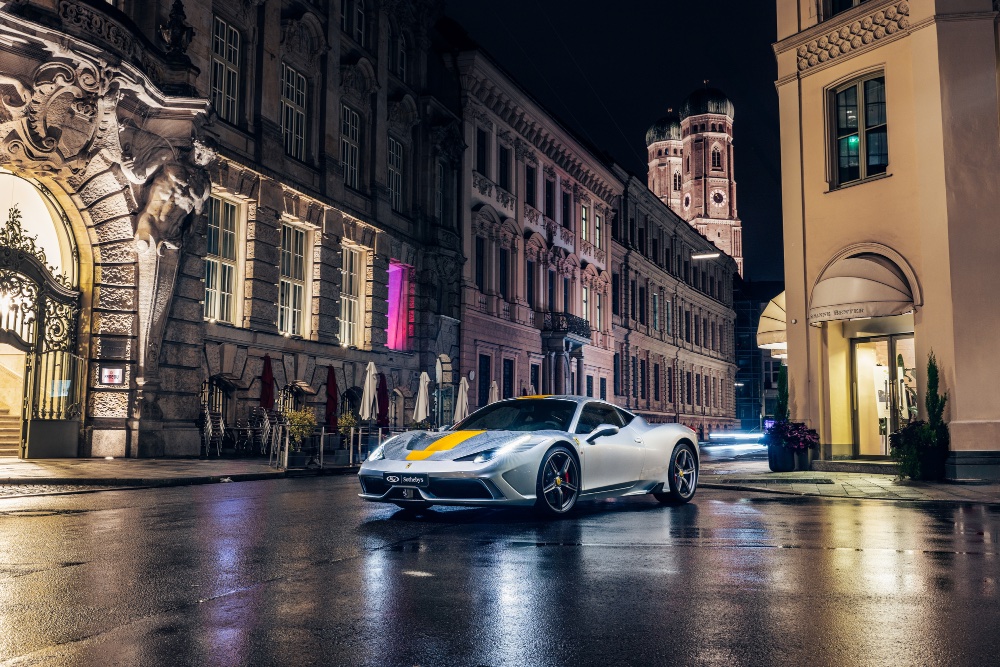
A 2015 Ferrari 458 Speciale, chassis ZFF75VHB000214180, sold for €635,000 including fees against a €520,000 to €620,000 estimate. Delivered new to Croatia in November 2015 through Forza Rossa Holding Limited, it was specified in Grigio Alloy with a full-length Giallo Triplo Strato NART stripe. Carbon-fibre details included the rear diffuser and side blades; red calipers sat behind the carbon-ceramic brakes. The cabin used Nera Alcantara with contrasting stitching and embroidered Cavallino emblems.
Its service book contained ten stamps, with maintenance recorded through Ferrari specialists and dealers. Entries included a Budapest service in September 2017 at 2,300km, later work at Auto Toy Store in Starnberg, Scuderia Gran Tourismo and Eberlein Ferrari Kassel, and replacement brake fluid and ancillary belts in July 2023. Further work followed in June 2025, then Emil Frey Sportivo in Munich serviced the car in October 2026. It showed 29,254km at cataloguing.
The 1990 Ferrari Testarossa had a very different mileage story. Chassis ZFFAA17B000089053 had covered just 923km during more than 36 years with one owner. Auto Becker of Düsseldorf supplied it new after import through Ferrari Deutschland GmbH. The owner collected it on May 4, 1990, but reportedly never grew comfortable driving it. After fewer than 1,000km, it went into a heated garage and was deregistered. The €444,000 result including fees was €164,000, or 58.6 per cent, above the €280,000 top estimate.
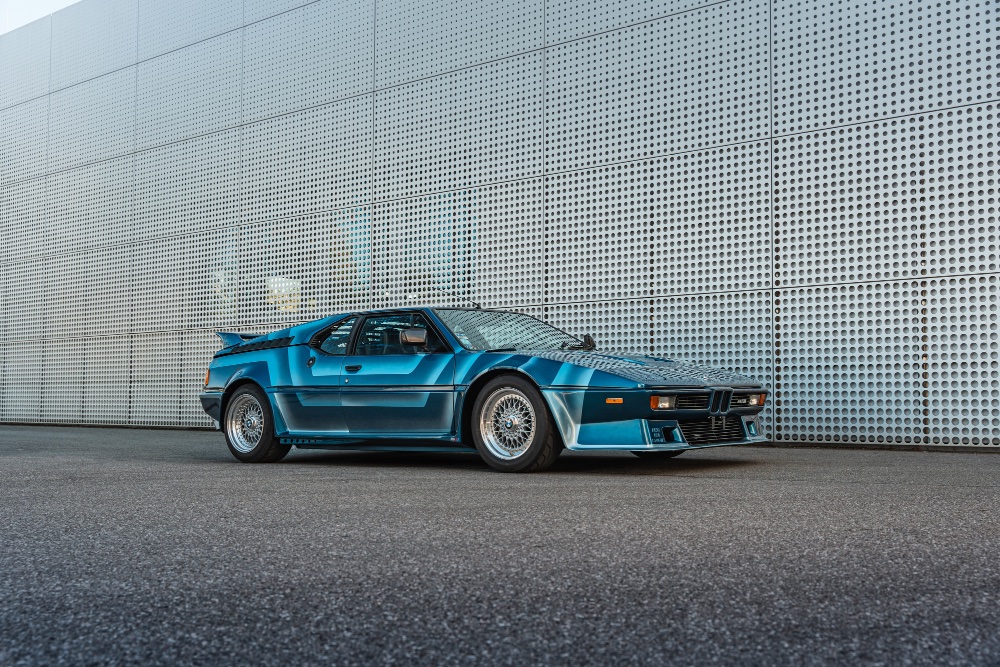
The 1987 BMW M1 AHG Studie sold for €387,500, just below its €400,000 to €500,000 estimate. Its documentation sets it apart from a standard M1 later modified by AHG: the BMW VIN, WBS59910004301461, falls immediately after the final production M1 chassis number, while period registration paperwork describes a build using original spare parts and a bare body shell. AHG, the BMW dealership and motorsport operation controlled by Peter Gartemann, undertook the project; the car is believed to have been built for Gartemann and used to promote the company’s M1 interpretation.
Its widened body, front and rear spoilers, adjustable competition suspension and three-piece BBS wheels were paired with a modified engine reportedly producing 350bhp. Hermann Altmiks created the blue livery and signed beneath the left rear light. German registration began in September 1987 under chassis number TP8220526. The paperwork refers to BMW Motorsport suspension components, AHG bodywork and a restamped identification number; a contemporary promotional leaflet was also included. The result was €67,500 below the €455,000 paid for the standard 1980 BMW M1 offered as Lot 118.
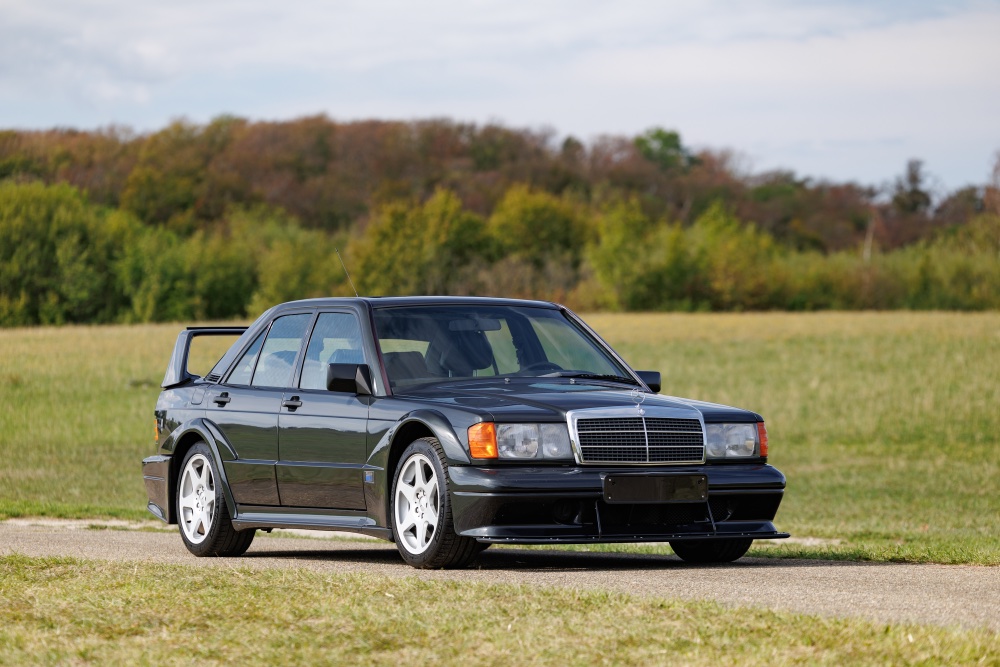
Mercedes-Benz retained the 1990 190E 2.5-16 Evolution II, chassis WDB2010361F726329, when new. Number 002 of 500 was completed in March 1990 and allocated to AMG-Mercedes driver Klaus Ludwig for personal use. Blue-Black Metallic paint, black leather, air conditioning, an electric sunroof and heated front seats made up its specification. Ludwig supplied a letter confirming his use, alongside a model car and dashboard trim signed by the three-time DTM champion.
Mercedes-Benz sold it in July 1991 to Georg Mekle of the Mosolf Racing Team near Stuttgart for DM98,952, when it had covered about 20,500km. Mekle mainly used it for trips to truck-racing events. The original engine remains; a Mercedes-Benz service centre replaced the rear axle in 1990. The odometer showed 45,833km, and the car sold for €398,750 including fees against a €300,000 to €400,000 estimate.
Maserati collection and the shortfall cars
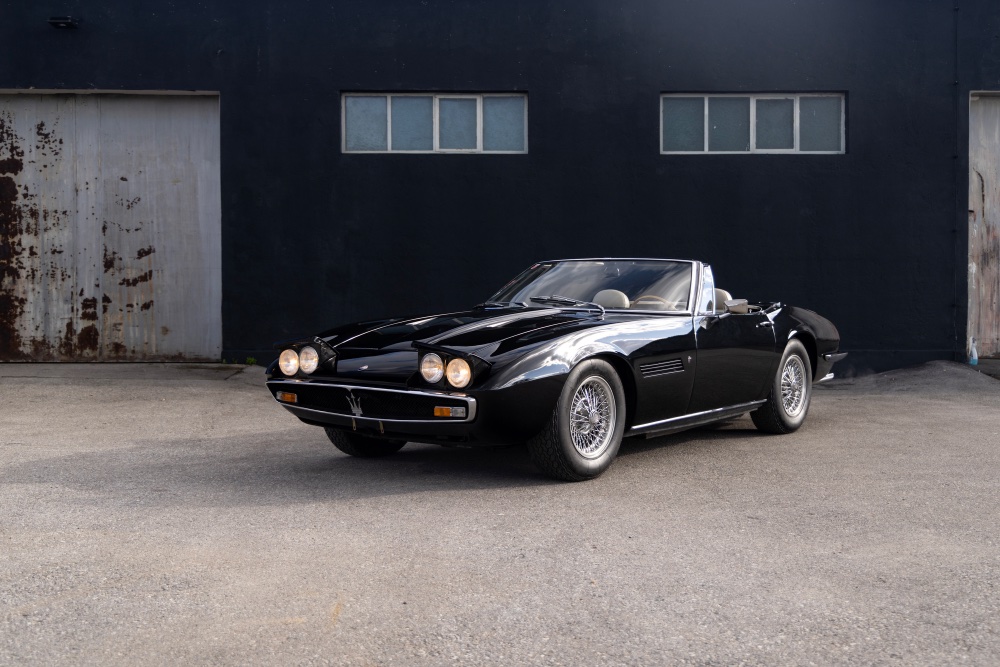
The 1970 Maserati Ghibli 4.7 Spyder by Ghia, chassis AM115/S 1233, was completed on December 3, 1970, for delivery to Atlanta, Georgia. It left Modena in Verde Gemma metallic over white leather with a Borg Warner automatic transmission. The matching-numbers V8 remains, but the original paint has given way to black and a manual gearbox has replaced the factory automatic. Its intervening ownership history is incomplete.
The Ghibli later joined a private European collection before the consignor acquired it in February 2018. Factory records give a December 1970 completion date, while Austrian registration papers identify the car as a 1969 model. At €342,500 including fees, it finished €77,500 below the €420,000 to €520,000 estimate, yet remained the highest-priced Tridente Collection car sold.
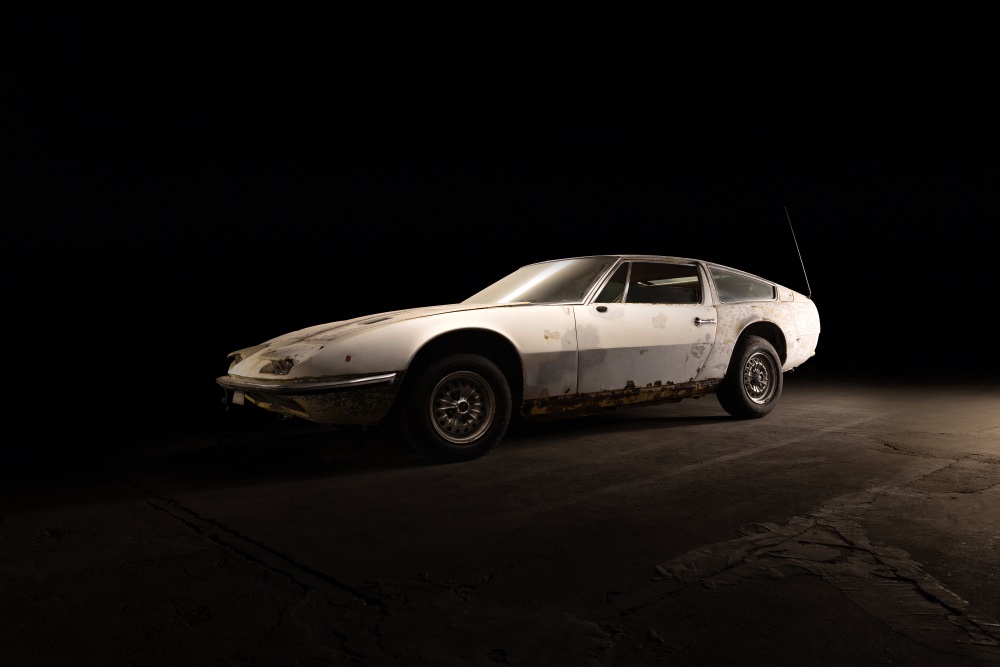
The 1971 Maserati Indy 4.2 Project by Vignale, chassis AM116/958, had a more difficult sale. Factory records place its completion on March 6, 1971, with Bianco Polo paint, Senape leather, a five-speed manual gearbox and electric windows. Supplied new to Milan, it later formed part of the Austrian-based Tridente Collection. Although presented in its original exterior colour, it required a complete restoration and came with a bill of sale only. Its €2,300 result including fees was €17,700, or 88.5 per cent, below the €20,000 low estimate.
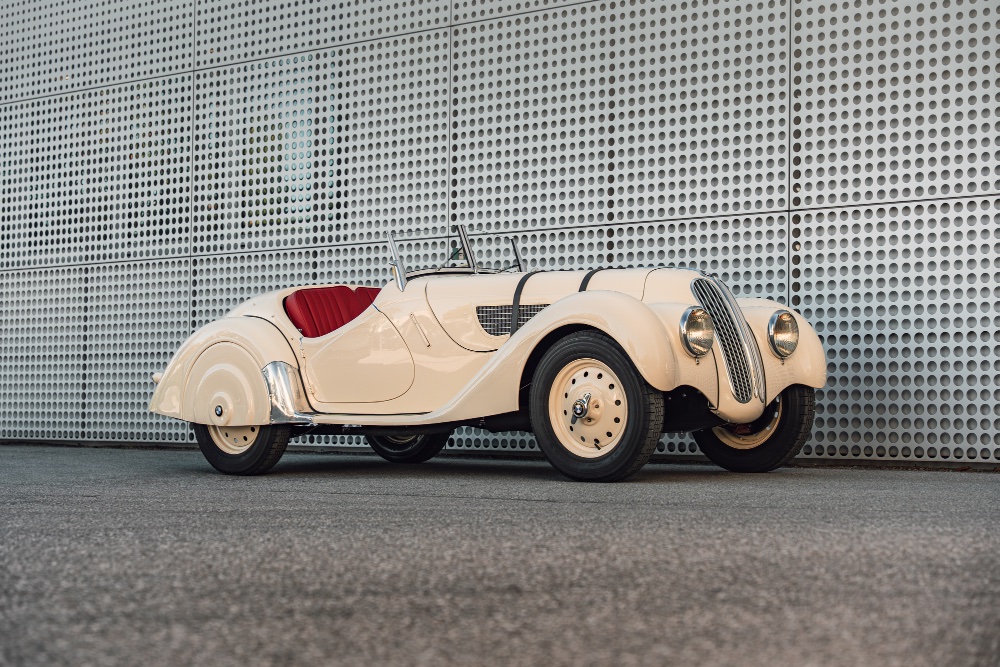
The 1939 BMW 328 Roadster, chassis 85367, brought €291,875 against a €550,000 to €650,000 estimate. BMW’s handwritten production records show it finished in white in April 1939; it is believed to have been delivered new to Bucharest and was first registered in July. Its later history is patchy, though German registration paperwork places it in the Aumann Collection by at least 1998.
A major restoration in 2020 and 2021 did not prevent the steep gap to estimate. Michael Plass Motoreninstandsetzung rebuilt a correct-type replacement engine block for €9,235; it was restamped to match the chassis and paired with a Volvo-sourced gearbox. Mario Schrank of Die Oldtimermanufaktur stripped the car and fitted a replacement body from another BMW 328, fabricating a new rear section and wings. Bodywork, paint, interior and related mechanical refurbishment accounted for 1,716 hours and €135,197, with combined documented spending of about €145,000. The result shows how extensive work and significant invoices don’t, by themselves, determine what bidders will pay.


