30 Lamborghini Road Cars Ranked: From the Countach LP400 to the Temerario
From the Miura and Countach to the hybrid Revuelto, these 30 Lamborghinis show how the marque’s design, engineering and driving character evolved.
Lamborghini’s story runs from Ferruccio Lamborghini’s 1963 ambition to build a better grand tourer to the Miura, unveiled three years later, and the Countach that followed. Across six decades, the marque has changed owners and endured bankruptcy, but its cars have kept one job in focus: make a striking entrance. The strongest models add engineering and driving character to that spectacle.
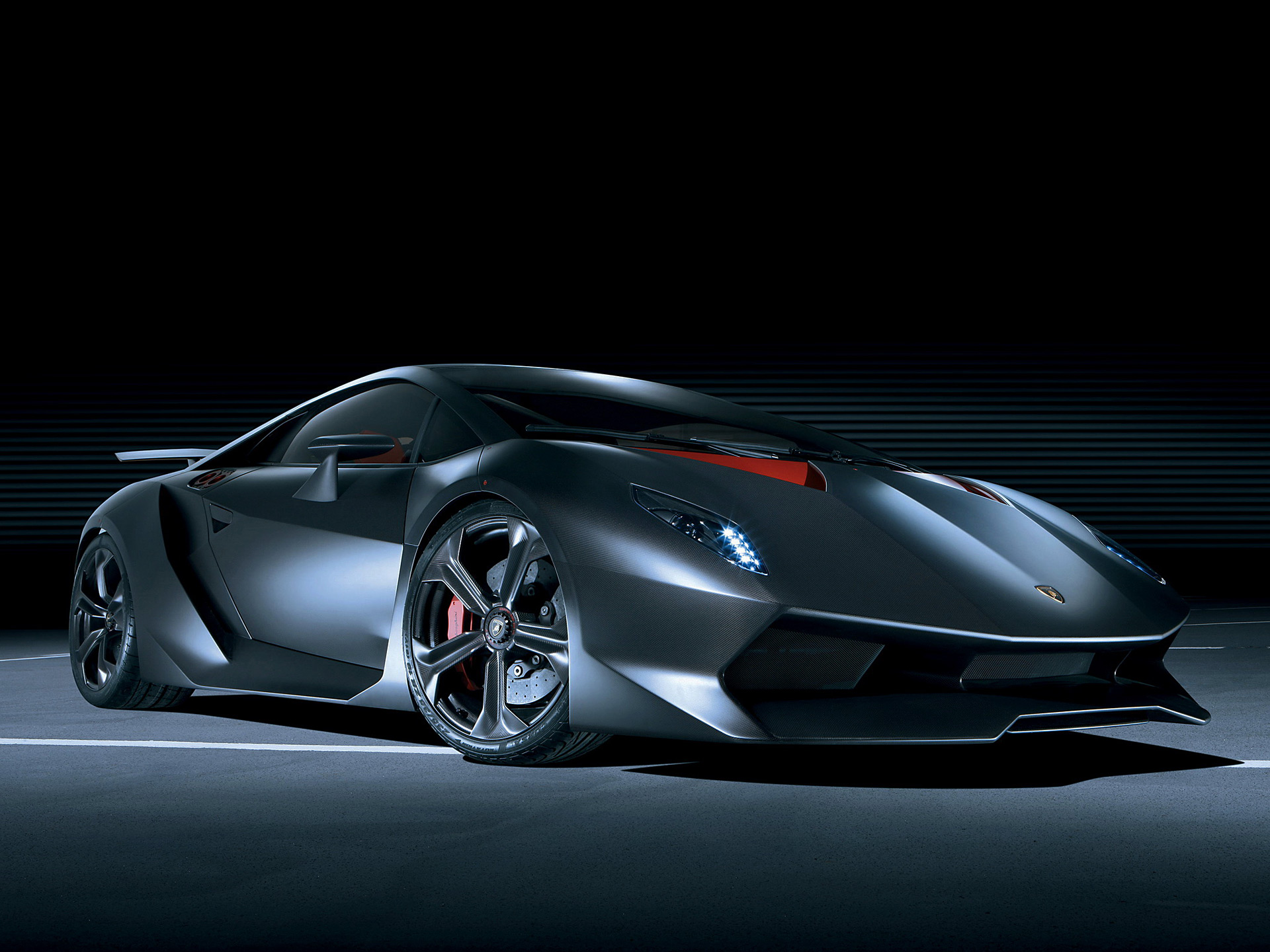
This ranking covers 30 customer cars, from the 350 GT of 1964 to models arriving from 2025. It includes the LM002 and Urus, along with the track-only Sesto Elemento, the one exception to the road-car scope. The measure is what each car achieved, how it drives, how it looks and what it changed for Lamborghini. Rarity, price and top speed alone don’t decide the order.
30 to 21: New ideas and early experiments
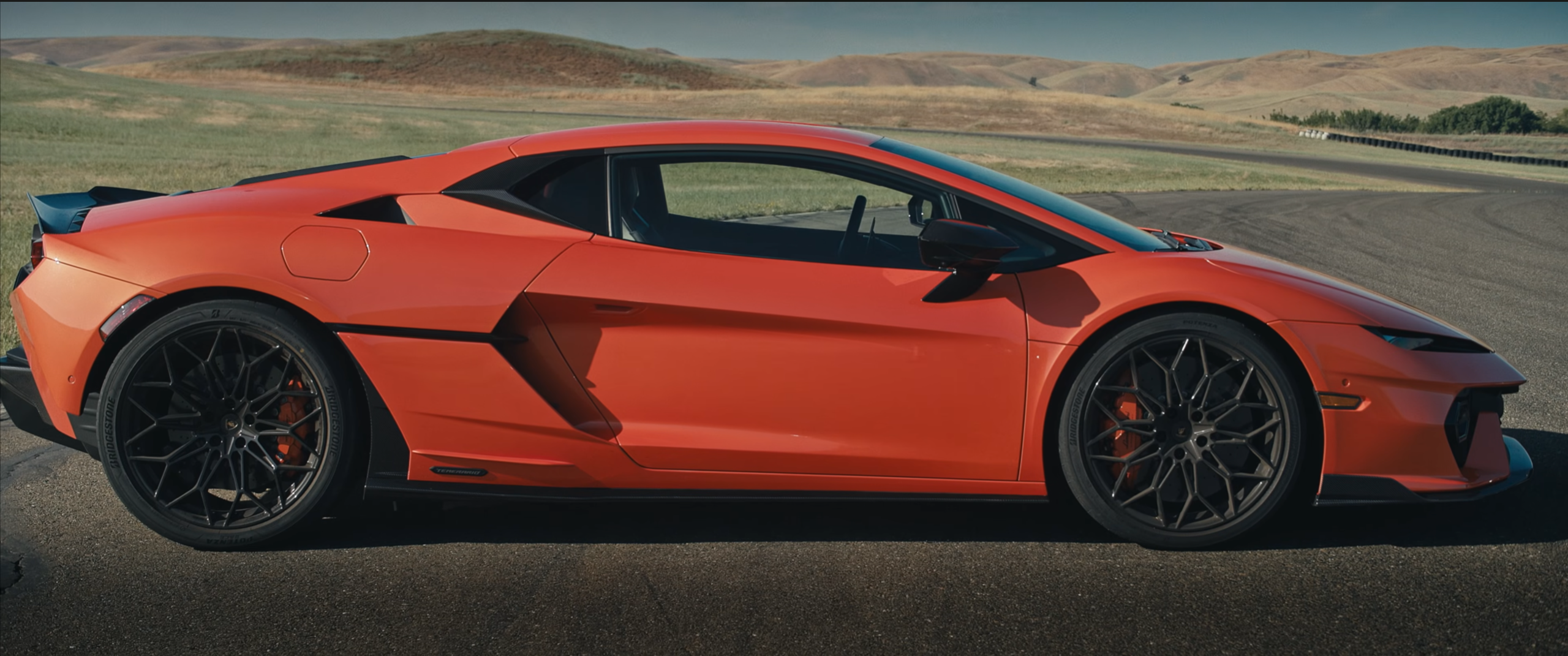
30. Lamborghini Temerario — from 2025
4.0-litre twin-turbo V8 hybrid · 907 hp
The newest car here starts at the bottom because its story is only beginning. The Temerario replaces the Huracán’s V10 with a 4.0-litre twin-turbocharged V8 and three electric motors. Combined output is 907 hp, and the engine revs to 10,000 rpm. It’s Lamborghini’s first turbocharged sports car. Whether it climbs this ranking will depend on what it’s like to live with and drive; for now, that high-revving V8 is the headline.
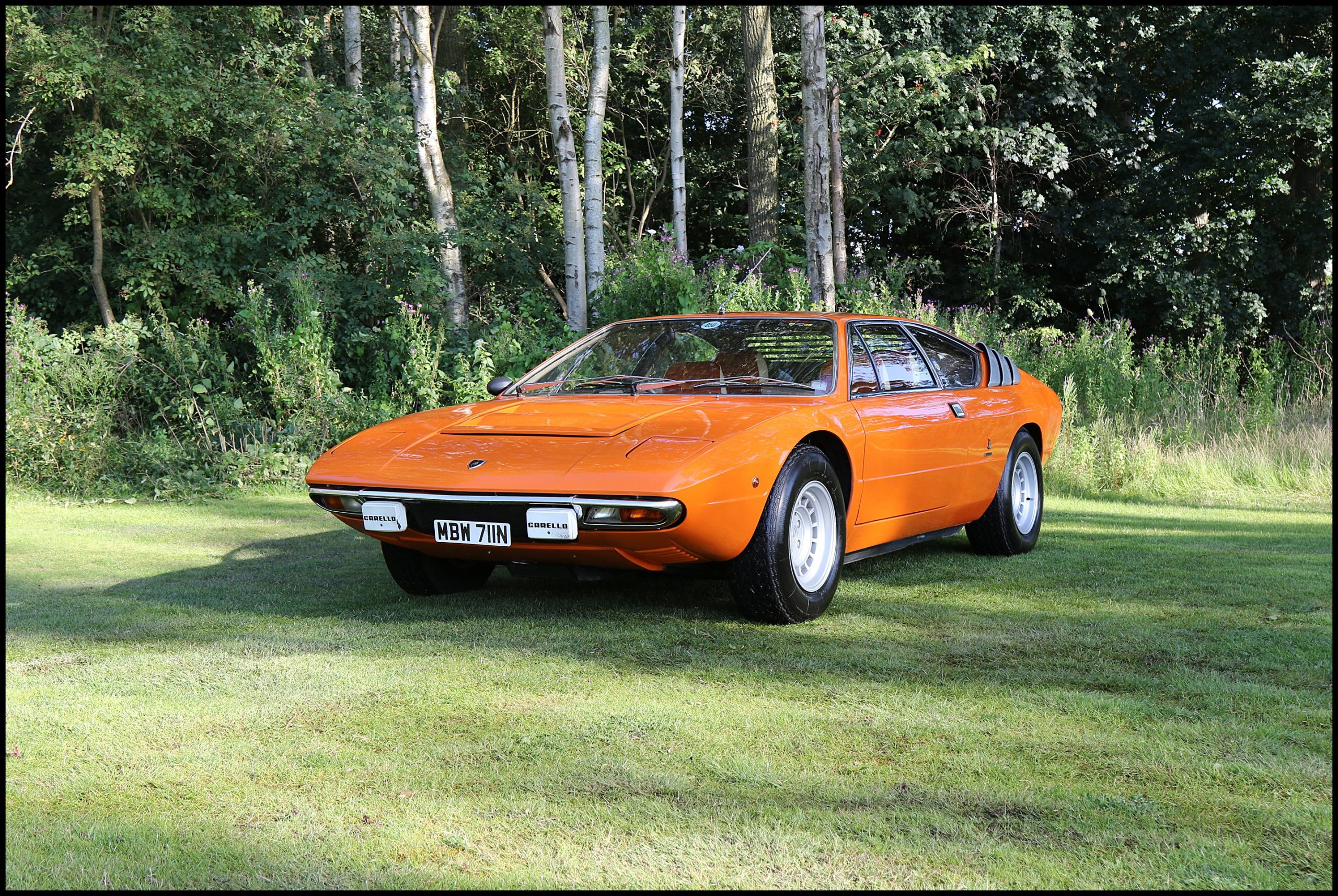
29. Lamborghini Urraco — 1972–79
2.0- to 3.0-litre V8 · 182–250 hp · about 790 built
Ferruccio Lamborghini wanted a smaller car to challenge the Porsche 911 and Ferrari Dino. The Urraco arrived in 1972 with a new V8 mounted behind the cabin and two small rear seats. It was late, unfinished and slow to sell, yet its compact formula mattered: the Jalpa and Gallardo trace their ancestry to it. The Urraco’s case rests as much on that lineage as on its clever, attractive design.
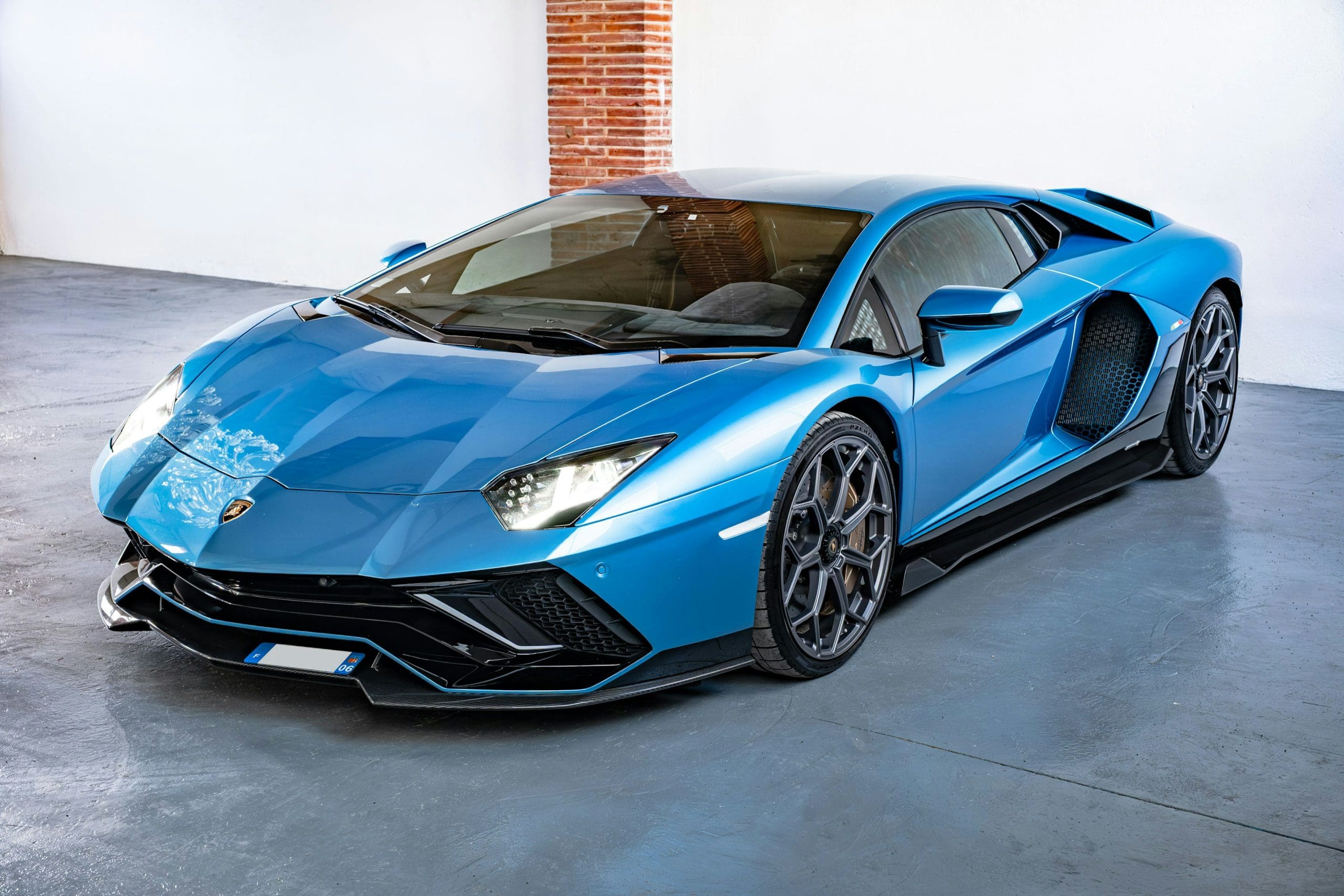
28. Lamborghini Aventador LP780-4 Ultimae — 2021–22
6.5-litre V12 · 769 hp · 600 built
The Ultimae closed the Aventador line by pairing the SVJ’s 769 hp engine with the less aggressive body of the S. Lamborghini built 350 coupés and 250 roadsters. It was the final V12 Lamborghini without turbocharging or electric assistance, a direct endpoint to the naturally aspirated lineage that began in 1963. As a send-off, its significance is clear: a familiar formula pushed to its last unassisted iteration.
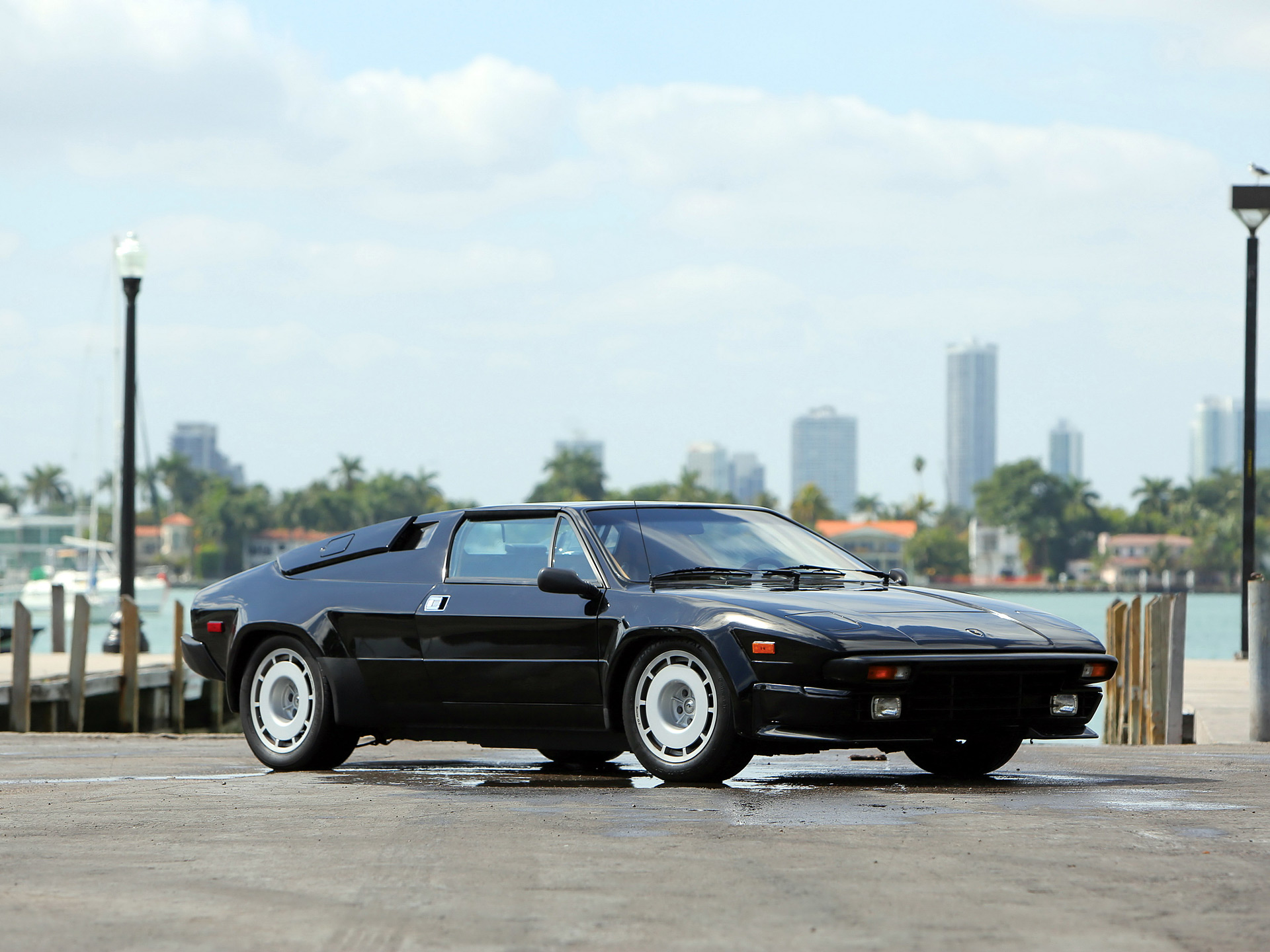
27. Lamborghini Jalpa — 1981–88
3.5-litre V8 · 255 hp · about 410 built
The Jalpa offered a more approachable way into Lamborghini ownership during the 1980s. Its 3.5-litre V8 sat transversely, its roof panel lifted out, and Bertone shaped the body. Compared with a Countach, it was lighter to drive and offered better outward visibility. Around 410 were made before production ended in 1988. Those qualities make it a useful reminder that a Lamborghini’s appeal needn’t depend on maximum intimidation.
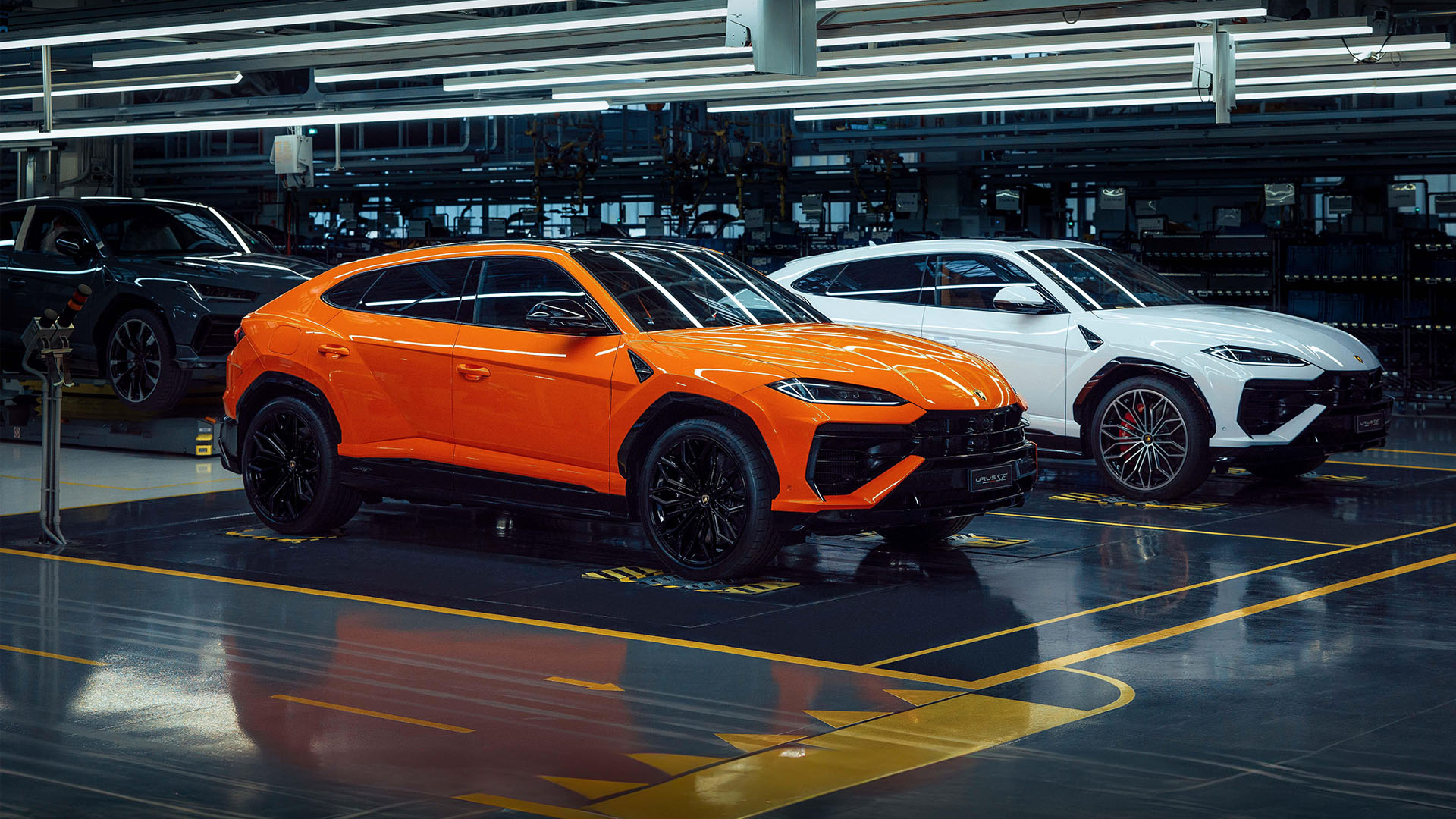
26. Lamborghini Urus — from 2018
4.0-litre twin-turbo V8 · 641 hp at launch
Lamborghini’s second off-roader arrived in 2018 with five seats and a 641 hp twin-turbo V8. For a vehicle of its size, it’s exceptionally quick and handles with surprising composure. Within two years, it had doubled the company’s sales. That commercial success helps sustain the marque’s more specialized cars, while the Urus itself makes the Lamborghini experience available in a format suited to carrying people and luggage.
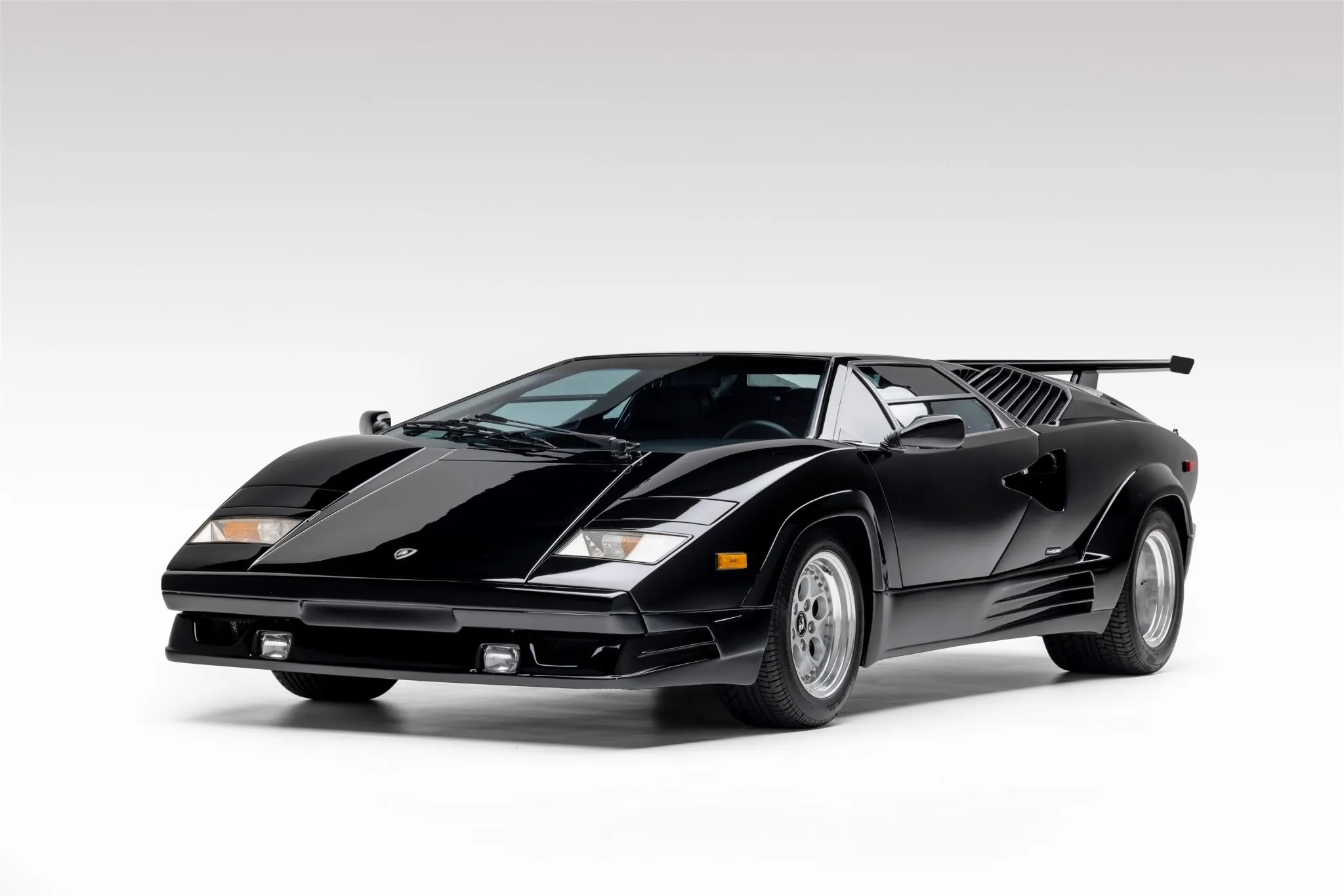
25. Lamborghini Countach 25th Anniversary — 1988–90
5.2-litre V12 · 455 hp · 667 built
For its 25th anniversary, Lamborghini reworked the Countach’s body with new intakes, sills and bumpers. A young Horacio Pagani worked on the changes, while the cabin gained electric seats and windows. Purists may prefer the earlier car’s cleaner lines, but the Anniversary was the quickest Countach, easier to live with and the most numerous, with 667 built. It closed a long-running model with more comfort and a busier appearance.
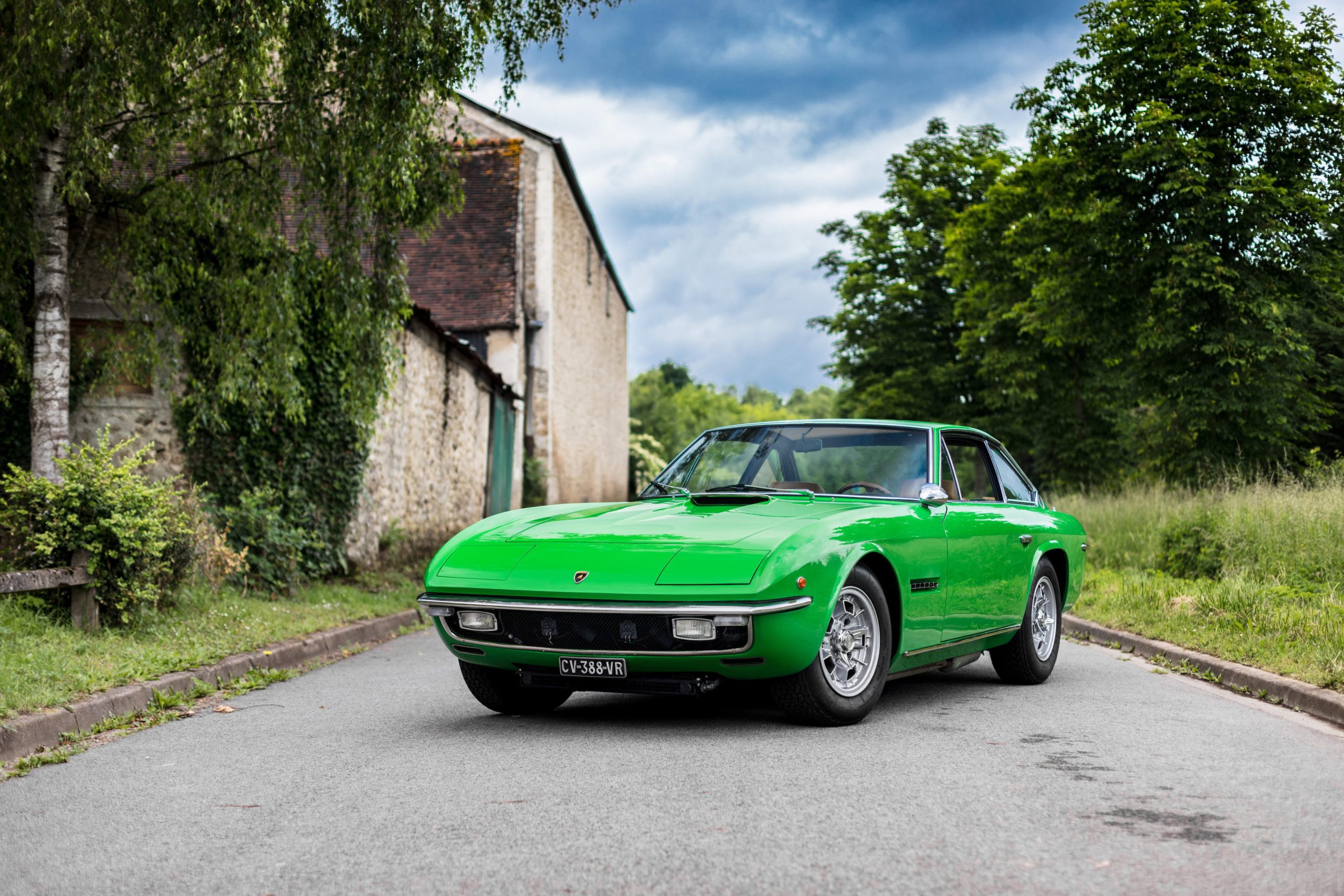
24. Lamborghini Islero — 1968–69
4.0-litre V12 · 320–350 hp · 225 built
The Islero was a quieter alternative to the Miura and Espada. Its 1968 body was plainer and squarer than that of the 400 GT, with pop-up headlamps and the same 4.0-litre V12. Ferruccio Lamborghini drove one himself. Just 225 were built, and the car was soon overshadowed by its more dramatic stablemates. The Islero’s restrained shape suits an owner who wants an early V12 grand tourer without making every arrival an event.
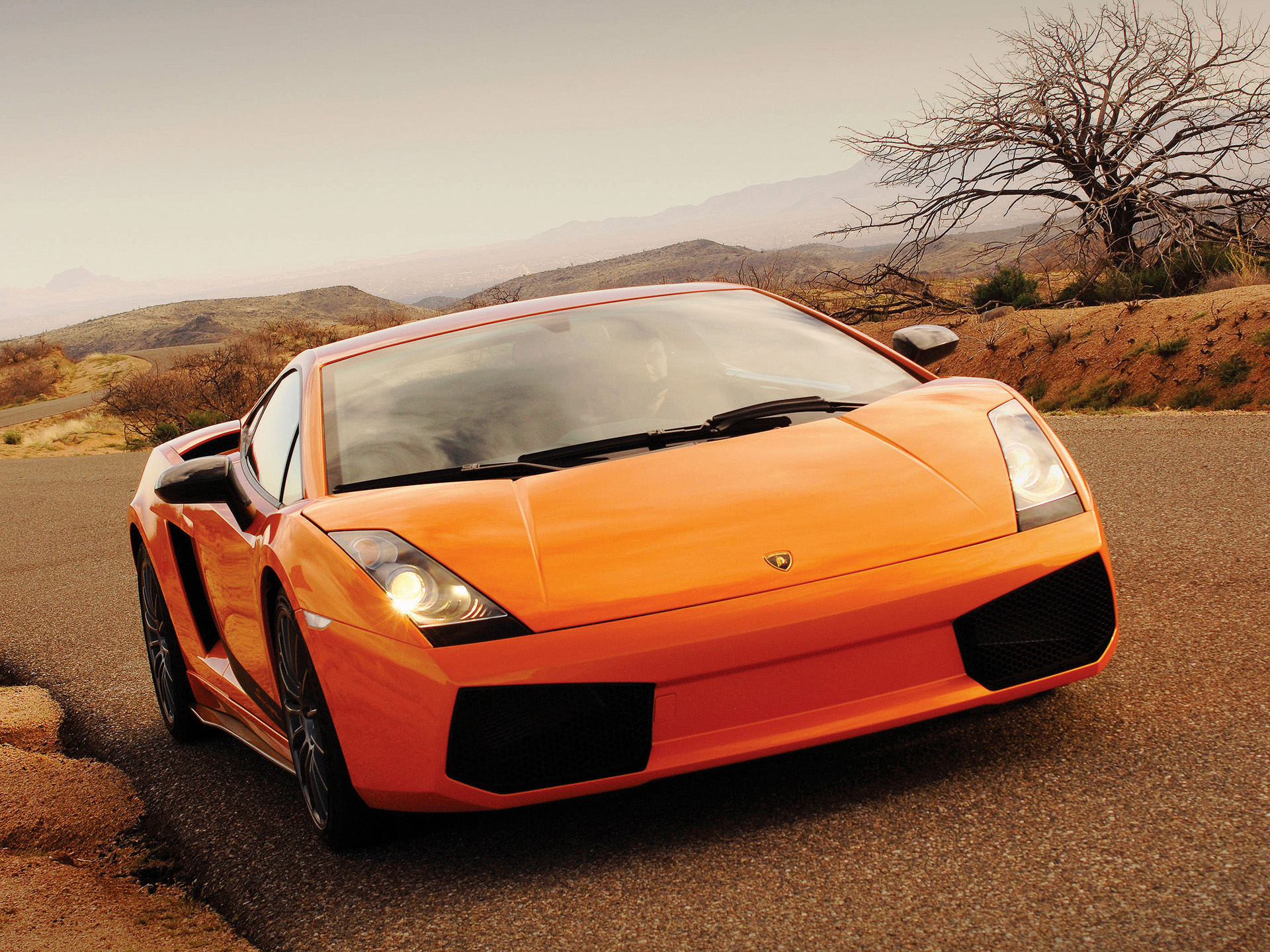
23. Lamborghini Gallardo Superleggera — 2007–08
5.0-litre V10 · 523 hp
For the Superleggera, Lamborghini removed 100 kg from the Gallardo using carbon-fibre panels, plastic rear windows and thinner sports seats, then added 10 hp. The result was the first in a line of lighter V10 models. More than a weight-saving exercise, it showed that the Gallardo chassis could deliver a sharper drive than its reputation suggested. The Performante and STO carried that lightweight, focused approach further.
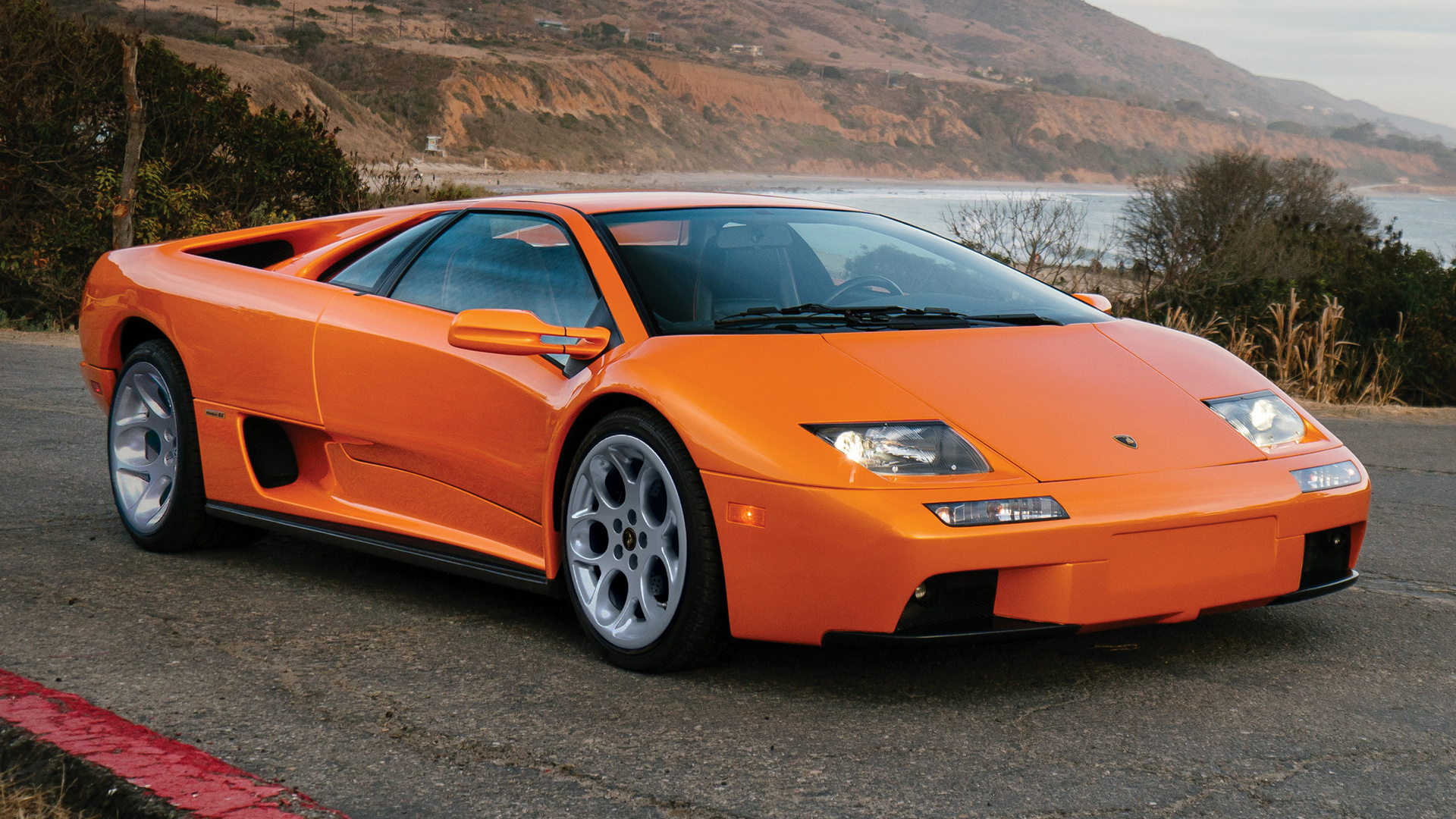
22. Lamborghini Diablo VT 6.0 — 2000–01
6.0-litre V12 · about 540 hp
The final Diablo benefited from Audi-era development. Luc Donckerwolke smoothed the exterior, the V12 grew to 6.0 litres, and the cabin was rebuilt with carbon fibre and leather. The finished interior fitted together and stayed in place, a practical step forward for a car that had long traded refinement for drama. It’s the most usable and best-made Diablo, though the GT and SV make a stronger case for excitement.
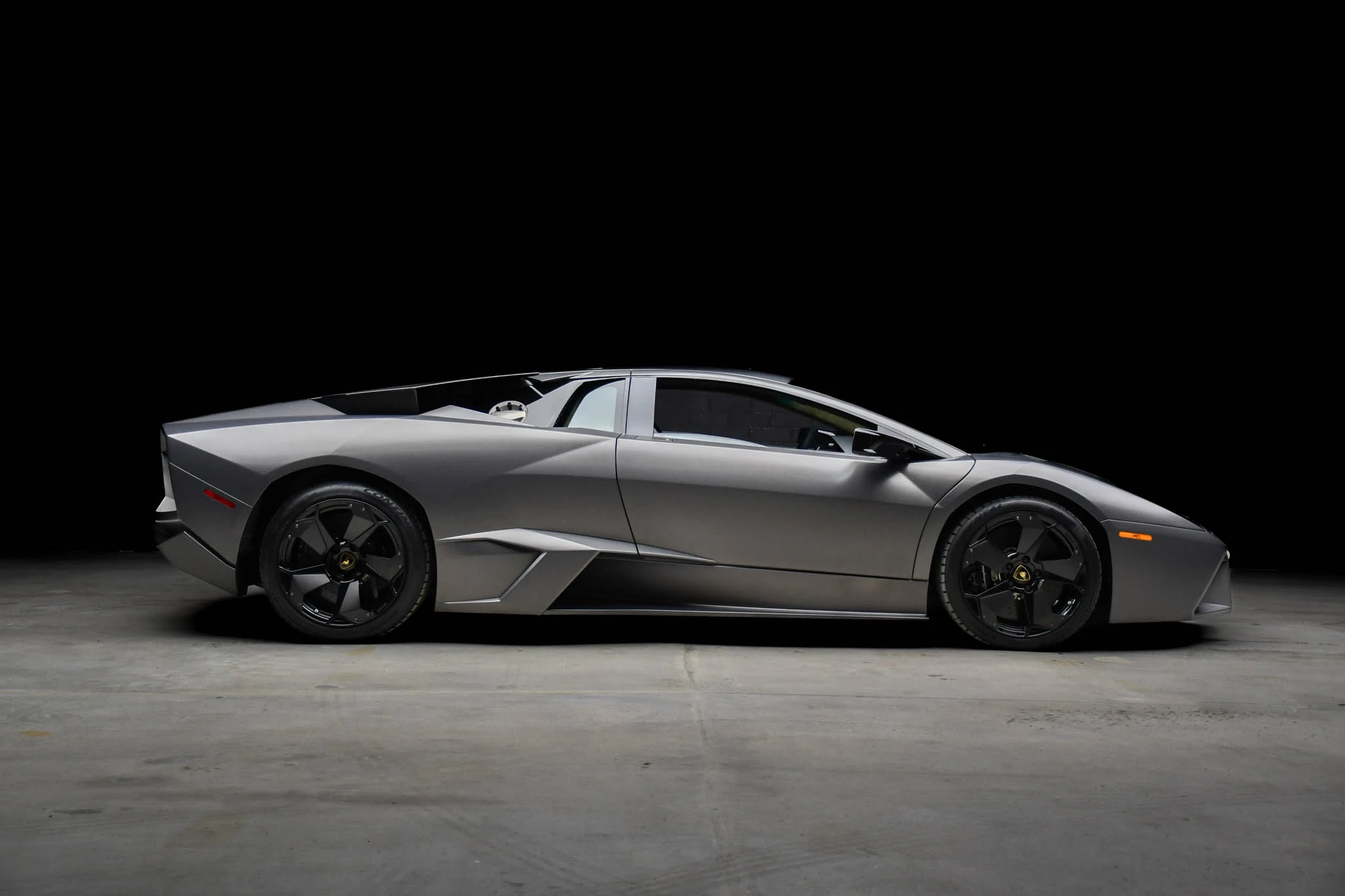
21. Lamborghini Reventón — 2007–08
6.5-litre V12 · 650 hp · 20 built
Lamborghini based the Reventón on the Murciélago LP640, then gave it a carbon-fibre body inspired by aircraft and finished it in matt grey. Twenty were offered at one million euros apiece, and all had buyers before the car was shown. Its importance lies in the template it established: later low-volume specials such as the Veneno and Sián followed the Reventón’s mix of existing mechanicals and dramatic new bodywork.
20 to 11: The modern shape takes form
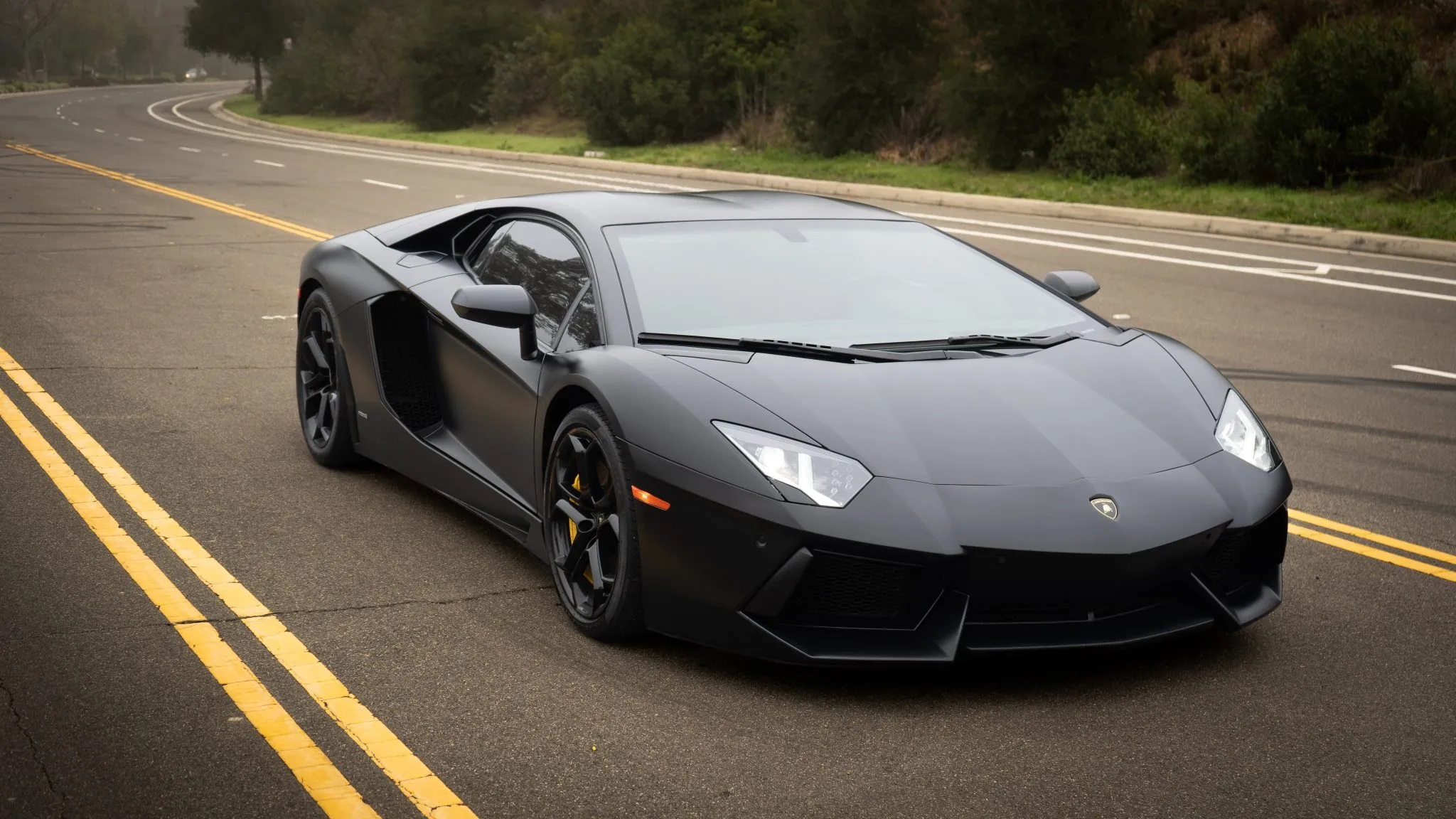
20. Lamborghini Aventador LP700-4 — 2011–16
6.5-litre V12 · 691 hp
The Aventador shared little with the Murciélago. Its carbon-fibre tub and pushrod suspension brought race-car engineering into the flagship, alongside Lamborghini’s first all-new V12 since 1963: a 6.5-litre unit producing 691 hp. The single-clutch gearbox shifted in 50 milliseconds, with an impact you could feel. The car rode hard and felt wide and awkward in town, but more than 11,000 were built across eleven years. The SVJ improved the package; the original Aventador gave it a clean-sheet foundation.
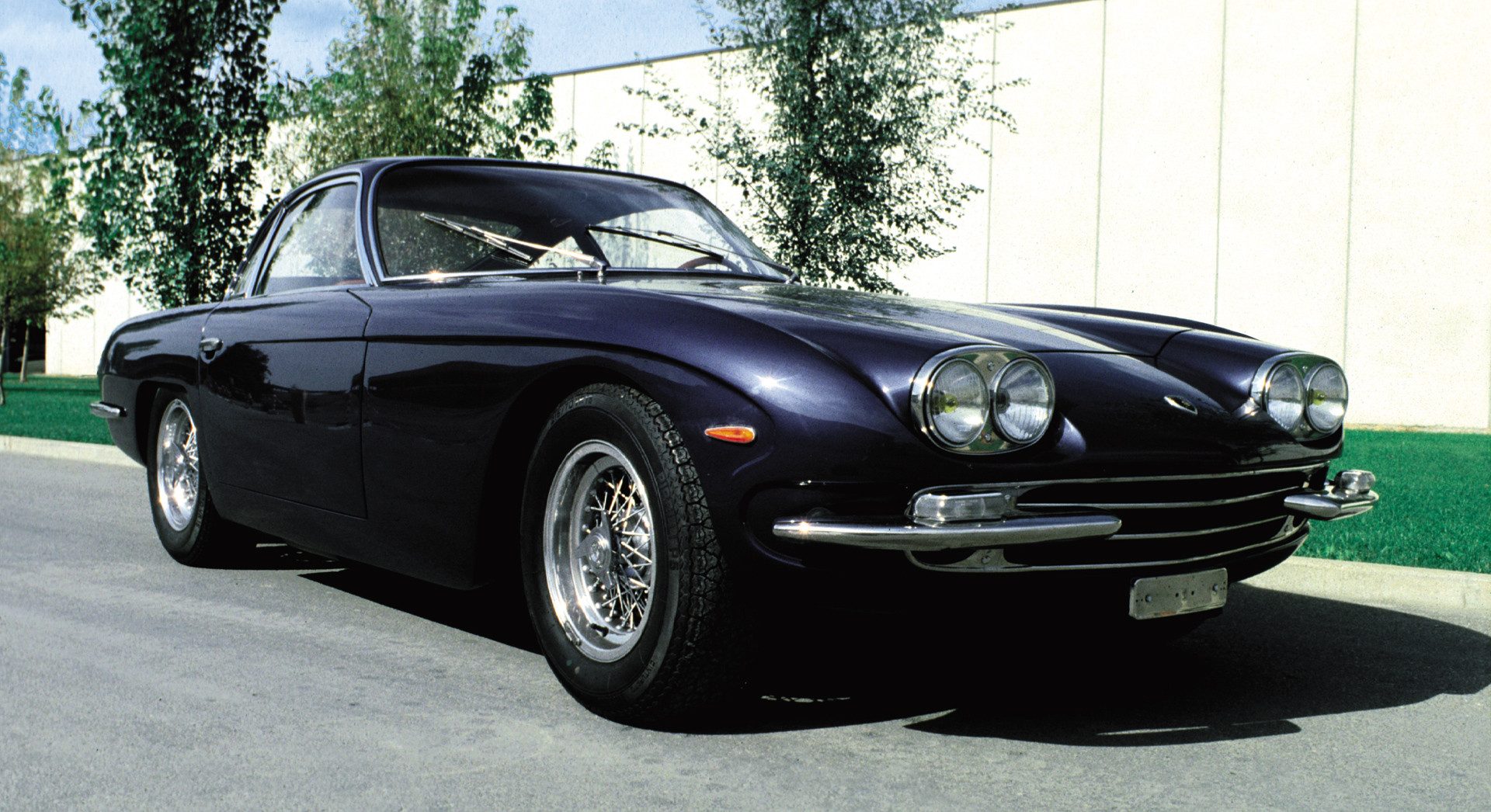
19. Lamborghini 400 GT 2+2 — 1966–68
4.0-litre V12 · 320 hp · about 225 built
Two years after the 350 GT, Lamborghini enlarged the V12 to 4.0 litres and 320 hp, revised the roof to accommodate two small rear seats, and fitted a gearbox of its own design. The 400 GT 2+2 was quieter, roomier and easier to drive than its predecessor. About 225 were sold, roughly twice the number of 350 GTs. It showed that the first car had established a viable grand-touring range, not just a promising start.
18. Lamborghini Huracán Sterrato — 2023–24
5.2-litre V10 · 602 hp · 1,499 built
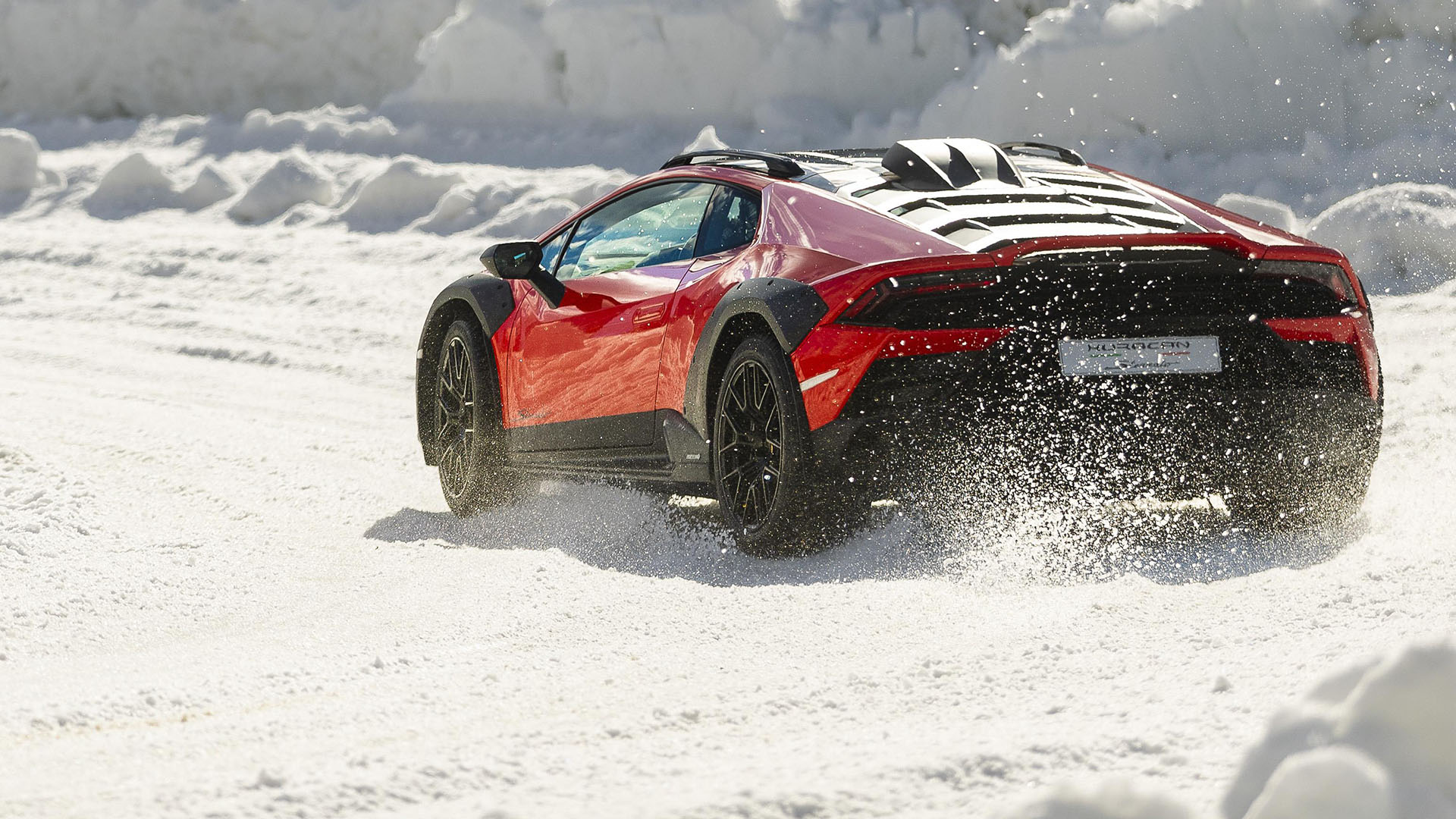
The Sterrato took the Huracán onto loose surfaces. Lamborghini raised it by 44 mm, fitted all-terrain tyres, roof rails, extra front lamps and bolt-on plastic arch extensions, then tuned its stability systems for gravel. The 602 hp V10 drew air through a roof scoop, set above the dust. It sounds like an unlikely recipe, but the result is the most entertaining Huracán on a loose surface and the most comfortable over broken roads. The name means “dirt road” in Italian.
17. Lamborghini Murciélago — 2001–06
6.2-litre V12 · 572 hp
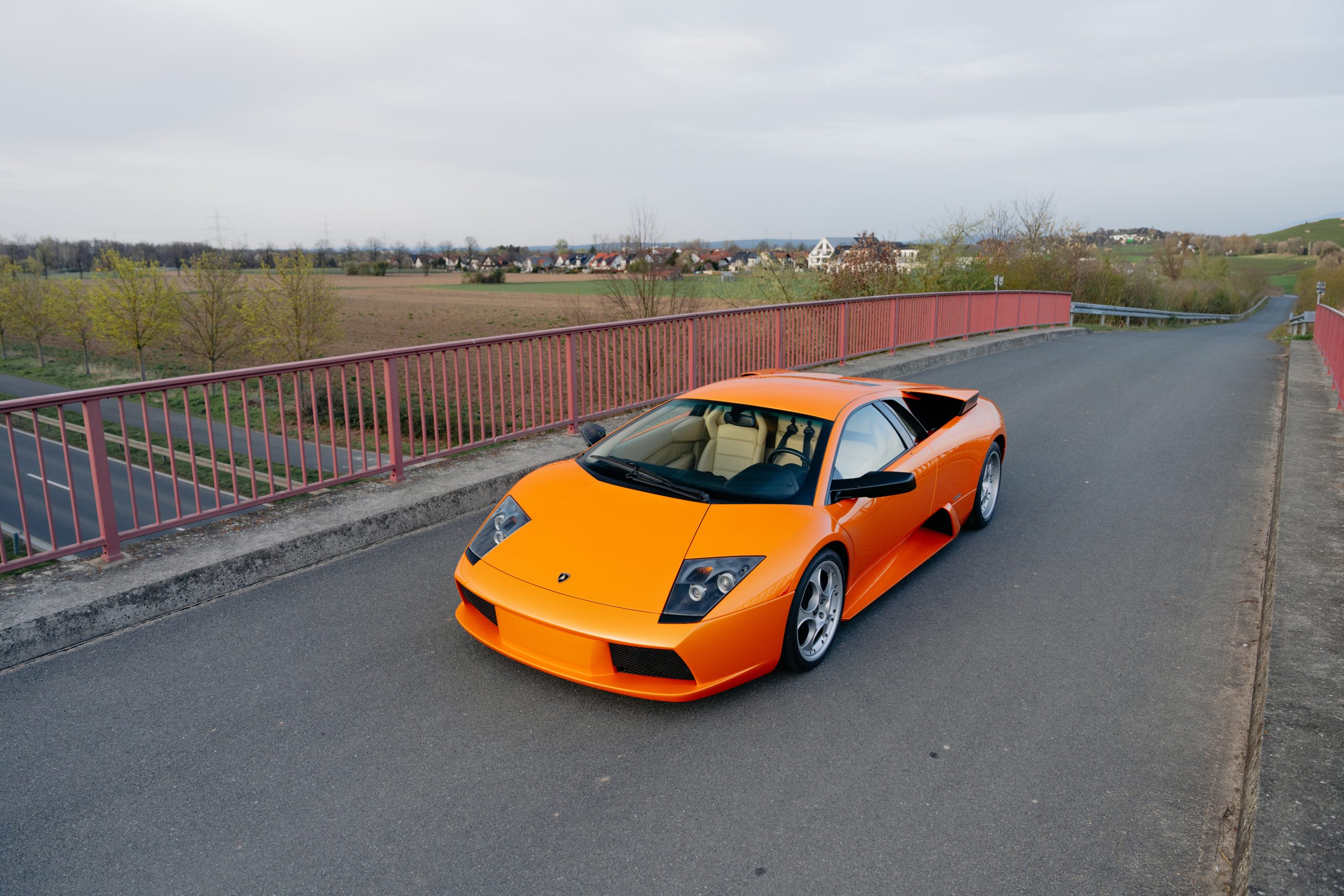
The Murciélago was the first new Lamborghini of the Audi years, but kept the basic flagship layout established by the Countach and Diablo: a longitudinal V12 behind the cabin, a gearbox ahead of it and scissor doors. Its 6.2-litre engine made 572 hp and drove all four wheels. Rear intakes rose from the shoulders when extra cooling was needed. Early examples could be ordered with a six-speed manual and exposed metal gate. The model was faster, stiffer and far better finished than the Diablo, without losing its edge.
16. Lamborghini Revuelto — from 2023
6.5-litre V12 hybrid · 1,001 hp
The Revuelto keeps a V12 at the heart of Lamborghini’s flagship while adding three electric motors. The new 6.5-litre engine revs to 9,500 rpm; two motors sit at the front and a third at the gearbox, for a combined 1,001 hp. It can be plugged in and has no reverse gear: the front motors move the car backwards. A smooth dual-clutch transmission and room for two tall occupants also mark a change in everyday usability. Its place here is provisional; there’s plenty of time for the car to build its reputation.
15. Lamborghini Gallardo — 2003–13
5.0-litre V10 · 493 hp · 14,022 of all versions
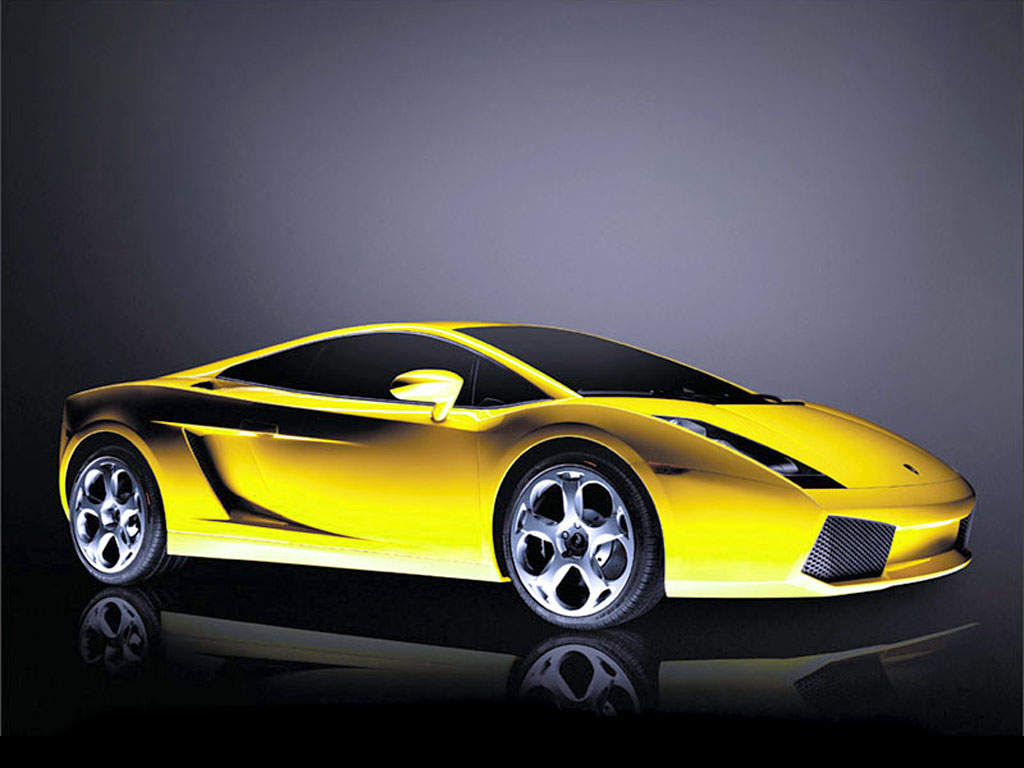
The Gallardo changed Lamborghini’s scale. After Audi bought the company in 1998, the marque had the resources to build a smaller model with an aluminium frame, a new 5.0-litre V10 producing 493 hp, four-wheel drive and consistent assembly quality. It also worked as a car you could use regularly. Lamborghini built 14,022 across ten years, nearly half of all the cars it had made by then. Its importance is as much industrial as mechanical: the Gallardo helped give the company a secure footing.
14. Lamborghini Diablo SV — 1995–99
5.7-litre V12 · 510 hp

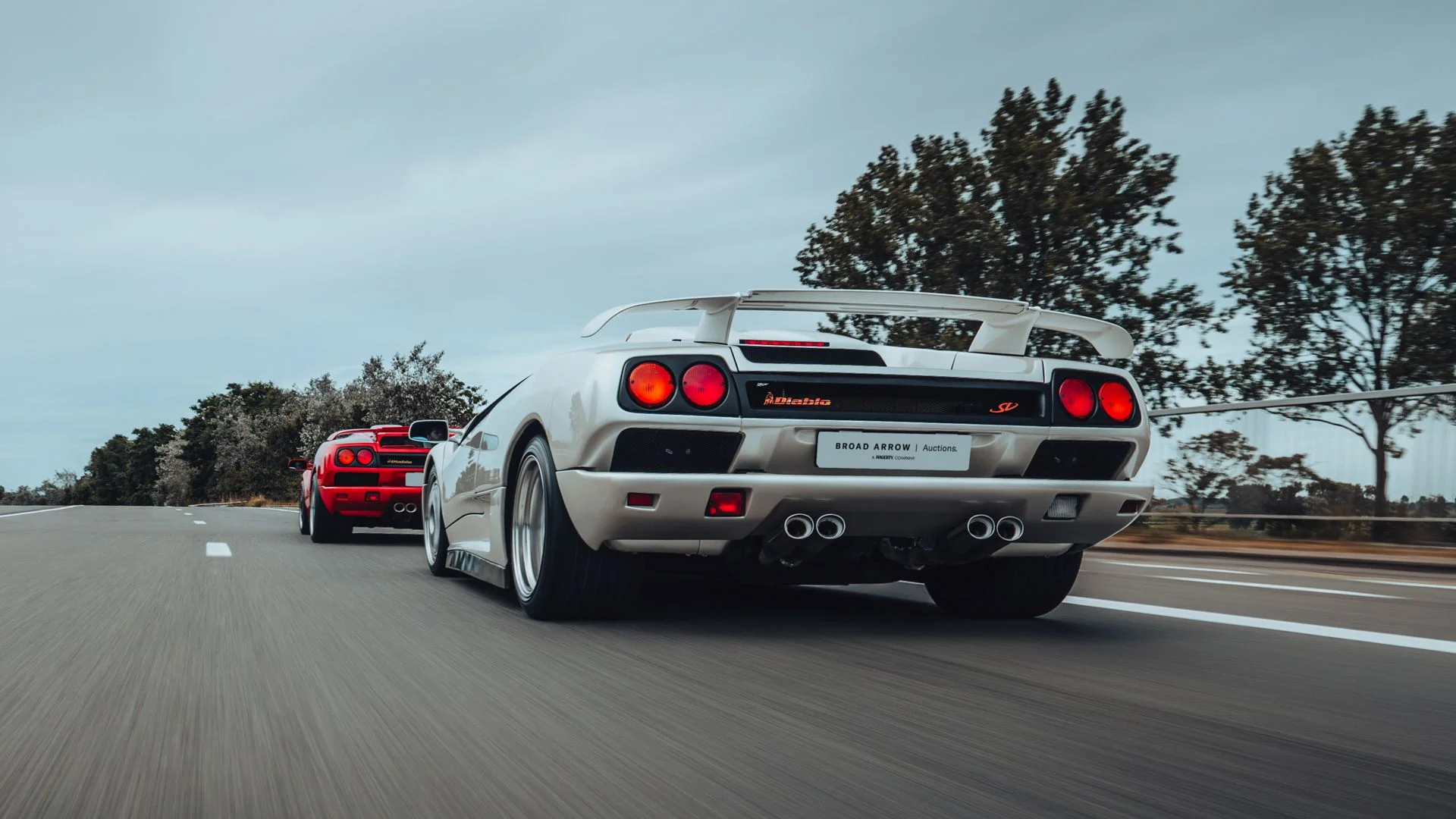
The 1995 Diablo SV made a compelling argument for simplicity. It dropped the VT’s four-wheel drive to save weight, raised output to 510 hp and added larger brakes and an adjustable rear wing. Buyers could also choose oversized SV lettering down the sides. With power going to the rear wheels, it demanded attention at the limit, but rewarded a committed driver. “SV” stands for SuperVeloce, a name carried over from the Miura, and this Diablo gave it fresh purpose.
13. Lamborghini Sesto Elemento — 2010–12
5.2-litre V10 · 562 hp · 999 kg · 20 built
The Sesto Elemento was sold for track use only, but its carbon-fibre engineering earns it a place here. Lamborghini used the material for the tub, body, suspension arms and wheels, including a pressed form developed for the car. At 999 kg, it paired a Gallardo’s 562 hp V10 with four-wheel drive and reached 60 mph in 2.5 seconds. Twenty were sold. Its name means “sixth element”: carbon is number six in the periodic table. More broadly, the car previewed a materials approach that shaped later Lamborghinis.
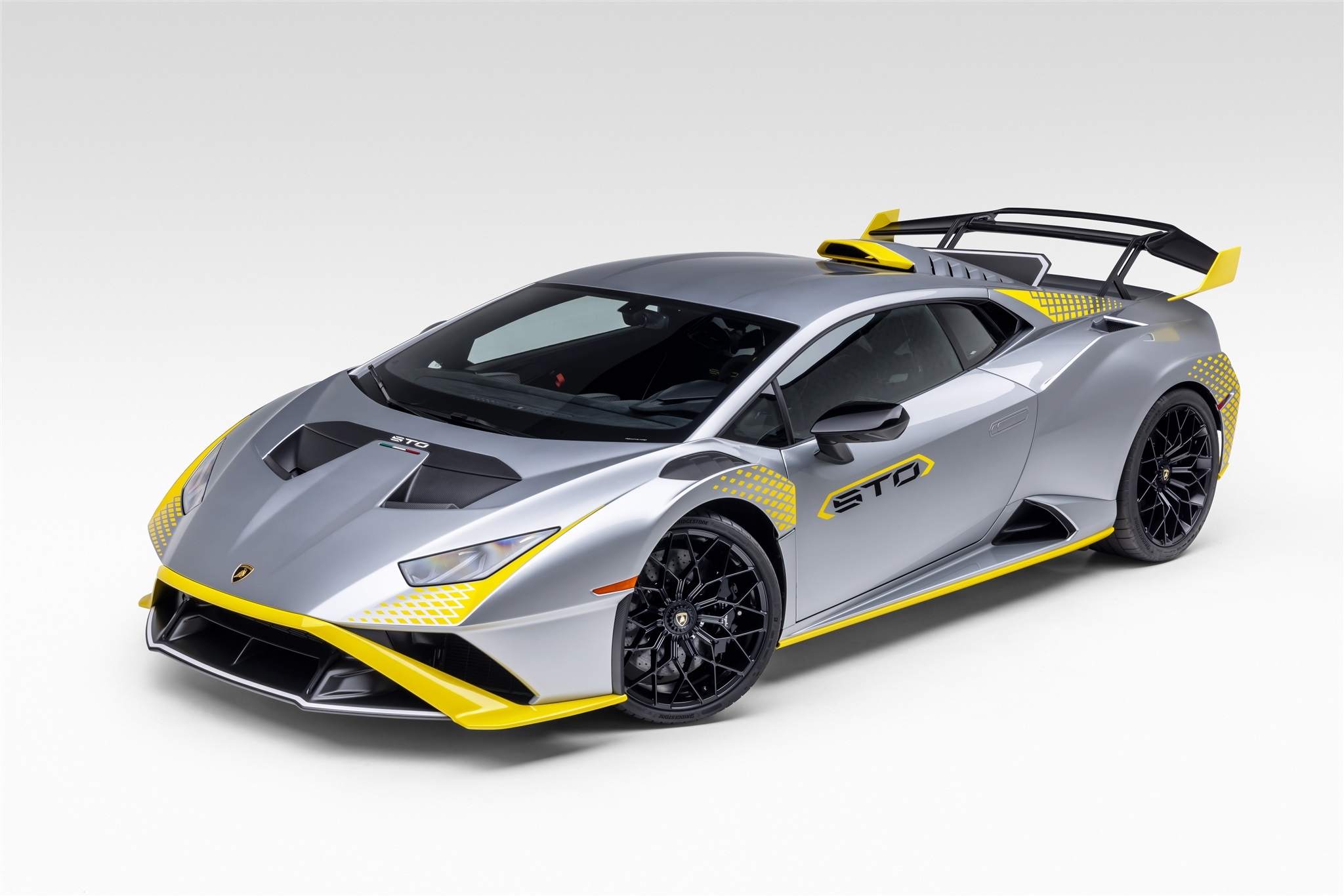
12. Lamborghini Huracán STO — 2021–24
5.2-litre V10 · 631 hp
The STO brought Lamborghini’s circuit experience to a road car. It sends 631 hp to the rear wheels and wears a fixed wing, roof scoop and fin along the engine cover. Three-quarters of its body panels are carbon fibre; the bonnet, front wings and bumper form one piece that lifts off like a racing-car nose. On the road it’s stiff and loud, while on circuit it’s quicker than the Performante and more serious in its focus. The Performante ranks higher because it first changed expectations of how a Lamborghini could handle.
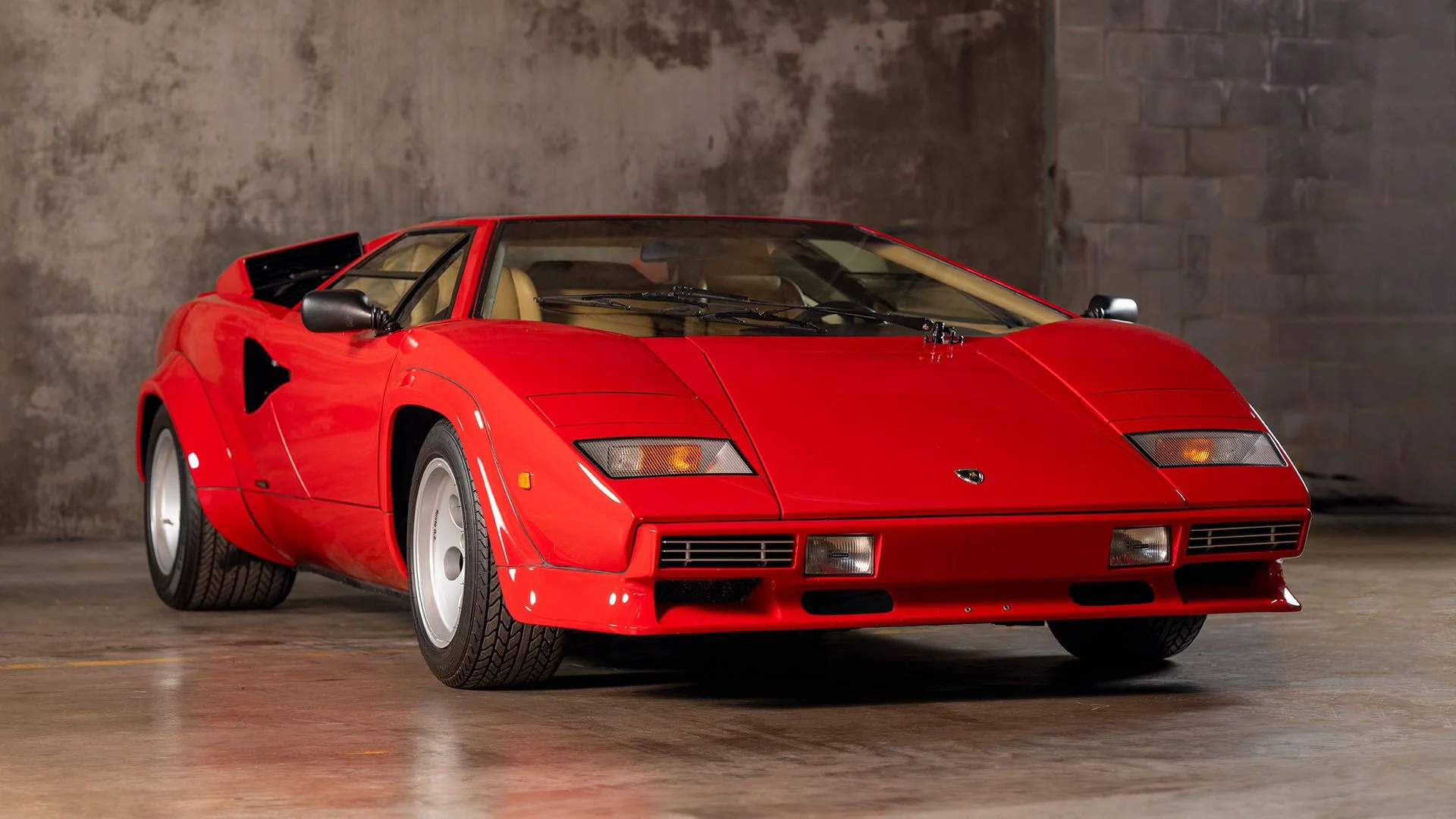
11. Lamborghini Countach 5000 QV — 1985–88
5.2-litre V12, four valves per cylinder · 455 hp · about 610 built
By 1985, the Countach had grown wide arches, broad tyres and, on most cars, a rear wing. Beneath the extra visual drama, the V12 had expanded to 5.2 litres and gained four valves per cylinder, for 455 hp. That exceeded the Ferrari Testarossa’s output. The carburettors moved on top of the engine, leaving the driver with even less rearward visibility. It’s the least pure Countach, but also the most powerful carburetted version and the one many people picture first.
The top 10: Cars that set Lamborghini’s direction
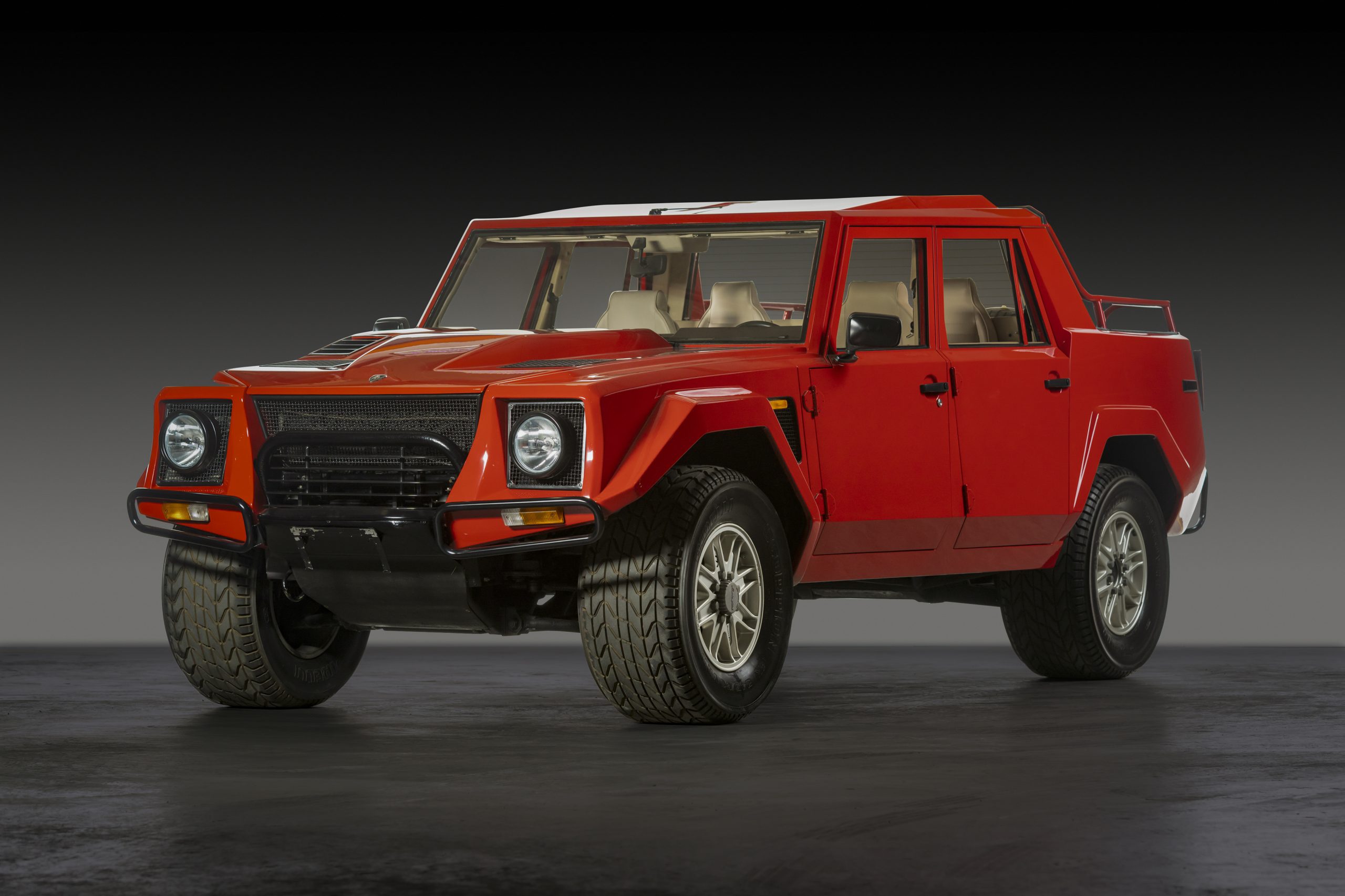
10. Lamborghini LM002 — 1986–93
5.2-litre V12 · about 444 hp · about 300 built
The LM002 turned the idea of a fast off-roader into a production Lamborghini. It used a steel frame, aluminium and fibreglass panels, four leather seats and a front-mounted 5.2-litre Countach V12. At about 2.7 tonnes, it could reach 125 mph on tarmac and cross a desert at a pace few vehicles could match. Pirelli developed special tyres for it, and its fuel tank held nearly 300 litres. Around 300 were built, many for buyers in the Gulf. The LM002 was an oddity in its own day; decades later, high-performance off-roaders are familiar territory.
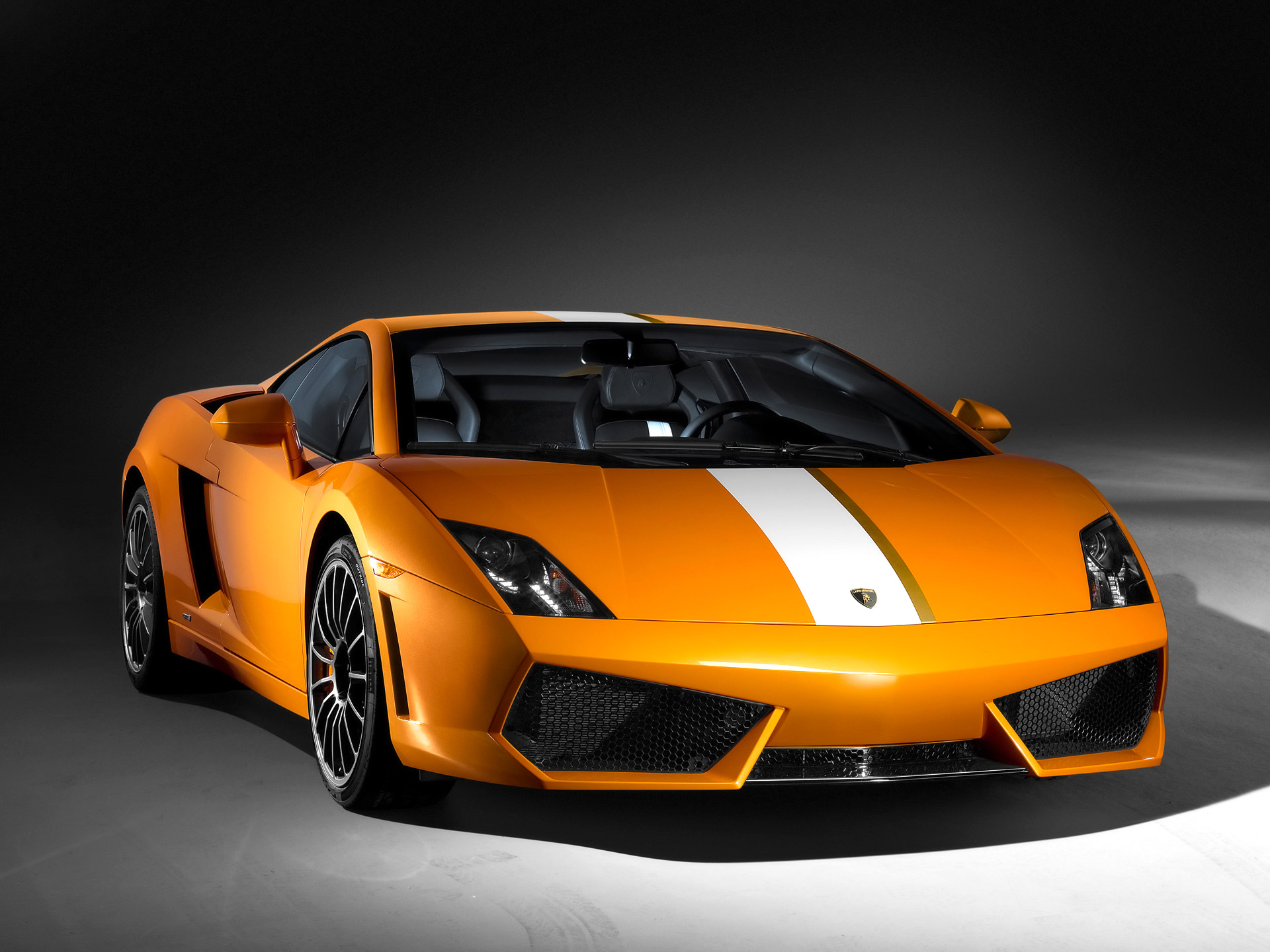
9. Lamborghini Gallardo LP550-2 Valentino Balboni — 2009
5.2-litre V10 · 542 hp · 250 built
Valentino Balboni joined Lamborghini as an apprentice mechanic in 1968 and became the company’s chief test driver. For four decades, he drove nearly every car to leave Sant’Agata. When Lamborghini asked what kind of Gallardo he wanted to carry his name, he chose rear-wheel drive.
Until then, every Gallardo had driven all four wheels. The LP550-2 sent its 542 hp to the rear, with revised springs and dampers and a recalibrated differential. A manual gearbox came as standard. The lighter, more playful character let the car slide, and the 250 examples wore a white and gold stripe. The specification proved popular enough that rear-wheel drive became a regular option on the Gallardo and later the Huracán.
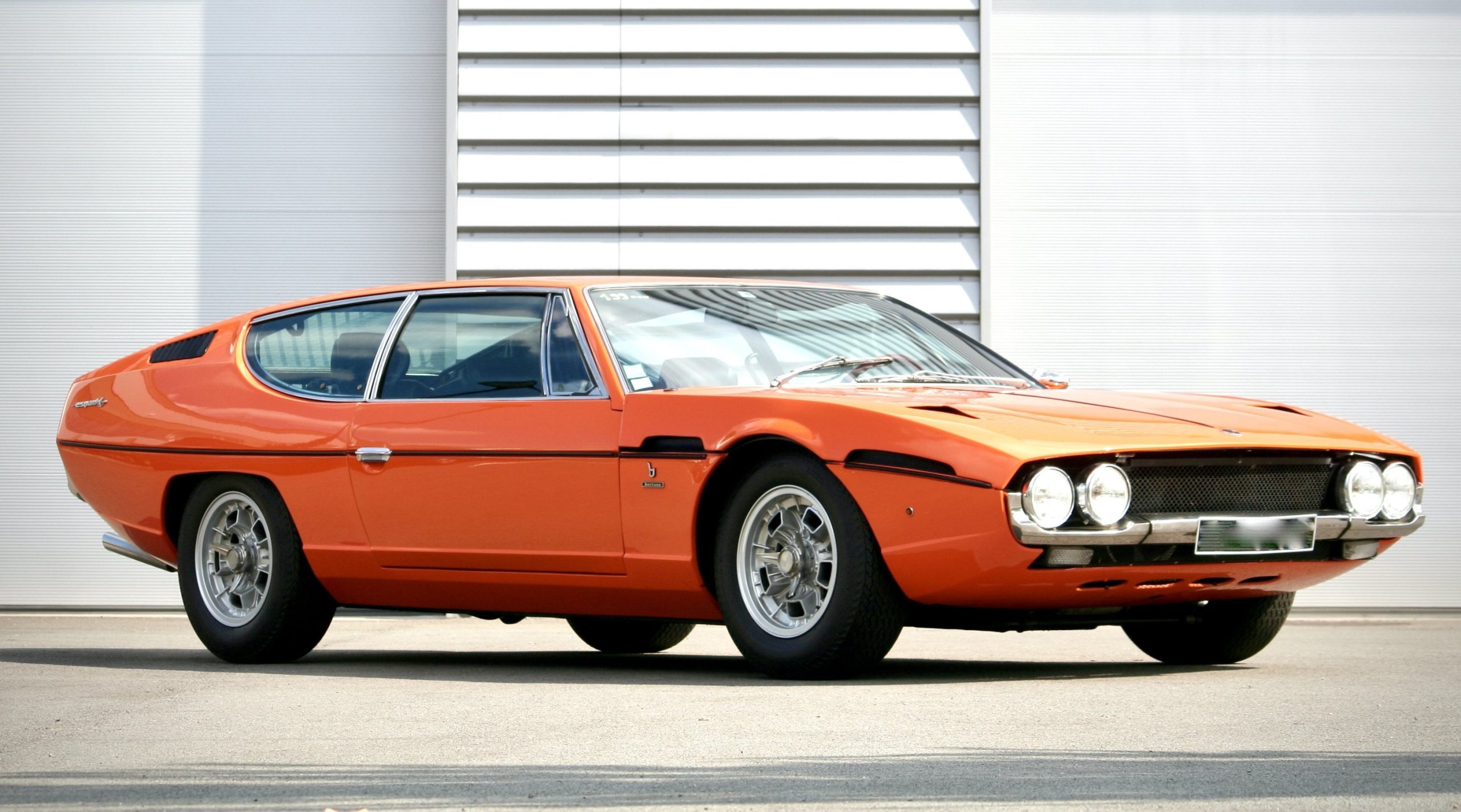
8. Lamborghini Espada — 1968–78
3.9-litre V12 · 325–350 hp · about 1,200 built
The Espada matched Ferruccio Lamborghini’s original grand-touring ambition: front-mounted V12, four proper seats, luggage space and a claimed 150 mph. Marcello Gandini drew its low, wide shape at Bertone, adapting ideas from the Marzal show car. A glass panel in the tail helped the driver see while reversing.
Sold from 1968 for a decade across three series, the Espada made 325 hp initially and later 350 hp. About 1,200 were built, making it Lamborghini’s best-seller until the Countach had spent ten years in production. It was unlike anything else on the road, and for a long stretch this four-seat GT was the model that helped keep the company going.
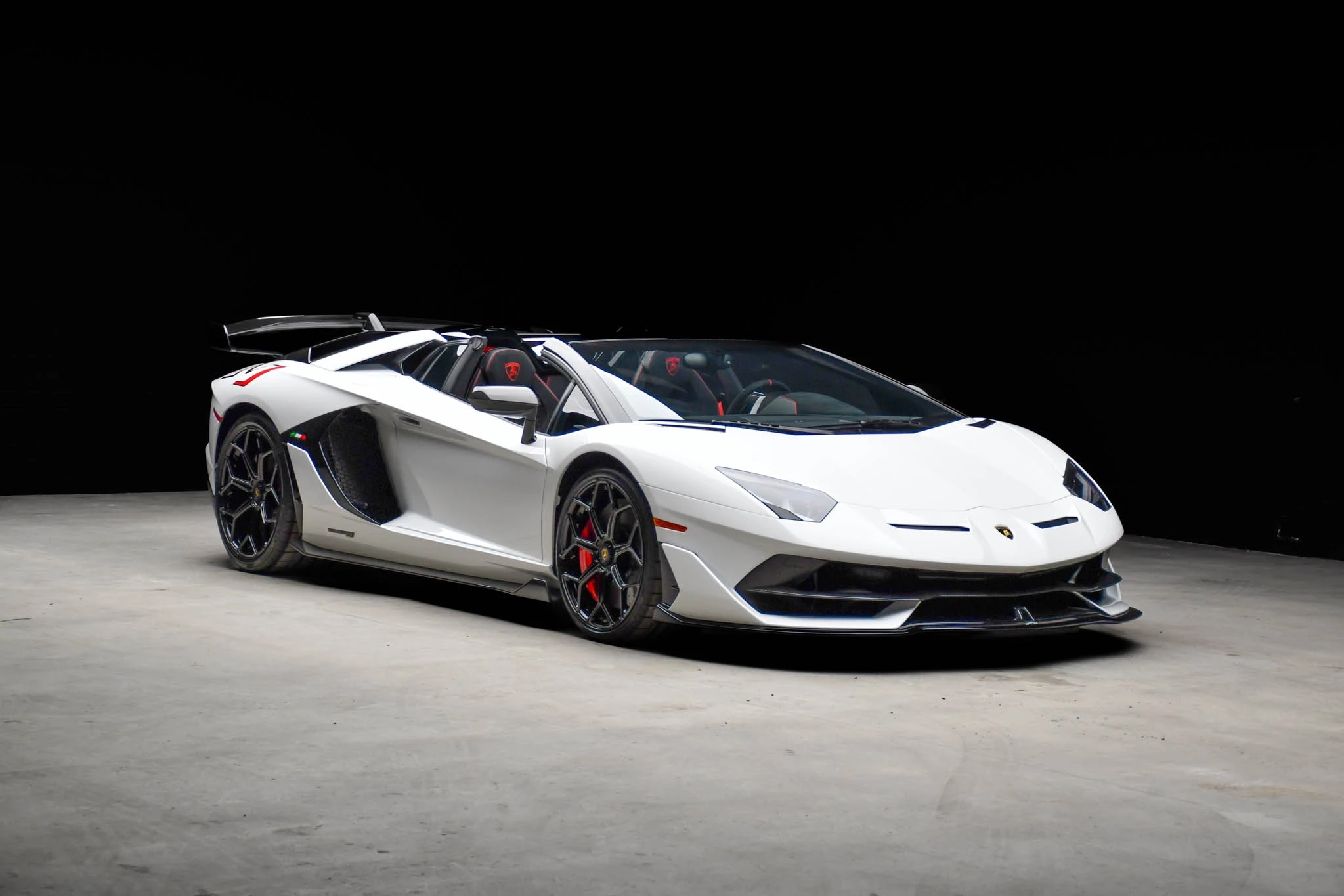
7. Lamborghini Aventador SVJ — 2018–21
6.5-litre V12 · 759 hp at 8,500 rpm · 900 built
The Aventador was heavy and stiff, with a gearbox that made each shift felt. The SVJ took those traits and added enough performance hardware to make the car’s case. Its naturally aspirated V12 produced 759 hp at 8,500 rpm, with no turbocharger or hybrid system. Active aerodynamics, first seen on the Huracán Performante, worked alongside rear-wheel steering.
In 2018 the SVJ lapped the Nürburgring in 6 minutes 44.97 seconds, then the fastest time by a production car. The J in its name refers to Jota, the 1970 racing Miura built by test driver Bob Wallace. Lamborghini made 900. It isn’t subtle or comfortable, but it represents the naturally aspirated V12 flagship at full volume.
6. Lamborghini Diablo GT — 1999–2000
6.0-litre V12 · 575 hp · 80 built
As the Diablo gained weight, four-wheel drive and power steering during the 1990s, the GT went in the opposite direction. Its 6.0-litre V12 made 575 hp, all sent to the rear wheels. Lamborghini widened the front track and used carbon fibre for nearly the whole body, including a prominent roof scoop and bonnet vent.
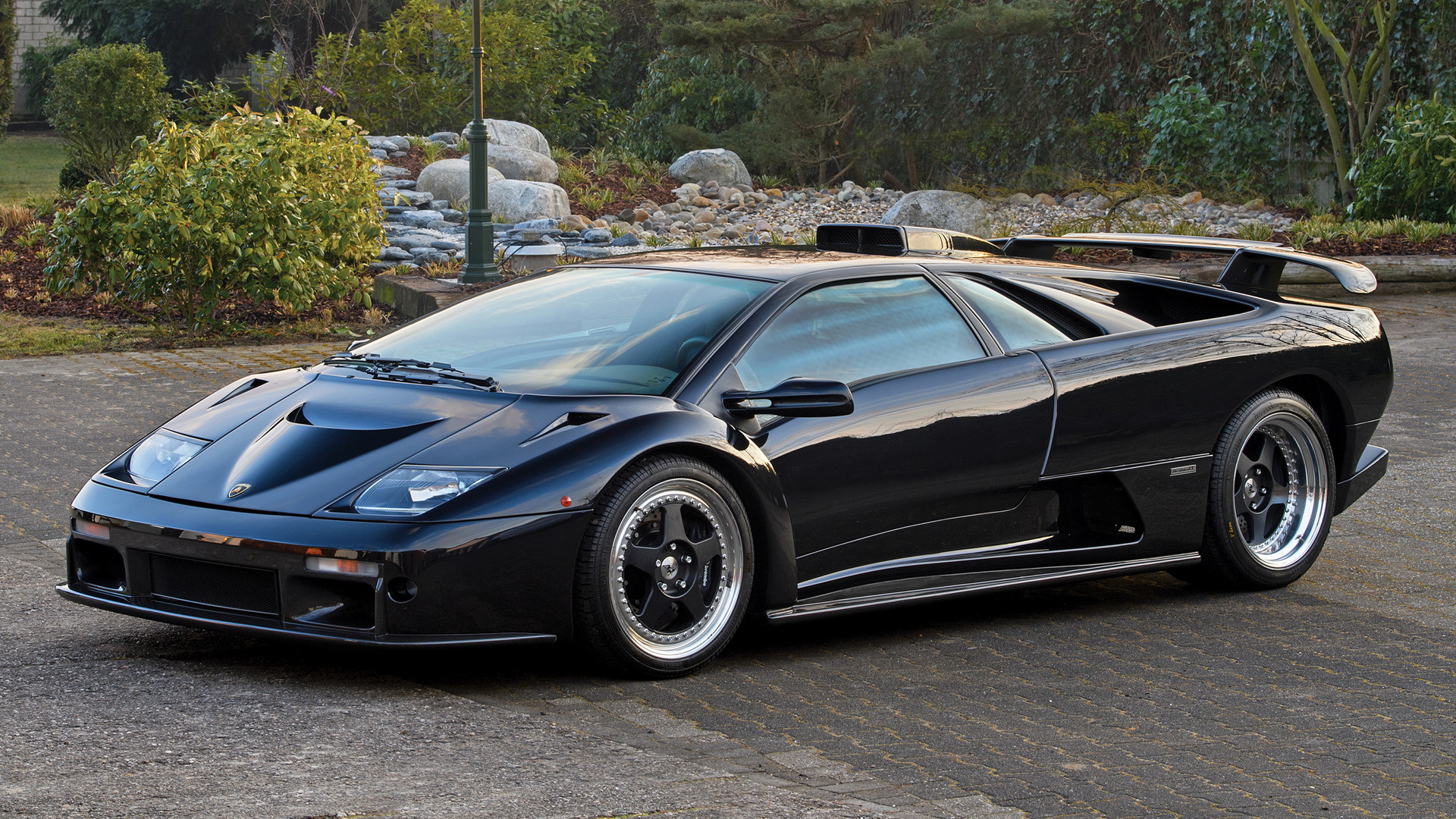
Fixed-back seats, harnesses and a stripped cabin reinforced its role as a road-going version of a racing car. Top speed was about 210 mph. Only 80 were built, all for Europe. This was the last Lamborghini developed before Audi’s engineers arrived: the cars became better finished afterward, but rarely this unruly.
5. Lamborghini Huracán Performante — 2017–19
5.2-litre V10 · 631 hp
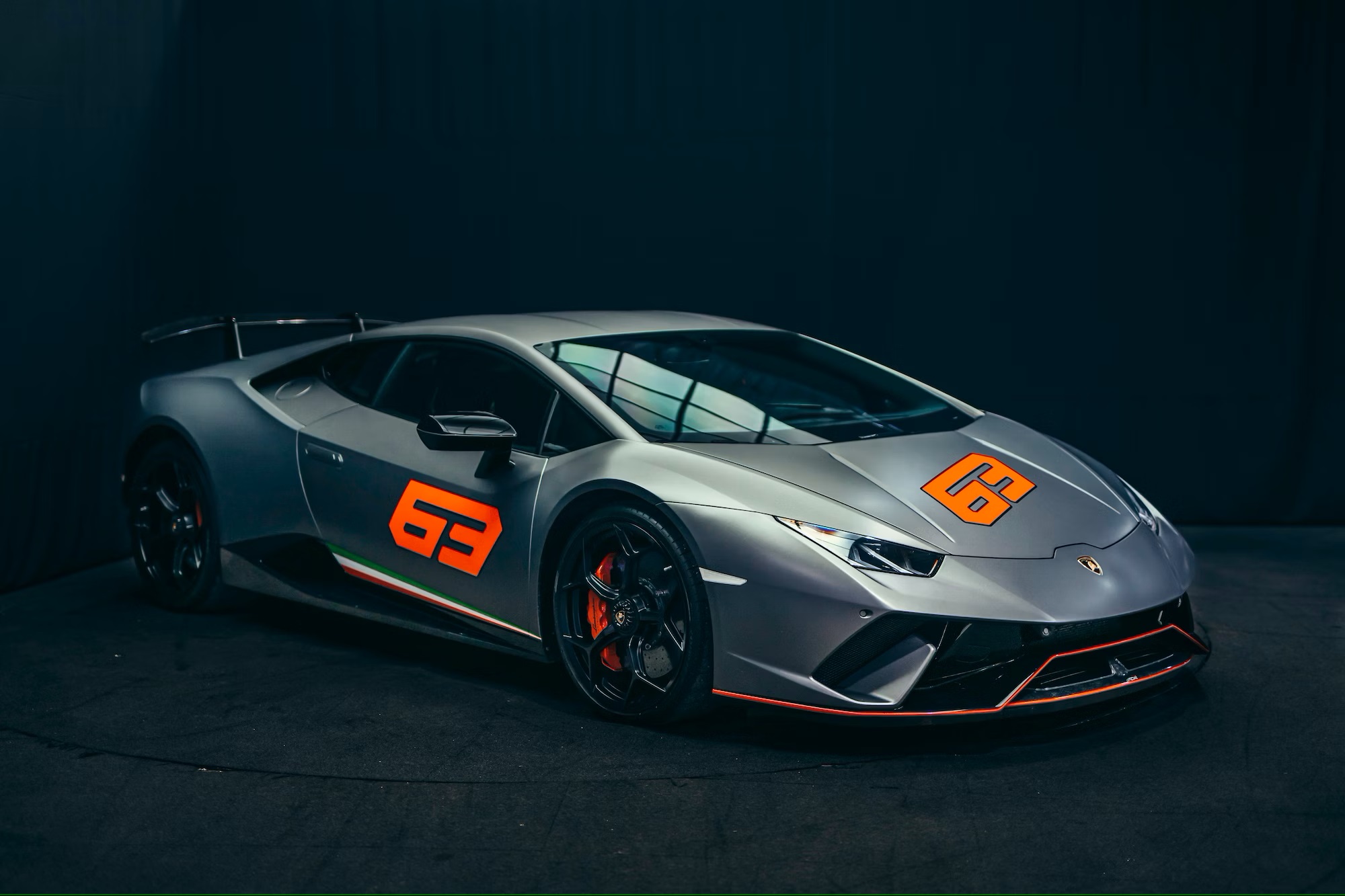
The Performante shifted Lamborghini’s reputation for handling. It arrived in 2017 with 631 hp, 40 kg less weight than the Huracán and an aerodynamic system of flaps and channels integrated into the wings. Those elements could reduce drag on straights and shift downforce from one side of the car to the other through a corner.
Its Nürburgring lap time was 6 minutes 52 seconds, faster than the Porsche 918 Spyder. After questions about the result, Lamborghini released video of the run. The road-going car made the stronger argument: it was sharp, communicative and adjustable. Every Lamborghini since has faced higher expectations for handling, and the Performante helped set them.
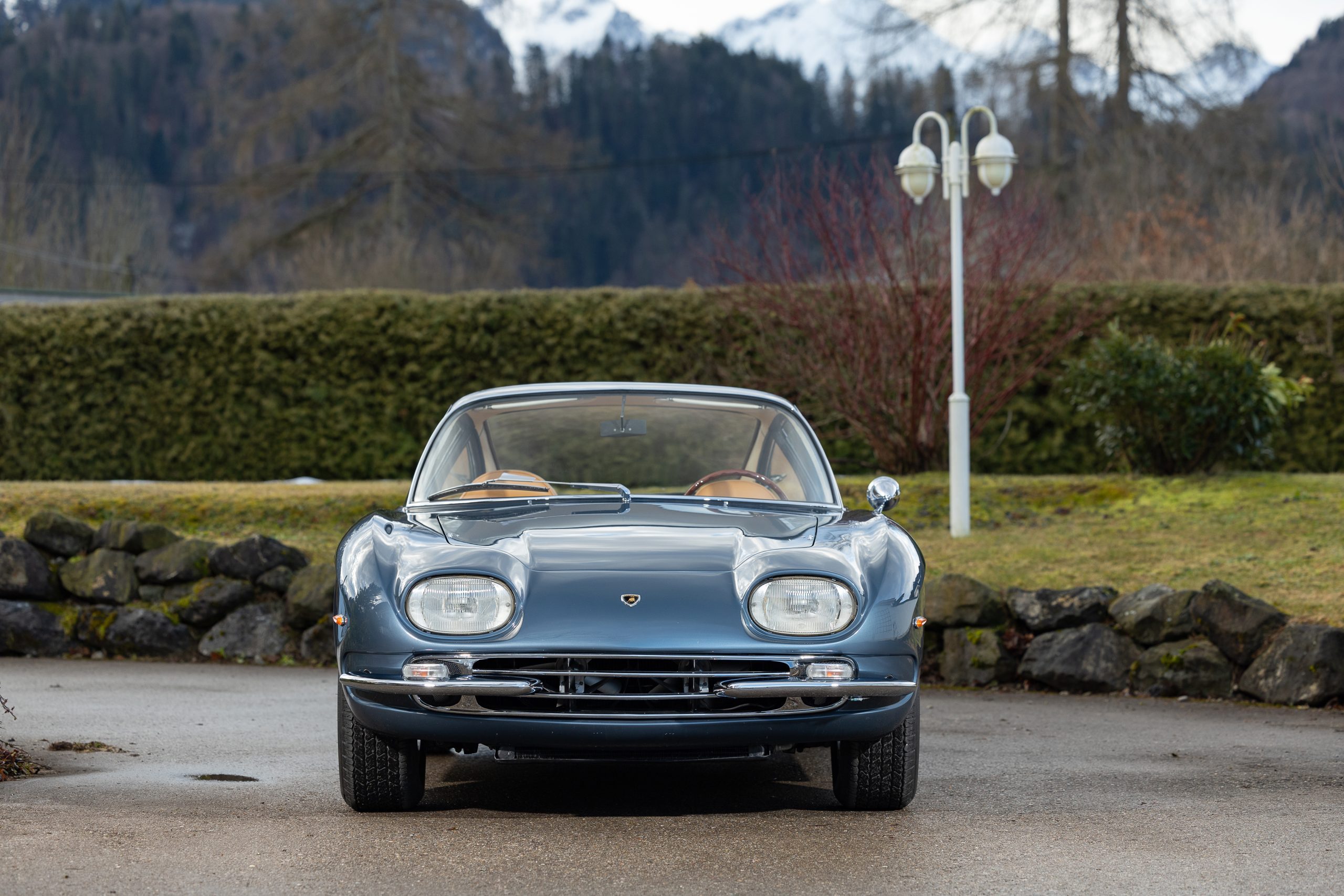
4. Lamborghini 350 GT — 1964–66
3.5-litre V12 · 270 hp · about 120 built
Ferruccio Lamborghini built tractors and air conditioners, and owned Ferraris. The familiar story says a complaint to Enzo Ferrari about a clutch prompted a dismissive reply. Whatever the exchange, by 1963 Lamborghini had established a factory at Sant’Agata and hired a talented young engineering team.
Their first production car, the 350 GT, was a serious grand tourer. Giotto Bizzarrini designed its 3.5-litre V12, which used four camshafts while Ferrari’s road cars still had two. The 350 GT also had independent suspension at all four wheels, a five-speed gearbox and an aluminium body by Touring of Milan. Quick, quiet and well finished, it was praised as more modern than its rivals. About 120 were built. Every Lamborghini on this list begins with the 350 GT’s achievement.
3. Lamborghini Murciélago LP670-4 SV — 2009–10
6.5-litre V12 · 661 hp · 186 built
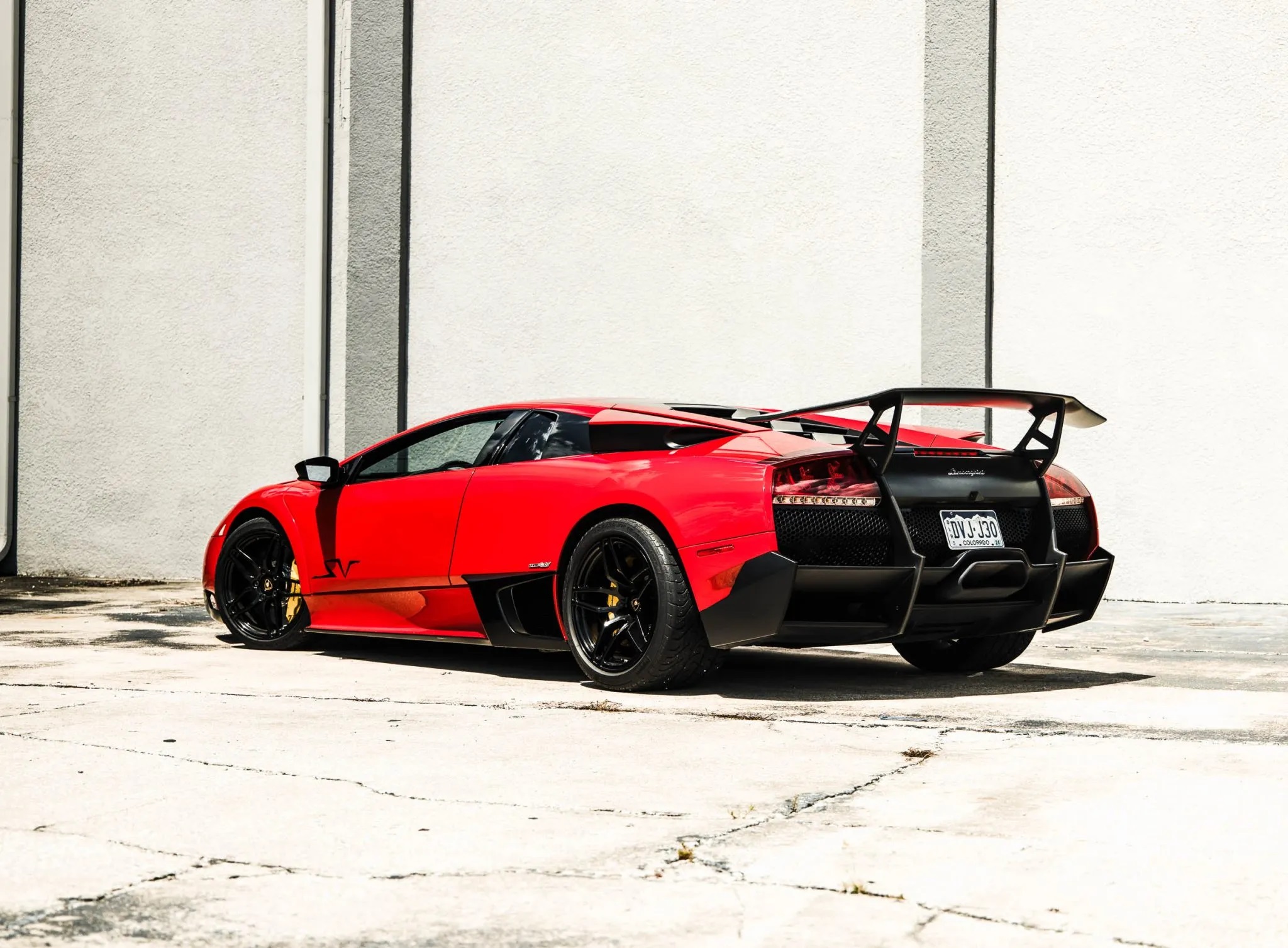
The V12 designed by Giotto Bizzarrini for Ferruccio Lamborghini in 1963 remained in production for 47 years, substantially developed and enlarged along the way. The Murciélago LP670-4 SuperVeloce was the last car to use it, and a fitting final expression.
By 2009, the engine displaced 6.5 litres and produced 661 hp. Lamborghini removed about 100 kg from the Murciélago with carbon-fibre panels, a lighter exhaust and a stripped cabin, then offered buyers a choice of rear wings. The car is huge and loud, and its gearbox lands each shift with a thump. Yet it has real steering feel and a chassis a driver can trust, a notable achievement for a big Lamborghini. Production stopped at 186, short of the planned 350, when the factory needed to make room for the Aventador.
2. Lamborghini Miura — 1966–73
3.9-litre V12 mounted transversely · 350–385 hp · 764 built
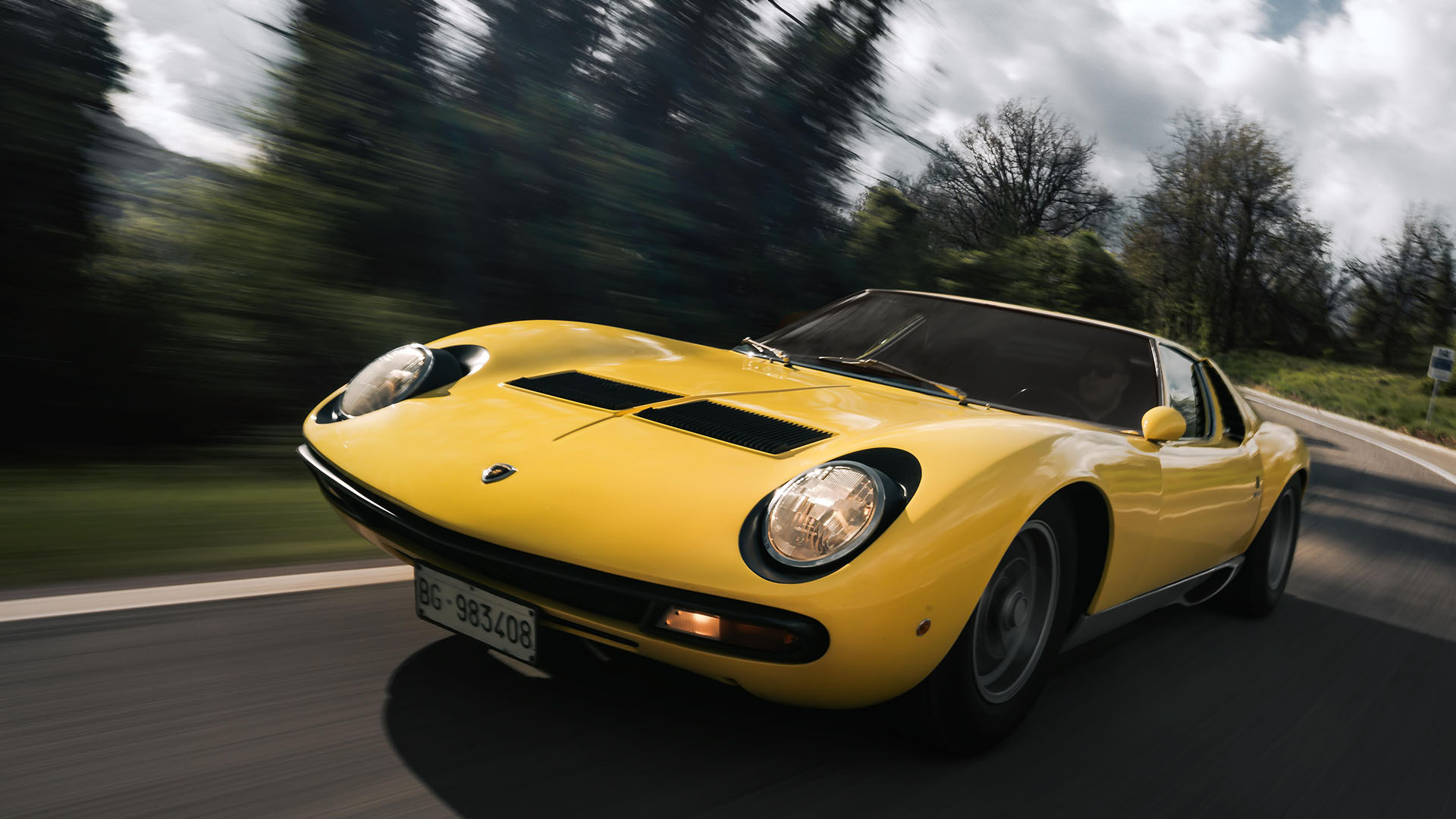
The Miura began with three young Lamborghini engineers working after hours. Gian Paolo Dallara, Paolo Stanzani and test driver Bob Wallace devised a chassis with a V12 mounted sideways behind the seats, as in a racing car. Ferruccio Lamborghini wanted grand tourers, not a racing programme, but he allowed the bare chassis to appear at Turin. Prospective buyers immediately asked for the finished car.
Bertone assigned the body to 27-year-old Marcello Gandini. The finished Miura appeared at Geneva in 1966, a low, flowing design that remains a reference point for car styling. It made 350 hp and could exceed 170 mph, though its nose became light at that speed. The later SV produced 385 hp and gained wider rear wings. About 760 were built. The Miura helped establish the idea of the modern supercar: a road-going machine with a mid-mounted V12 and the looks to match its performance.
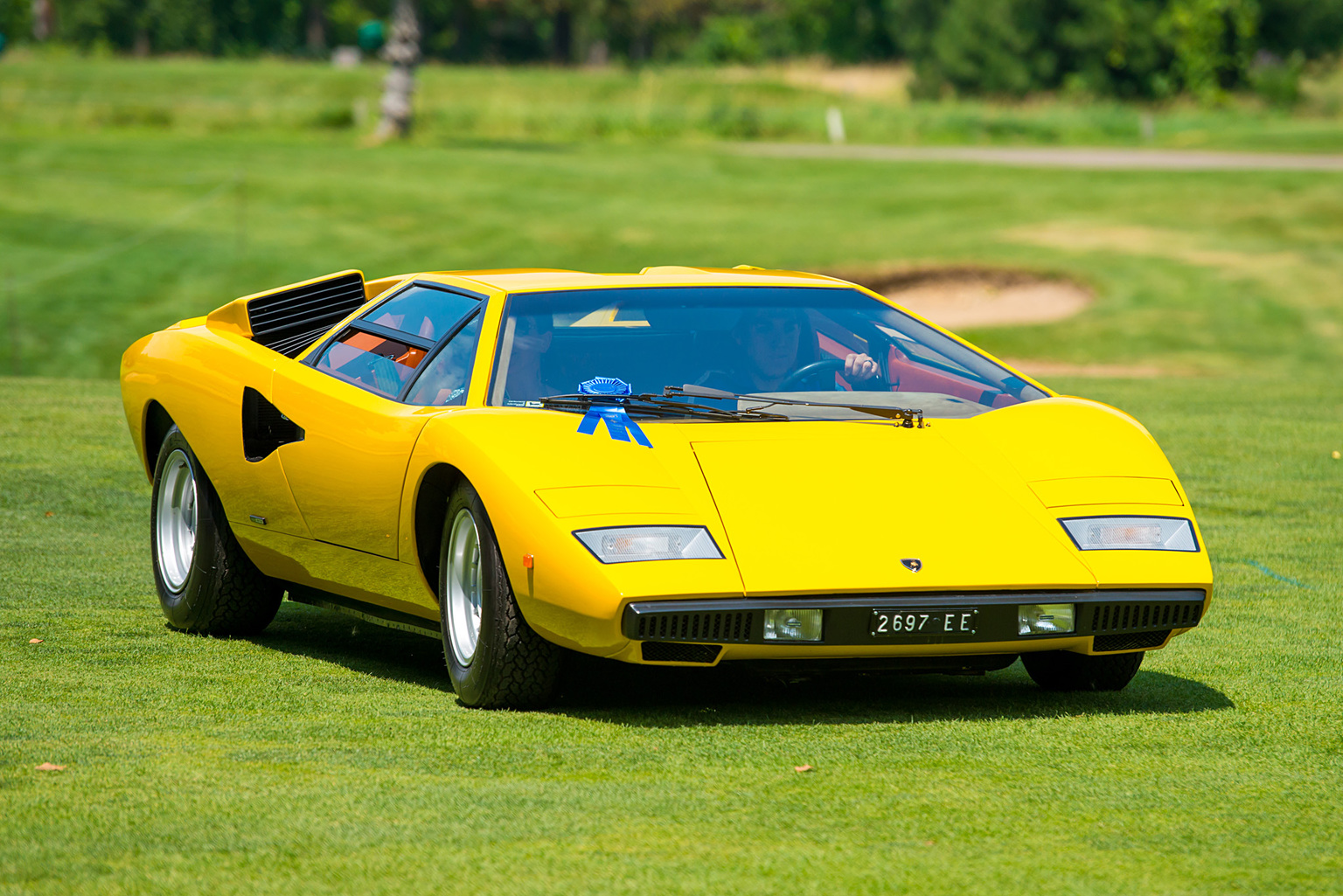
1. Lamborghini Countach LP400 — 1974–78
3.9-litre V12 · 375 hp · about 150 built
The Miura may be more beautiful, and it arrived first, but the Countach LP400 defined the visual language of Lamborghini’s V12 flagships. Marcello Gandini’s prototype stopped the Geneva show in 1971: a low, broad wedge of flat surfaces, with doors that swung up and forward because conventional doors wouldn’t work with the body’s shape. The production LP400 followed in 1974.
“LP” referred to the engine’s longitudinal position behind the driver. Lamborghini placed the gearbox ahead of the engine, between the seats, giving the lever a direct mechanical action and keeping the main components inside the wheelbase. The 3.9-litre V12 was rated at 375 hp. Early cars carried the cleanest version of the design: narrow tyres, no rear wing and no widened arches. A channel in the roof held a periscope-style rear-view mirror because visibility through the back was so poor.
About 150 LP400s were built. They ran hot, made plenty of noise, required real effort to steer and were awkward to park. That didn’t blunt their impact. Every V12 Lamborghini that followed borrowed the engine layout and scissor-door drama, and each has been judged against the Countach’s ability to stop people in their tracks. Its form stayed in production for sixteen years and never truly disappeared from the marque’s design vocabulary.
Cars that missed the 30
The list leaves out several low-volume specials: the Veneno, Centenario, Sián and Countach LPI 800-4. They’re fast and rare, but each is based on the Aventador. The Reventón makes the cut as the car that established that special-edition formula.
Other Countaches were considered. The LP400 S, with its widened arches and optional wing, may be the version many people remember from posters. The ranking instead includes the original LP400, the most powerful carburetted 5000 QV and the final 25th Anniversary model. Three felt sufficient to represent the family.
The original Diablo also missed out. It was the first Lamborghini to exceed 200 mph and a defining car of the 1990s, but the SV, GT and VT 6.0 are stronger versions. The Murciélago LP640 and Aventador SV were edged out by the LP670-4 SV and SVJ, which took their respective ideas further. The Huracán Tecnica and Evo RWD came close; four Huracáns in a 30-car ranking felt like too many. The Jarama, Ferruccio Lamborghini’s personal favourite, and the Silhouette, the first open Lamborghini with about fifty built, were left off because neither changed the marque as much as the cars selected.
What makes the ranking work
The top two can be argued either way. The Miura introduced the mid-engined V12 formula and remains the more beautiful car. The Countach LP400 took that lineage and made its shape and mechanical layout the template for the flagship that followed. The Countach comes first because it defined what a Lamborghini looks like across generations.
For a modern road car, the Huracán Performante stands out. Its active aerodynamics, lower weight and road manners changed expectations for the marque’s handling. The Aventador SVJ and Huracán STO continued that focus, while the Revuelto shows how Lamborghini is carrying its V12 into a hybrid era. Across the full list, the most enduring cars pair a vivid design with engineering that changes how the machine behaves—or how the company builds its next one.


