Hexagon’s Free Manufacturing Event Links Digital Skills With Shop Floor Careers
Hexagon’s online event will pair career stories with practical examples, from component design and machining to inspection and quality control.
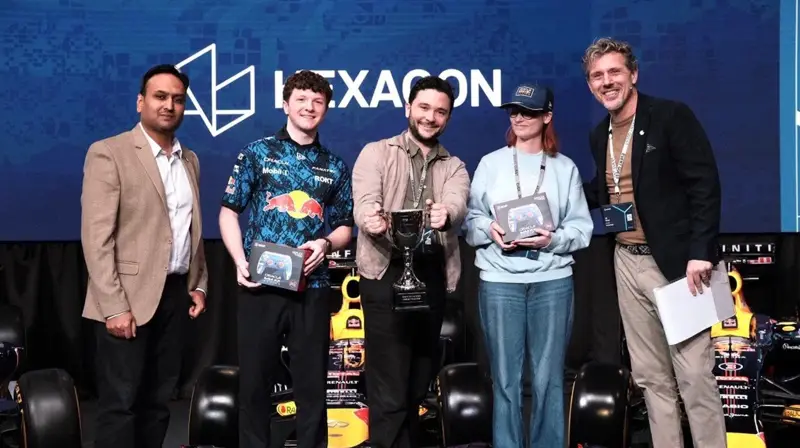
The most useful part of Hexagon’s Introduction to Manufacturing may be the path it lays out between digital interests and physical production. A person drawn to data, creative problem-solving or sim racing can see how those interests connect to manufacturing work, from planning a component to machining and checking it. The free online event is designed for people who haven’t previously considered the field, including first-time career seekers, career changers and people returning to work.
A day built around real work
Introduction to Manufacturing will run as a series of short sessions across one day. Contributors from the industry will share career stories, practical examples and advice, giving attendees a view of both how people enter the field and what they do there. No manufacturing experience is required.
That format matters. A broad description of modern manufacturing can sound distant to someone weighing a career move; a specific example of a component being designed, made and inspected is easier to picture. Hexagon’s sessions will draw on production software, measurement and quality processes to trace that sequence. The emphasis is on how reliable information helps teams plan work, verify results and decide where a process can improve.
The examples also make the connection between digital tools and hands-on expertise concrete. Software can support design and production planning, while measurement and inspection help establish whether a manufactured part meets the intended result. The work sits across those stages, combining technical judgment with practical execution.
From sim racing to manufacturing skills
The event extends an earlier effort: the Future Skills Challenge, developed by Hexagon and Oracle Red Bull Sim Racing. In 2026, the challenge attracted 13,600 participants from 71 countries. It used sim racing as a way to introduce ideas around data and decision-making in manufacturing.
Introduction to Manufacturing gives those participants a possible next step, while remaining open to people who are encountering the industry for the first time. The connection is more than a shared interest in technology. Sim racing involves interpreting information and making decisions; manufacturing also depends on people who can work with data, assess results and apply their judgment to a practical task. The event aims to make that overlap visible without suggesting that one interest automatically maps to a particular job.
Hexagon VP for the EMEA region Siddhant Gupta said people may not consider manufacturing if they can’t picture the work or see how their interests fit. He pointed to problem-solving, data and creative use of technology as interests that may lead someone to recognize a possible place in the industry. He described the initiative as a bridge intended to direct talent toward available opportunities.
Resources for exploring a next step
Hexagon also plans to launch an online resource alongside the event. It will gather session recordings, careers information and further learning opportunities from participating organizations, so people can continue exploring at their own pace. Listings are expected to identify where opportunities are available geographically and what eligibility requirements apply.
The resource will cover graduate opportunities, training, qualifications and accreditation. It will also include support for women entering or returning to manufacturing. That range gives prospective entrants several ways to investigate the field, whether they’re looking for a structured graduate route, a qualification or introductory material to build confidence before applying for a role.
Introductory resources are planned to help organizations recognize potential in people from different backgrounds and support the development of technical competence. Hexagon’s contributions are set to include free certified foundational training in computer-aided manufacturing (CAM) using Esprit Edge software. Further material will cover metrology, quality control and non-destructive testing processes used in precision manufacturing.
These subjects offer a practical starting point because they connect tools and methods with decisions made during production. CAM training introduces a digital part of the manufacturing workflow; metrology and quality control focus on measuring and assessing results; non-destructive testing examines components without damaging them. Together, those areas give newcomers a more grounded picture of the skills involved, while the training and careers listings can help them identify what to explore next.
Details to come in February 2027
Hexagon plans to share further information about the event, its contributors and the follow-on resources in February 2027. Until then, the clearest signal of what the initiative will offer is its combination of firsthand career accounts, production examples and introductory learning. For anyone curious about manufacturing but unsure where their existing skills might fit, the component journey from digital design through machining and inspection is a useful place to start.


