Interlagos Tyre Strategy: Pirelli’s Softer C3, C4 and C5 Selection
Interlagos gets a softer C3–C5 tyre range after resurfacing at four corners, putting track evolution and stint management at the centre of strategy.
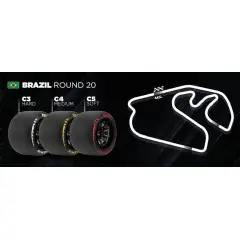
Interlagos’ resurfaced sections and a softer tyre range give teams two linked questions to answer at the São Paulo Grand Prix: how quickly will grip develop, and how hard can they push before tyre wear begins to shape the stint? Pirelli has selected the C3 as Hard, C4 as Medium and C5 as Soft, one step softer than the trio used at the venue a year earlier, when the event ran with the Sprint format.
The change to the surface is concentrated in two parts of the José Carlos Pace circuit: between Turns 3 and 5, and between Turns 8 and 9. Fresh asphalt can behave differently from older pavement, so teams will need to read its grip and how that grip changes as cars lay down rubber. The three free practice sessions offer the first chance to compare the new sections with the rest of the lap and gauge how the surface affects tyre wear on longer runs.
What the softer range puts in focus
A softer selection brings compounds one step closer to the grippier end of the range than last year’s allocation. That gives teams a different starting point for assessing single-lap performance and stint length. The compounds still have to work across the whole lap, though: a tyre that delivers pace over one tour must also hold up through repeated cornering, acceleration and braking across a race stint.
Interlagos places broadly average lateral loads on the tyres. Its lap mixes high-speed corners with long straights, and the layout distributes the workload fairly evenly between the front and rear axles. That balance may make the circuit less demanding in any single direction than a track with unusually high loads on one axle, but it does not remove degradation as a strategic concern.
Last year offered a reminder of that distinction. Graining was less pronounced than expected, yet the C2, which served as the Hard, showed some tendency to slide. The C3 and C4 suffered significant degradation while remaining capable of competitive stints. A two-stop strategy proved most effective. Those observations provide useful context, but the resurfacing and softer selection mean teams will need to establish how this weekend’s tyres behave on the current track rather than assume last year’s pattern will repeat.
Stints, stops and changing gaps
At the 2025 São Paulo Grand Prix, the Medium and Soft were the preferred compounds, with several strategies in play. Most teams made two stops, a pattern shaped by tyre degradation and early pit stops prompted by an initial neutralisation period. Only two drivers completed the race with one stop, while the Hard appeared in just a few short stints.
Pit windows varied between drivers, opening up different gaps and creating more chances to overtake. That is a useful feature of Interlagos: its flowing layout provides several passing opportunities, giving teams room to vary their timing. But strategy still depends on the tyres. A stop that creates a pace advantage on fresh rubber can also leave a driver needing to manage the next stint carefully.
The central job for the teams is to find a workable balance between immediate speed and tyre life over distance. Practice running can show whether a compound’s pace holds up as the stint progresses and whether the new asphalt changes wear in the resurfaced areas. The answers will inform how teams weigh their options as the weekend develops; the source information does not establish a fixed strategy for this event.
Weather and Interlagos history
Weather adds another variable. Rain and marked temperature changes are common considerations at this point in the calendar, and Interlagos may call for Intermediate or Full Wet tyres if conditions turn. A change in weather can alter grip as well as the demands on tyre management, so teams will need to keep their assessment responsive to conditions.
The São Paulo venue has hosted 42 Grands Prix. From 1973 through 2019, 37 editions carried the Brazilian Grand Prix name; the event has been called the São Paulo Grand Prix for its last five editions, beginning in 2021. Michael Schumacher leads the venue’s driver win count with four victories. Sebastian Vettel, Lewis Hamilton and Max Verstappen have three each. Ferrari and McLaren share the team record at nine wins apiece.
A separate piece of event colour comes from Pirelli’s special-edition podium cap. Designer Denis Dekovic created it for Pirelli Design, drawing on the blue shirt worn by Brazil’s national football team in 1958 and adding a jaguar-pattern design inspired by the animal’s coat. The cap is available through Pirelli’s e-commerce store at store.pirelli.com.
For teams, the most useful early read will come from comparing tyre behaviour across the resurfaced sections and the rest of the lap. Interlagos offers passing chances, but its strategic choices still hinge on how well each compound maintains pace over a stint. The softer C3–C5 range makes that assessment the key thread to follow as practice reveals how the track is evolving.


