BMW Adds Samsung SDI in Europe and LG Energy Solution in the US for Gen6 Battery Cells
BMW’s new regional cell supply deals pair Gen6 battery production with nearby suppliers, while five battery assembly sites support its local sourcing strategy.
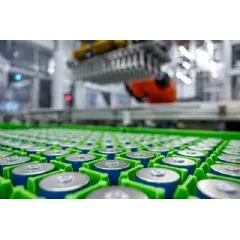
BMW is adding Samsung SDI in Europe and LG Energy Solution in the US to its supplier roster for sixth-generation high-voltage battery cells. The companies are expected to supply BMW from established plants in their respective regions from the late 2020s. The deals extend the automaker’s “local for local” approach, linking cell sourcing to nearby battery and vehicle production.
That regional pairing matters because battery cells influence electric vehicle range and charging performance, while their production requires a complex industrial supply chain. BMW’s strategy combines local sourcing where possible with a diversified network of technology partners. For its Gen6 cells, the company says it will source European production from CATL, EVE Energy and Samsung SDI, with LG Energy Solution supplying in the US.
Regional sourcing, broader supplier network
BMW describes procurement diversification as part of its effort to keep products competitive across markets and make its supply network more flexible. Under the “local for local” principle, components are sourced close to the vehicle plants they serve where possible. Shorter distances between suppliers, battery assembly and vehicle production can support regional manufacturing and reduce the amount of transport required across the network.
The approach doesn’t mean relying on a single supplier in each region. BMW is building a broad portfolio of cell makers while seeking production close to its own operations. That balance gives the company access to multiple technology partners and regional sources. Nicolai Martin, BMW AG board member responsible for Purchasing and Supplier Network, said the battery partnerships are intended to strengthen value creation in Europe and the US.
Hendrik Lang, BMW AG’s head of Purchasing and Quality of High-Voltage Batteries, said the global partner network is intended to provide a resilient, flexible and competitive cell supply. The new supplier nominations add Samsung SDI and LG Energy Solution to BMW’s plans for Gen6 cells, alongside CATL and EVE Energy in Europe. BMW did not provide cell volumes, contract values or exact start dates beyond saying supplies from the two newly contracted partners are expected from the late 2020s.
Five battery assembly locations
BMW’s regional sourcing plan also extends to assembly of Gen6 high-voltage batteries. The company has built five new battery production facilities near vehicle plants: Irlbach-Straßkirchen in Lower Bavaria, Debrecen in Hungary, Shenyang in China, Woodruff in the US and San Luis Potosí in Mexico. Locating battery and vehicle operations in the same regions is intended to keep the production chain geographically compact.
For an electric vehicle program, that proximity connects several demanding stages: cell supply, battery assembly and vehicle manufacture. A cell contract alone doesn’t create a regional production system; the facilities, supplier capacity and transport links have to come together on compatible schedules. BMW’s stated goal is to build regional battery ecosystems over the long term, with local conditions and workable industrialization timelines playing a part in whether that investment can take hold.
The company says the new facilities strengthen regional infrastructure and existing operations and help secure jobs. The planned supplier additions also depend on manufacturers establishing local production. Battery cell manufacturing calls for substantial investment and effective supply chains, so BMW frames time and partnerships as key requirements for localization.
Cell development, manufacturing and recycling in Bavaria
BMW is pairing its supplier network with in-house expertise in battery cell development, production and recycling. At the Battery Cell Competence Center in Munich, the company explores cell technologies for future high-voltage batteries. The Cell Manufacturing Competence Center in Parsdorf examines how cells can be produced at high quality and with resource efficiency; it also makes and tests near-series cells.
A third site, the Cell Recycling Competence Center in Salching, focuses on recovering valuable raw materials through BMW’s direct recycling concept and returning them to production. Encory GmbH will build and operate the center, while BMW owns the intellectual property for the recycling method. Together, the three Bavarian centers give BMW a role in studying cell chemistry, manufacturing processes and material recovery alongside its work with external cell suppliers.
This combination gives the company practical knowledge to bring to supplier discussions and future battery development. Lang said the competence centers allow BMW to shape technological development and work with partners from a position of technical understanding. The centers also cover different stages of the cell lifecycle, from exploring new technologies to testing production methods and recovering materials.
BMW’s next step is to bring its Gen6 supplier and production plans into operation as the late-2020s supply window approaches. The details published so far establish the partner names, regional sourcing plan and assembly locations; capacity, cell specifications and precise launch timing remain to be seen.


