Polestar Formula 2030 Concept Previews a Lower, Driver-Focused Performance Car
The Formula 2030 concept pairs a low four-door stance with adaptive cockpit controls, distinctive lighting and recyclable interior materials.
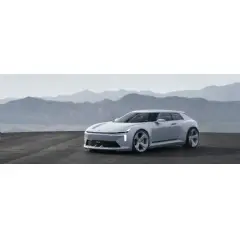
Polestar’s Formula 2030 concept makes its case through the details: a low four-door body, a cockpit that physically changes with the selected drive mode, and materials chosen with reuse in mind. It’s the first show car shaped under Head of Design Philipp Römers, and Polestar presents it as a guide to the design and engineering values intended for future production cars.
The idea follows a familiar Polestar principle: strip away what isn’t needed, then give greater attention to what remains. Formula 2030 puts design, performance and sustainability at the centre of that exercise. It also looks to sharpen the brand’s performance character while carrying forward visual cues established by earlier models.
A compact footprint with a long, low stance
Formula 2030 measures 4,680 mm long and 2,021 mm wide, with a 2,780 mm wheelbase. Its roof stands just 1,350 mm above the ground, lower than the Polestar 5 Grand Tourer. Those dimensions place it between the forthcoming Polestar 2 and Polestar 7 in overall size, while its useful four-door layout borrows a hint of low-slung practicality from the Polestar 4 SUV.
From the side, the car leans into a rearward-set cabin and pronounced rear haunches. A long bonnet, short overhangs and 22-inch wheels reinforce the performance stance. Viewed from above, the body narrows through the middle before swelling over the rear wheels, visually concentrating its mass toward the back.
That shape gives the concept a clear job to do: suggest a practical car with the proportions and posture of a sports machine. The wide track and low roof make the intent easy to read, while the four doors keep the design connected to everyday use. Polestar hasn’t provided powertrain output or performance figures, so the concept’s dynamic message comes through its stance, aero details and cockpit instead.
Lighting and aero define the exterior
At the nose, Dual Blade headlights establish the car’s Polestar identity. The lighting units are integrated into a front aero wing, a treatment drawing on the Polestar 3 and previewing the face planned for the next-generation Polestar 2 in 2027. A pointed shark-nose front end and deep splitter add visual weight close to the ground; a central spine ties the splitter into the body.
A vertically mounted windscreen wiper runs along that spine, recalling equipment seen on motorsport cars. The visor-like windscreen wraps around the front of the cabin and nods to the first-generation Polestar 2. A LiDAR unit sits concealed beneath an aerodynamic cover when not in use, then becomes visible when the concept’s autonomous driving capability is active. Above the occupants, the familiar guiding-star symbol is projected into the panoramic glass roof.
The rear takes a different lighting route. Polestar removes the lightbar and introduces Single Blade rear lights, a design the brand says is intended to lead toward series production. Their sharp, geometric outline creates a distinctive rearward graphic. Shallow side glazing and rear glass wrap toward one another, with a strong C-pillar linking the roof to the broad rear haunches.
A centrally mounted rear wing sits on illuminated supports, while the diffuser below points to the concept’s attention to airflow and downforce. These are styling and engineering cues rather than a published aerodynamic package: no drag or downforce figures are given. Even so, the combination of the low nose, broad stance and defined rear aero makes performance the car’s visual priority.
Head of Exterior Design Nahum Escobedo describes the approach as an evolution of Polestar’s established design values, with the Dual Blades, wraparound windscreen and powerful haunches carrying familiar cues into new forms. The Single Blade lights and stronger emphasis on performance are among the details that push the design in a fresh direction.
A cockpit that adjusts with the drive mode
The cabin is organised around the driver. Its main display is a 20-inch HyperDIM, a curved Driver Information Monitor mounted directly to the steering column so it remains in the driver’s line of sight. A 12.2-inch Centre Screen Display sits within the rising centre tunnel. Together, the screens anchor an interior whose horizontal trim band curves around the driver before continuing through the rest of the cabin.
The most unusual cockpit feature is how its layout responds to the selected mode. The driver chooses Performance, Normal or Autonomous by sliding a selector forward through the centre console. That movement sets off changes to the screen, steering wheel and seating position, giving each mode a different physical arrangement.
In Autonomous mode, the centre display stands upright and above the upper instrument panel, presenting information suited to that setting. The steering wheel and seat move farther apart as the vehicle assumes more control. Moving from Normal into Performance reverses that posture: the screen drops flush into the console, while the steering wheel and HyperDIM draw closer to the driver’s chest. The intended effect is a tighter, more focused driving position.
Four individual seats use air-inflatable bolsters and cushions that shape themselves around each occupant for lateral and longitudinal support. They sit low in the cabin to reinforce the performance-oriented posture. Opposing doors open without a central pillar, making the four-seat space easier to enter while preserving the concept’s broad side opening.
Polestar is also rebalancing digital displays with tactile controls. Below the centre screen, eight physical controls can be configured both in their hardware form and through software. Drivers can choose between control types such as rocker switches and rotary controllers, then assign frequently used functions or custom shortcuts. That flexibility matters because screen-heavy cabins can make regular tasks less direct; Formula 2030 puts commonly used controls within physical reach.
Head of Interior Design Juan Pablo Bernal says the cabin is intended to focus attention on the driver and restore a balance between physical and digital interaction. The interior uses a tone-on-tone visual theme, with clearly presented information, Polestar-specific typefaces and control icons intended to remain legible without drawing excess attention.
Google Gemini is integrated through Google built-in, offering occupants a conversational voice interface. That digital feature sits alongside the concept’s physical controls, rather than replacing them. The result suggests Polestar is exploring a cabin where voice, screens and buttons each have a defined role.
Colour, materials and the structure beneath
The exterior is finished in Nitrogen, a concept-specific colour designed to shift in appearance with natural light. It covers the body, 22-inch centre-lock four-spoke wheels, side cladding, front splitter and rear diffuser. Gloss, matte and satin finishes distinguish individual surfaces while keeping the overall treatment within a restrained Scandinavian palette.
Swedish Gold supplies the contrast. The colour appears on the Brembo brake calipers, valve caps, interior details and seat belts. Polestar describes the calipers as engineered for braking performance, precise modulation and response. Gold luggage straps and a front strut brace carry the accent into the storage areas.
Material choices extend beyond appearance. The door interiors follow a mono-material strategy designed to allow full recyclability. Exposed structural parts, including the seat frame and cross-car beam, use low-emission galvanized steel made with recycled raw material and renewable energy. Polestar identifies this combination as a significant route toward lowering the impact of those components.
The seat backs use a bio-based composite made from European flax and bio-based polypropylene, replacing traditional virgin plastics. Its grid weave and colour refer to the fields that supply the flax. The material choice connects the cabin’s finish to its feedstock, while the exposed seat structure keeps the construction visible.
Storage areas get the same design attention. Bespoke Polestar bags sit beneath a transparent boot floor, secured by Swedish Gold straps. Opening the rear clamshell reveals the body structure and Bcomp natural-fibre composite with Polestar’s signature weave. The concept’s Öhlins dampers are also displayed, turning suspension hardware into part of the visual presentation.
At the front, a dedicated luggage compartment is sized for race helmets and a fire extinguisher, with a Swedish Gold strut brace framing the space. Polestar hasn’t specified the car’s powertrain, suspension rates or braking dimensions, but the visible dampers, brake hardware and structural elements make clear which mechanical themes the concept wants to foreground.
A design study with production cues
Formula 2030 made its global debut during a media drive for the Polestar 4 SUV, one of the vehicles that influenced the concept’s form. Polestar describes the show car as a physical expression of its broader Formula 2030 strategy and a preview of the values it intends to apply to future production cars.
Some details are explicitly linked to production direction: the Dual Blade face points toward the Polestar 2 successor planned for 2027, and the Single Blade rear lighting is described as arriving ahead of series production. Other features, including the shifting cockpit, concealed LiDAR and extensive use of exposed composites, remain part of this concept’s demonstration of ideas.
The most convincing part of the study is how its pieces support one another. The low proportions establish the performance brief; the moving cockpit makes that brief tangible for the driver; and the material choices show how Polestar wants design and sustainability to work together. The next measure will be how much of that focused, tactile character survives as these ideas move into road-going cars.