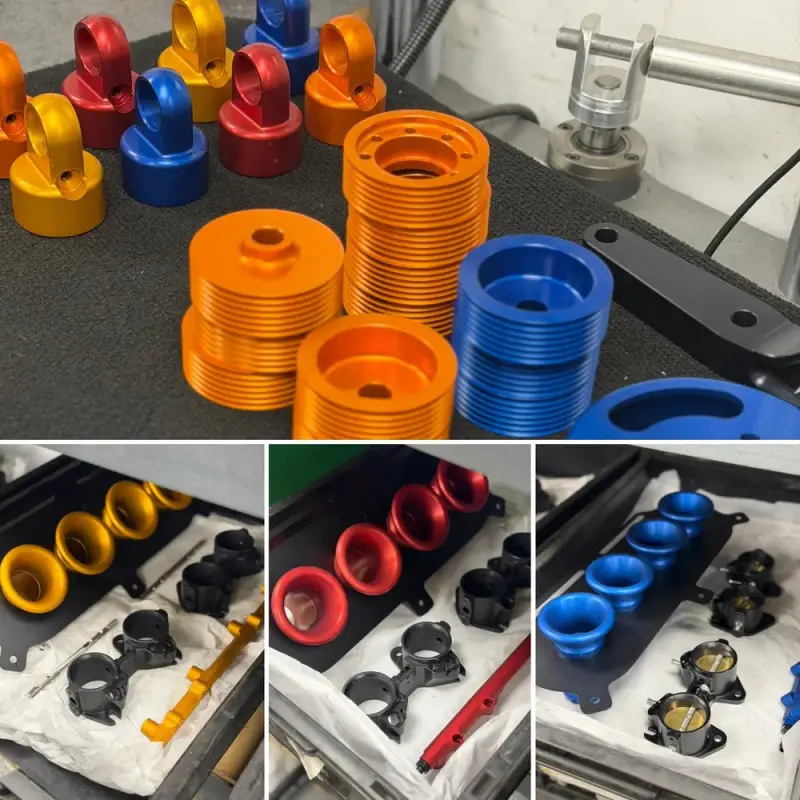
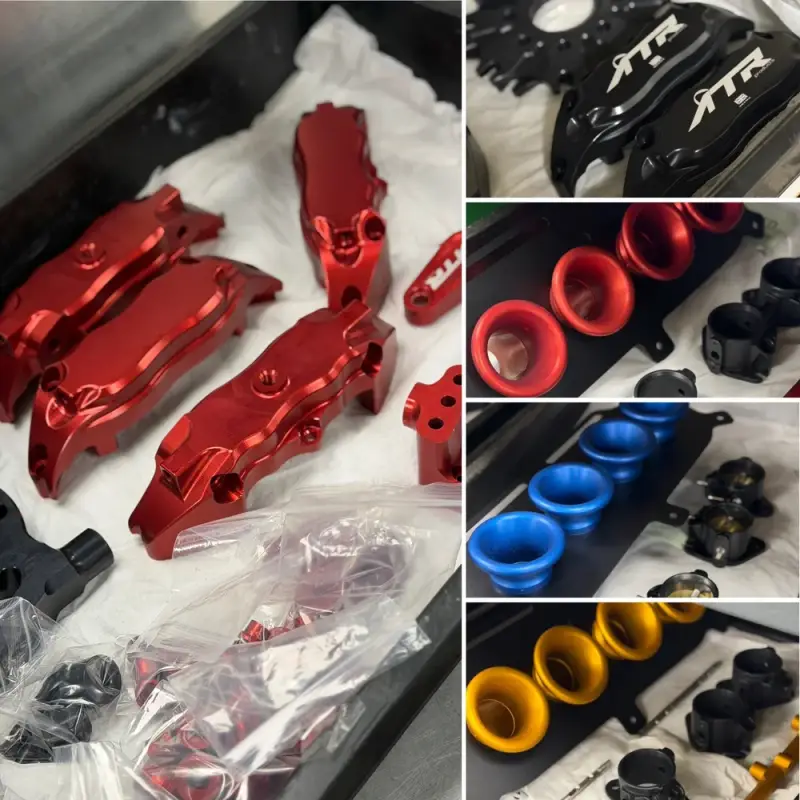
GBS Zero Projects Fill the Workshop, From Chassis Fabrication to Customer Upgrades
GBS has Zeros at every stage, including new builds, customer upgrades, fabrication work and track focused projects with varied specifications.
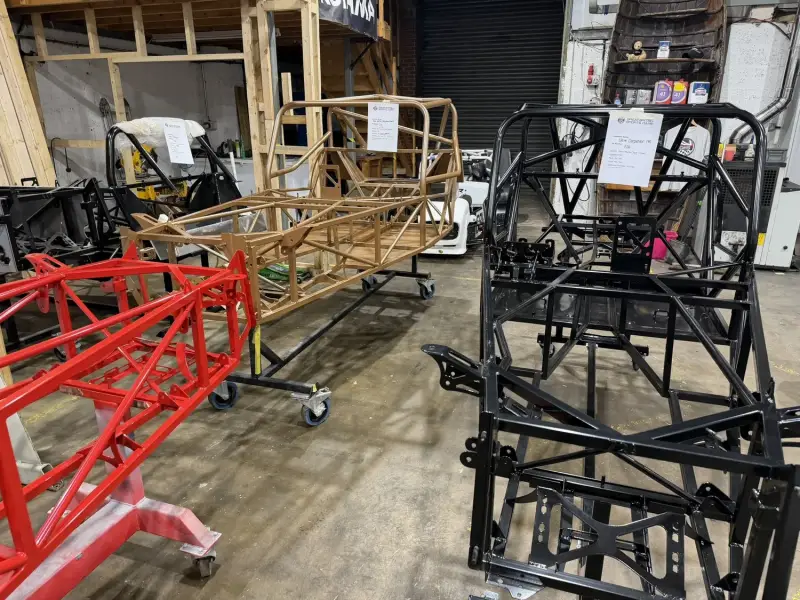
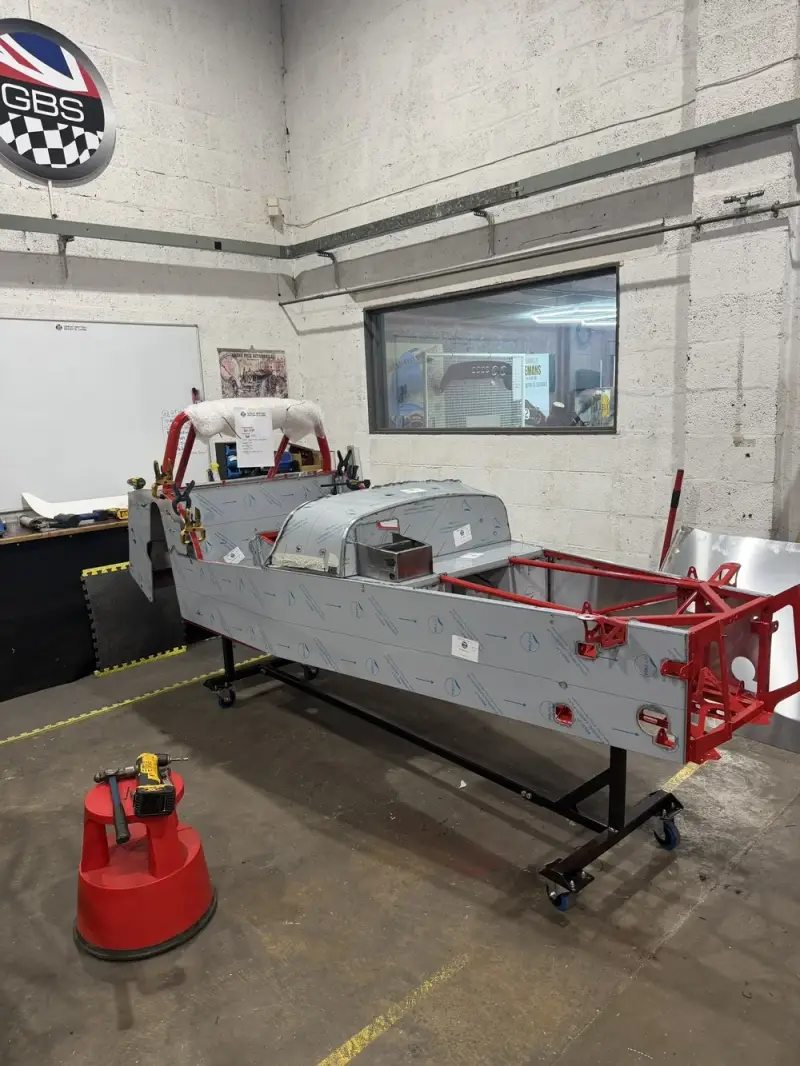
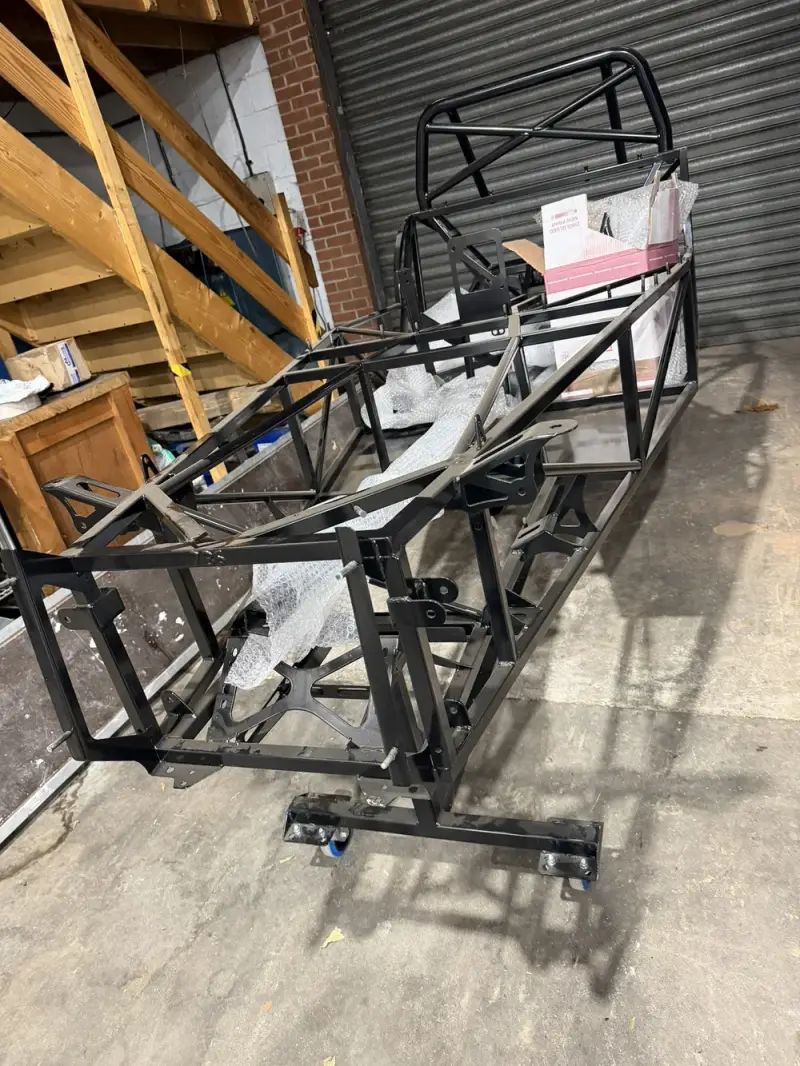
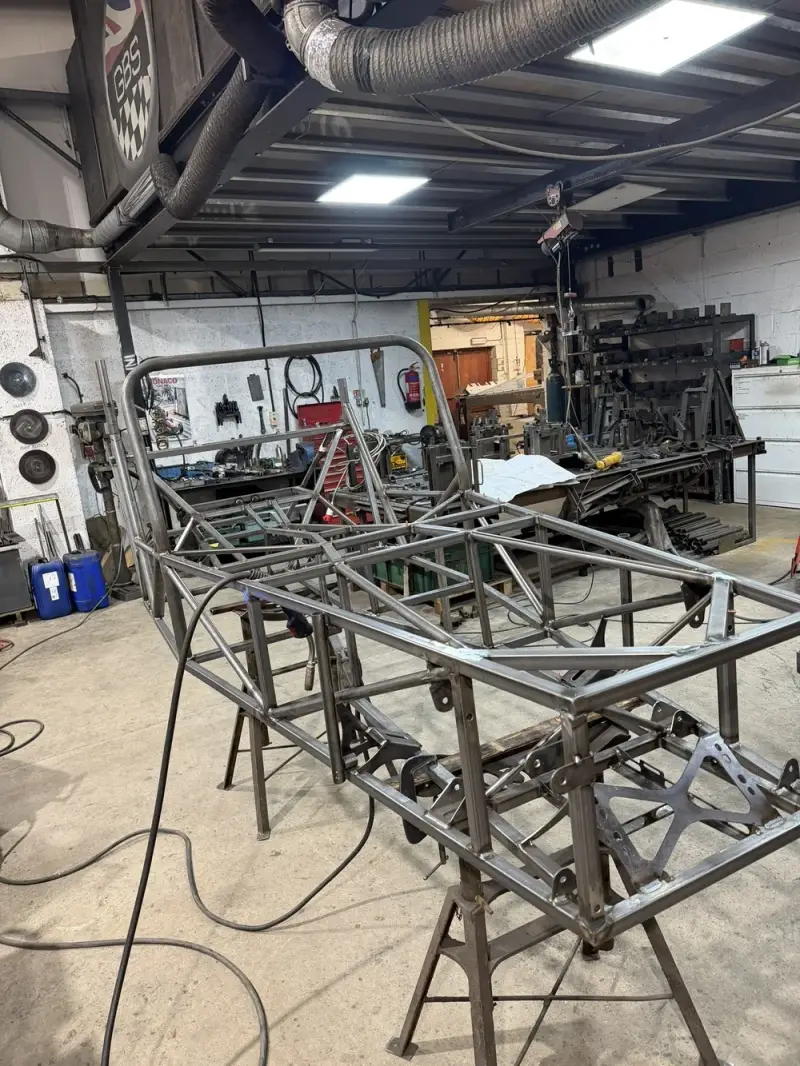
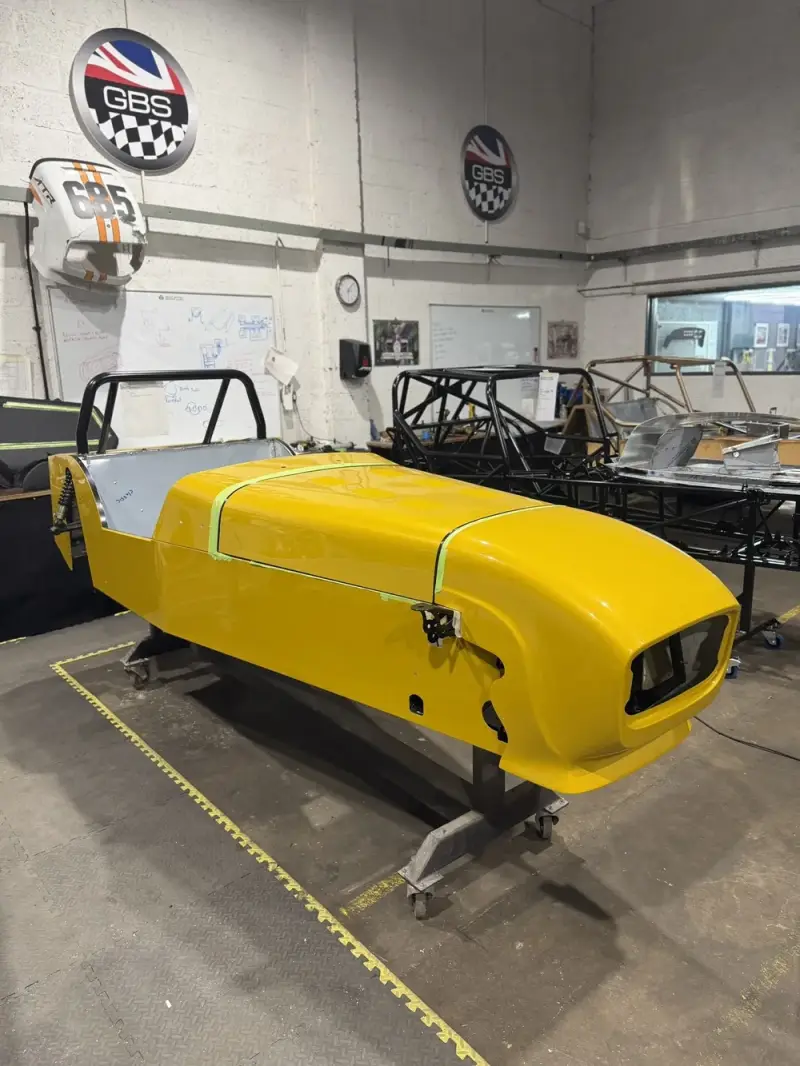
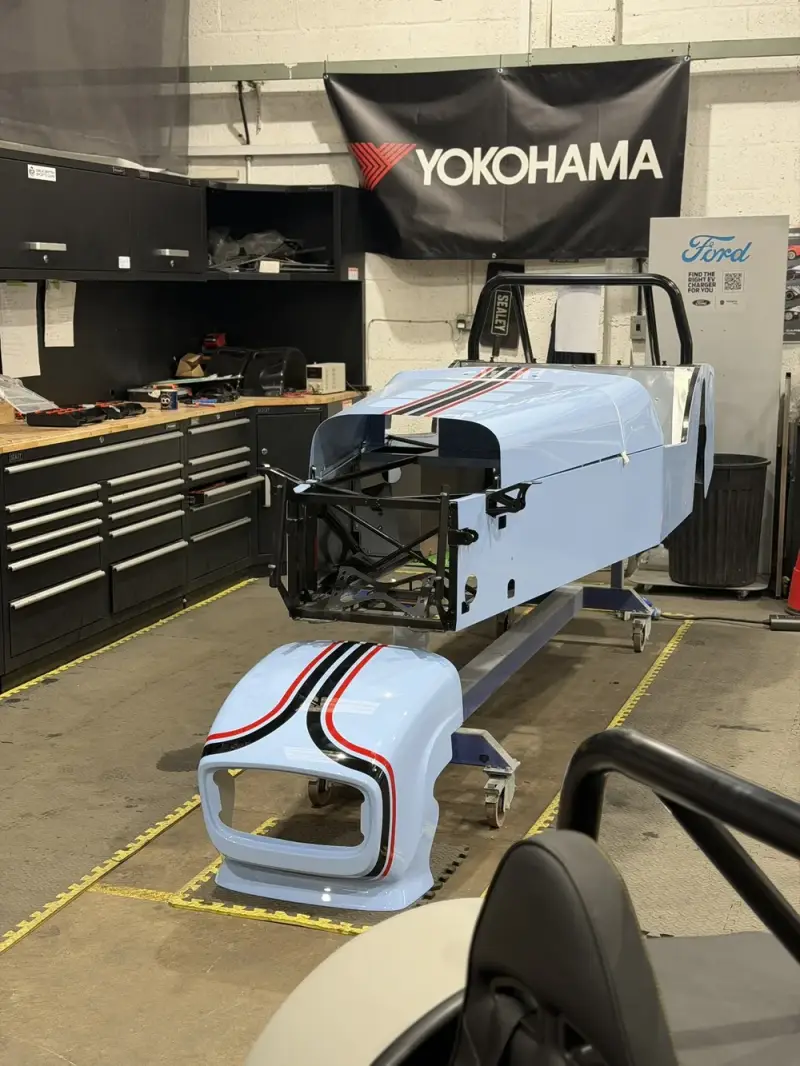
GBS’s recent workshop snapshot shows the range of work that goes into keeping a Zero project moving. Across fabrication, assembly, engineering and the showroom, the team has multiple cars in progress at once, each with its own specification and next step. The spread of projects is the useful detail: a new build, a returning customer car and a bespoke fabrication job call for different work, even when they share the same model name.
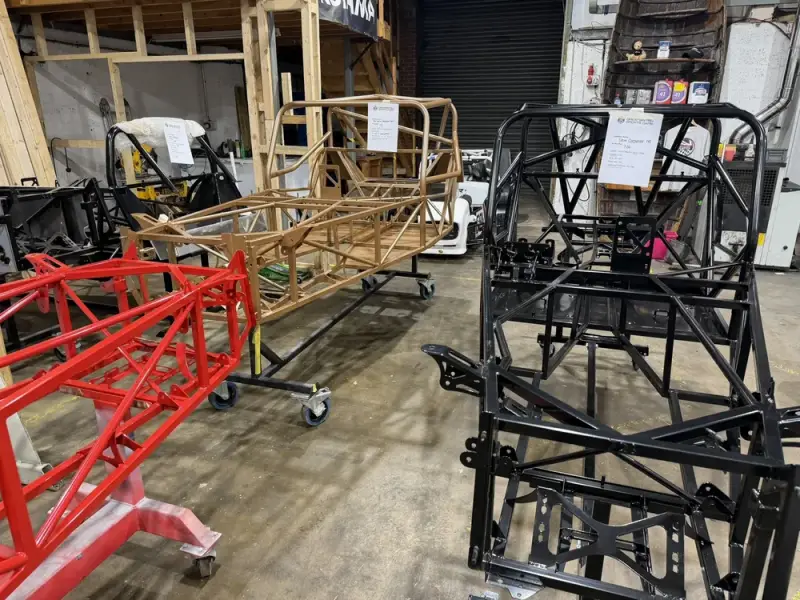
Different cars, different jobs
Some of the Zeros on site are new builds progressing through production. Others belong to customers who have brought their cars back for upgrades, additional components or workshop services. Fabrication jobs and bespoke modifications add another layer to the mix. That means the work in the building spans both the creation of cars and the ongoing development of vehicles already in owners’ hands.
The distinction matters to anyone planning a build or a refresh. A car at the early stages may need chassis and component work before it can move into assembly. A returning car might need a particular upgrade or a change to suit how its owner wants to use it. Bespoke fabrication brings its own requirements, since the parts and fit need to match that specific project. GBS describes work at these different stages, though it doesn’t give a detailed timetable or a parts list for the individual cars pictured.
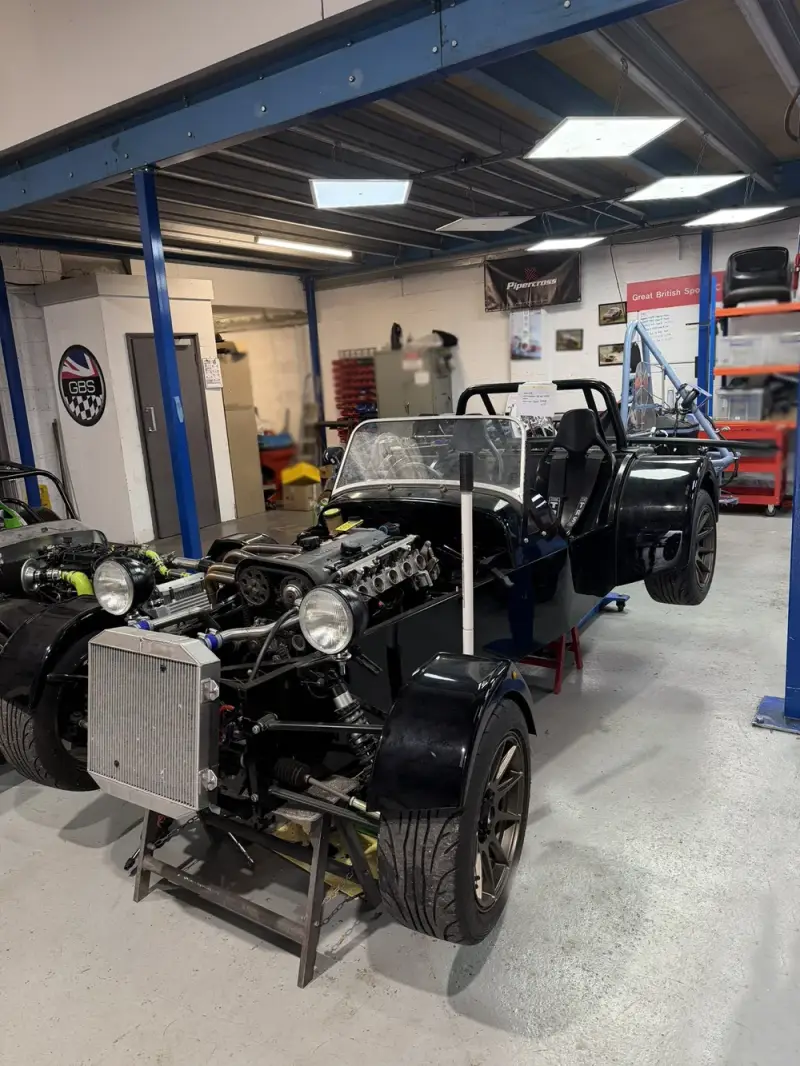
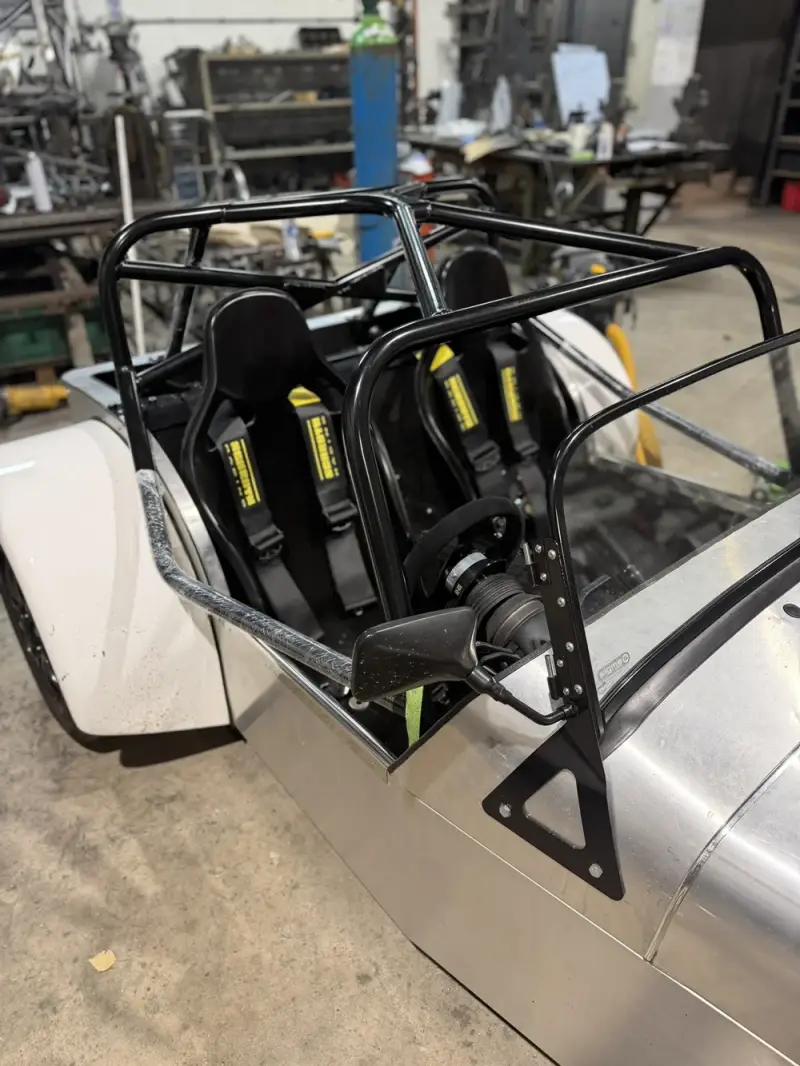
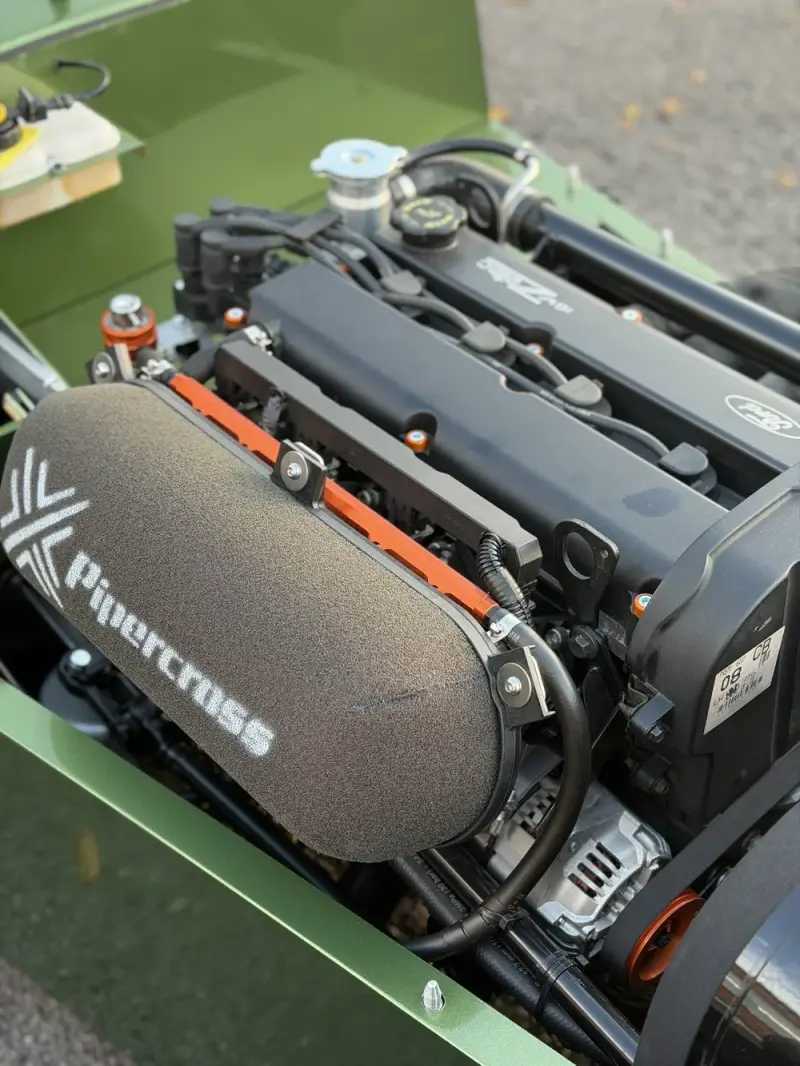
Engine choice is one visible source of variety. GBS mentions Ford Duratec and Mazda powered models alongside bespoke specifications, factory built cars and track focused projects. No power figures, engine capacities or gearbox details are provided, so the clearest takeaway is simply that the Zero range accommodates more than one engine route and more than one intended use. The right combination depends on the project brief; the engine alone doesn’t describe a car’s full setup.
Work moves between departments
GBS says its fabrication department is manufacturing and preparing chassis and components while the workshop handles customer builds, upgrades and servicing. Assembly and engineering teams keep parts and projects moving through the stages of production. With design, development and manufacturing facilities under one roof, those groups can work closely as a car advances or as a customer specification takes shape.
That arrangement can be useful when a project needs decisions across more than one area. A chassis or component must be prepared to suit its place in the build; assembly then depends on the necessary parts being ready and compatible with the intended specification. For a returning car, the workshop task may be more focused, but it still has to fit the vehicle and the owner’s plans. GBS points to the connected departments as part of how it manages the work and maintains control over the finish of its cars and components.
Specification starts with intended use
For prospective owners, the range of projects offers a reminder to settle the intended use and desired specification early. GBS lists engine options, chassis specifications, components and bespoke upgrades as areas that can be tailored to an owner. Someone considering a first kit build can talk through the available choices and the stages involved; an existing Zero owner may instead be looking for a targeted upgrade or additional parts. A factory built car is another route mentioned by the company.
There’s no single specification described as the answer for every driver here. A track focused project and a car built around another owner’s priorities may call for different choices, and the source gives no specific setup comparisons. A practical starting point is to define how the car will be used, then discuss the related engine, chassis and component decisions with the team. That conversation can help connect the parts list to the job the car is expected to do.
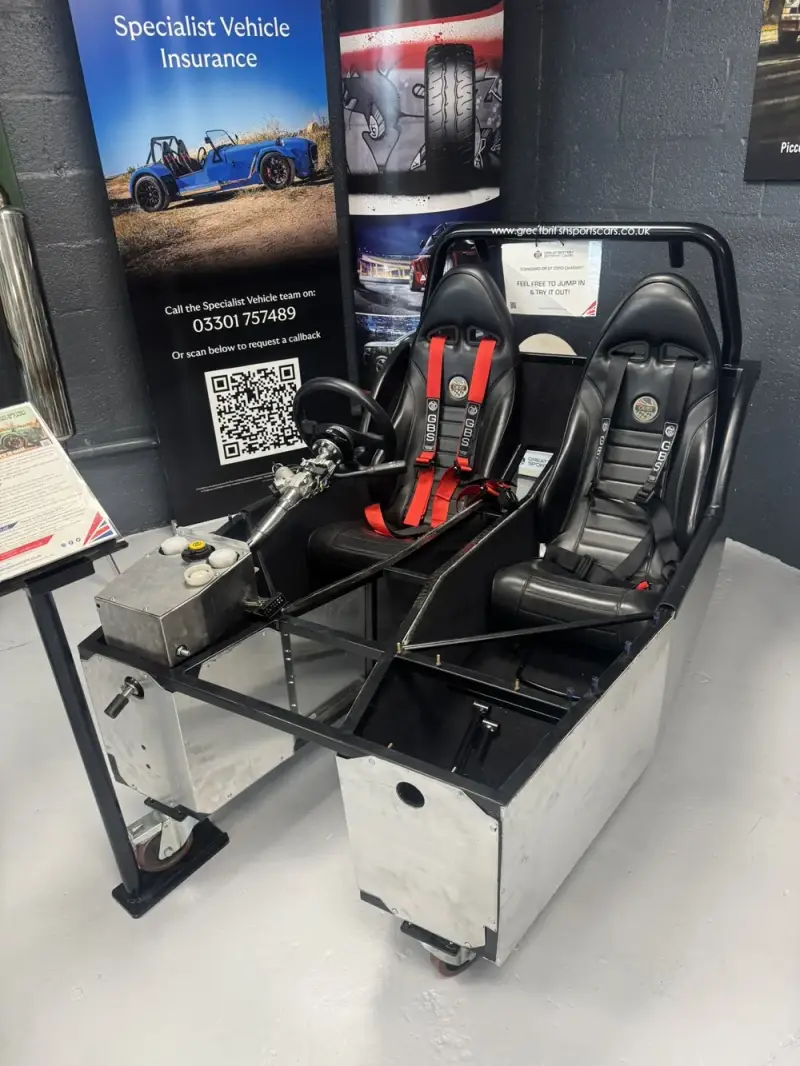
GBS says activity is busy across the factory, with more updates planned as the projects progress and completed Zeros head to their owners. A short video offers another look at the work in progress: Watch the GBS video.