Sanrivatti ONE Targets 800 HP With a Forward-Focused V10 Cockpit
Sanrivatti’s ONE pairs a target 800 hp Judd V10 with a head-forward cockpit; track testing will show whether its visibility claims hold up.
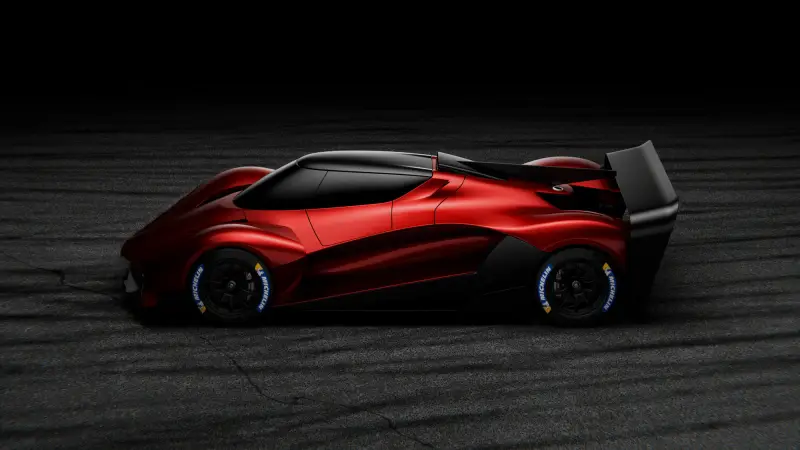
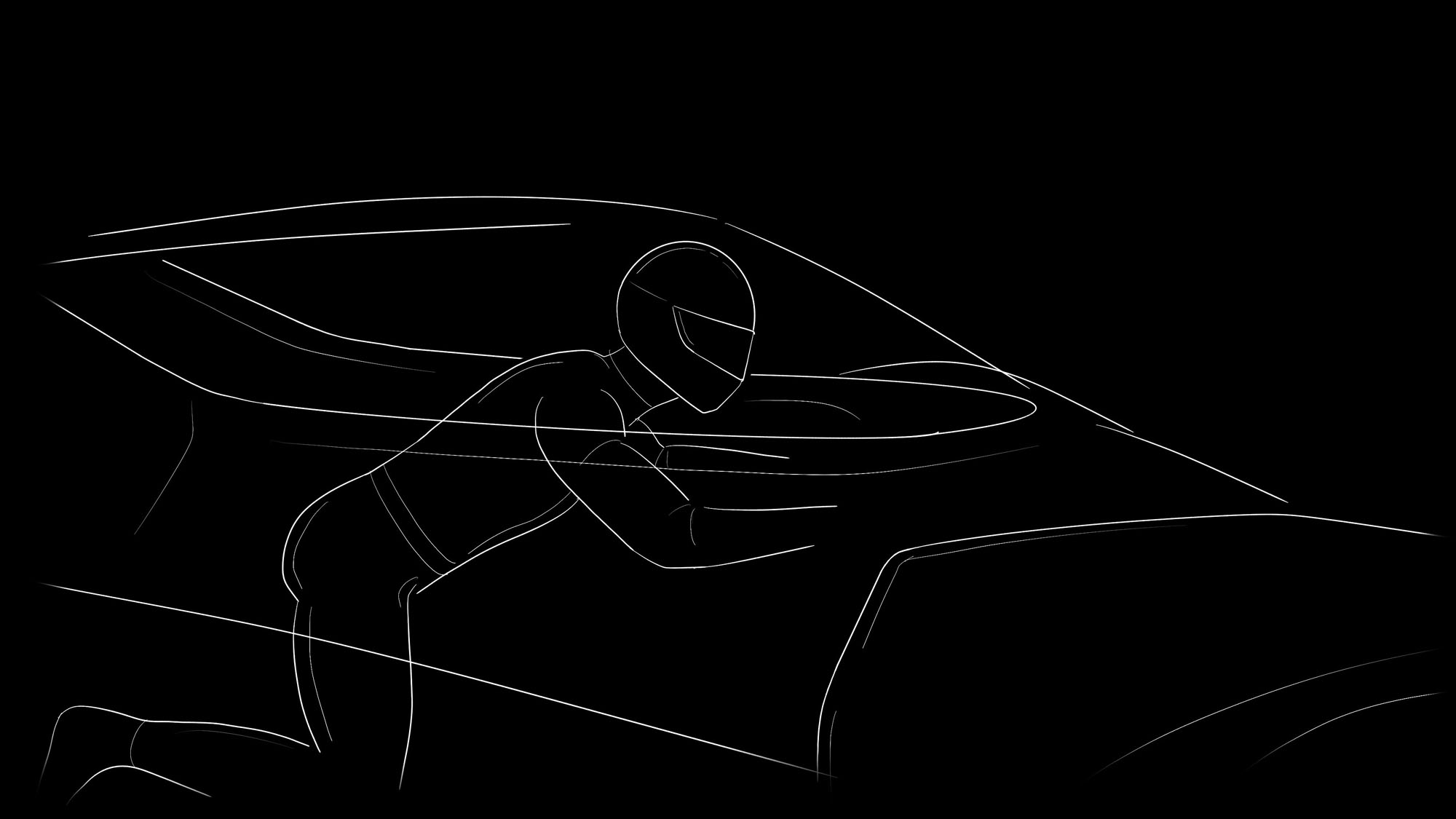
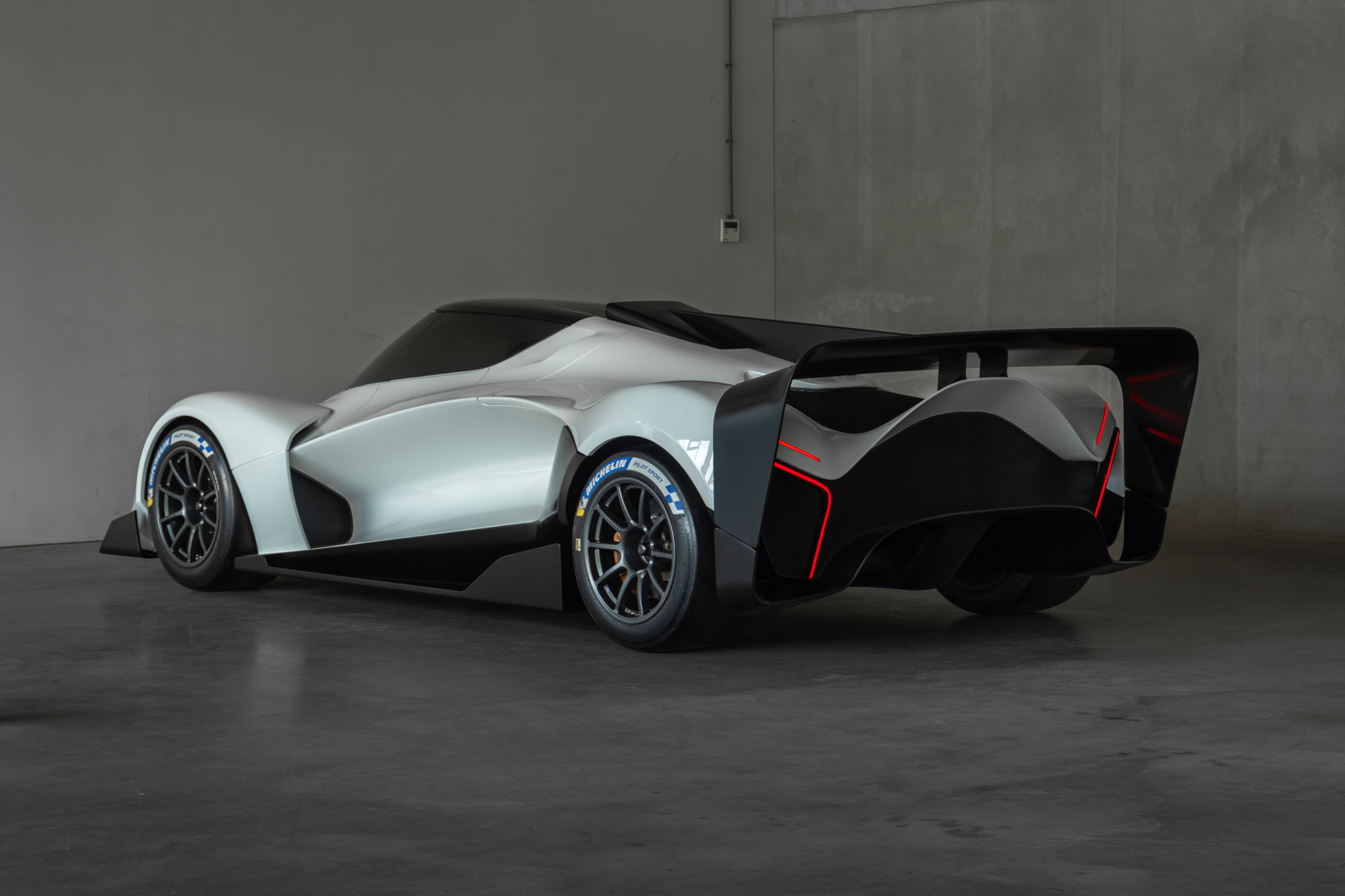
The Sanrivatti ONE makes its biggest departure from familiar hypercar thinking at the driver’s seat. Its proprietary Apex Position puts the driver farther forward and more centrally, in a supported, head-forward posture intended to widen the view and sharpen the sense of connection with the car. The debut vehicle, shown at the company’s Netherlands headquarters on November 13, 2026, is a show car; its performance figures and proposed chassis details still need to be proved on track.

Under the bodywork, the plan is a mid-engined, rear-wheel-drive layout built around a naturally aspirated 5.5-liter Judd V10. Sanrivatti is targeting 800 hp (597 kW) at 9,000 rpm and 700 Nm (516 lb-ft), with a six-speed Hewland sequential gearbox sending power to the rear wheels. That combination suggests a high-revving, driver-involved character, though the company has yet to present a running prototype or verified performance results.
A V10 and a light-weight target
Sanrivatti’s stated dry-weight goal is 1,100 kg (2,425 lbs). Paired with the 800 hp target, that works out to approximately 727 hp per tonne. The projected top speed is 330 km/h (205 mph). Those figures describe the intended specification, not results from a completed car, so acceleration, lap times, cooling performance and durability remain open questions.
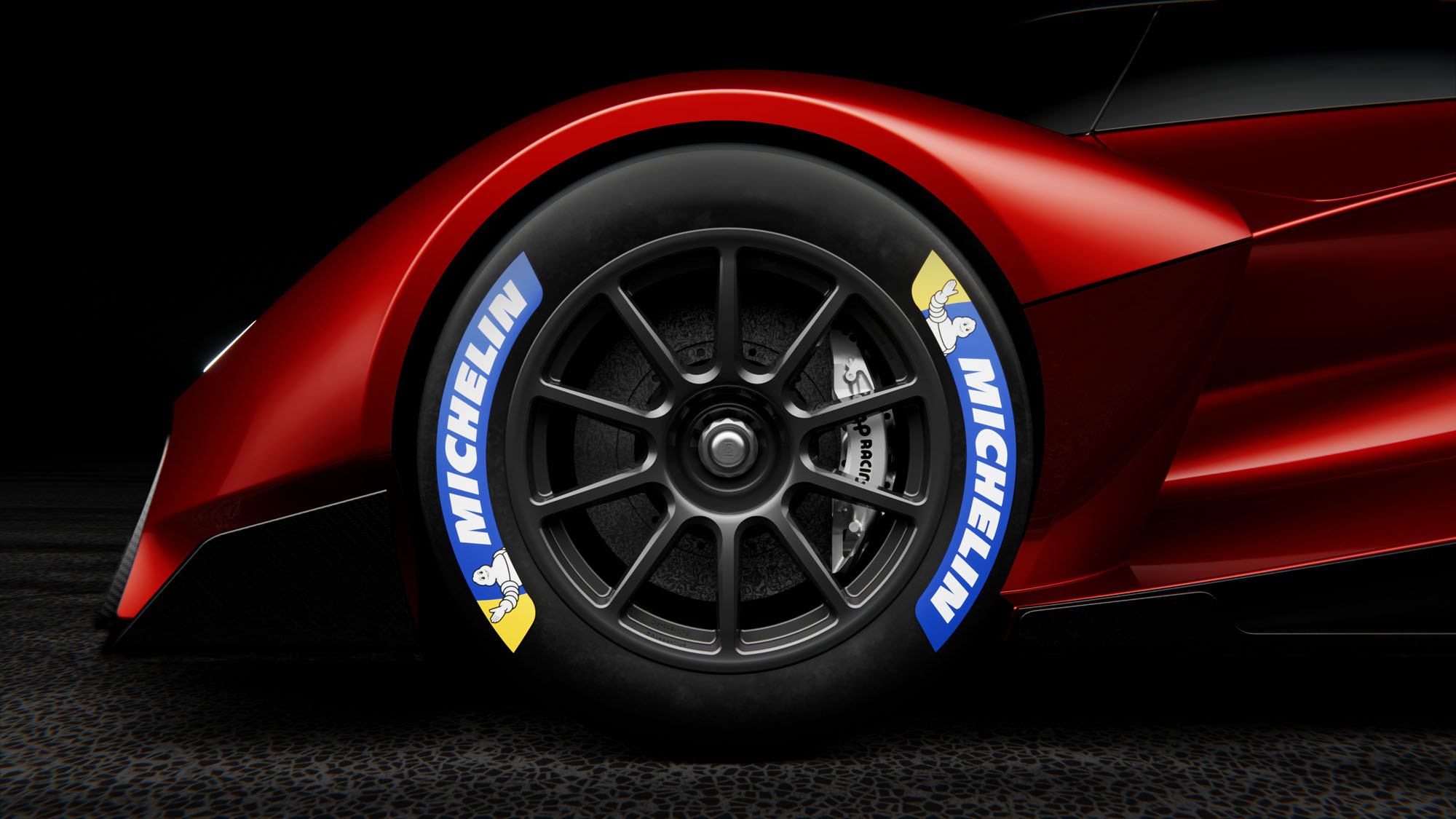
The proposed structure is a carbon-fiber monocoque, with double-wishbone pushrod suspension and independent heave and roll control. That suspension arrangement gives the engineering team separate tools to manage body movement and wheel response, a useful approach for a track-focused car where aerodynamic consistency and tire contact matter. The announced component plan also includes AP Racing ventilated carbon/carbon brakes, forged magnesium-alloy Braid wheels and Michelin slick tires.
Those parts point toward a machine intended for circuit use, but their contribution will depend on the final setup and how the systems work together. Tire choice, suspension tuning, brake behavior and aero balance can all change how a car responds through a corner. Sanrivatti has not yet supplied track data to show how its proposed hardware performs as a package.
Visibility is the central claim
The Apex Position is more than a styling flourish. Sanrivatti says it takes inspiration from high-performance motorcycles and is designed to move the driver forward, supporting a more direct view of the road and track. That could matter in a low-slung car with broad bodywork, where sightlines near the front corners can shape how confidently a driver places the car. The layout will also need to work with the seat, controls and restraint system, details that are difficult to judge from a stationary show car.
For a virtual comparison at Silverstone’s Corner Three, Sanrivatti reported that the position exposed an average of 3.2 times more visible racing surface than ten benchmark hypercars and track cars. It’s an intriguing claim, but it comes from simulation. It doesn’t establish better real-world pace, a faster lap or an easier car to drive at speed. Track testing should reveal whether the added view translates into a practical advantage once the car is moving and the driver is managing braking points, traffic and corner exits.
Bodywork shaped around airflow
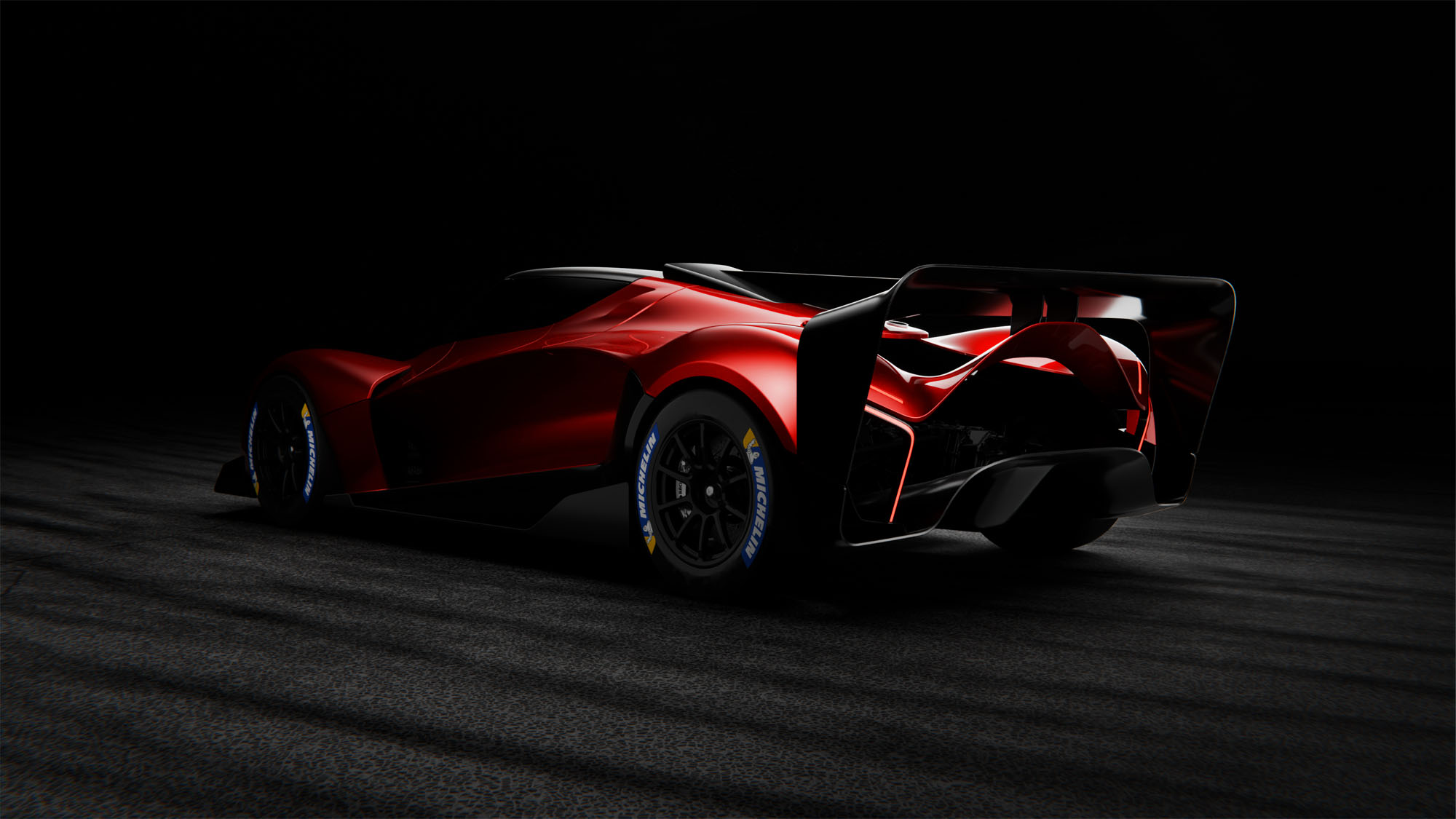
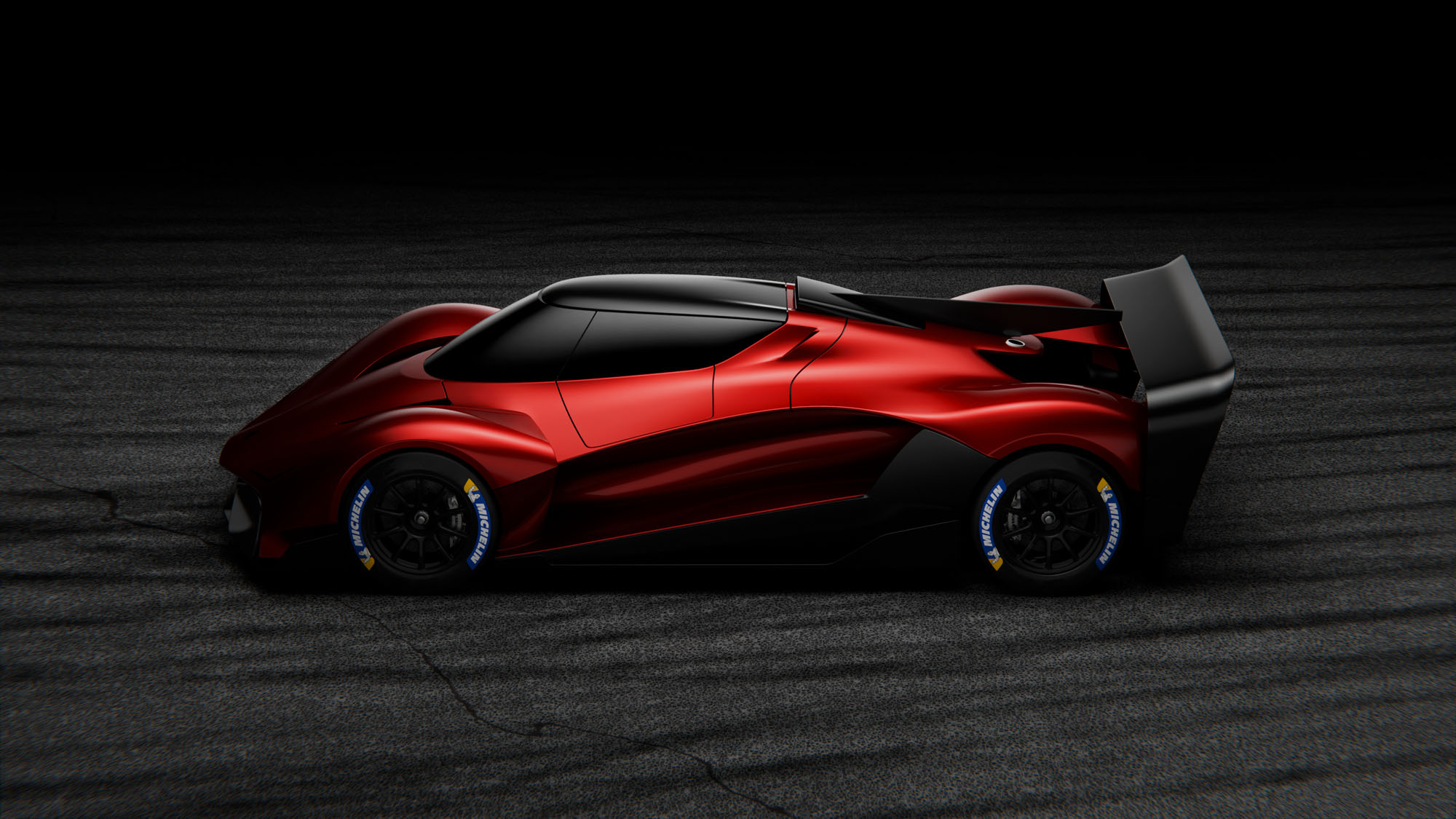
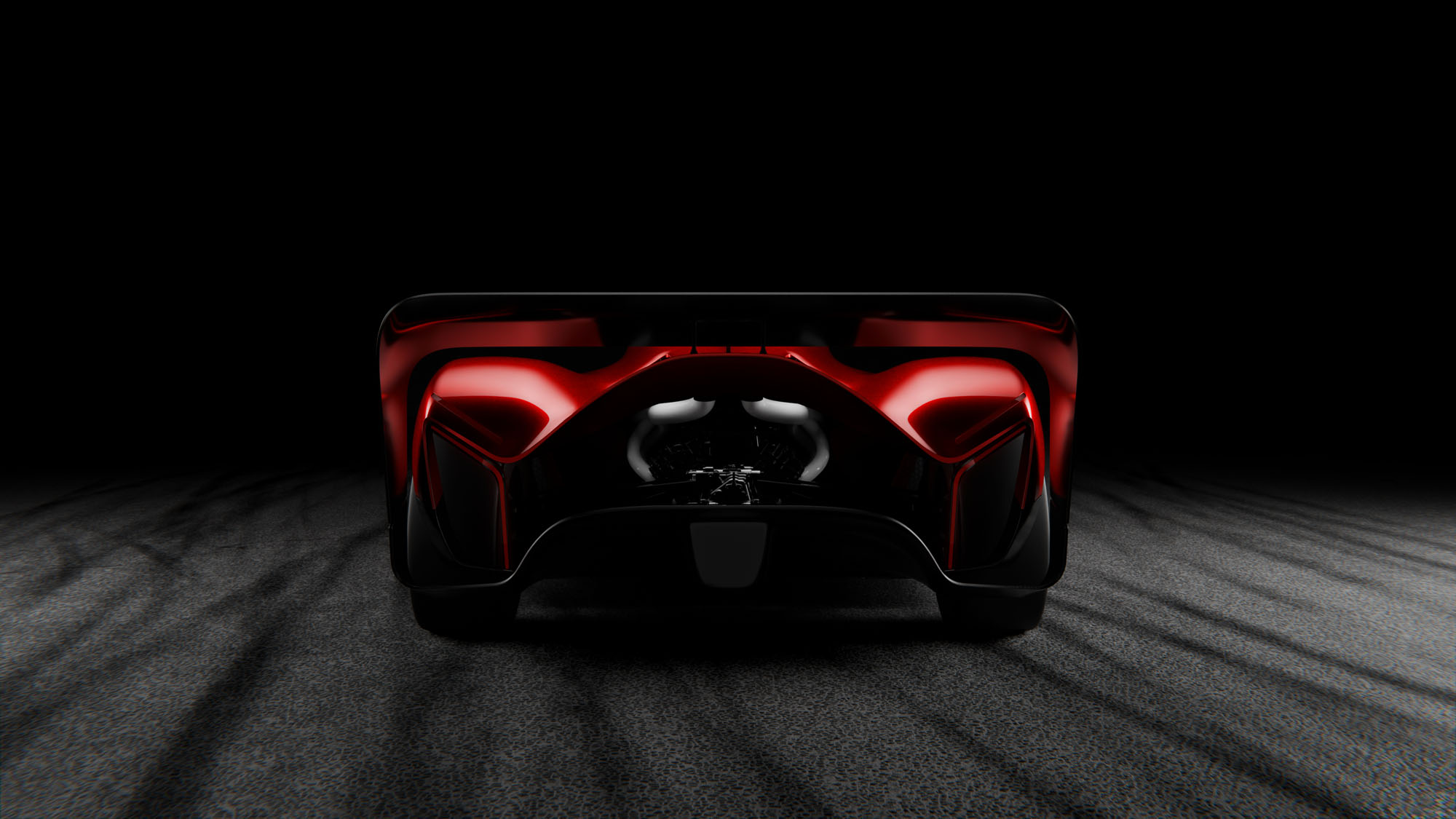
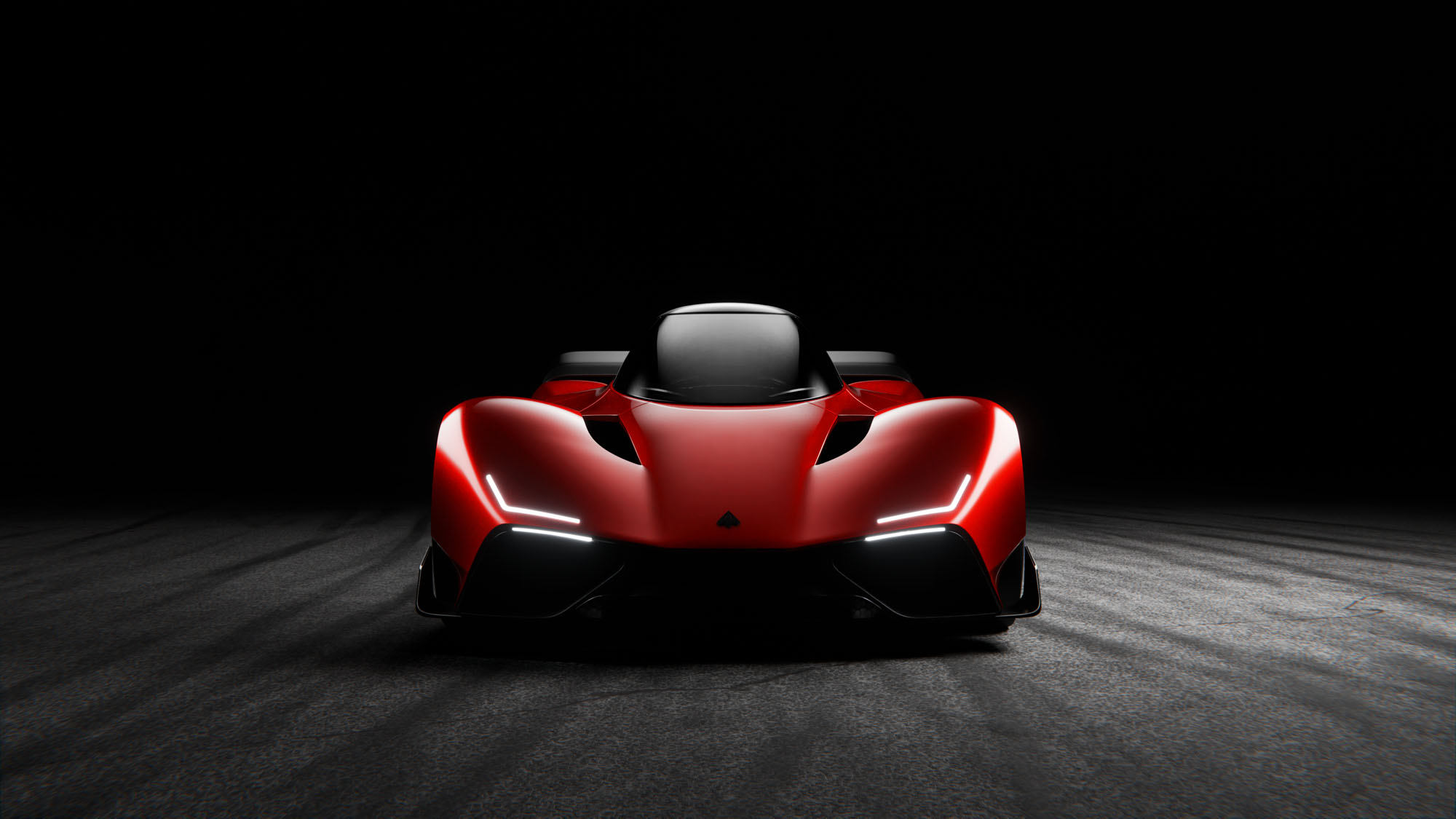
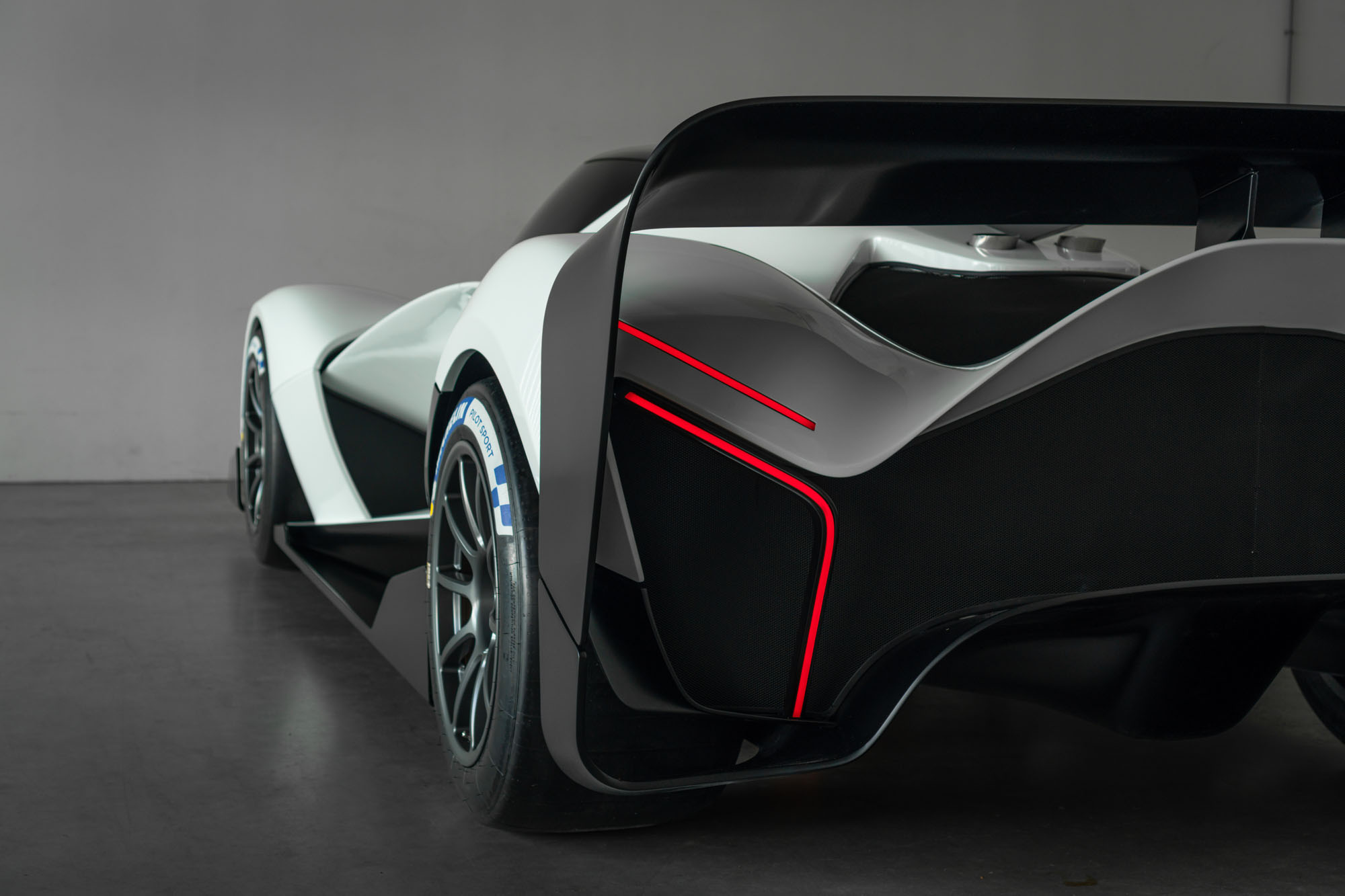
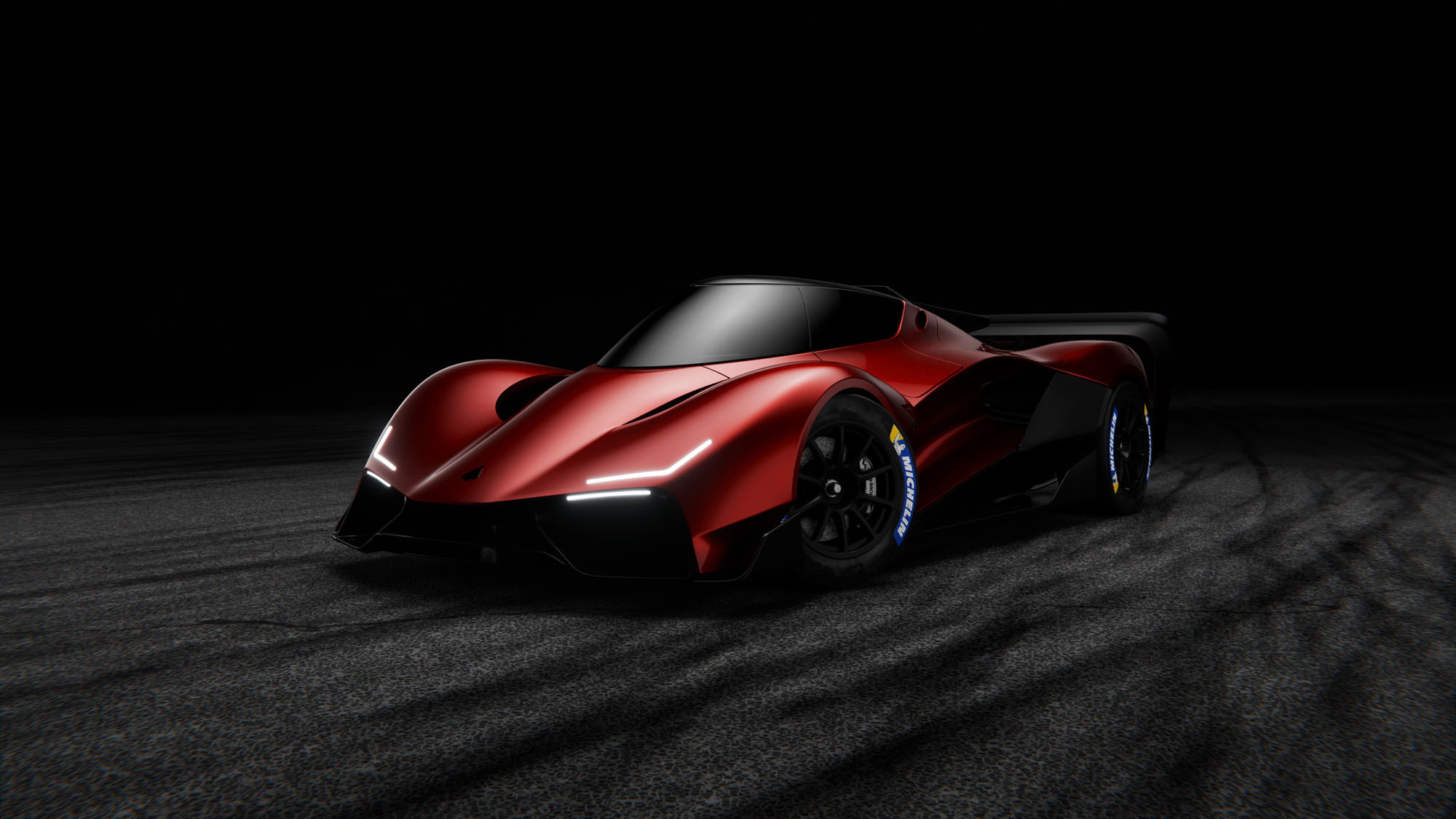
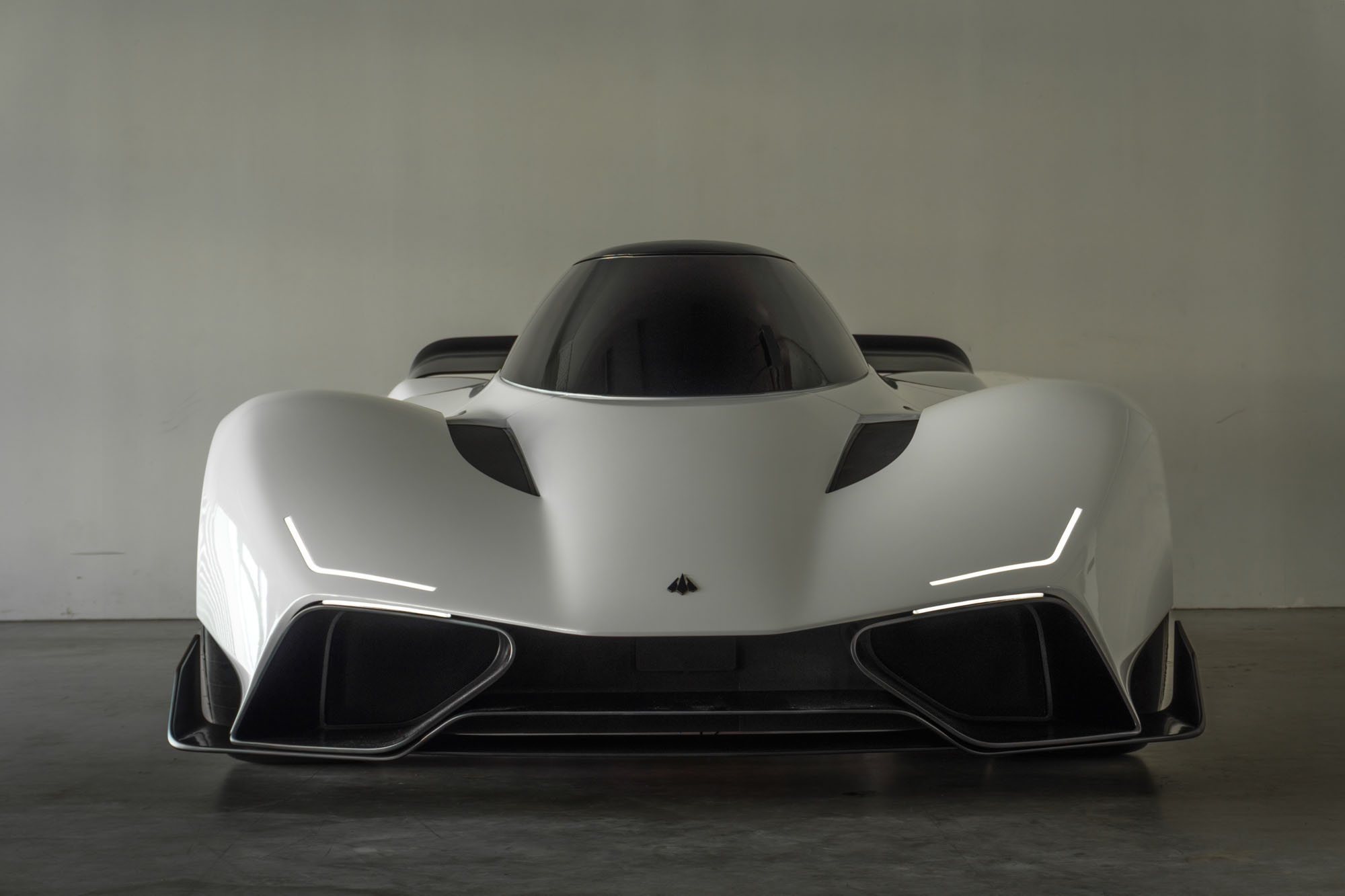
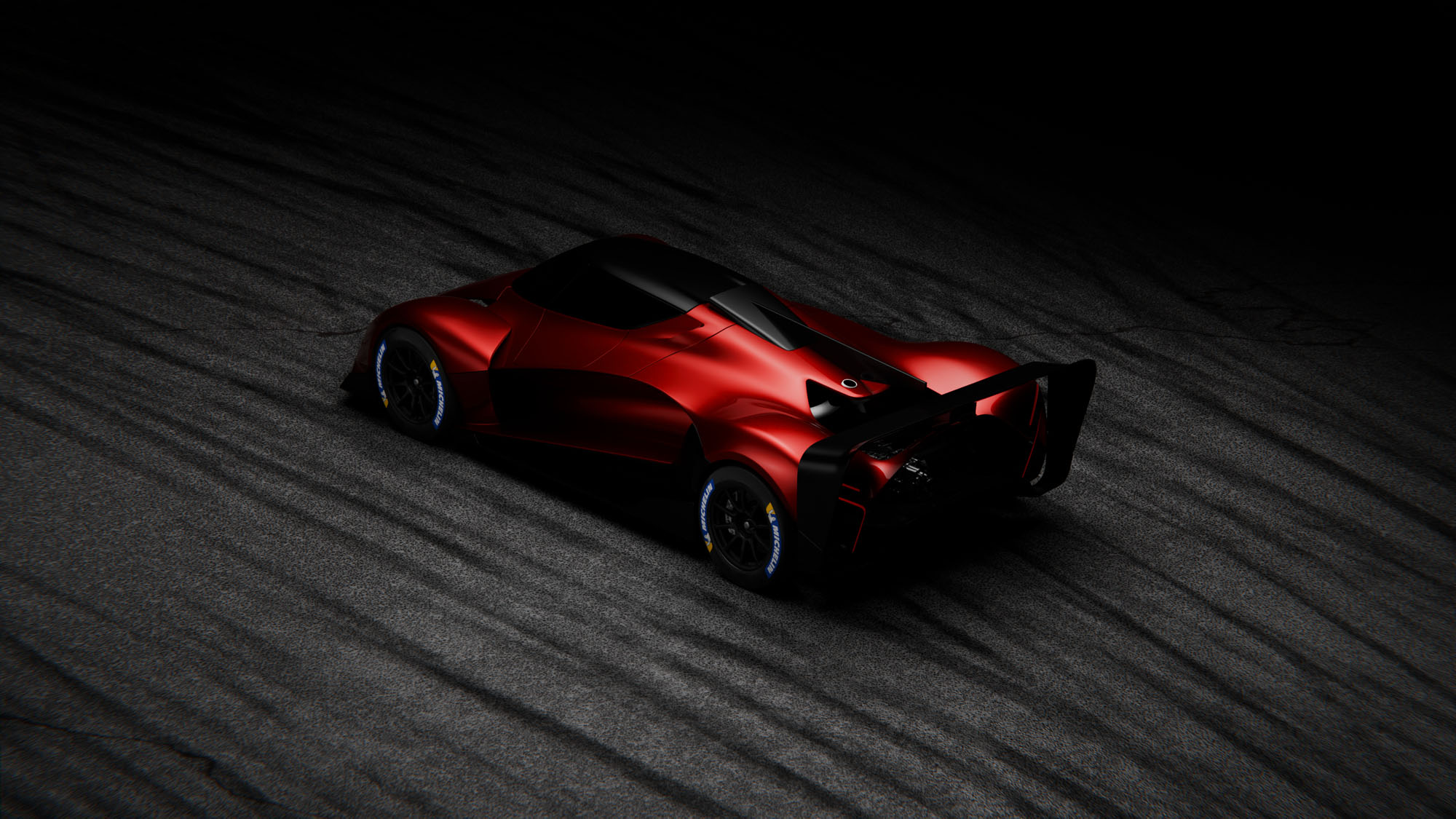
Designed under Robin van Tilborg, the ONE draws on peregrine falcons and fighter aircraft for its visual direction. A single-piece canopy sits above through-body front air tunnels, pronounced front shoulders and open rear bodywork. At the tail, a large rear wing rises above the diffuser, while an integrated lip spoiler adds another surface to the aero package.
The cockpit’s forward position influences the car’s proportions, while the tunnels and open rear are intended to guide air and help manage engine heat. That makes the bodywork part of the mechanical proposition, not just a dramatic shell. The balance between downforce, drag and cooling will be clearer once Sanrivatti has a running prototype to test. For now, the design shows the airflow paths the team wants to explore, rather than a confirmed aerodynamic result.
The next proof point is a running car
Founder and CEO Santiago Sánchez Rivero announced the project’s ambitions in May 2026. The engineering team includes Paul Arkesden, whose earlier experience includes Singer Vehicle Design, McLaren Special Operations and the McLaren P1 program. Sanrivatti is now developing a bespoke running prototype ahead of track testing.
Production numbers, pricing, customer availability and final specifications have not been shared. The immediate test is whether the prototype can bring the V10, sequential gearbox, lightweight target, proposed suspension and Apex Position together in a coherent track car. Until that work is done, the ONE is best read as a distinctive engineering direction with ambitious targets. Its visibility concept is the idea to watch; real seat time will determine whether that unusual posture earns its place alongside the hardware.
Sanrivatti ONE: stated targets and proposed hardware
| Debut | November 13, 2026 |
| Engine | 5.5-liter naturally aspirated Judd V10 |
| Target output | 800 hp at 9,000 rpm |
| Target torque | 700 Nm (516 lb-ft) |
| Transmission | Six-speed Hewland sequential |
| Layout | Mid-engine, rear-wheel drive |
| Target dry weight | 1,100 kg (2,425 lbs) |
| Projected top speed | 330 km/h (205 mph) |
| Chassis | Carbon-fiber monocoque |
| Proposed suspension | Double-wishbone pushrod, independent heave and roll |
| Proposed brakes | AP Racing ventilated carbon/carbon |
| Proposed wheels and tires | Forged magnesium-alloy Braid wheels; Michelin slick tires |
| Driving position | Proprietary Apex Position |
| Production and pricing | Not announced |
All performance figures remain development targets, and several chassis components are proposed specifications. The next meaningful measure will be what the running prototype delivers when Sanrivatti takes it to the track.