Alex Staidle’s Hand-Drawn Shopify Le Mans Race Car Heads to SEMA
Alex Staidle built a detailed pen-and-ink portrait of Shopify’s #14 Le Mans Oreca LMP2, working its flowing shape and digital camouflage by hand.
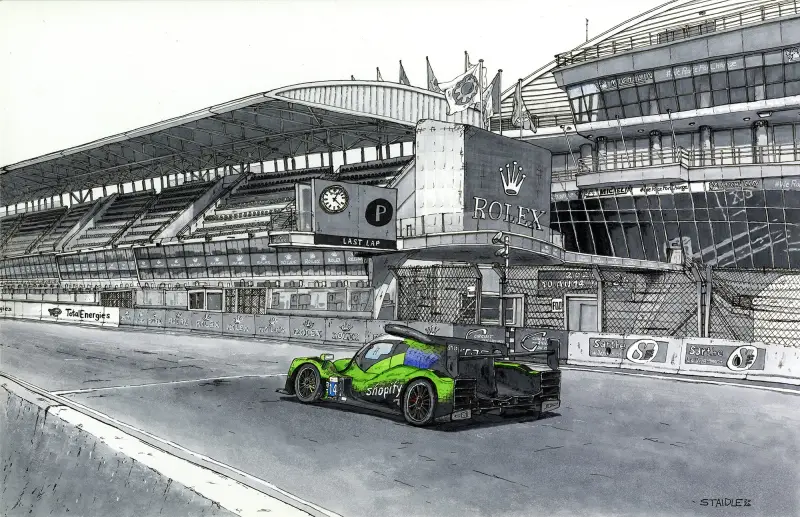
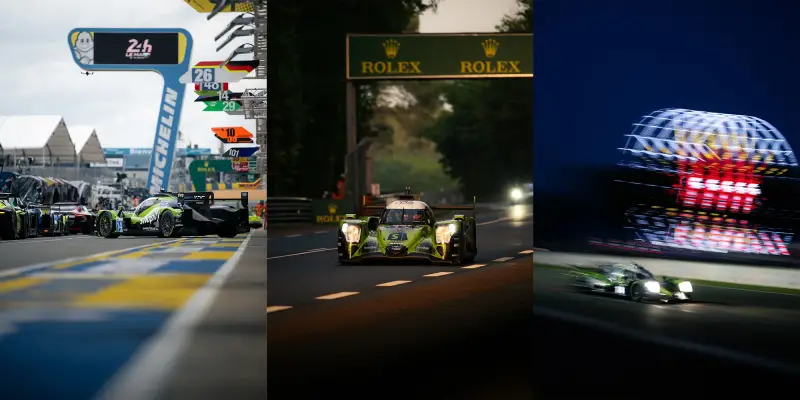
Alex Staidle’s drawing of Shopify’s #14 TDS Racing Oreca LMP2 has a built-in tension: the real car is shaped by precision, while his version depends on a steady hand and an eye for proportion. The one-off artwork commemorates Shopify founder Tobi Lütke’s debut at the 24 Hours of Le Mans in June. Petrolicious appears on the car’s livery, and the drawing will feature on a special edition of The Petrolicious Post at the Shopify booth during the SEMA Show in Las Vegas, November 3 through 6.
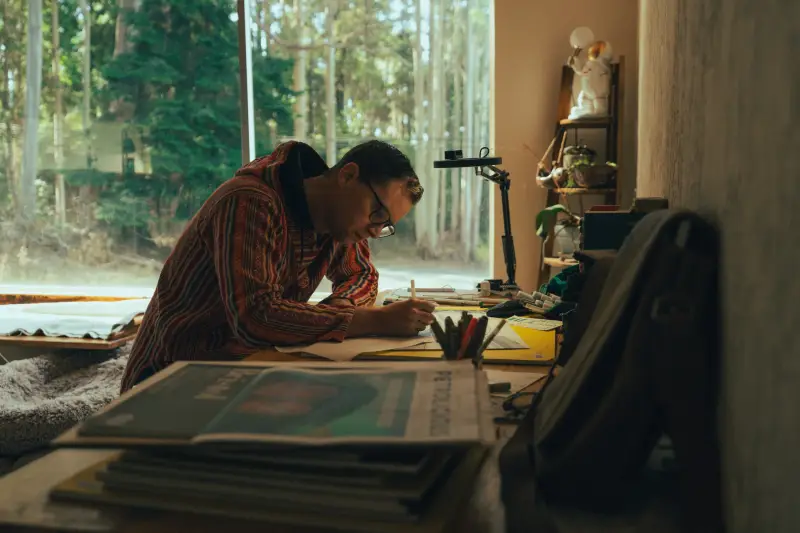
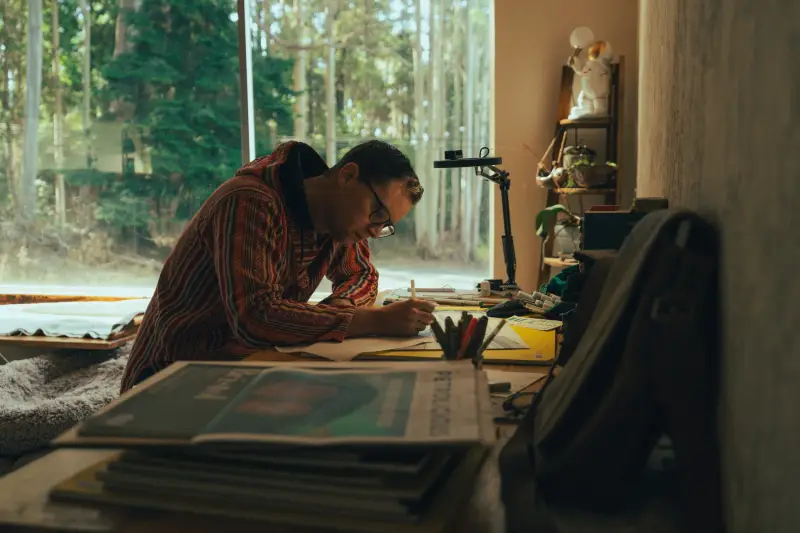
That drawing marks a long way from Staidle’s first experience selling art. At a local art show, he expected to take his work home and leave it in a closet. Then he noticed a blank space on the wall. When he asked about it, someone told him the piece had sold. A second drawing sold at the same show, but he initially treated that sale as another fluke. The response turned out to be real enough to keep him drawing.
Staidle began drawing only three or four years ago, after a working life that included mechanical engineering school and air traffic control, followed by a healthcare job in Gualala, on California’s Mendocino coast. He counts the healthcare role as his third career. He also spent time organizing rallies and co-driving them, and he didn’t have a shop of his own until he was nearly 40. Cars have stayed in the picture through those changes, but drawing gives him a way to spend time with them without taking over the driveway until two in the morning.
From rough car sketches to deliberate lines
Painting didn’t suit the way Staidle wanted to work. He was drawn to a car’s small details, and paint wasn’t giving him the control he wanted. Pen and ink did. He taught himself with online resources, starting with what he calls “atrocious” first attempts. A practical change helped: before inking, he began sketching a three-box structure and marking a few landmarks. That rough framework gave him a way to organize the car’s proportions before committing to the lines.
His goal isn’t to reproduce every flaw until a drawing could pass for a photograph. Staidle believes that kind of detail can miss what makes a particular car recognizable. He wants viewers to identify the model, and perhaps its year, from the way he captures its form and character. That balance matters on a racing prototype, where flowing surfaces offer fewer of the clear seams and corners he prefers to draw.
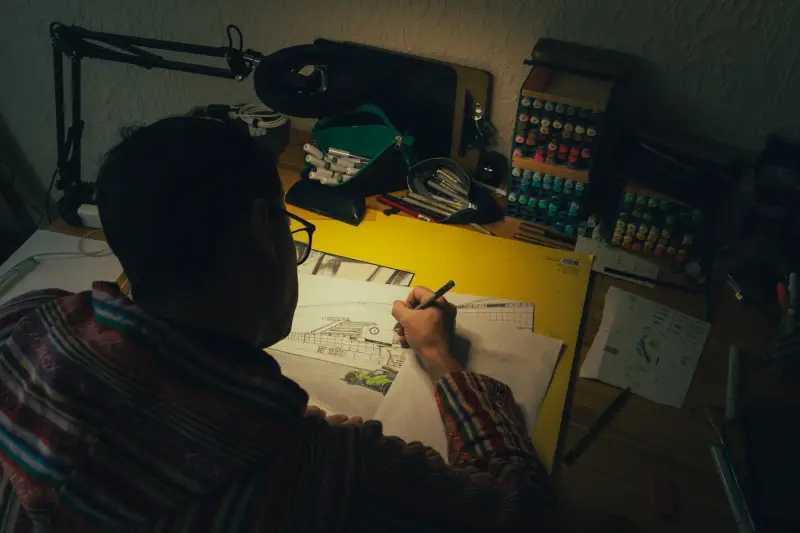
The Oreca added another challenge: its digital camouflage. Staidle built the pattern from small squares, each placed by hand. He had about 10 days to finish the piece, with much of that time already committed to his day job. He describes himself as a slow artist, and the deadline made the hand-built pattern a substantial part of the job.
Ink first, color last
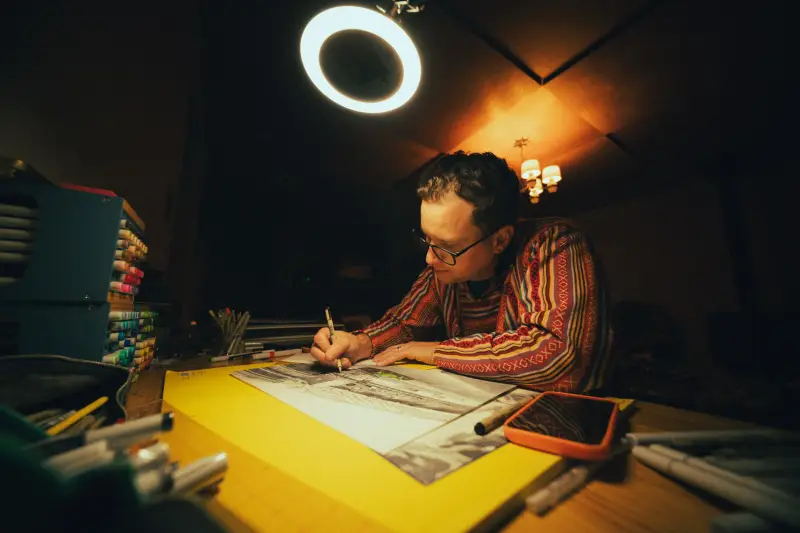
A small drawing can take four hours; a large one can take as many as 50. Staidle doesn’t complete them in a single sitting. He starts with the black ink lines, then adds color with markers at the end, working quickly through that final stage. For a long time, he kept his drawings black and white. His wife encouraged him to try full color, adding a new option to the process without changing its physical, hand-drawn foundation.
Each finished piece is scanned. Staidle doesn’t use vector images: the original lines and color are made on paper, with the time and small decisions that entails. For this car, the camouflaged surfaces make that approach especially visible. The pattern’s repetition comes from individual marks, not a digital repeat, and the finished drawing retains the character of a person working directly on the page.
A loose method for getting the proportions right
Staidle doesn’t keep a ruler or tape measure on his desk. When he needs one part of a drawing to match another in size, he uses a sticky note marked with two ink dots as a reference, then freehands the rest. Lines stay where they land. He describes the process as feeling things out rather than measuring them.
That choice gives the work its own kind of mechanical contrast. The real Oreca’s surfaces were measured and refined in the course of building the car; Staidle’s drawing comes together through observation and judgment. He knows parts may sit a little off, yet the picture can still read as the right car. That’s the point: recognizable shape and personality matter more here than drafting precision.
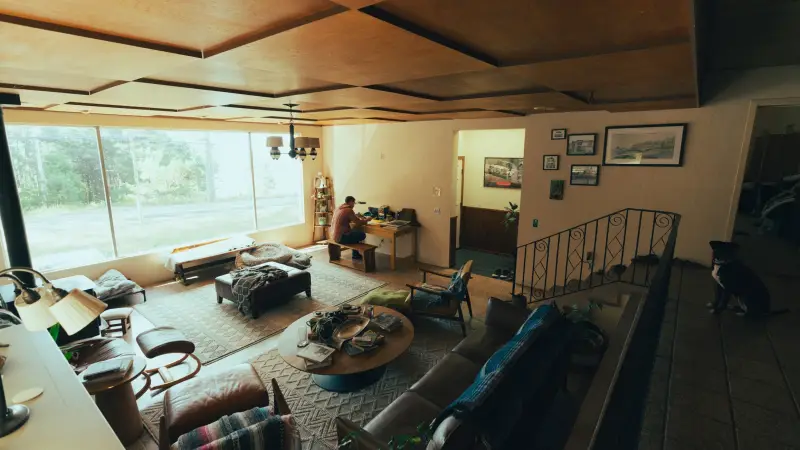
There’s a practical link between Staidle’s art and his online work, too. His own store runs on Shopify, a platform he chose after doing his own research. He remembers the last website he built as an HTML 4 project and wanted a tool that would let him get back to drawing. Petrolicious also runs a Shopify store and uses Shopify Collective to put artists’ work in front of its readers. Staidle describes the arrangement as a co-op: Petrolicious has a wider reach than an artist working from Gualala alone, and someone who encounters the drawing in The Petrolicious Post can find his work to buy.
The SEMA display brings the full-size race car and Staidle’s painstaking interpretation into the same setting. One comes from measured surfaces and engineered bodywork; the other comes from ink, markers, reference dots and practiced judgment. Seeing them together should make the differences in their proportions easier to spot—and show how a hand-drawn line can catch a car’s character without copying every measurement.


