Steve Dziadik’s How’s My Driving? Connects Defensive Driving With Real Road Experience
Former driving school owner Steve Dziadik draws on training, insurance work and personal experience to examine attention and defensive driving.
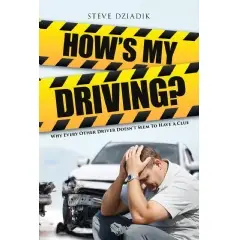
Steve Dziadik’s How’s My Driving? puts driver attention and preparation at the center of a practical discussion about road risk. Dziadik draws on decades behind the wheel, 12 years running a driving school, and work as a Senior Licensed Sales Producer in property and casualty insurance. That combination gives the book two useful angles: what drivers do in the moment, and how risk is considered when a crash has consequences beyond the vehicle itself.
The book’s central concern is overconfidence and inattentive driving. Dziadik uses personal experiences, including life-threatening accidents and the loss of an unborn child, to show how decisions made in an instant can have lasting effects. Those experiences give the subject a personal weight that a list of driving rules alone can’t carry. They also explain why the book asks readers to examine their habits instead of assuming that experience automatically makes them attentive.
Experience Behind the Advice
Dziadik says he has been driving since age seven. He later trained thousands of new drivers while operating a driving school, then brought an insurance perspective to his work as a licensed sales producer. He also retired from operating a commercial nuclear-powered electrical plant. The source does not connect that work directly to his driving instruction, but it forms part of the varied professional background he brings to the book.
For readers, the driving school experience is especially relevant: teaching new drivers requires breaking familiar road decisions into choices that can be noticed and discussed. A driver may know the mechanics of steering, braking and signaling yet still overlook how attention can drift or how confidence can outpace awareness. Dziadik’s focus on preparation and defensive driving addresses that gap. The practical value lies in making routine habits worth reviewing, even for people who have been driving for years.
His insurance work adds another dimension. Understanding insurance and managing risk are among the subjects covered in the book. That context matters because a collision can involve costs and complications beyond immediate vehicle damage. Dziadik’s stated aim is to help readers think ahead about exposure and prevention, rather than treating a crash as an abstract possibility.
Attention Is a Driving Skill
Defensive driving depends on sustained attention: noticing what is happening around the vehicle, allowing for the possibility that conditions may change, and choosing actions with enough margin to respond. The book’s emphasis on inattentiveness points to a basic but easy-to-neglect part of driving. Familiar roads and repeated routines can make a trip feel automatic; that feeling doesn’t remove the need to keep observing and making decisions.
Preparation belongs in the same conversation. A driver who thinks ahead about the trip and stays alert to changing circumstances has more opportunity to respond than someone who reacts only after a hazard becomes immediate. The book presents awareness as something drivers can work on, rather than a trait reserved for naturally confident people. One reader described finding helpful tips for awareness and defensive driving, particularly useful for someone who feels anxious behind the wheel. Another said Dziadik’s experiences and advice made them more aware of their surroundings while driving.
Those reactions point to different reasons readers might pick up the book. An anxious driver may want a clearer framework for thinking about risks and choices. A more experienced motorist may use the personal stories as a prompt to reconsider routines that have become second nature. The source does not detail the book’s individual exercises or specify a particular driving method, so its appeal rests on the combination of personal accounts, driving guidance and discussion of insurance and risk.
A Personal Case for Better Habits
Dziadik says he wrote the book in the hope that even one reader might avoid a disastrous crash. That goal shapes the material: the stories are meant to make the stakes tangible, while the guidance encourages readers to take practical steps. The book’s strongest premise is straightforward. Driving experience is valuable, but it doesn’t make anyone immune to distraction, poor judgment or changing conditions.
For an enthusiast or home mechanic, attention to a vehicle’s condition is often part of responsible ownership. Dziadik’s subject shifts that attention to the person behind the wheel: preparation, awareness and choices during a drive. Mechanical readiness and driver readiness serve different purposes, but both affect how well a trip can be managed. His book asks motorists to treat their own habits as something they can inspect and improve.
How’s My Driving? is available through Amazon and other major online retailers. Information about Dziadik and his work is available at stevedziadik.com. For readers, the clearest takeaway is to make attention an active part of every drive, rather than assuming experience will take care of it.


