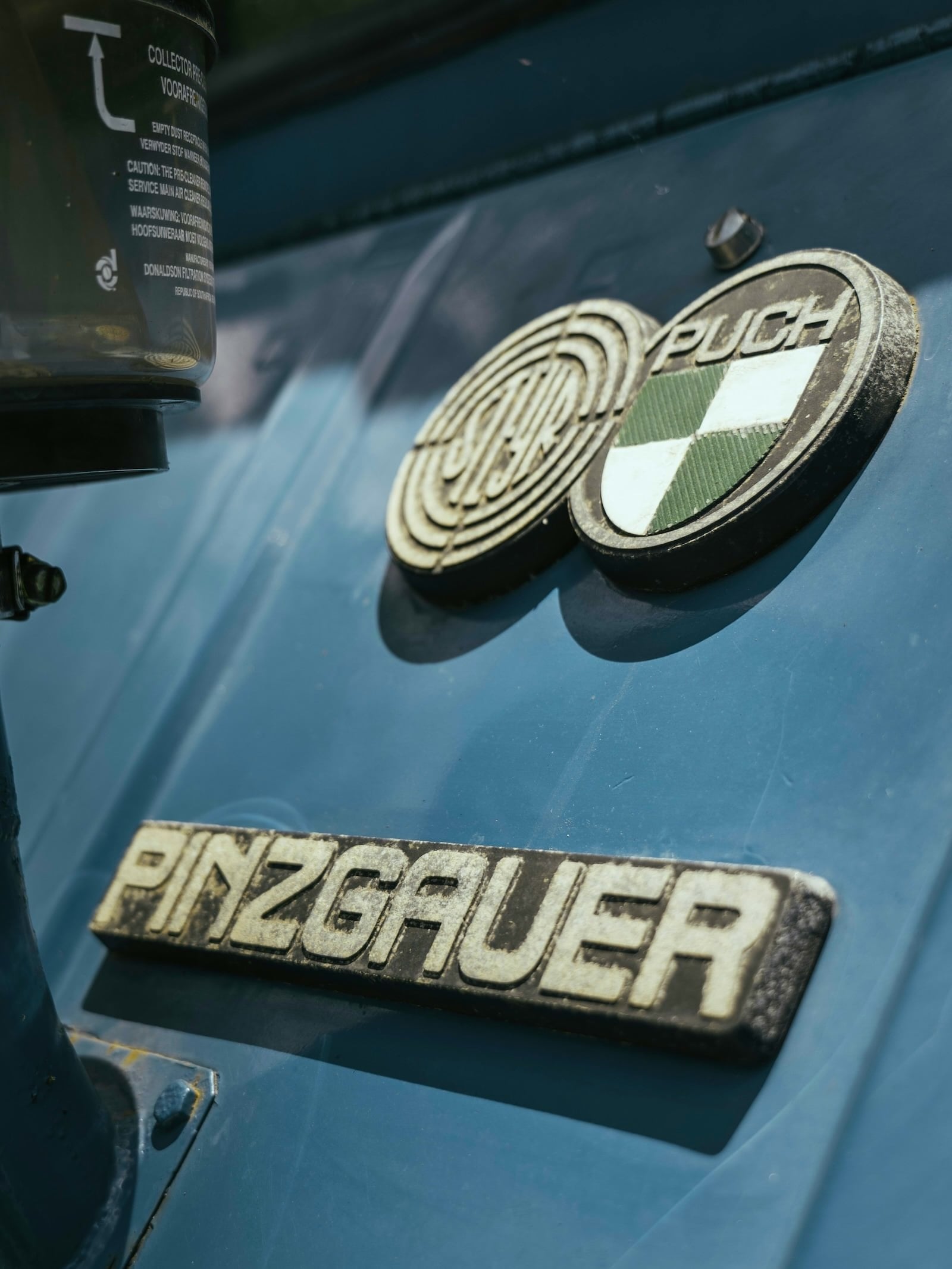
1978 Steyr-Puch Pinzgauer 712K: Austrian 6×6 With Malaysian Military Roots
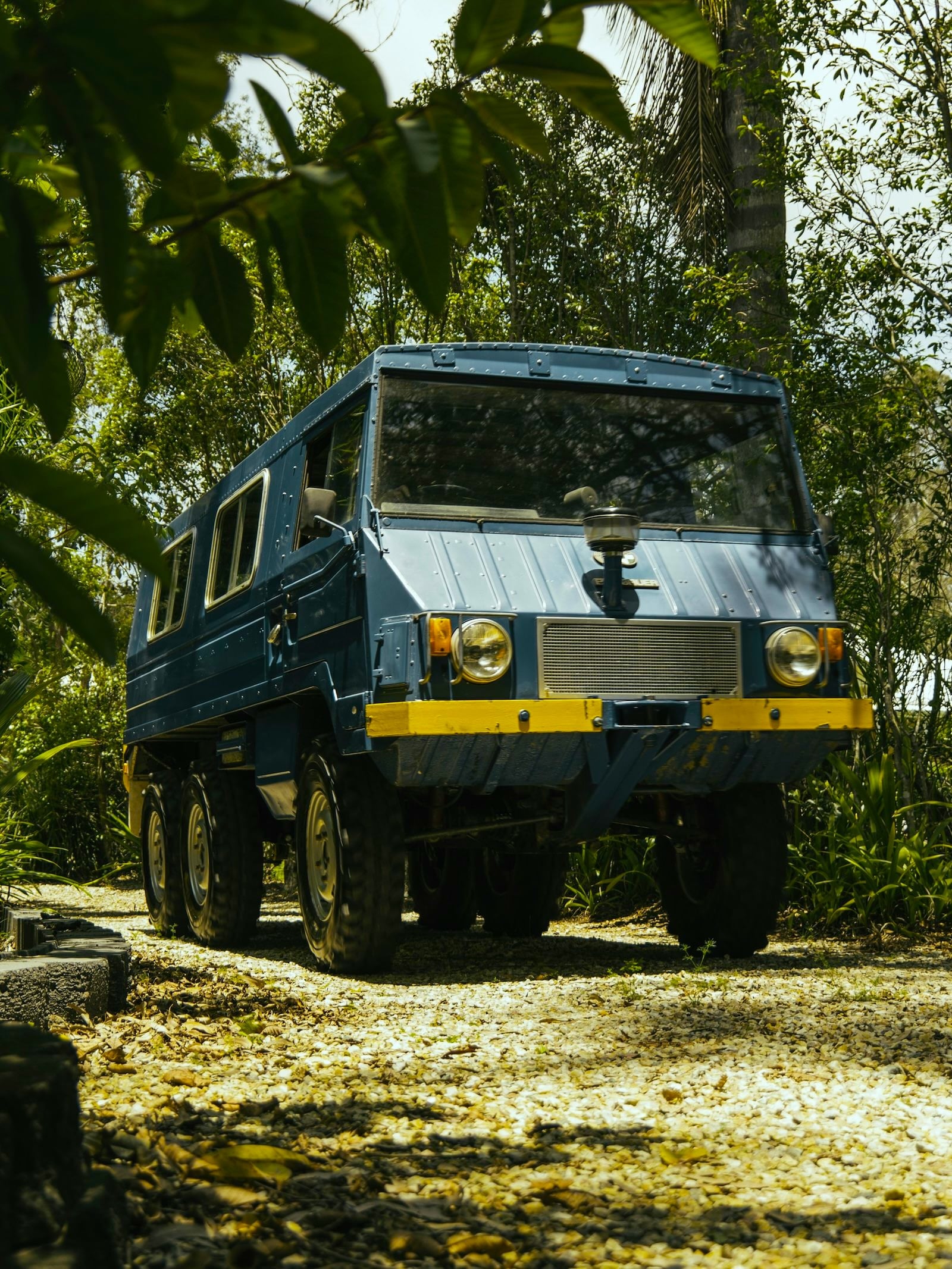
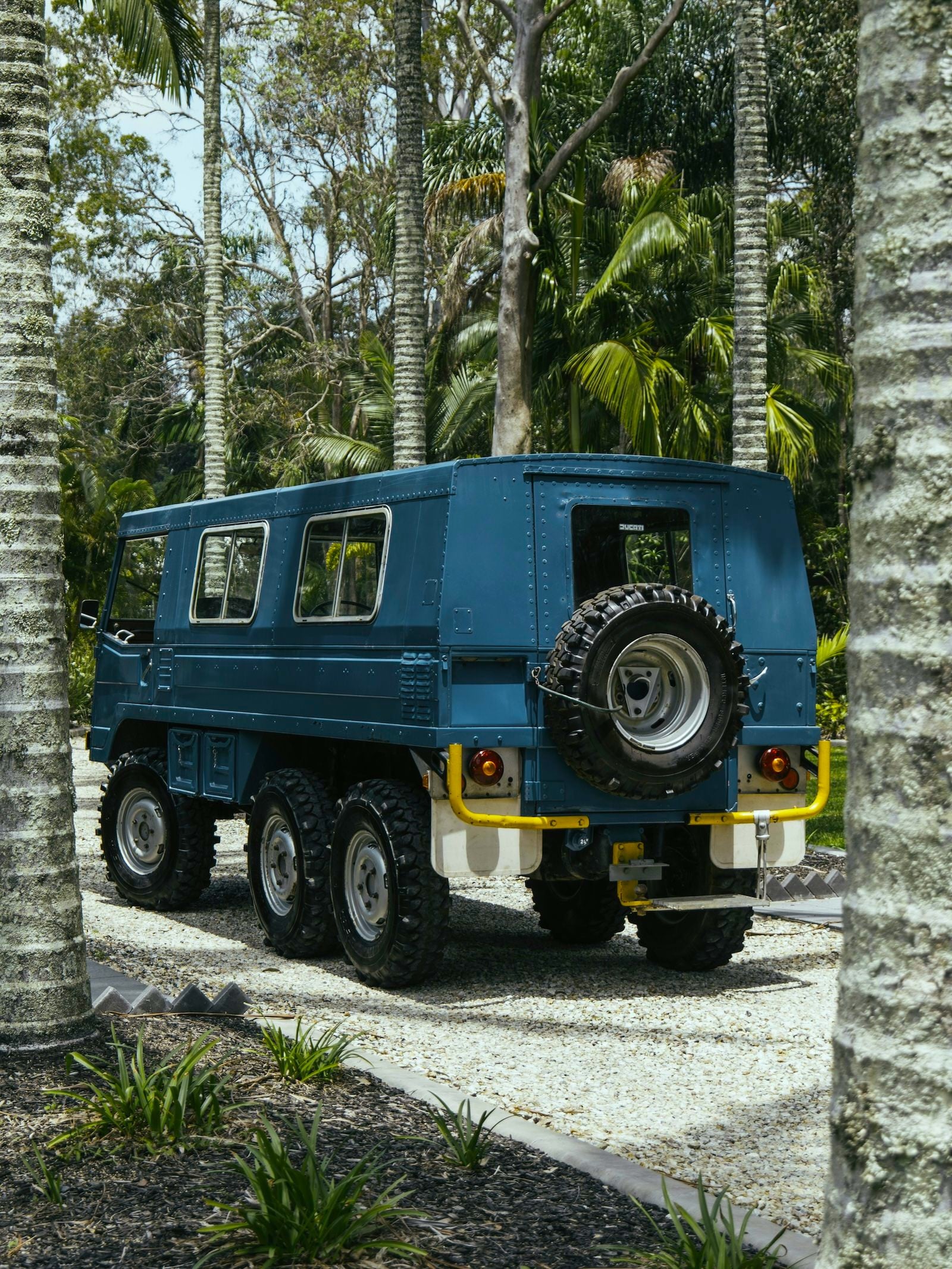
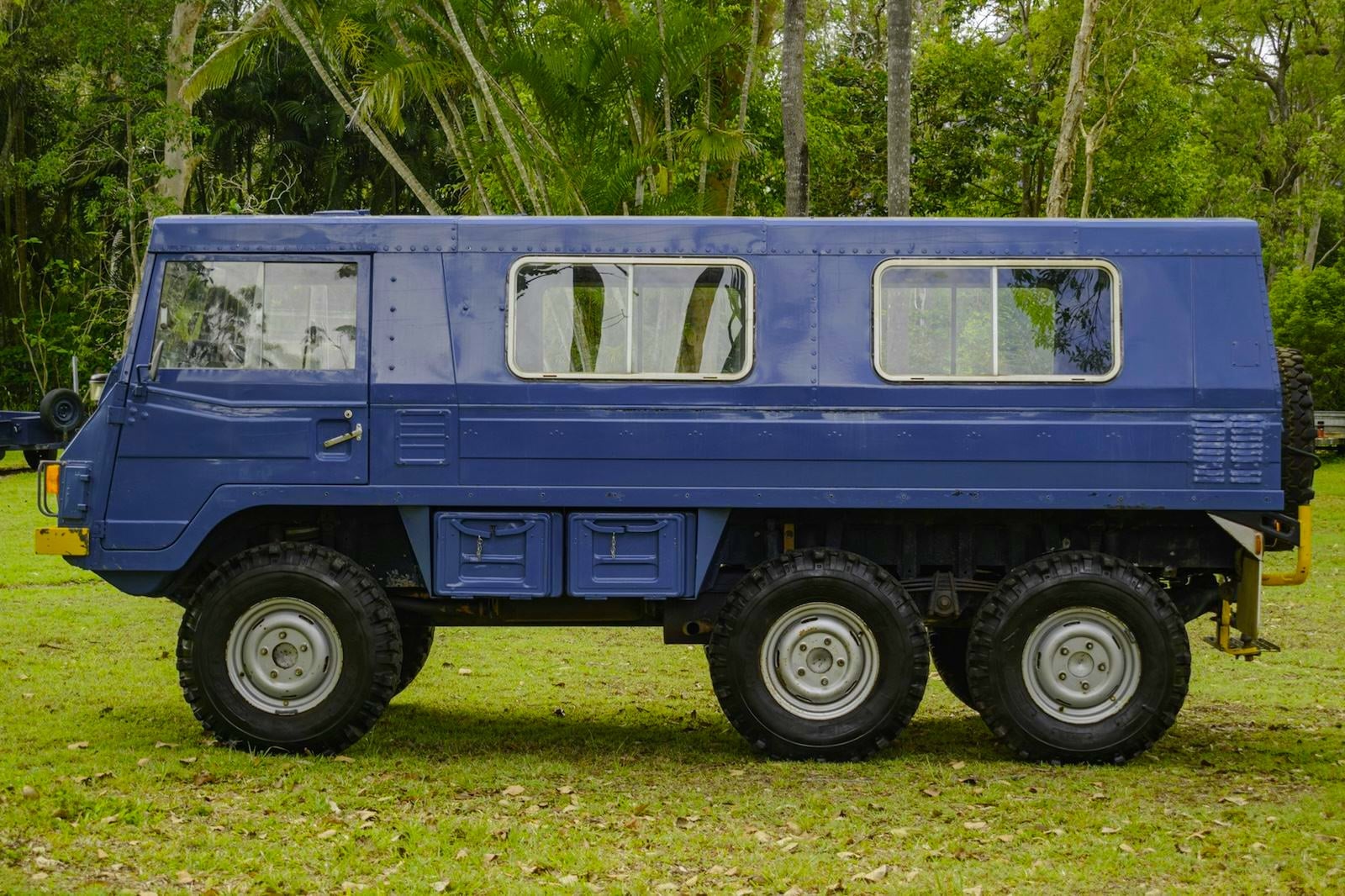
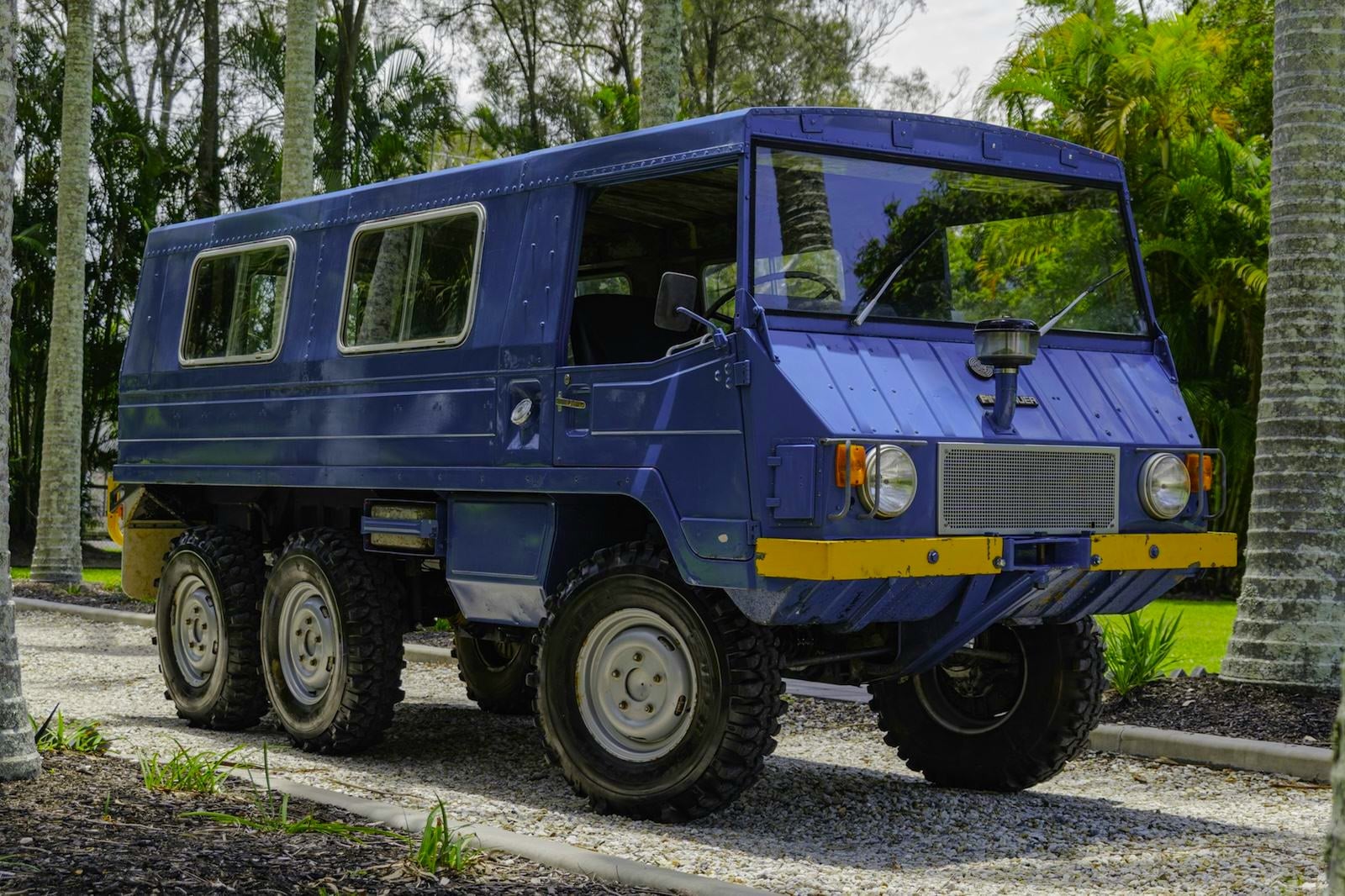
This Australian-registered 1978 Pinzgauer 712K pairs portal axle hardware and six-wheel drive with a custom steel cargo cover and recent mechanical work.
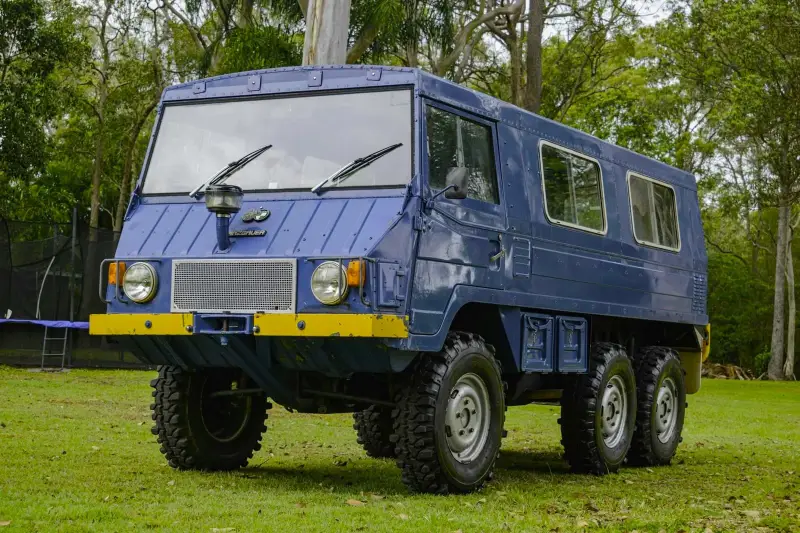
The 1978 Steyr-Puch Pinzgauer 712K earns its overlanding appeal through engineering, not excess power. This six-wheel-drive truck combines a central backbone chassis, portal hubs and locking differentials with a compact air-cooled petrol engine. The example shown here adds a custom steel cargo cover, a distinctive Malaysian-service history and a reported round of mechanical attention, making it a strong base for an expedition build.

Austrian design, built for rough ground
Steyr-Daimler-Puch developed the Pinzgauer in Graz as a larger, more capable successor to the Haflinger. Development began in 1962, and a four-wheel-drive prototype appeared publicly in 1965. Production started in 1971, with the first generation offered as the 710 4×4 and 712 6×6. The name comes from the Pinzgauer horse, a hardy breed associated with the Austrian Alps.
Engineer Erich Ledwinka carried forward a layout he had developed for the Haflinger: a load-bearing central tube, drive housings attached at its ends, swing axles and independent suspension at every wheel. The concept also reflected the engineering tradition of his father, Hans Ledwinka, with whom Erich had worked at Tatra. That backbone arrangement keeps the driveline protected and gives the Pinzgauer a distinctive mechanical foundation for travel over broken terrain.
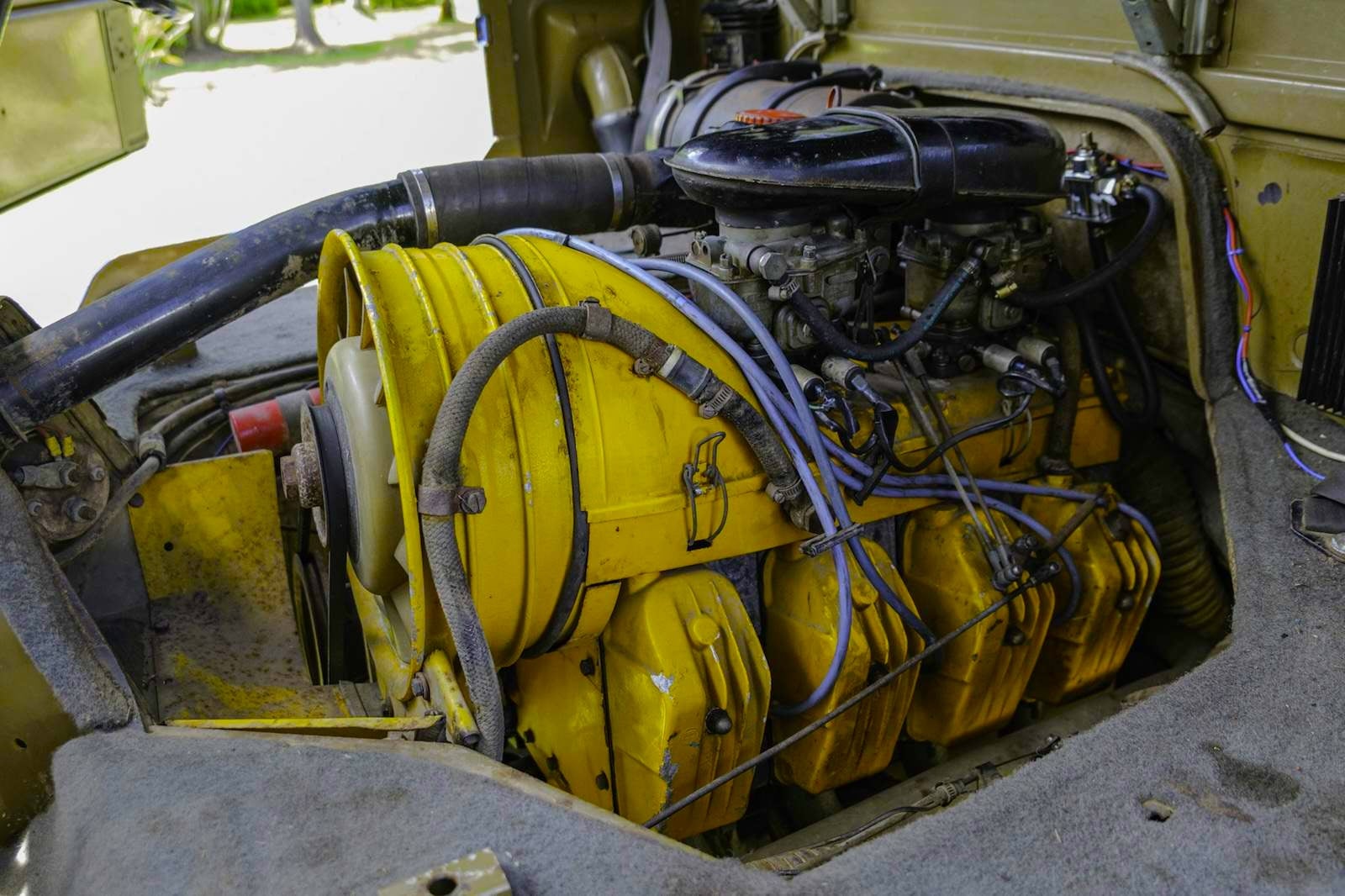
The Austrian military needed a heavier vehicle than the 643cc Haflinger, which could not take over the work of the Dodge trucks still in its fleet. The resulting Pinzgauer was built around utility and traction. Its 2.5-liter, air-cooled, pushrod inline-four produces 89 bhp and 136 lb-ft of torque: modest output, but a sensible match for a machine intended to crawl and carry rather than hurry.
Six wheels, low gearing and portal reduction
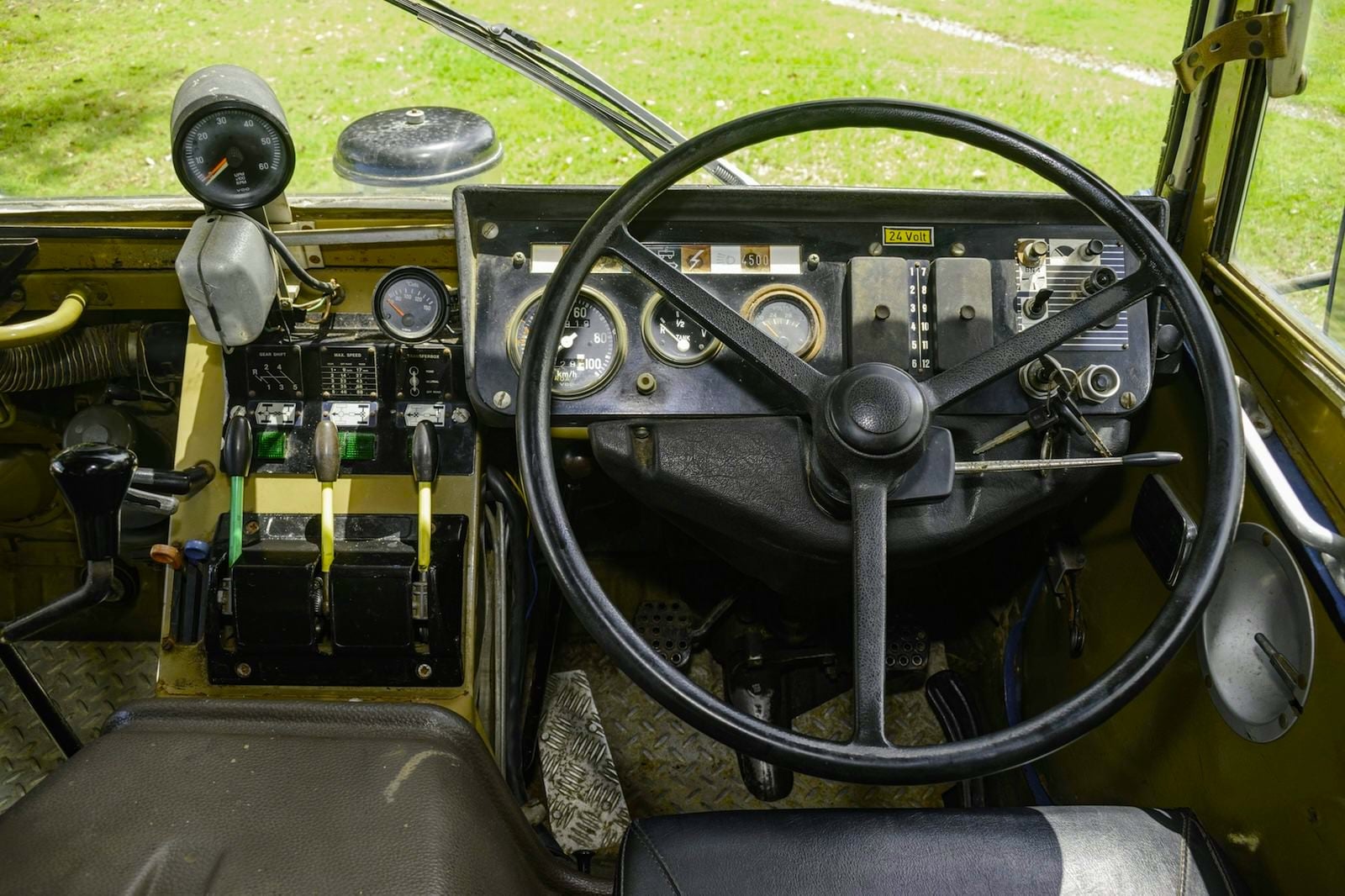
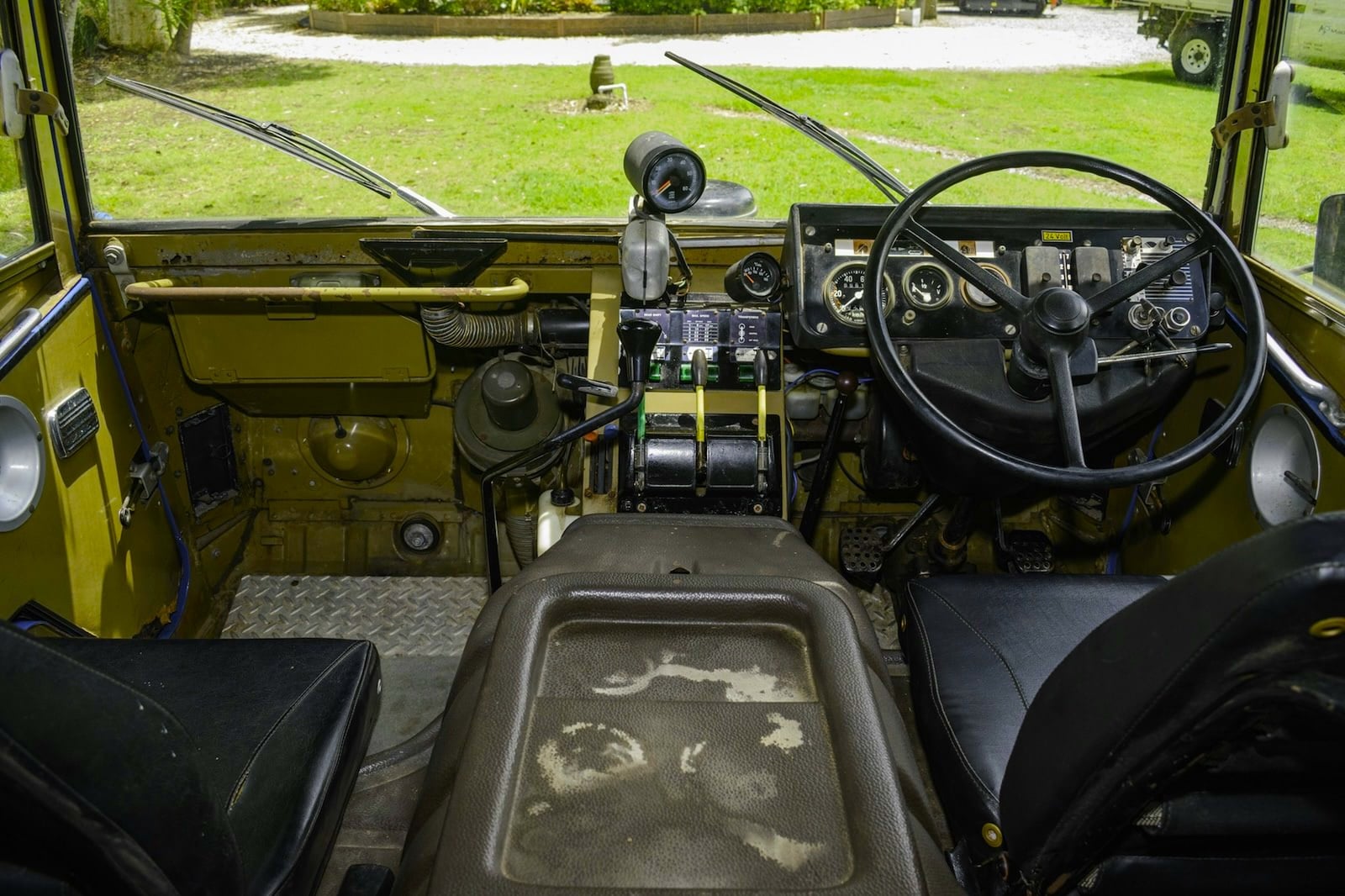
The engine sits between the front seats, above the front axle. A ZF S5-18/3 five-speed manual gearbox follows it, with synchromesh on every forward gear and a dual-range transfer case attached to the central tube. The two ranges effectively provide ten forward ratios, giving the driver useful options for road travel and slow work off pavement.
The 710 uses transfer-case ratios of 0.88:1 for road and 1.69:1 for off-road driving; the 712’s corresponding ratios are 1.00:1 and 1.92:1. Front drive engages hydraulically while moving, and hydraulic locks are fitted to the differentials on every axle. Each portal hub adds 2.266:1 reduction, raising the axle line above the wheel centers for generous ground clearance. Those details explain why the Pinzgauer’s capability comes from its gearing and wheel-end hardware as much as from its extra axle.

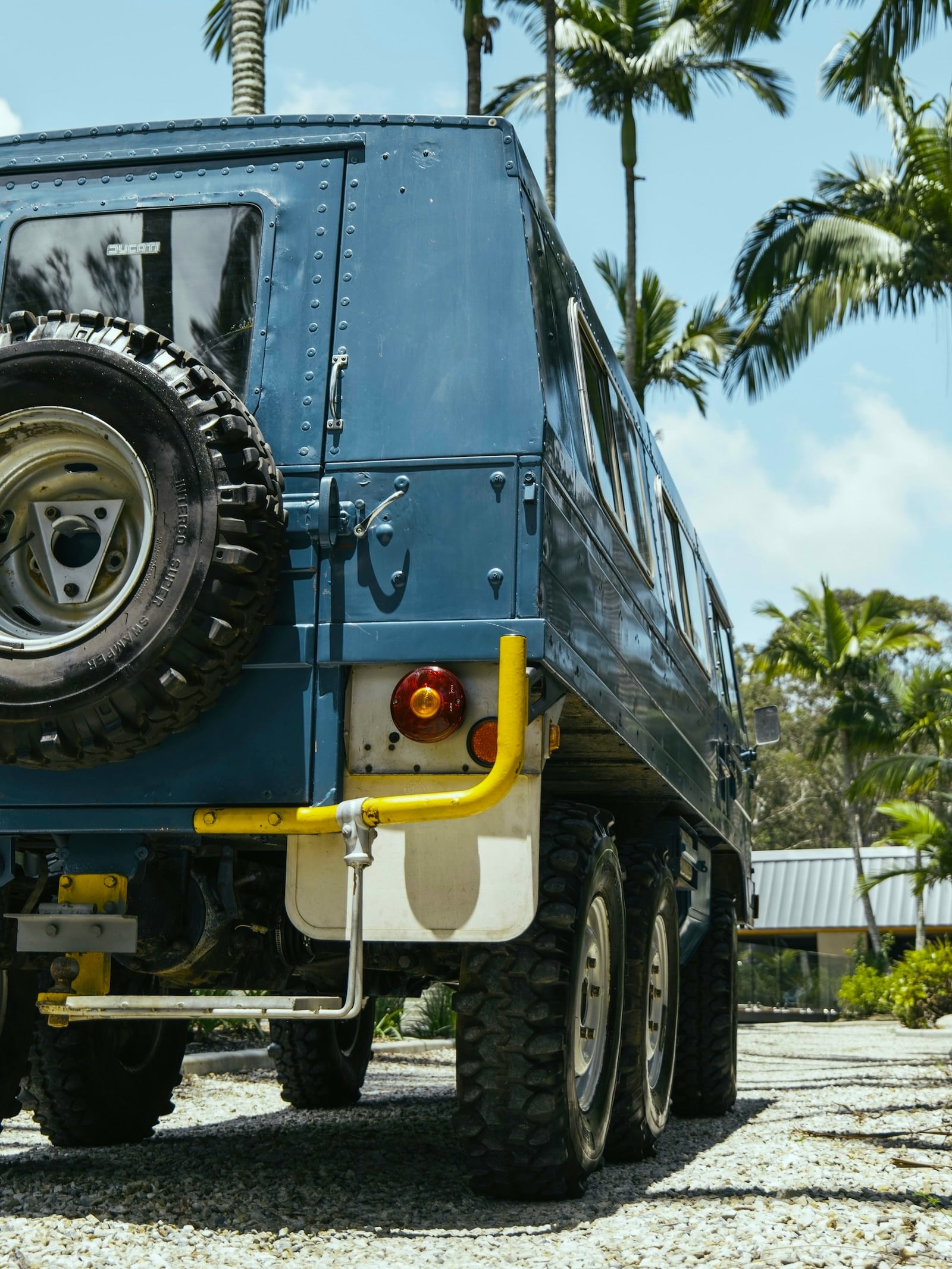
Suspension differs between the two layouts. The 710 uses coil springs, while the 712’s rear bogie is carried on a pivoted longitudinal leaf spring. All four-wheel and six-wheel versions use 285 mm drum brakes, with a separate disc parking brake mounted on the driveshaft behind the rear axle.
For a size reference, the 710M soft-top troop carrier measures 4,175 mm long, weighs 1,950 kg empty and carries a 1,000 kg payload. Its cab seats two, with room for eight more on rear benches. The 712M weighs 2,400 kg and is rated for a 1,600 kg payload or twelve passengers behind the cab. Swiss figures list top speeds of 104 km/h for the 710 and 88 km/h for the 712.
Built to serve, then to roam
Military buyers formed the Pinzgauer’s main market. Austria, Switzerland, Britain, Malaysia, Saudi Arabia, Jordan, Norway, Venezuela, Cyprus and Yugoslavia are among the forces that used the type. The 1978 truck featured here is believed to have served with Malaysia’s military before arriving in Australia during the 1980s. It’s now road registered there.
The first generation ran in Graz from 1971 to 1985. A revised, diesel-powered generation followed, with the 716 4×4 and 718 6×6 entering production in 1986. Graz production continued through 2000, though reported totals vary from 24,000 to 30,000. Production moved to Automotive Technik in Guildford, England, in mid-2000. The Pinzgauer later passed through several company owners, and UK manufacturing was set to end after remaining orders were completed.
As European forces moved on from surplus examples, civilian owners began adapting the trucks for remote travel and camper use. The underlying design makes that transition easy to understand: low gearing, locking differentials and portal reduction are useful assets when a route gets rough, while the 712’s six driven wheels provide a broad footprint for carrying a substantial load.
A Malaysian-service 712K in Australia
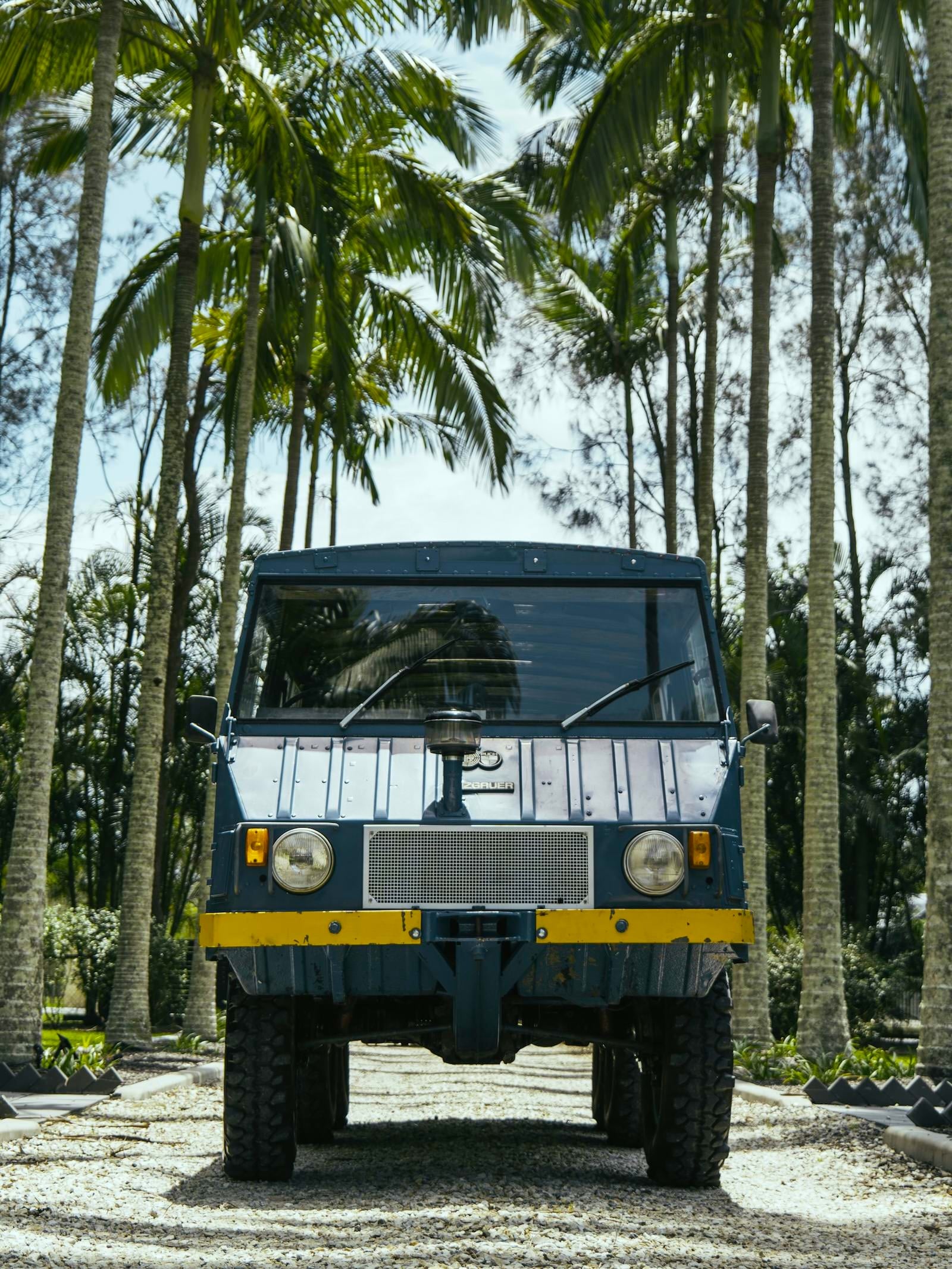
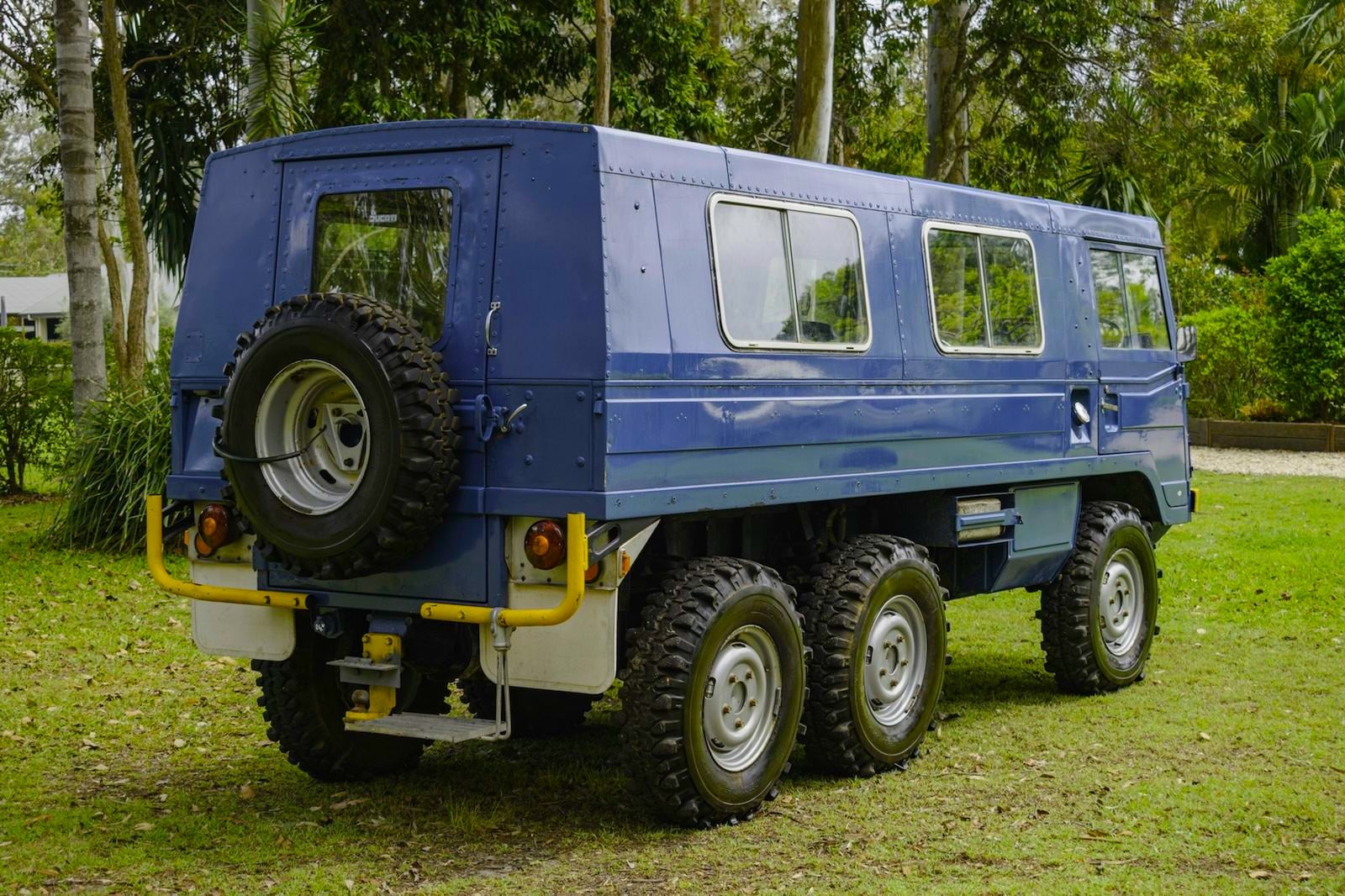
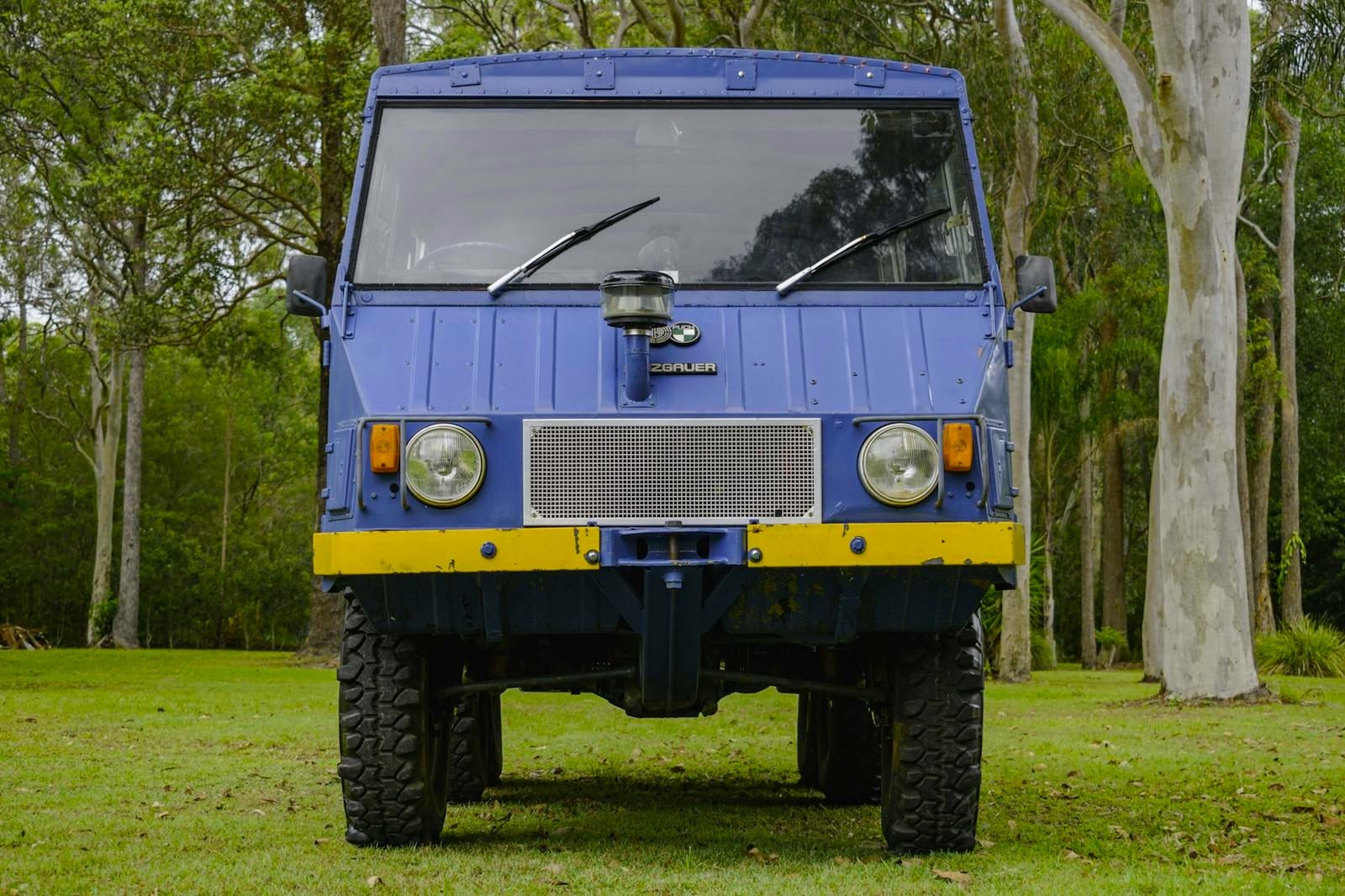
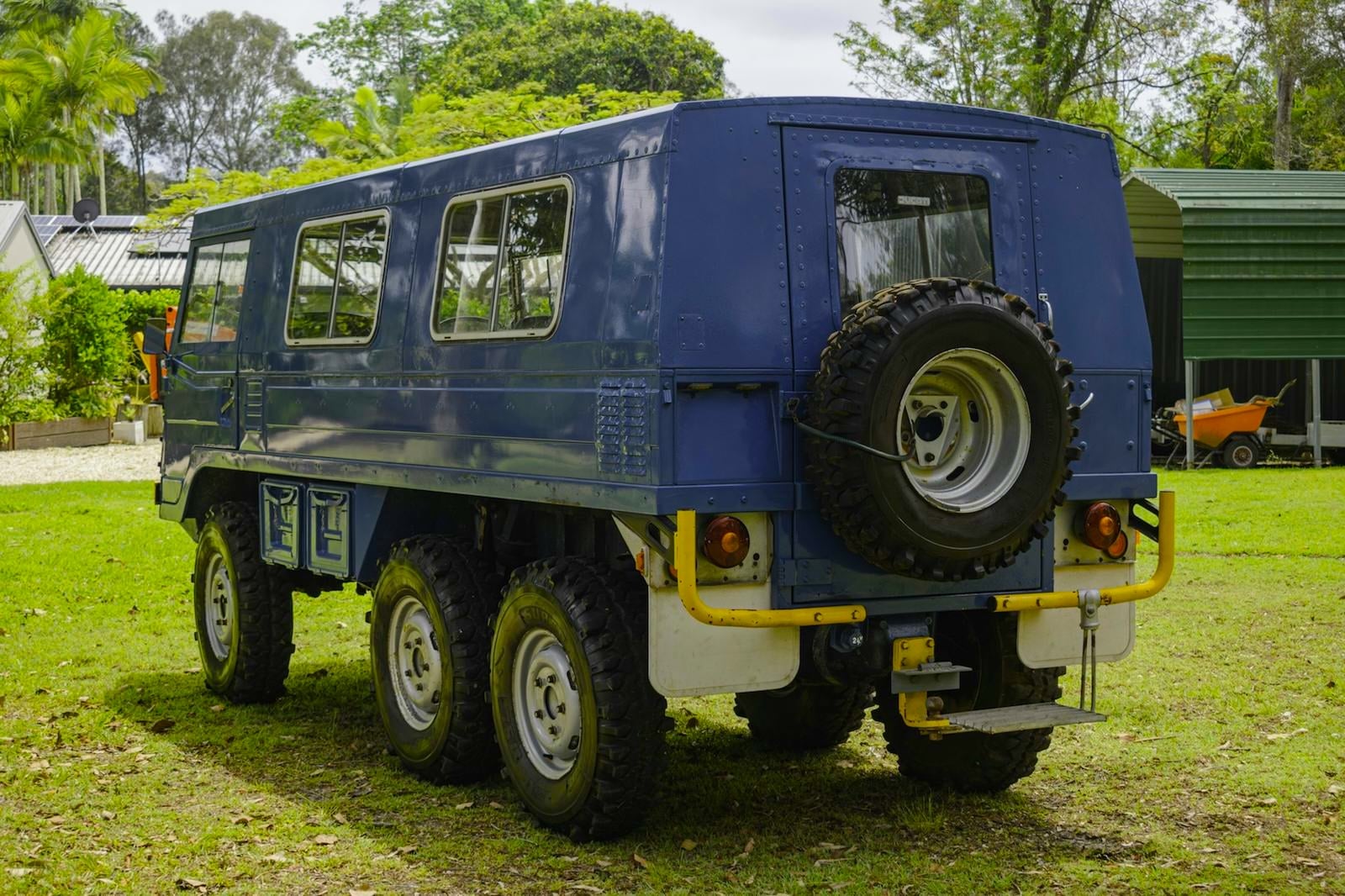
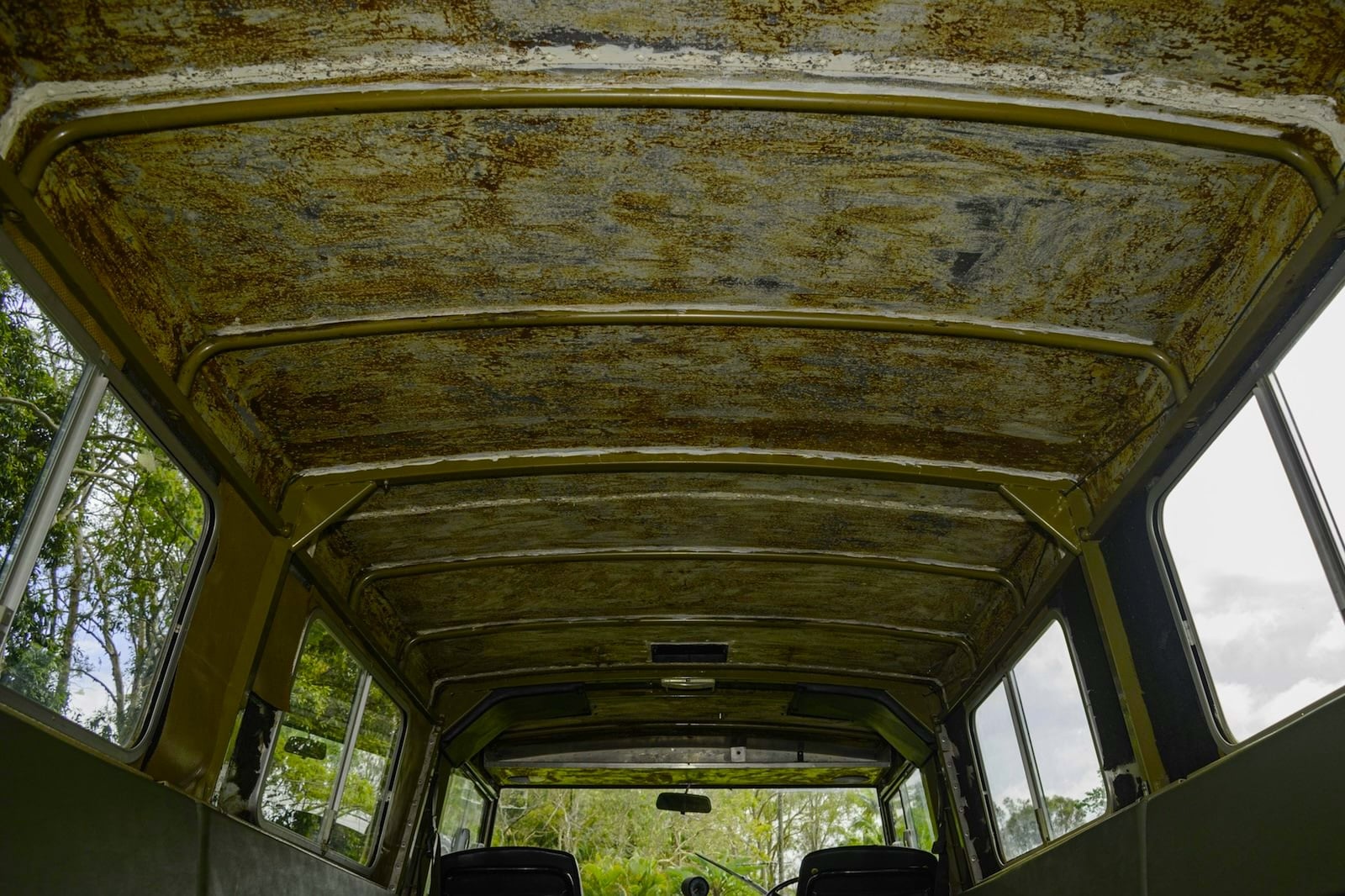
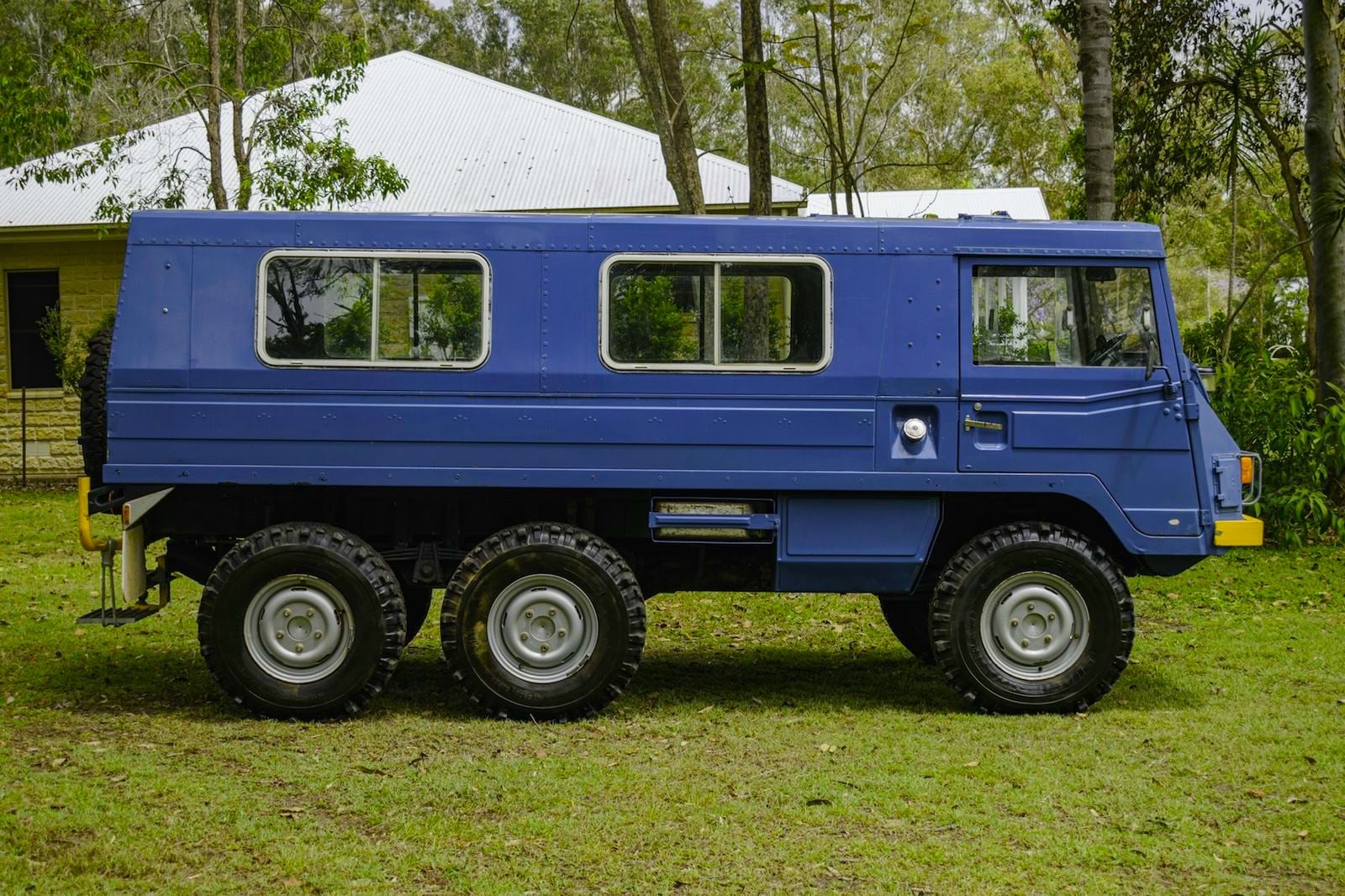
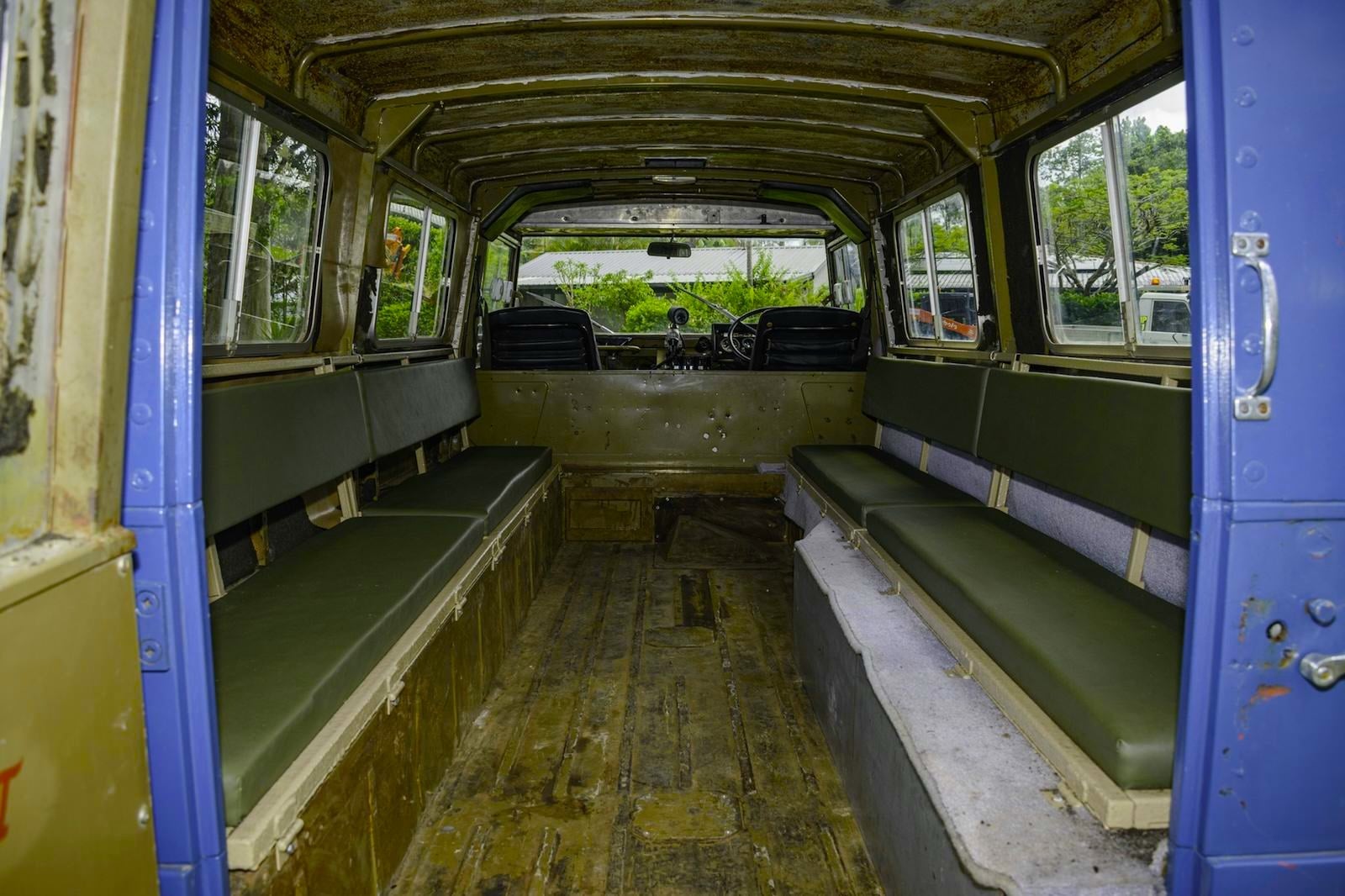
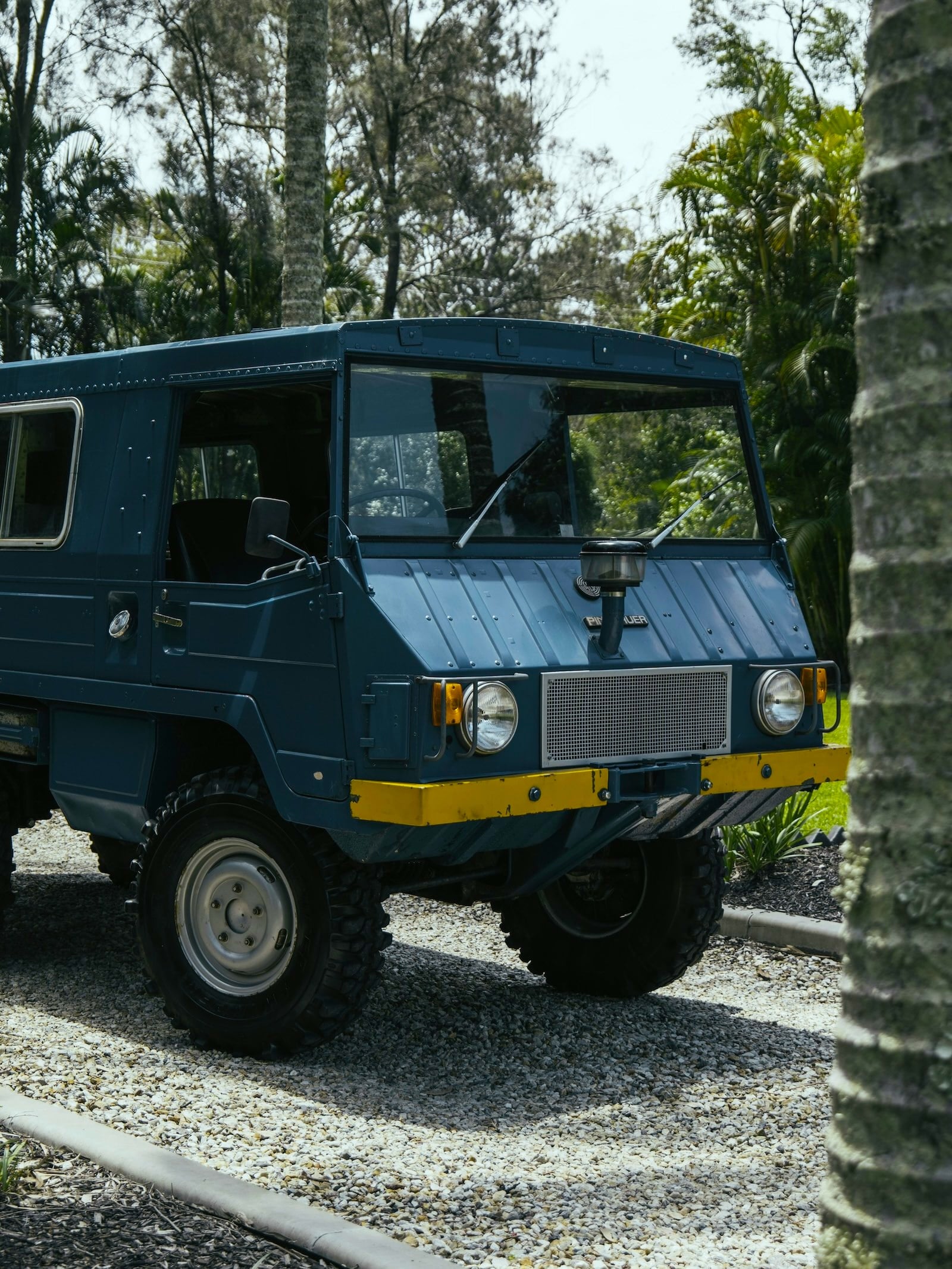
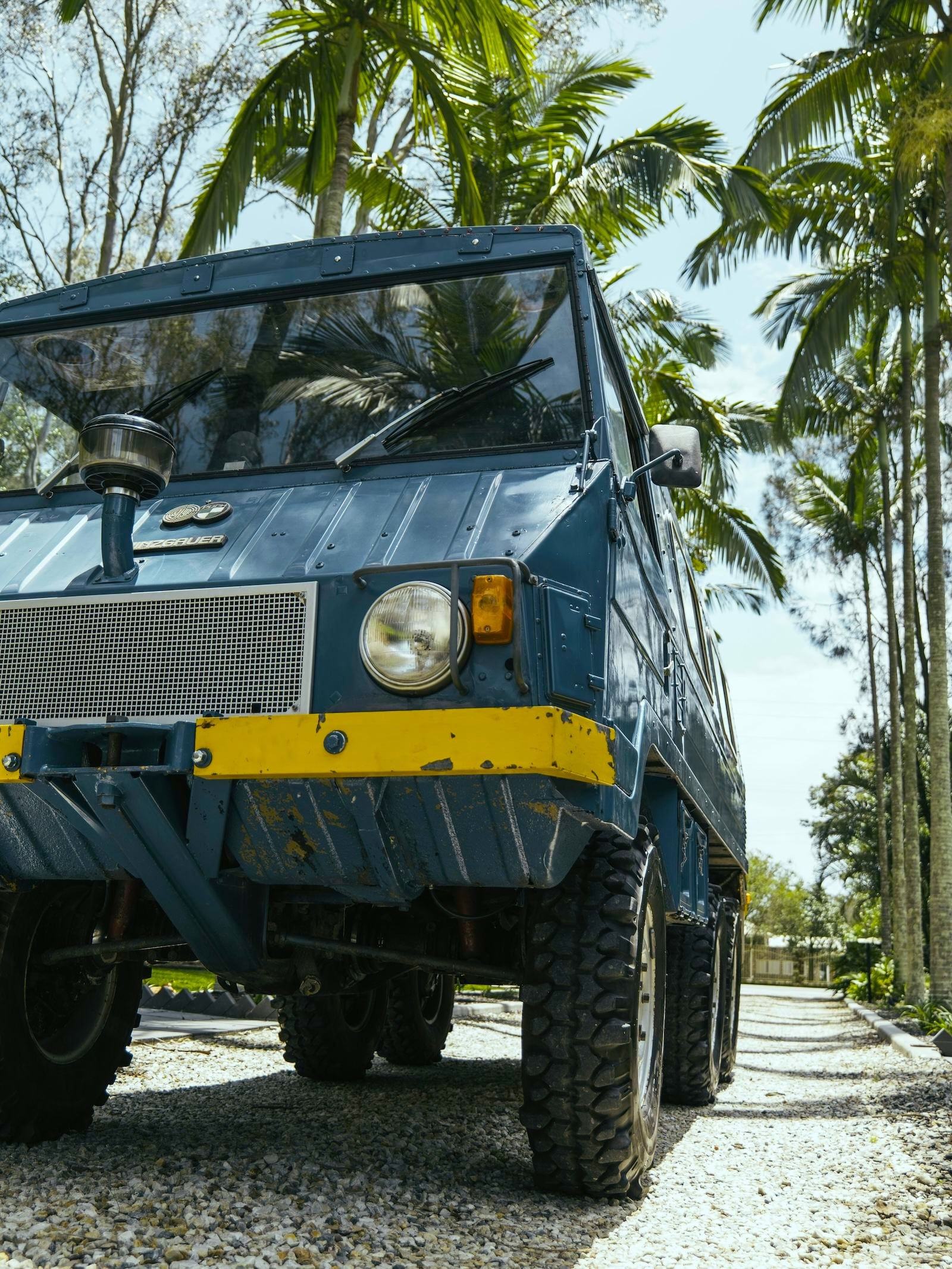
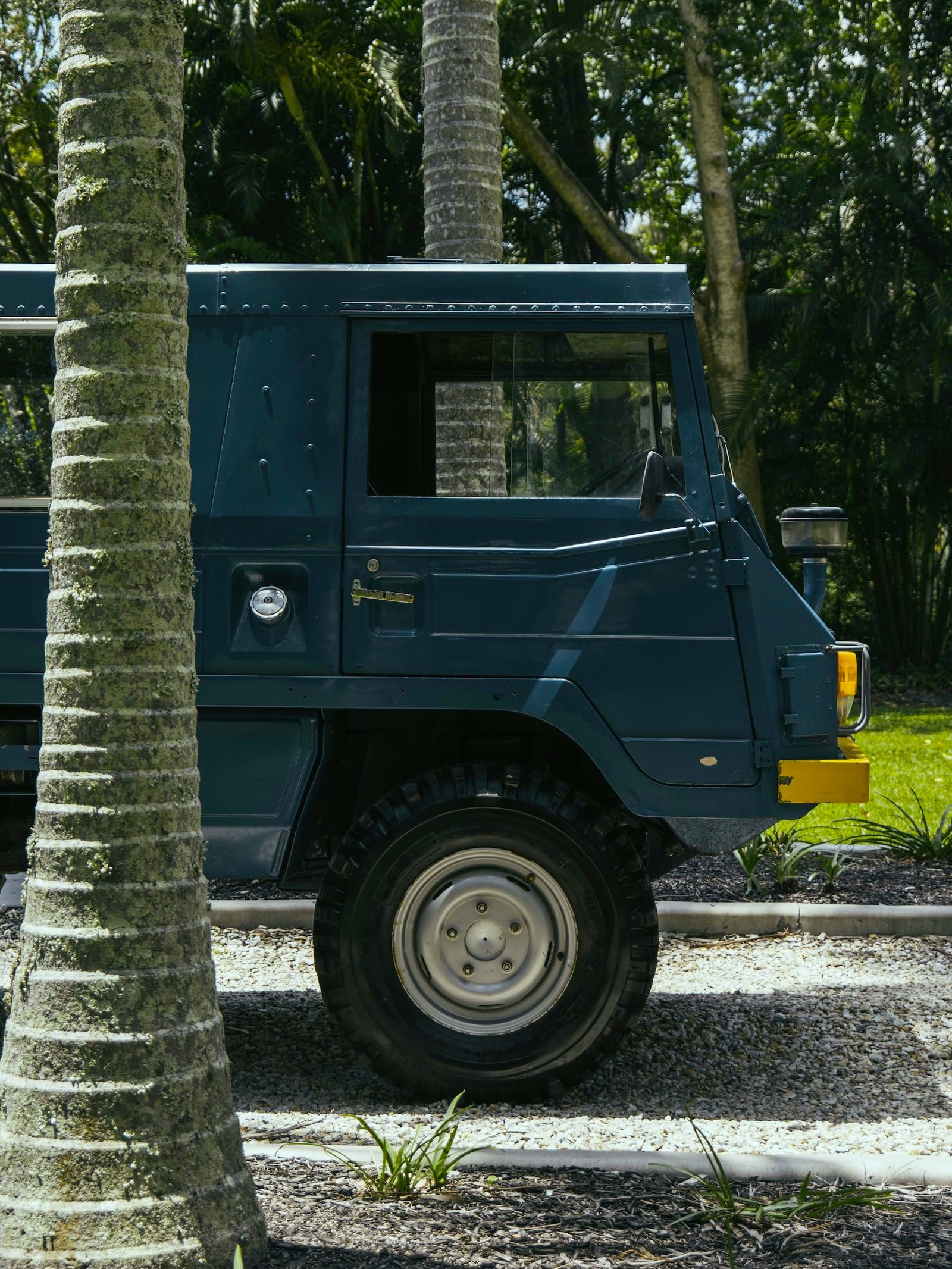
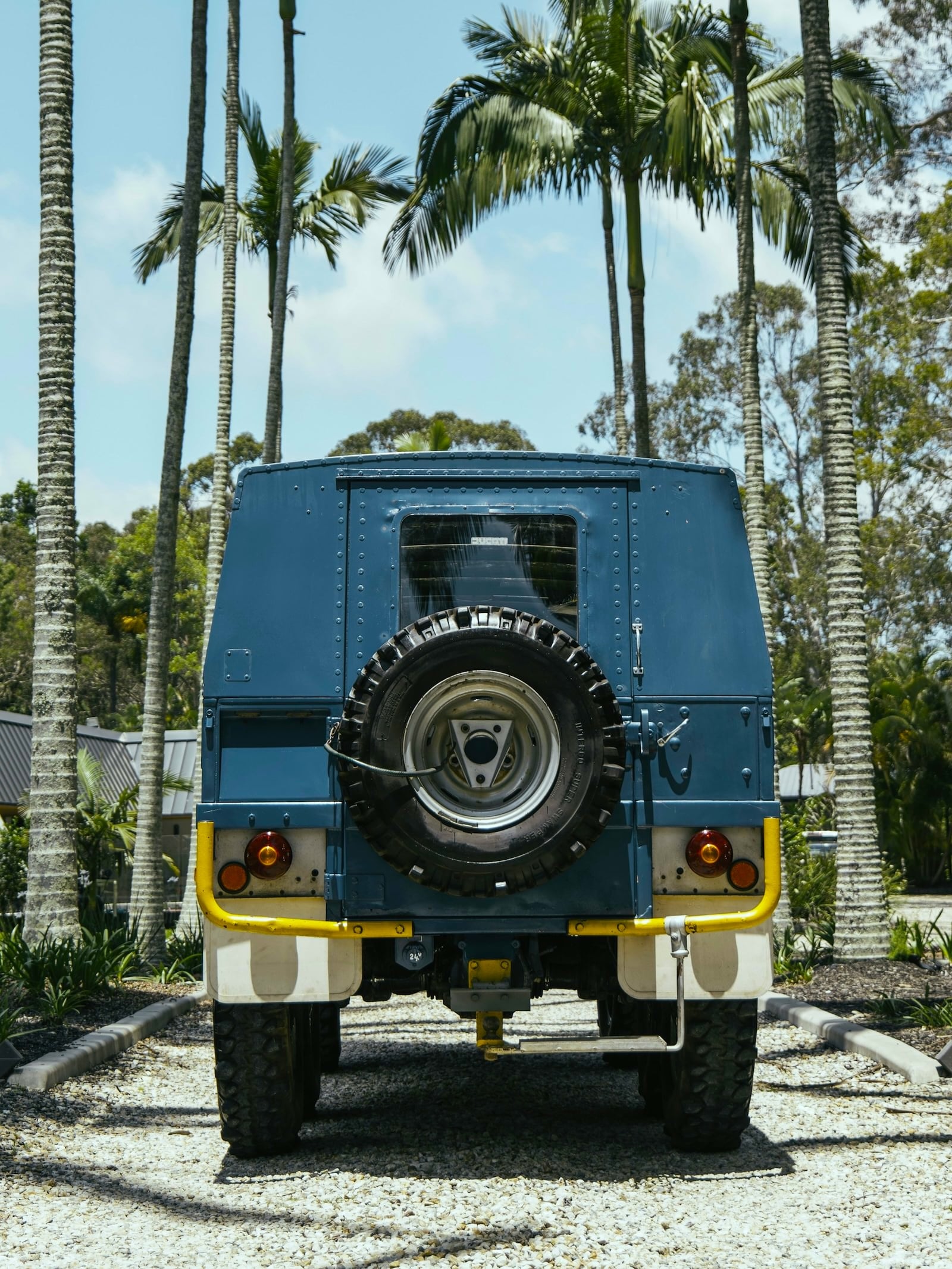
This 712K has details that support its reported Malaysian history: a chassis number associated with that origin, tropical ventilation and an unusual snorkel rising through the center of the short hood. The exterior is blue, with an olive-green cabin, black and green vinyl upholstery, VDO instruments and four inward-facing rear bench seats.
The custom steel cargo cover is the clearest invitation to a future conversion. It gives a new owner a useful starting point for building enclosed storage or a camper interior, while keeping the vehicle’s existing utility layout intact. The seller describes this as a rare Malaysian-modified example; the ventilation and snorkel are among the visible features that distinguish it from a standard configuration.
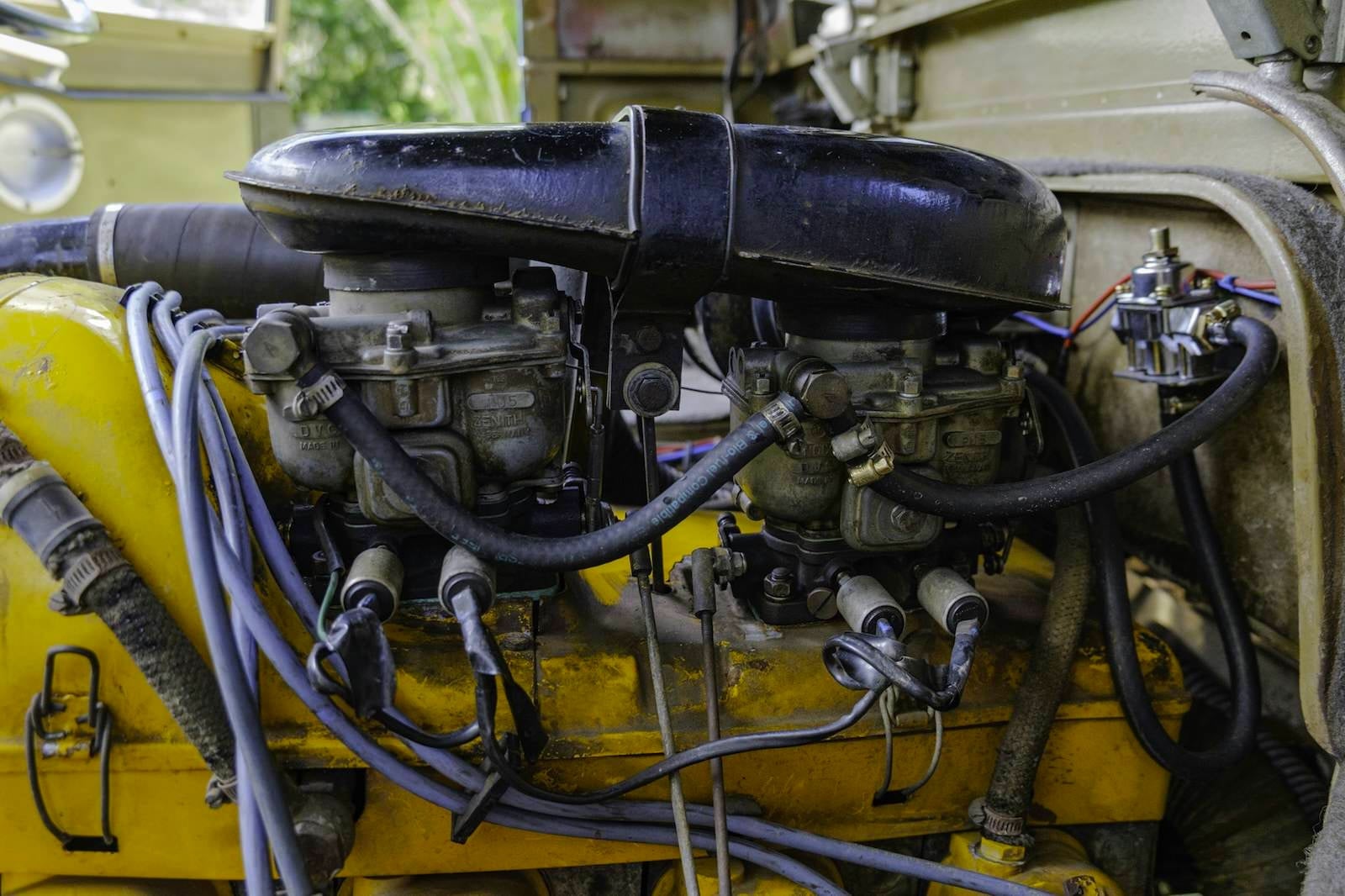
Reported work over the past four years includes replacement axle seals and boots, repairs to the braking system, rebuilt front wheel cylinders and a rebuilt brake master cylinder. Fluids have been renewed in the engine, gearbox, transfer case, differentials and all six portal hubs. The twin Zenith 36 NDIX carburetors were rebuilt and balanced, and the fuel pump was replaced. That list addresses several age-sensitive systems, though a buyer will still want to inspect the truck’s condition and service records directly.
The Pinzgauer is offered with one ignition key and a collection of mostly new and usable secondhand original-equipment spare parts that are reportedly valued at more than $5,000 AUD. With its drivetrain layout, unusual service history and steel-covered cargo area, this 712K has the ingredients for a capable expedition truck; the next decisions are how to use its existing space and what further preparation its new owner wants to undertake.
View the listing and bidding details.